
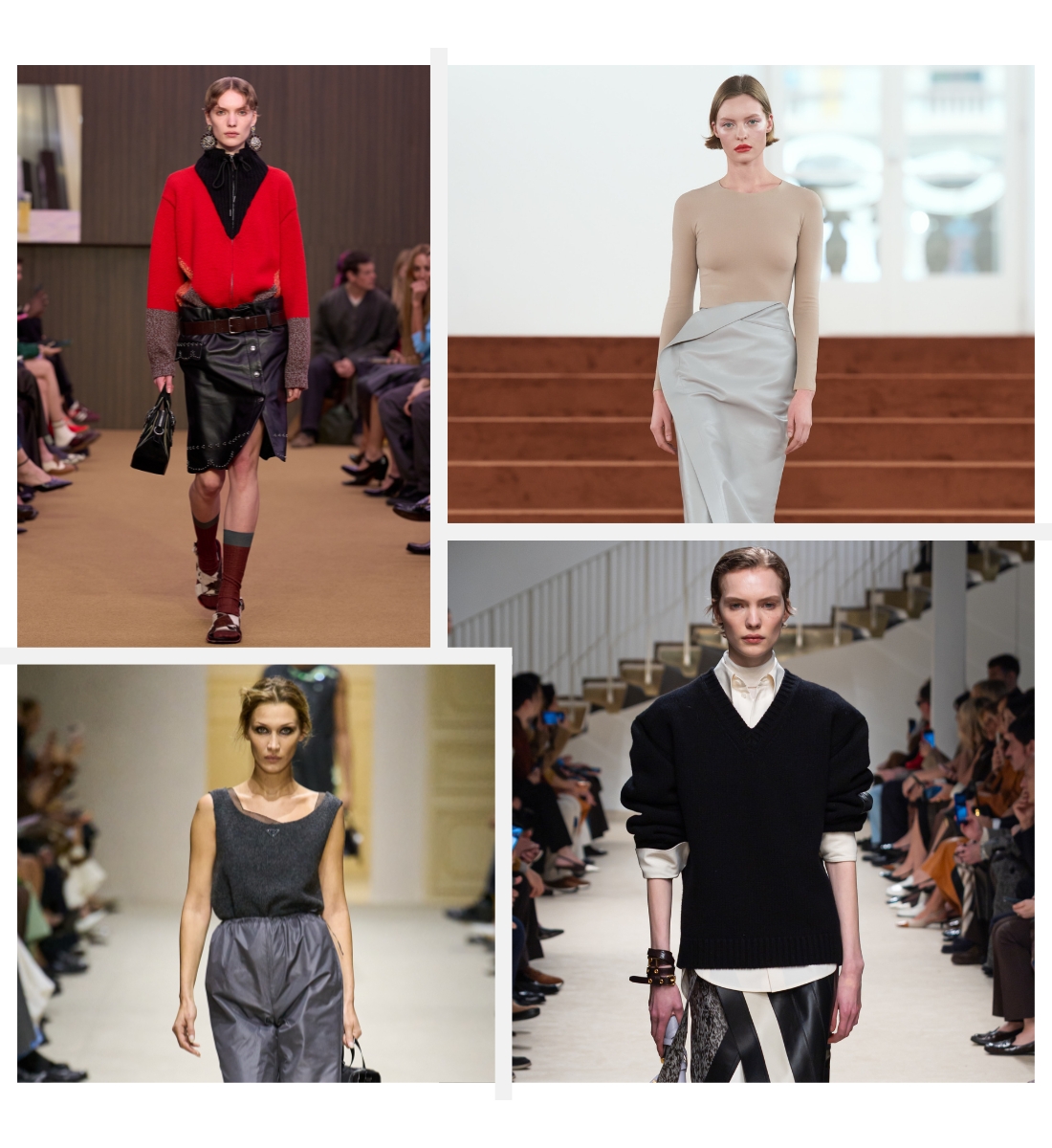
Milan Fashion Week is often thought of as the more sober sibling of Paris. But this season, there was plenty of excitement going around. Maria Grazia Chiuri made her Fendi debut, Demna brought sex back to Gucci in his first runway show, and Marni got a compelling reboot, thanks to new designer, Meryll Rogge. There is also the high point of Miuccia Prada and Raf Simons expressing the inner richness of women’s lives onto cloth.
GUCCI
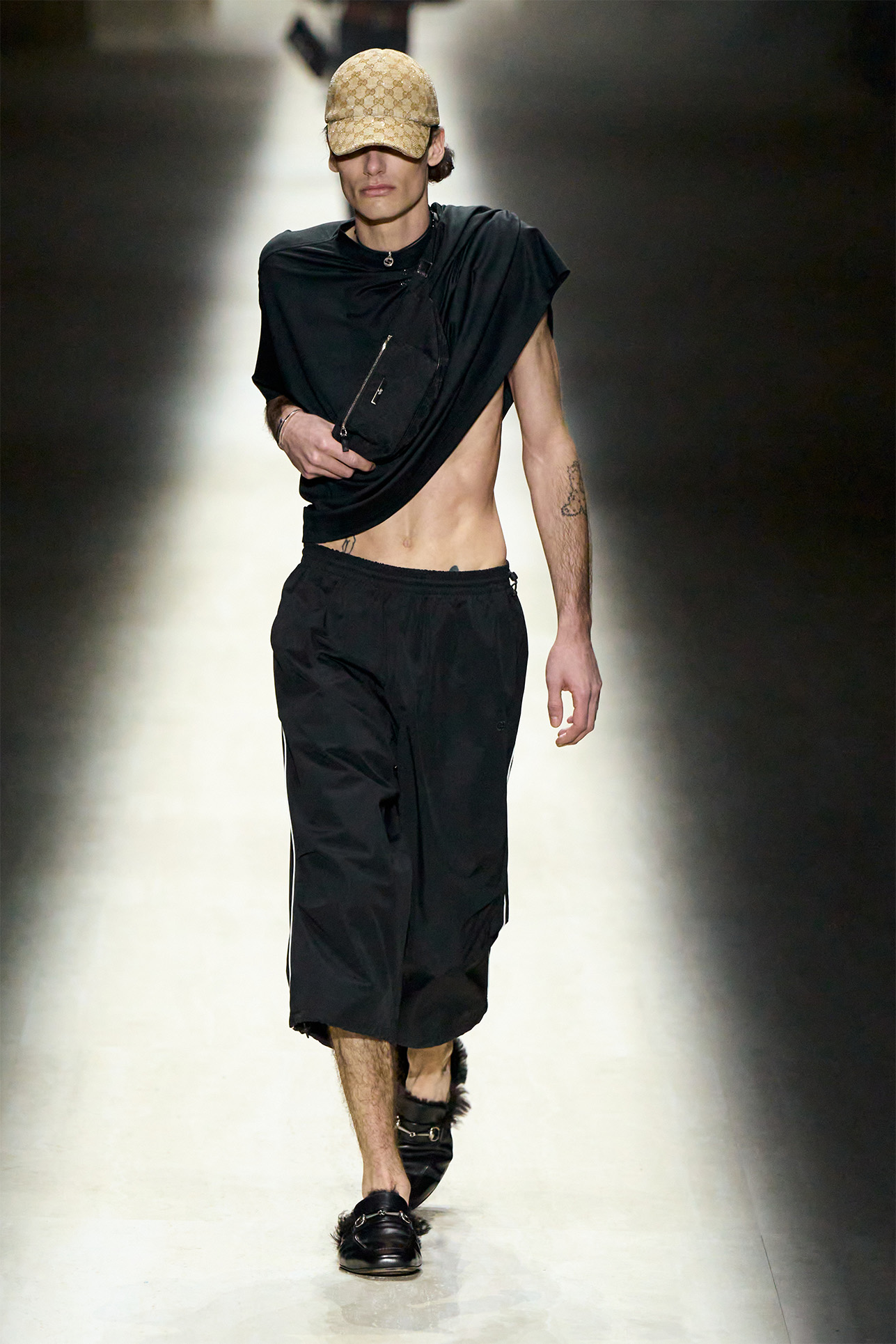
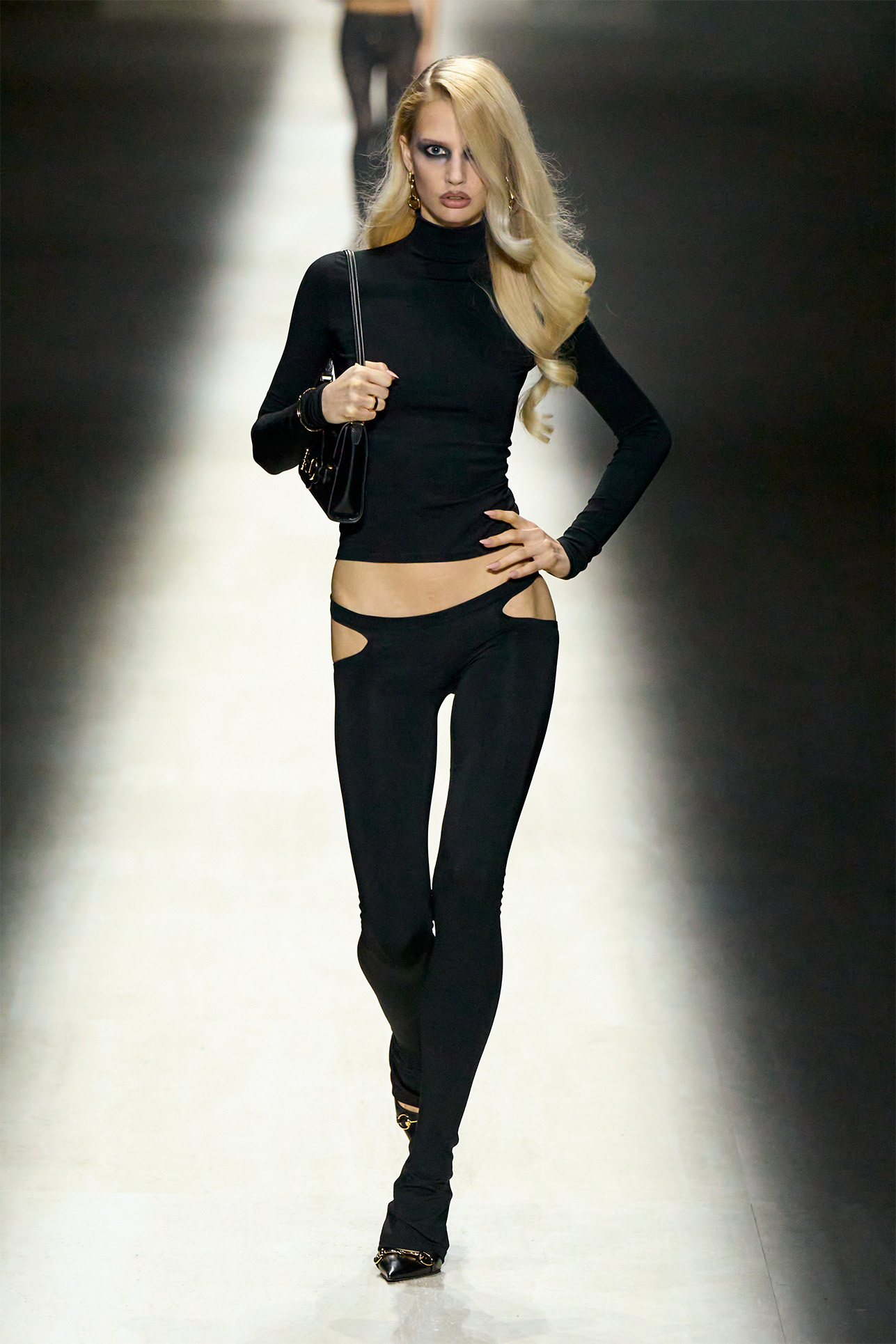
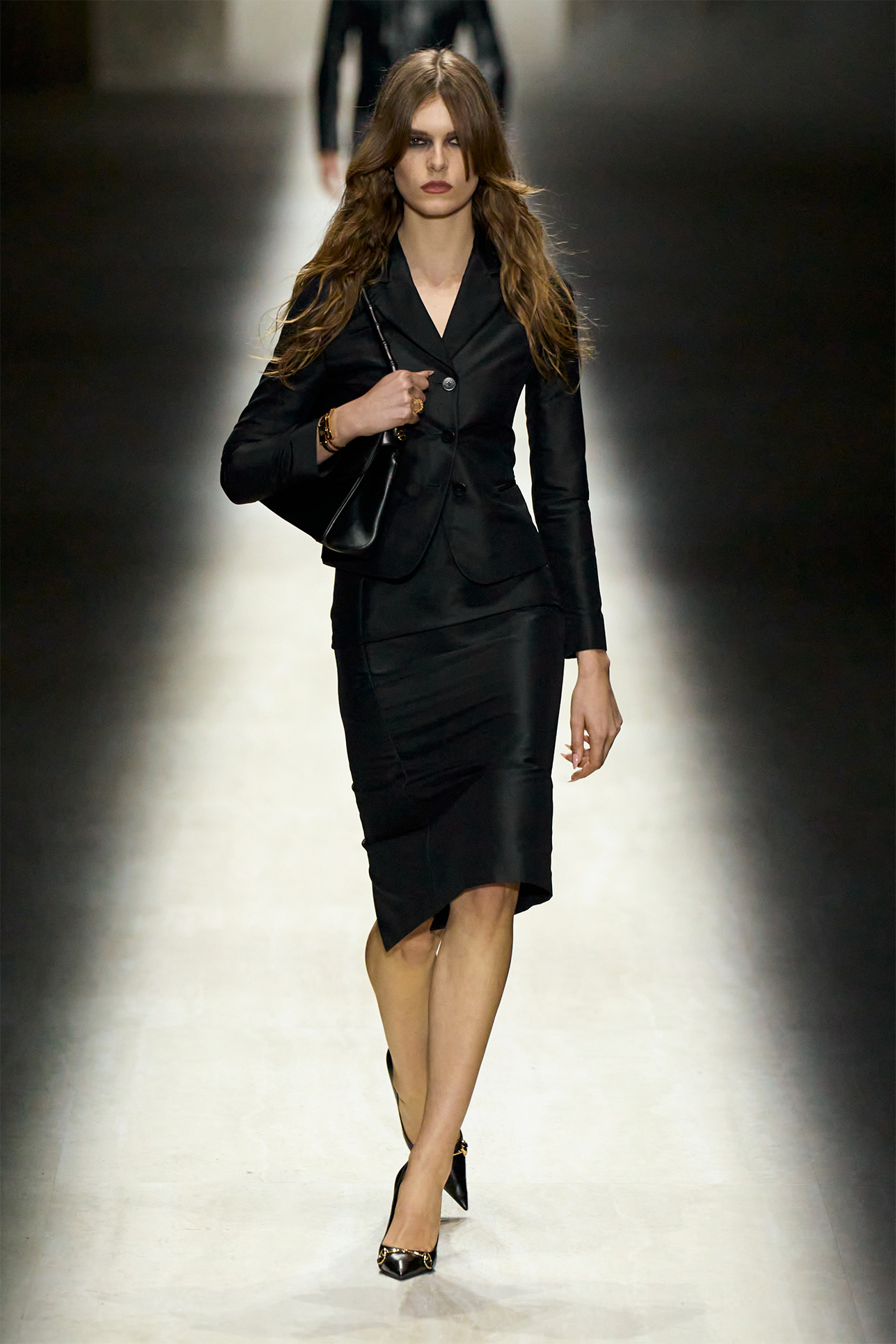
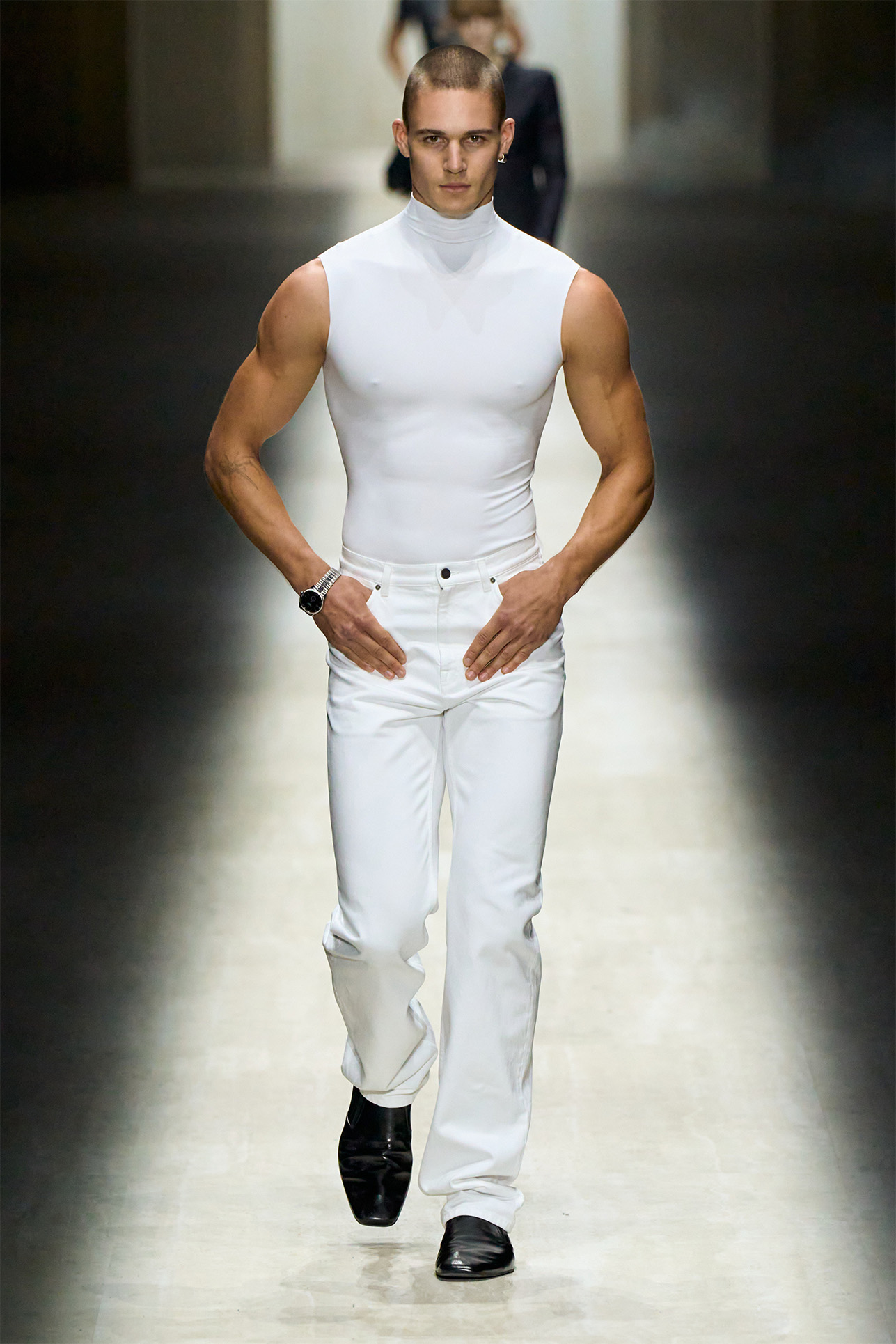
That age-old adage that sex sells almost always proves to be true, so for his first runway show for Gucci, Demna brought sexy back. Lord knows that Gucci needs to sell. After the boom years of the Alessandro Michele era in the mid-2010s, sales at the Italian brand dropped off rather drastically when the designer departed in 2022 and an attempted pivot by his successor, Sabato de Sarno, into “quiet luxury” did not go as planned. Demna took his time getting here. Last September, he premiered a short film that spotlit the archetypes that make up the Gucci “famiglia”, from club kids to countesses. He followed up with a pre-fall collection dropped via lookbook that again reiterated the codes of Gucci. Now, Demna is ready to bring his vision to the catwalk.
For naysayers who thought he would just do more of the same of what he did at Balenciaga, the biggest news here is that Demna has done a 180 when it comes to silhouette. Gone are the hulking, oversized shapes—almost everything here is skinny and shrunken. The obvious reference is, of course, Tom Ford-era Gucci in the ‘90s and ‘00s, when the designer transformed the sleepy brand into a sensation overnight with high-gloss sex and glamour. Demna is smart to tap into that feeling again. Younger fashion fans who didn’t live through that era are nostalgic for its aesthetics, and understandably so. The appeal is immediate and instinctive—who doesn’t want to look hot?
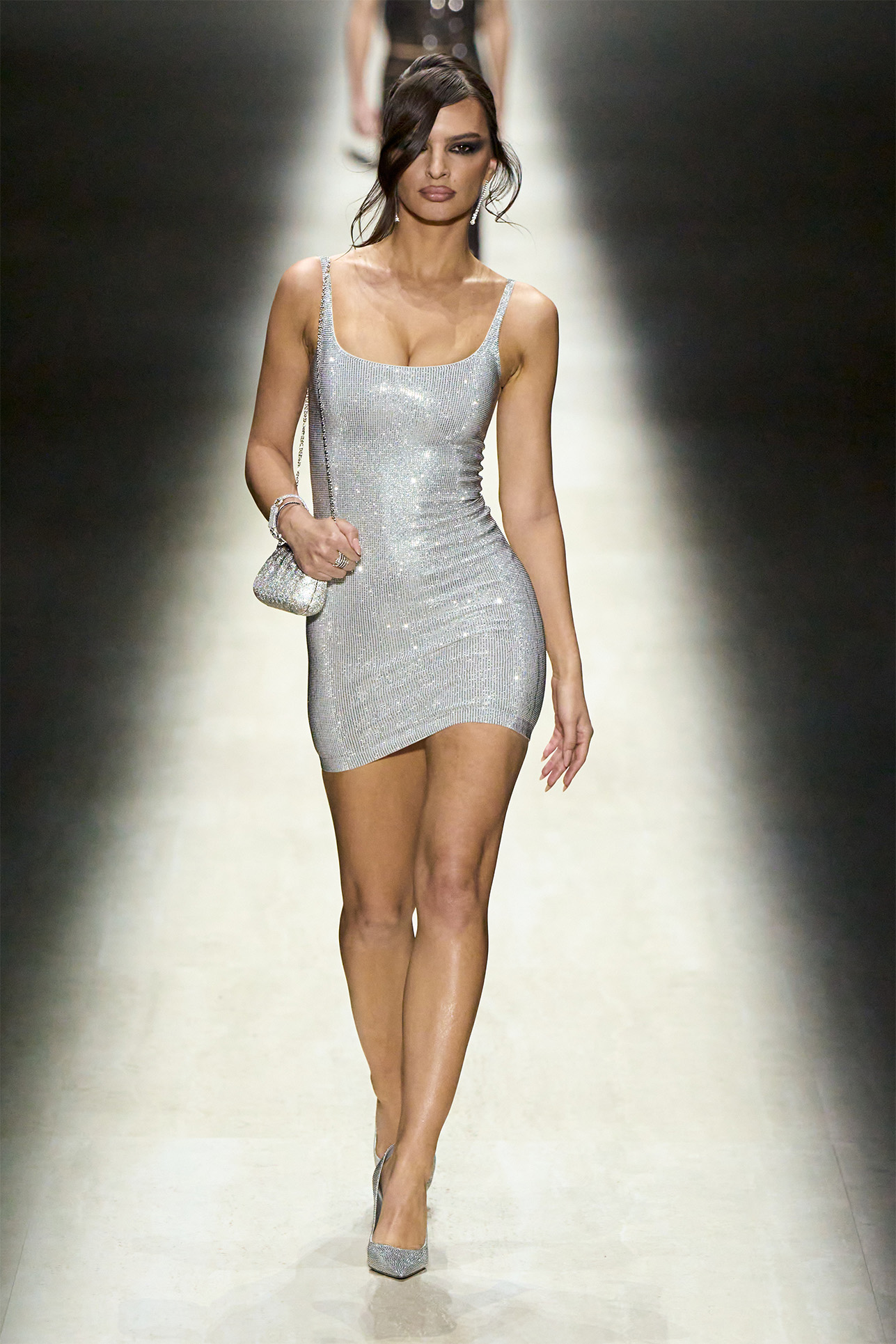
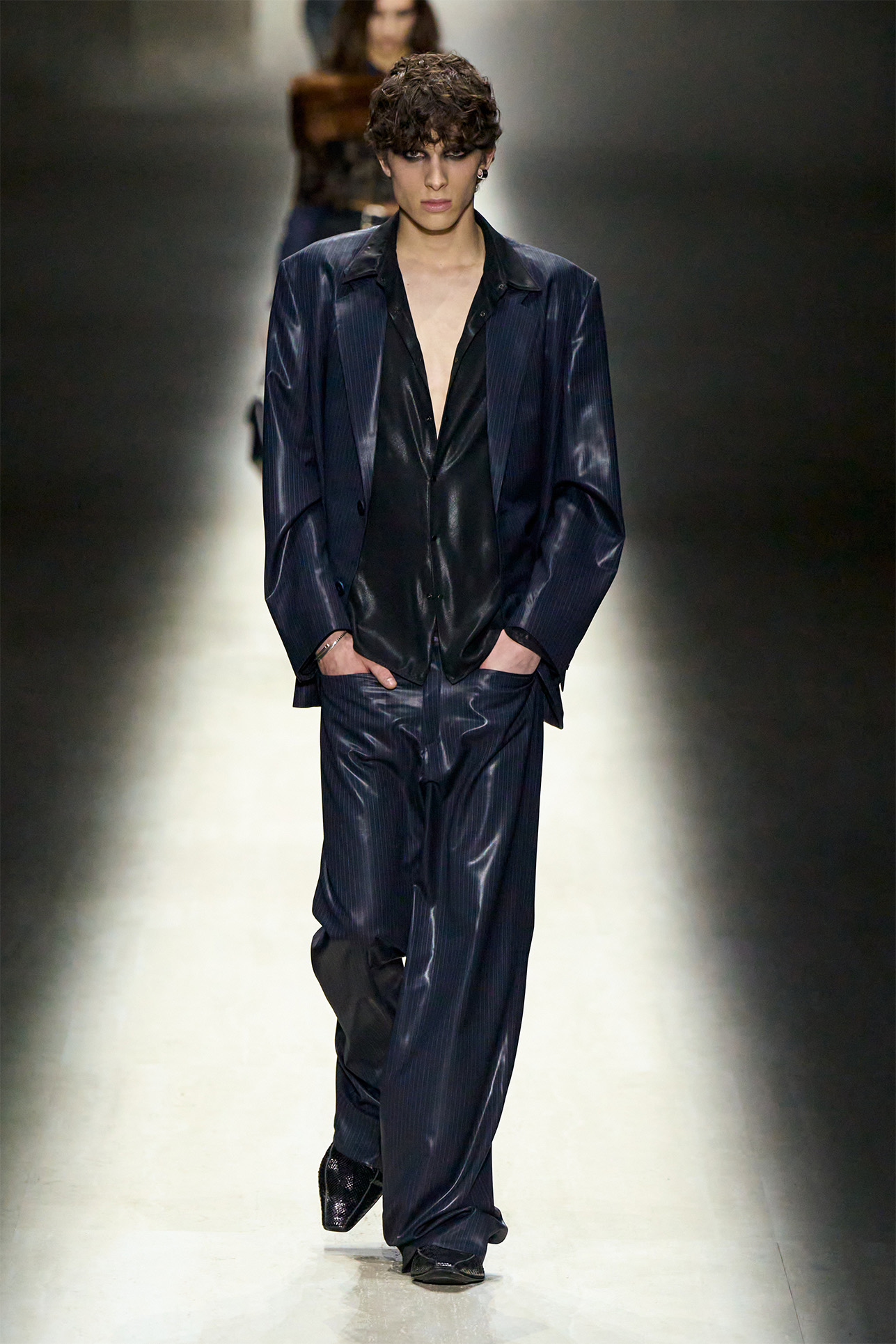
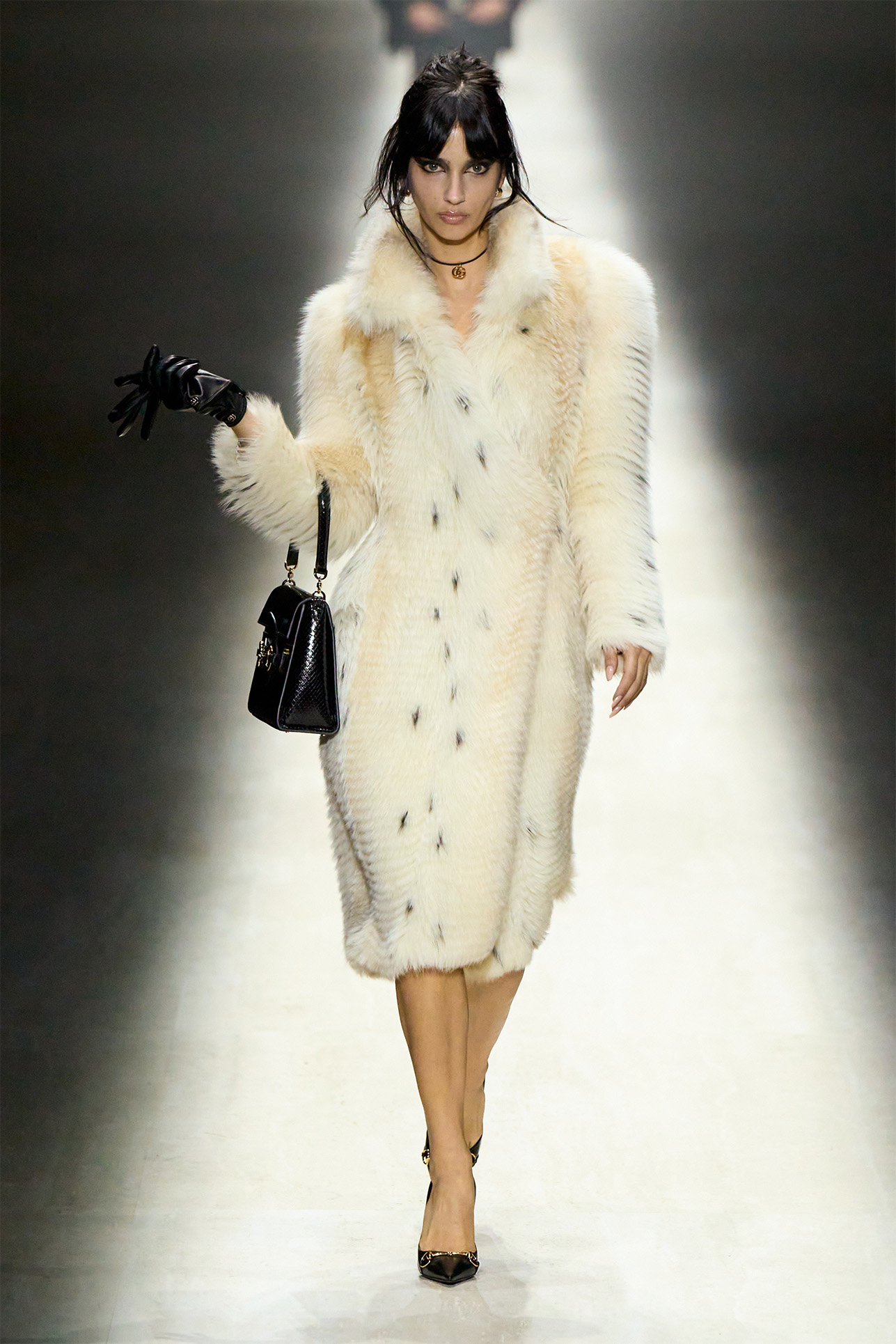
Demna set the tone with a series of opening looks that were Jackie O meets Kate Moss. Think trim, prim ‘60s skirt suits worn with a ‘90s up-all-night, coke-and-cigarettes attitude—the models’ eyes rimmed with kohl; their lips painted blood red. For the boys, it was biceps bulging out of tight muscle tees and polos, and trousers sagging low to reveal GG-logo boxers. More pieces for the party girls and boys followed—crystal-encrusted tube dresses, second-skin leathers. Demna also explored other Italian-slash-Gucci archetypes—the bourgeois Milanese lady in her big (faux) fur coat; the Lothario, in suits so fluid they look like pyjamas; the sleaze-bro, in board shorts and hiked-up tees, with fanny packs slung crossbody. He also showed really good basics and classics of the kind that de Sarno attempted, but with more bite. And then finally, OG party girl and Tom Ford fave herself, Kate Moss, closed the show in a sequinned gown that dipped dangerously low in the back to show off a 10-carat diamond GG thong. Now that Demna has shown he can tackle Gucci’s past, it’ll be interesting to see where he goes next.
MARNI
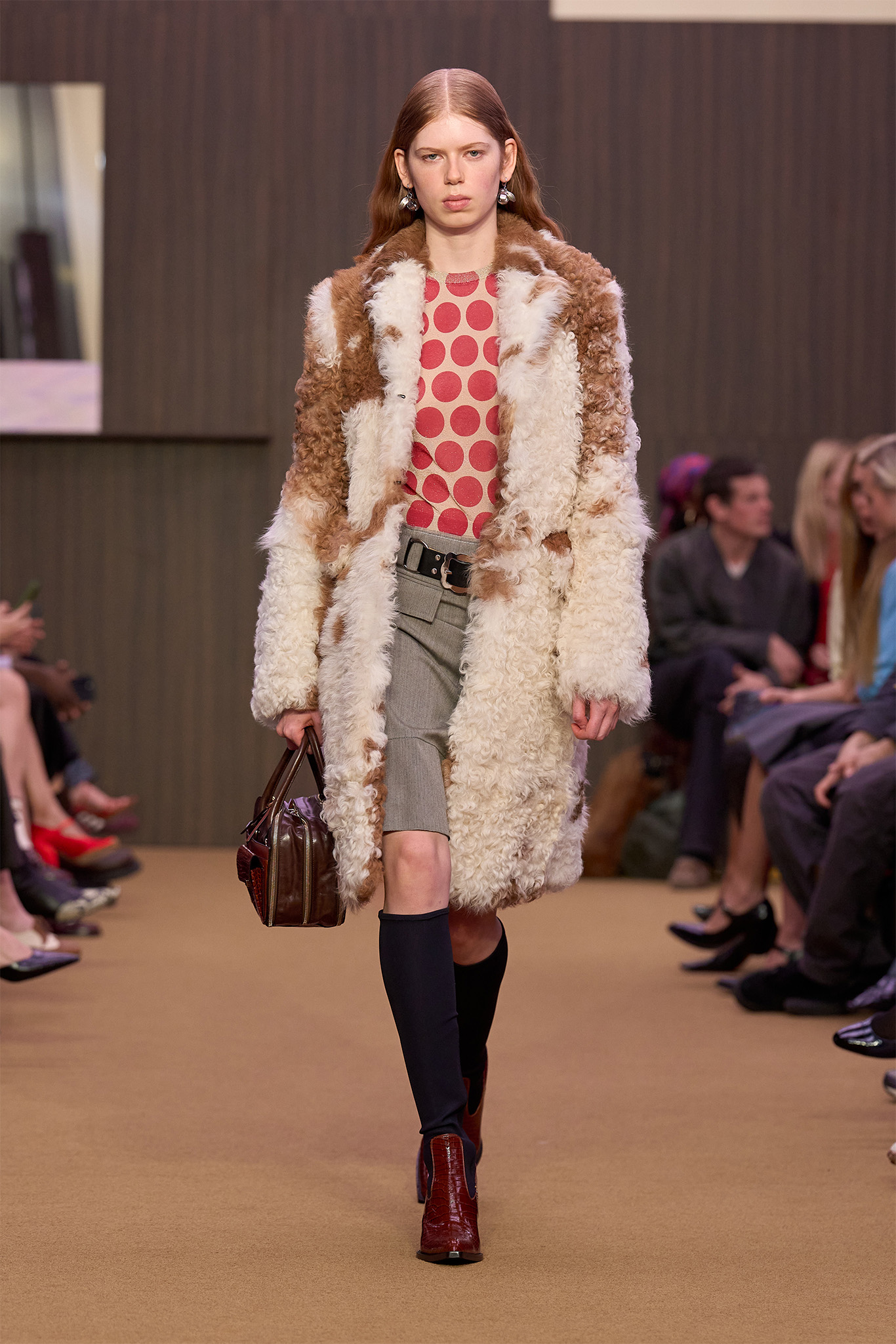
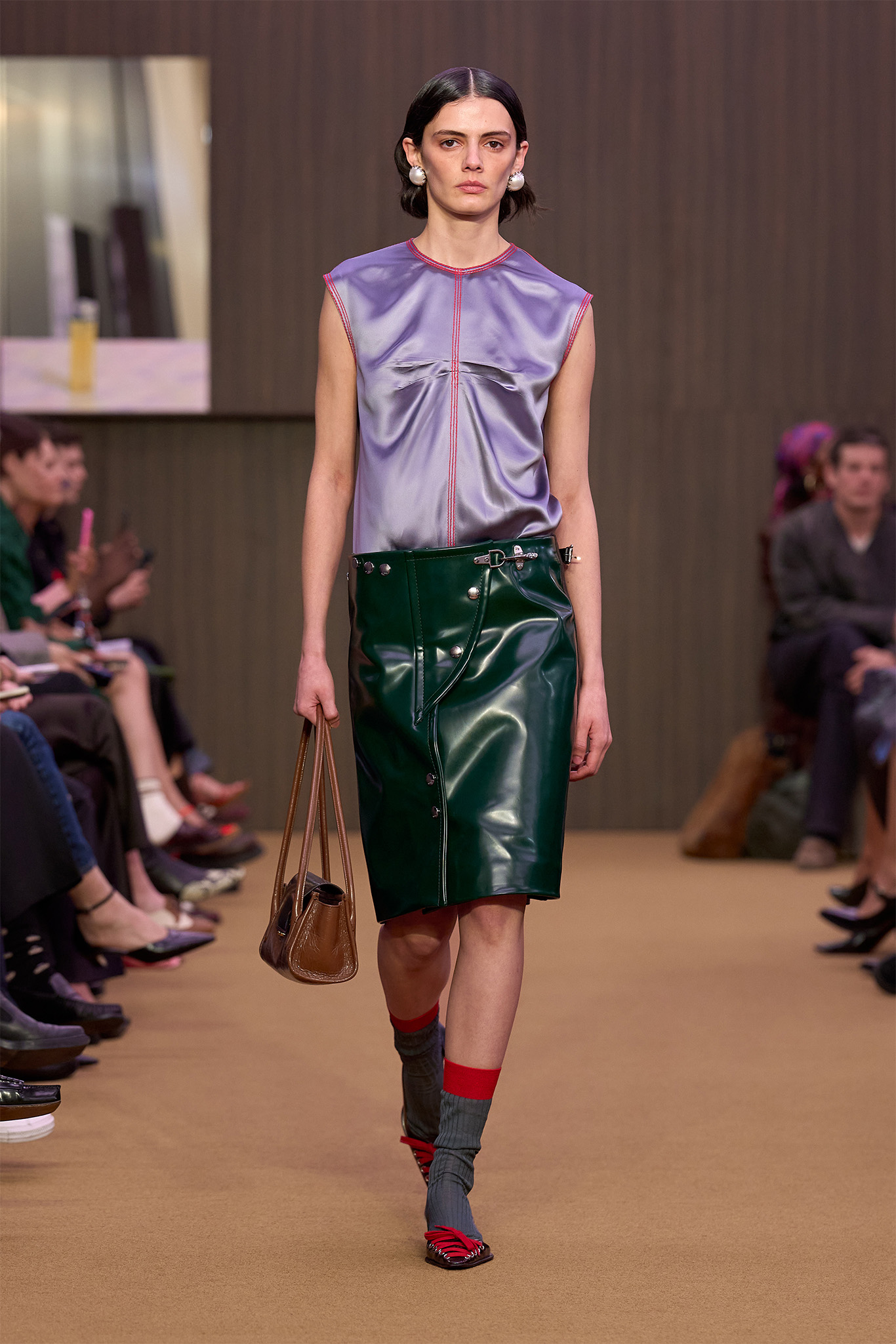
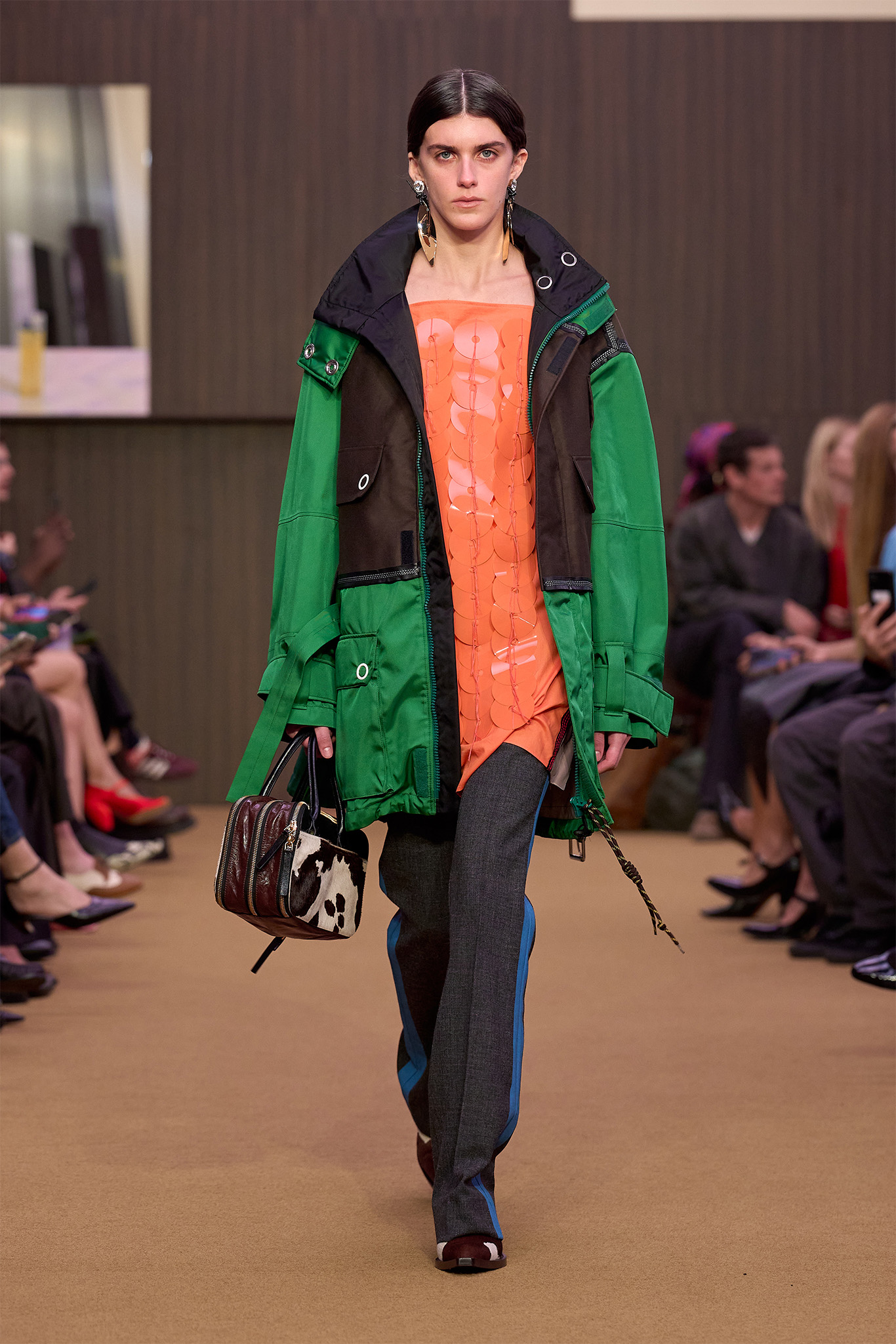
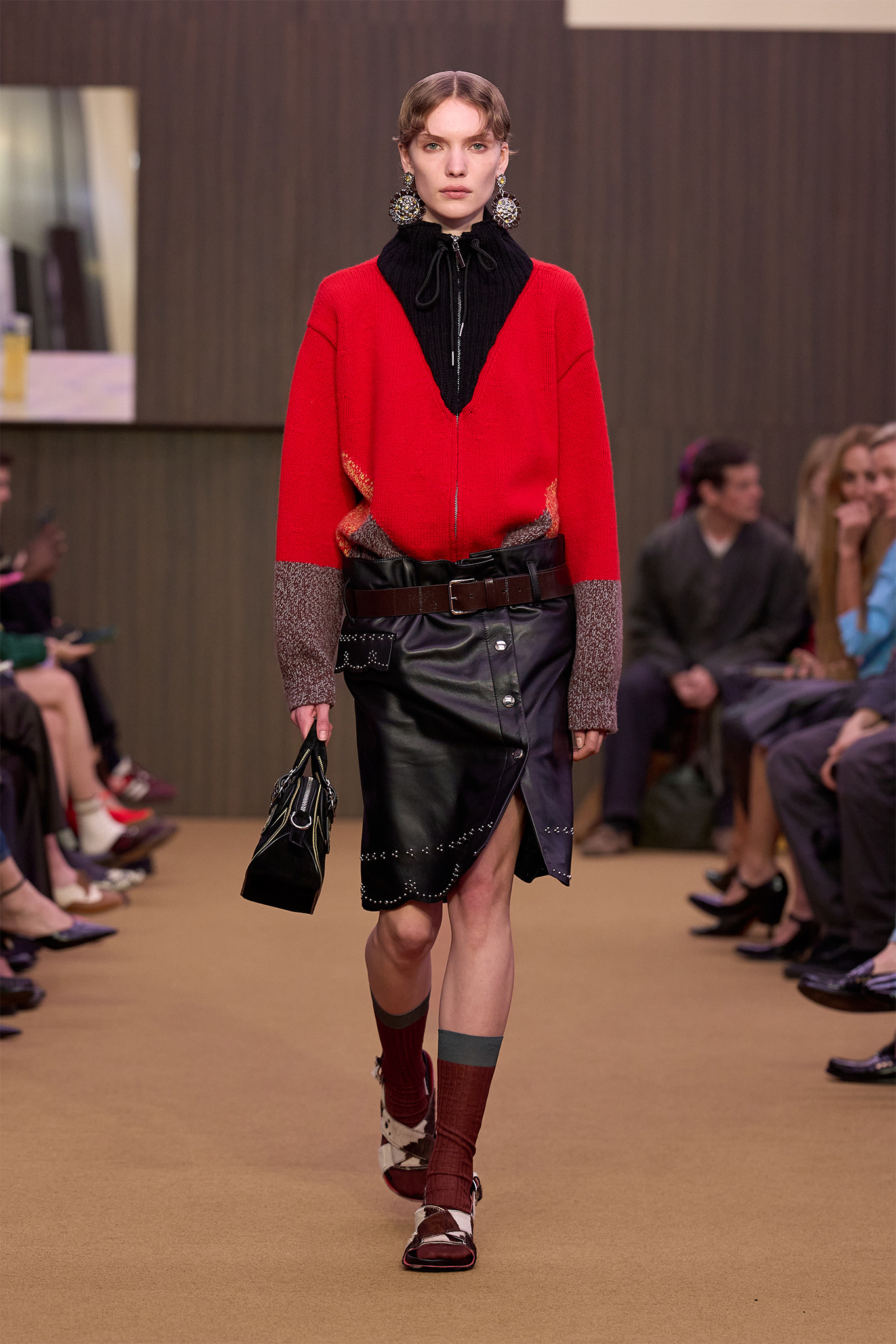
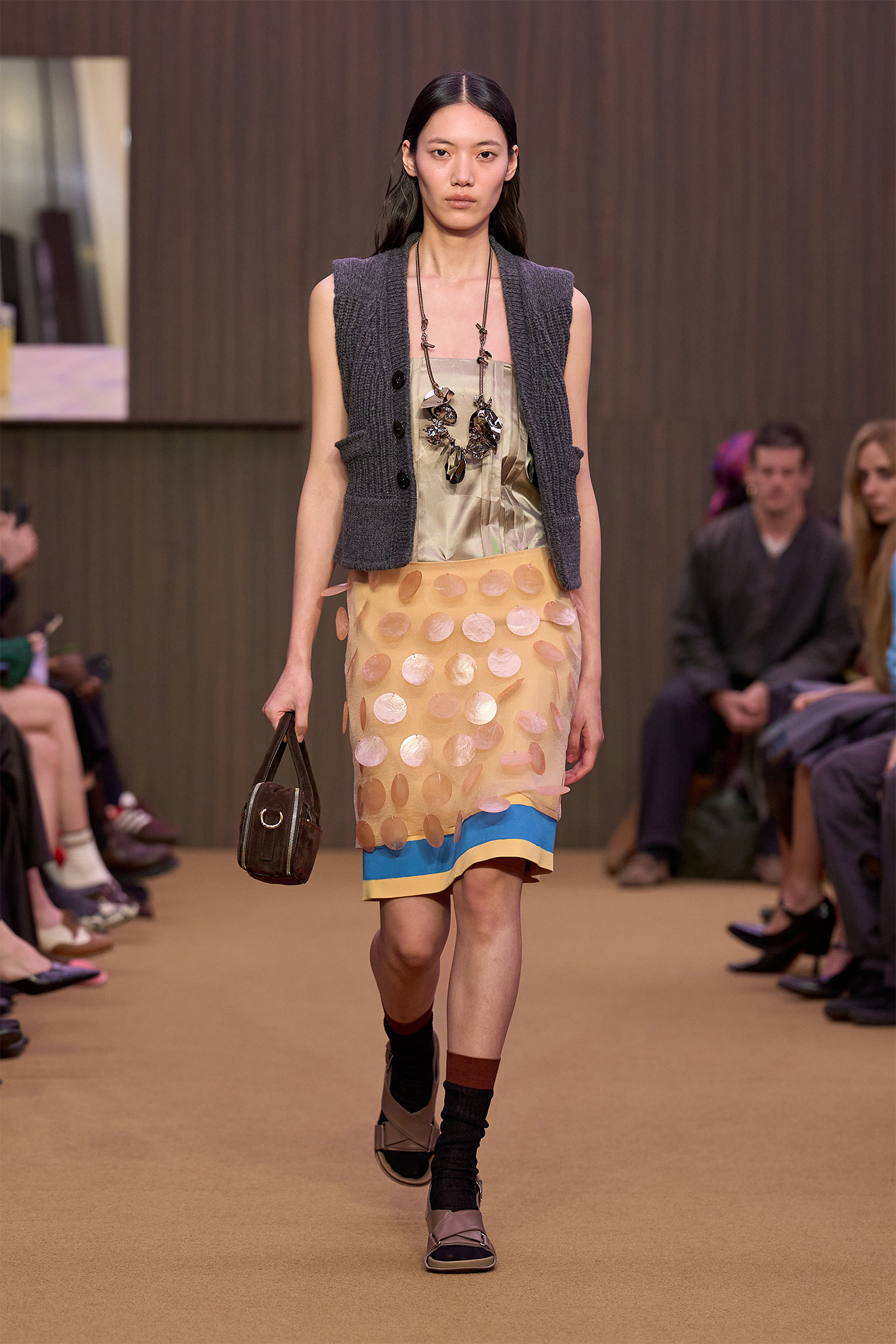
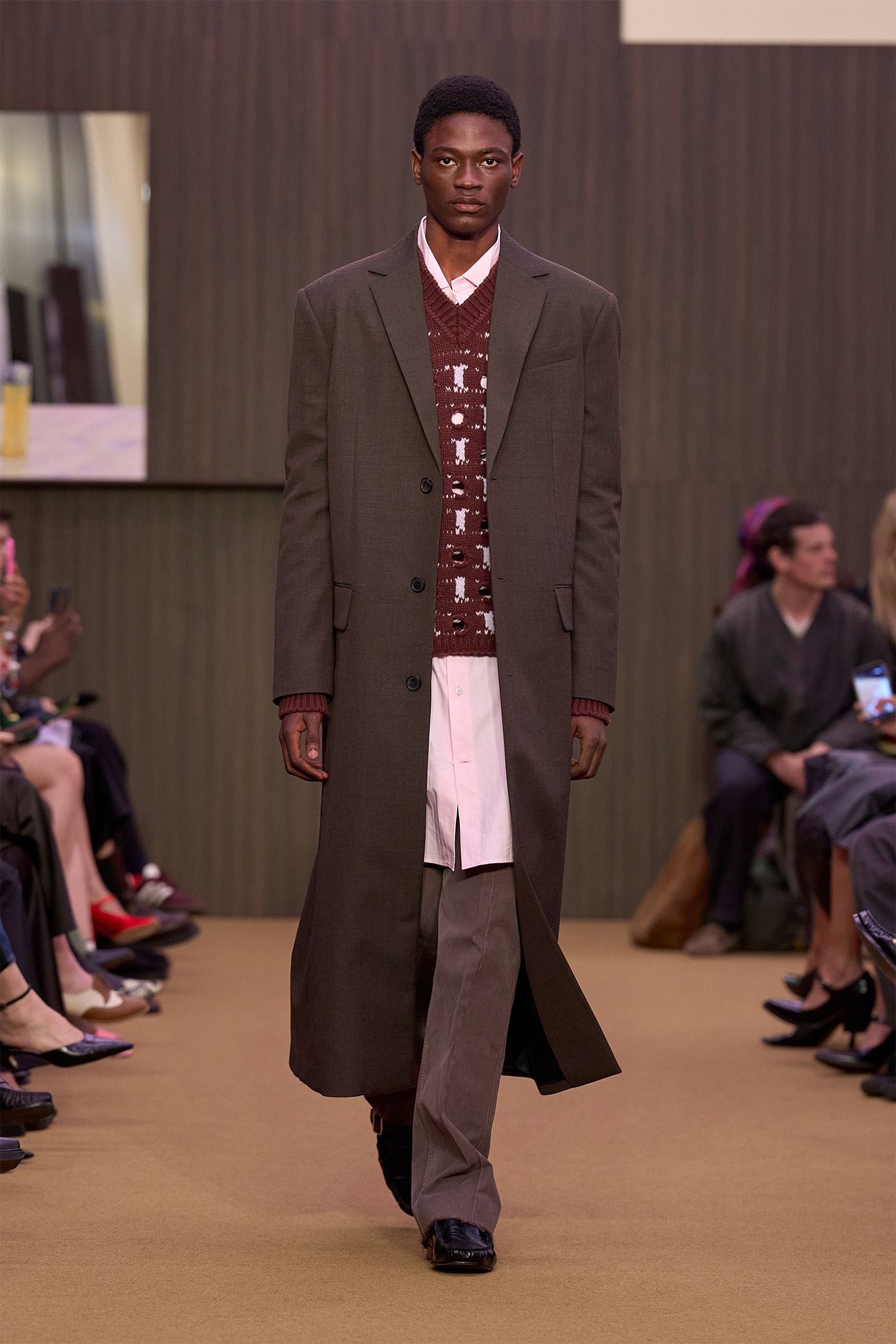
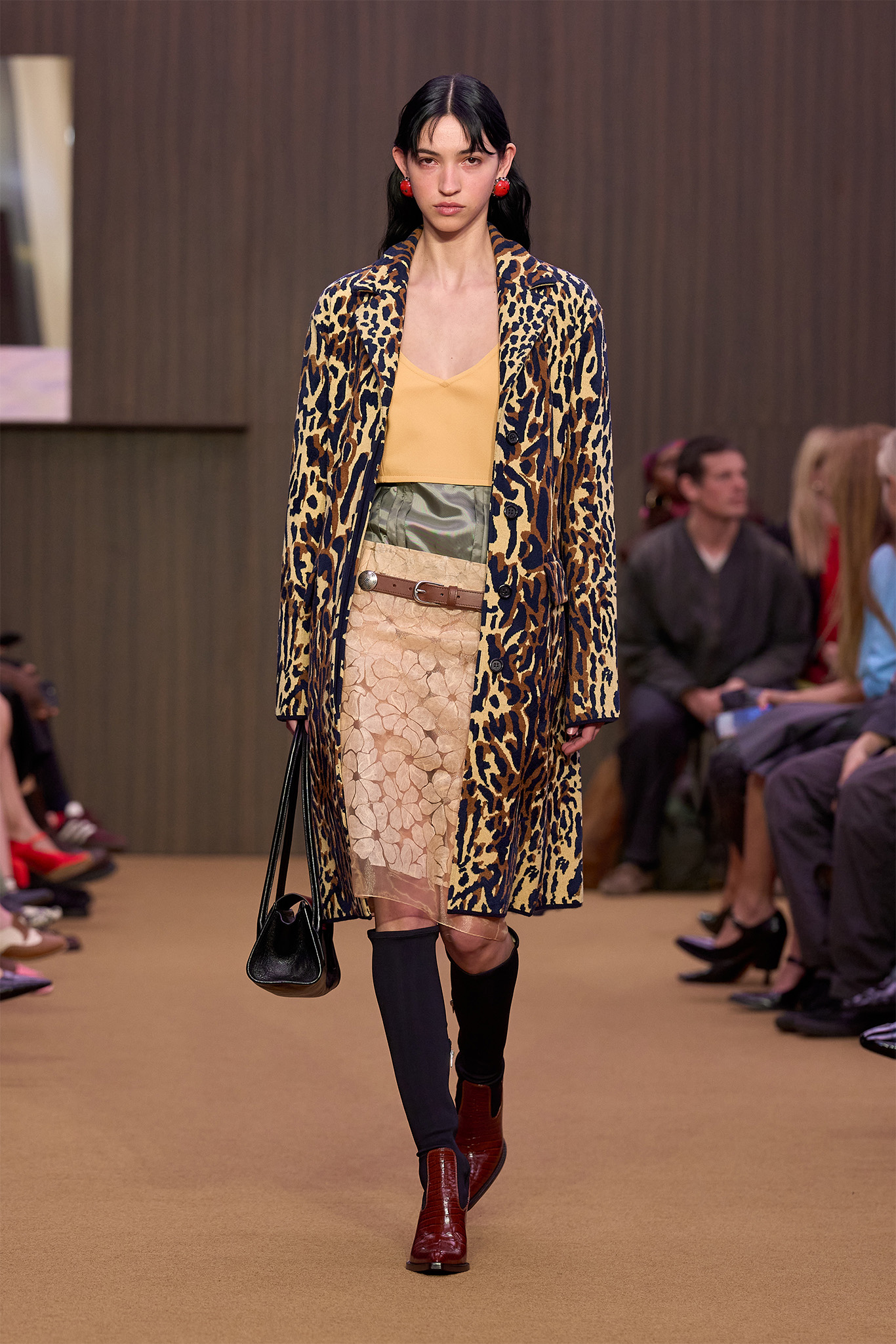
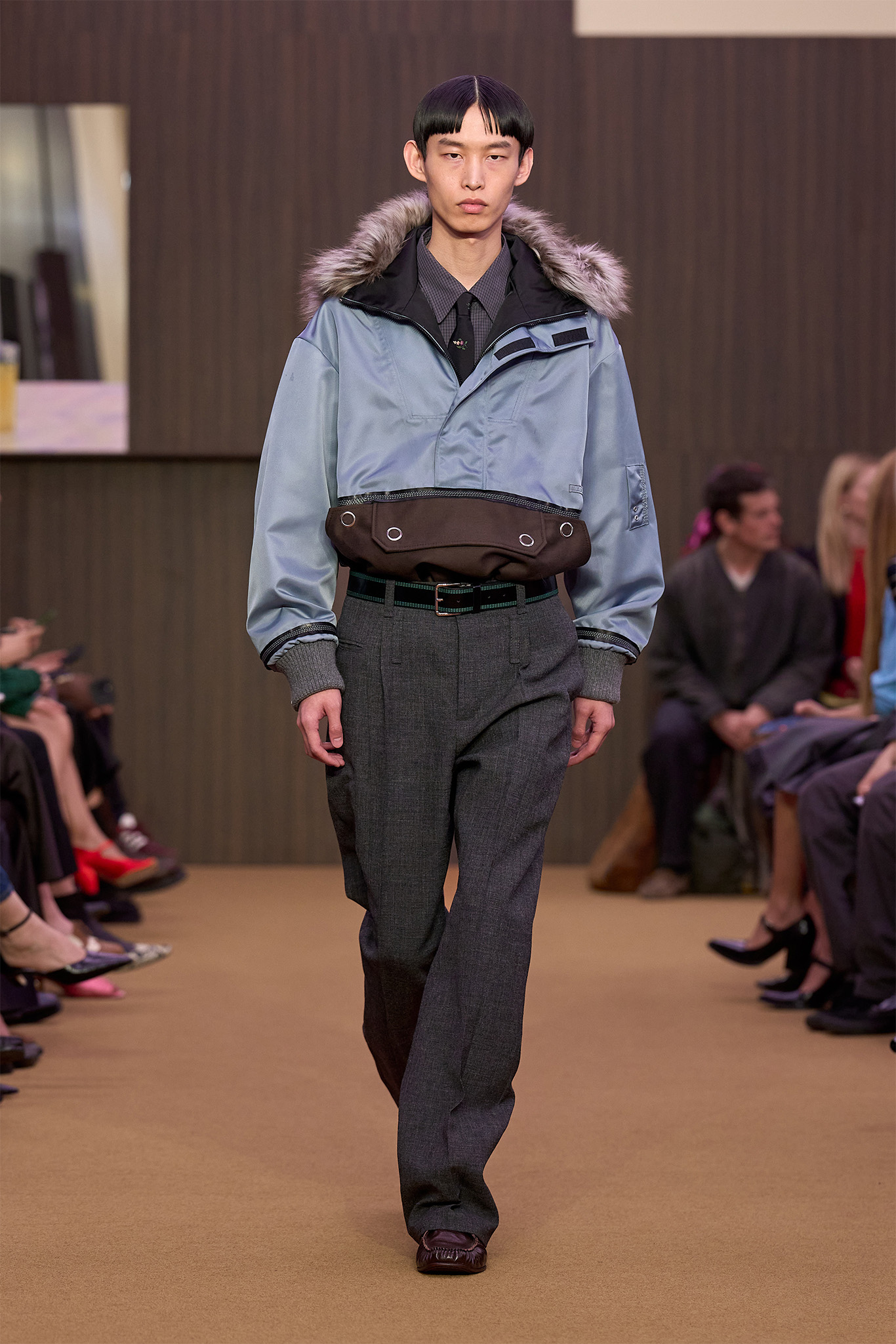
Maria Grazia Chiuri’s debut at Fendi might be the buzziest of the week, but Meryll Rogge’s for Marni is the far more compelling one. Not just because there is colour and a sense of character, but also a recognition of the House’s past, and an understanding on how to move it forward. Under founder Conseulo Castiglioni, the original Marni was intellectual but also fun, artsy without being pretentious. When she left and Francesco Risso took over, the House became a lot more about quirk and extreme eccentricities.
Rogge’s first collection recalibrates the brand back towards its original identity, but charged with a new energy. It’s there in her use of a streamlined, sportswear-influenced silhouette; in her clever play on proportions—knowing when to drop a waist, or elongate a hemline. It’s also evident in her grasp of Marni-isms—like the brand’s signature spots, which became giant mother-of-pearl pailettes that jingle with each step; the artfully coloured and gradated stripes, the slightly off-kilter ‘70s-flavoured hues. With a few exceptions, Milan Fashion Week can be very classic and buttoned-up—Rogge’s Marni is poised to provide a refreshing counterpoint to that.
PRADA
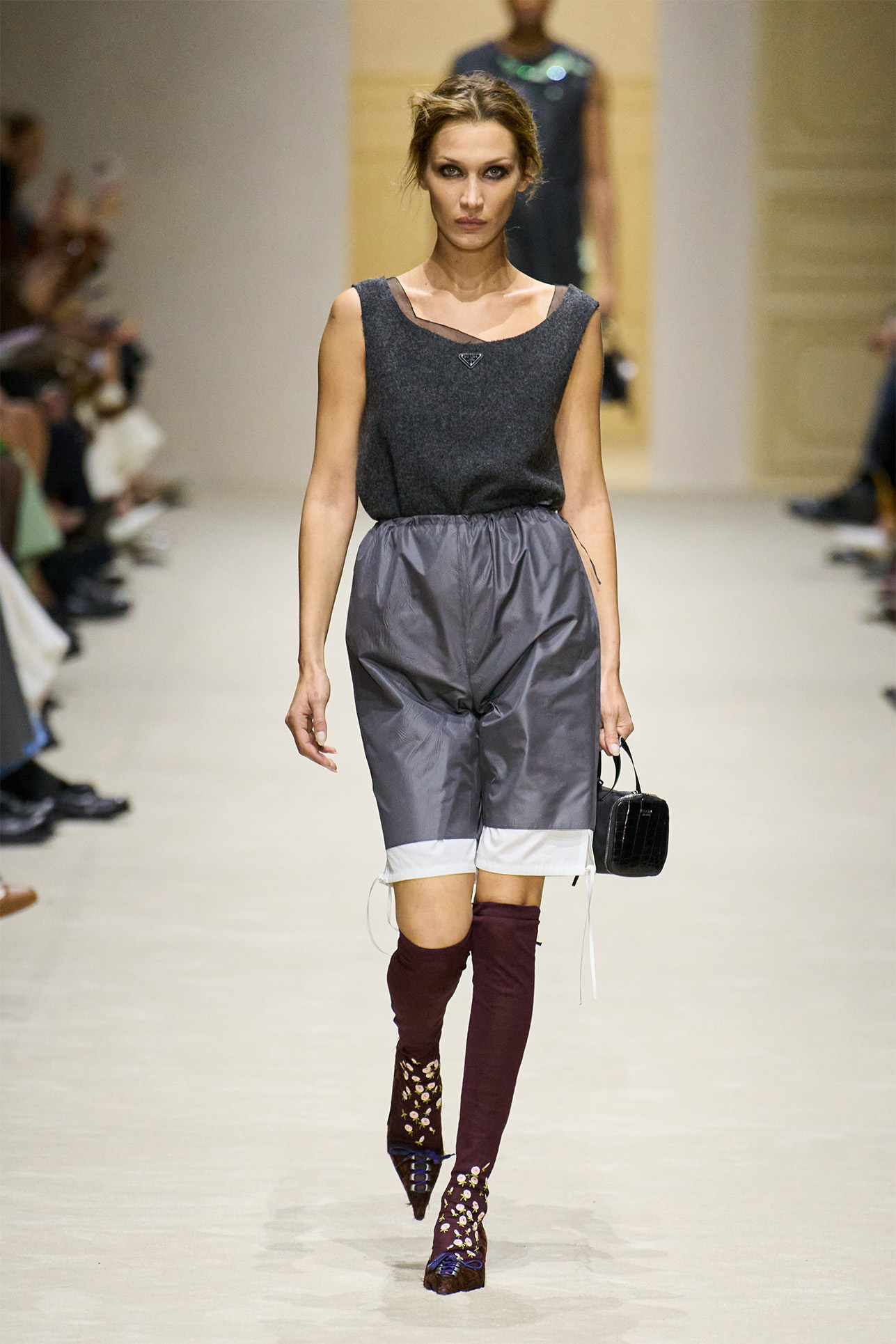
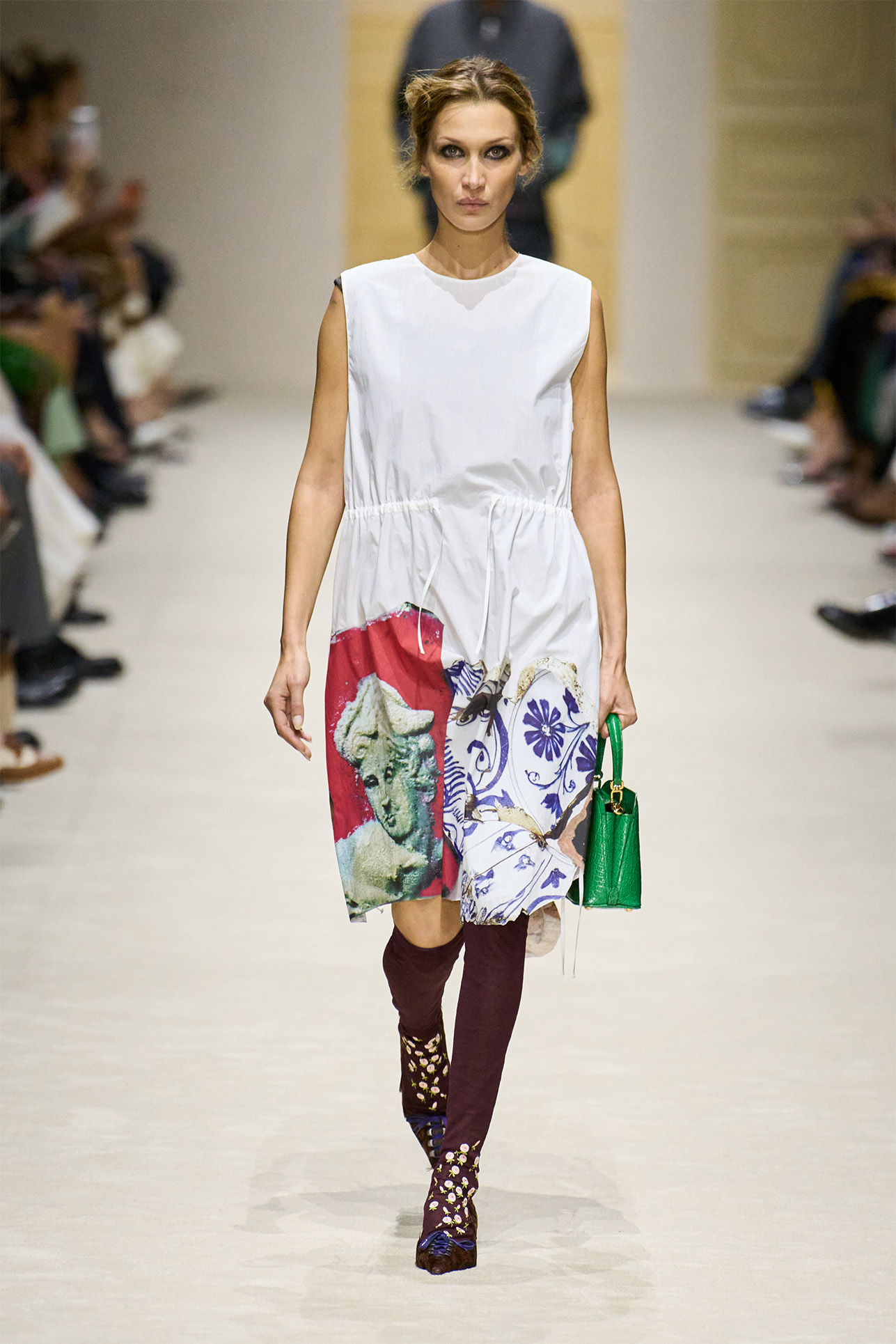
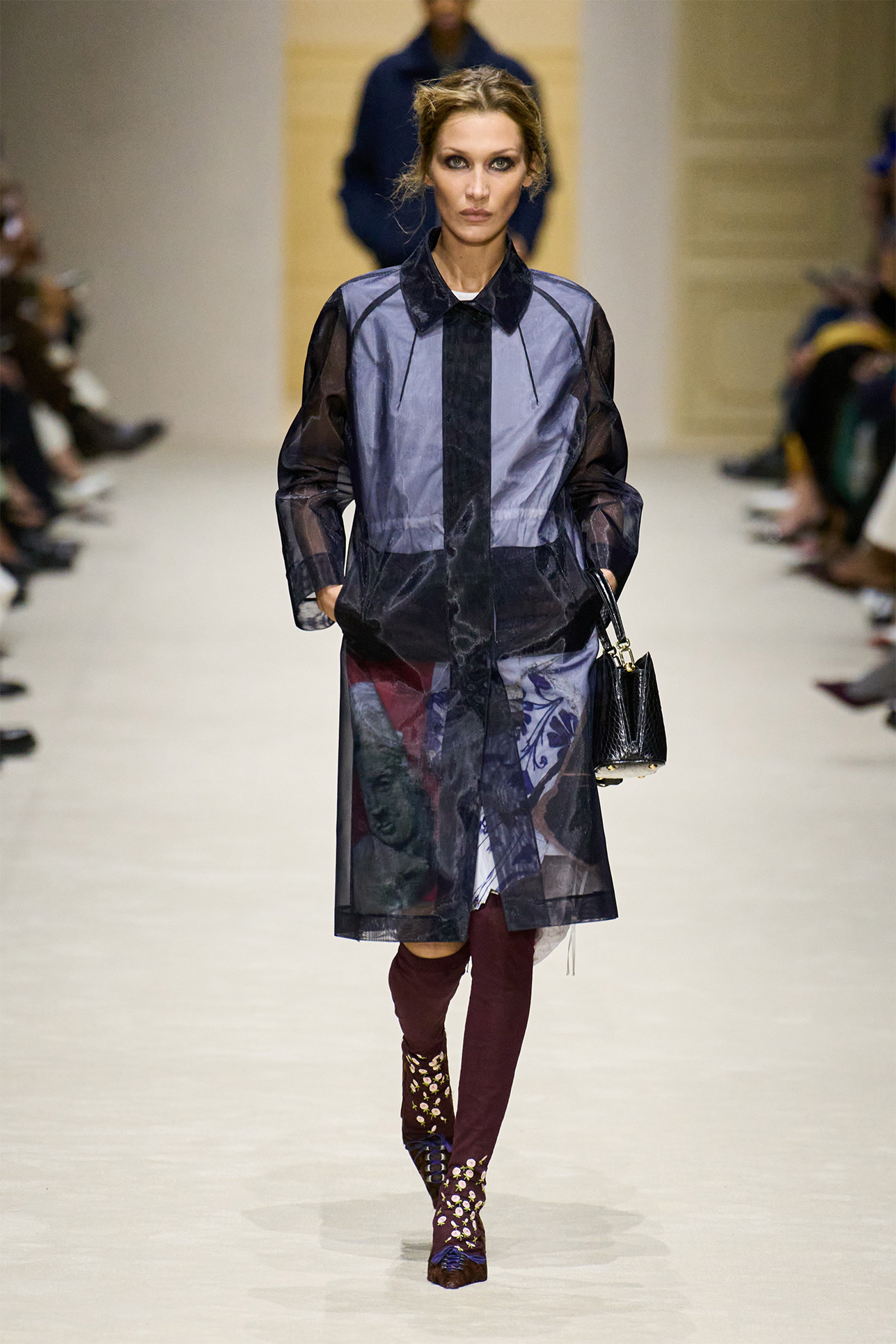
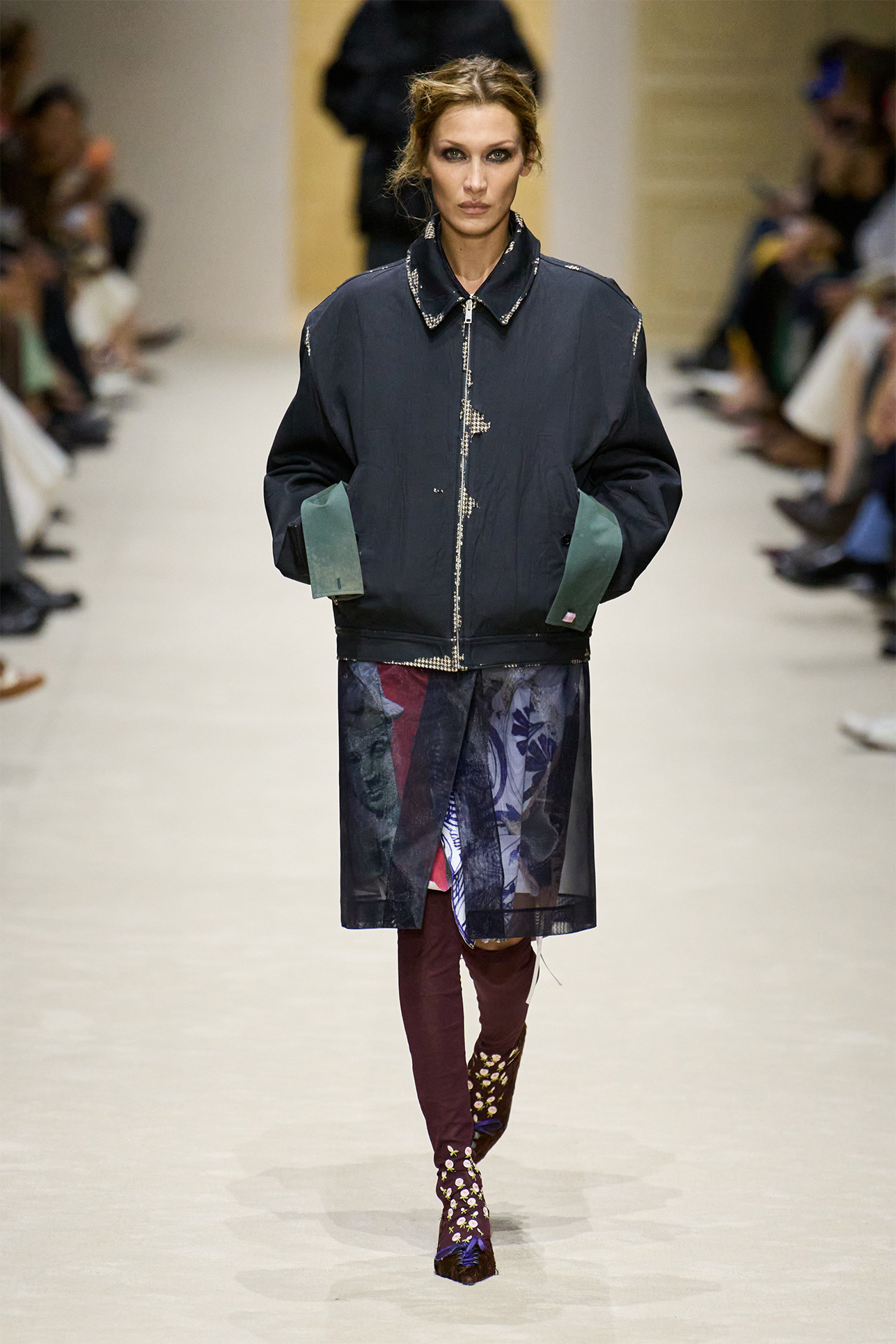
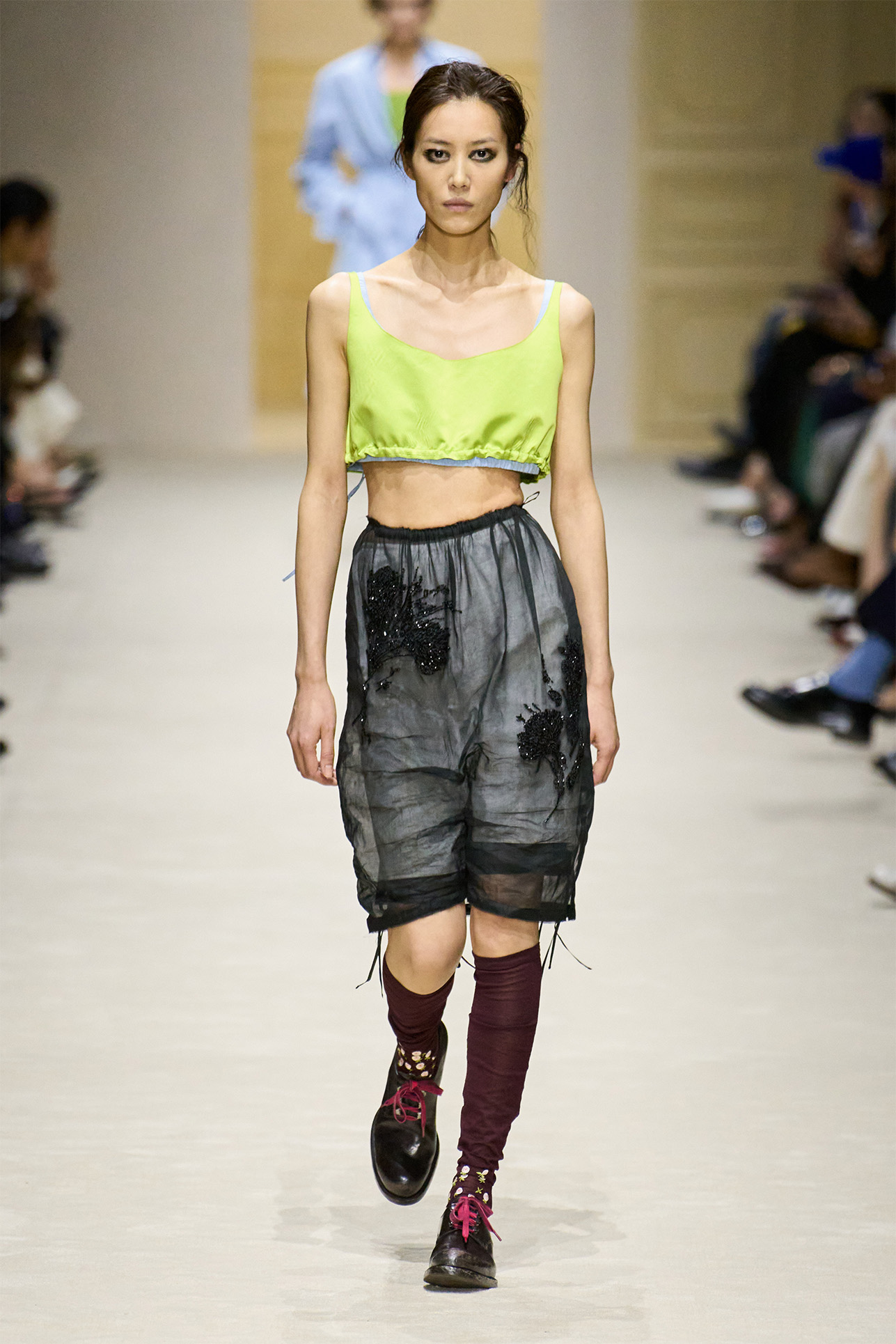
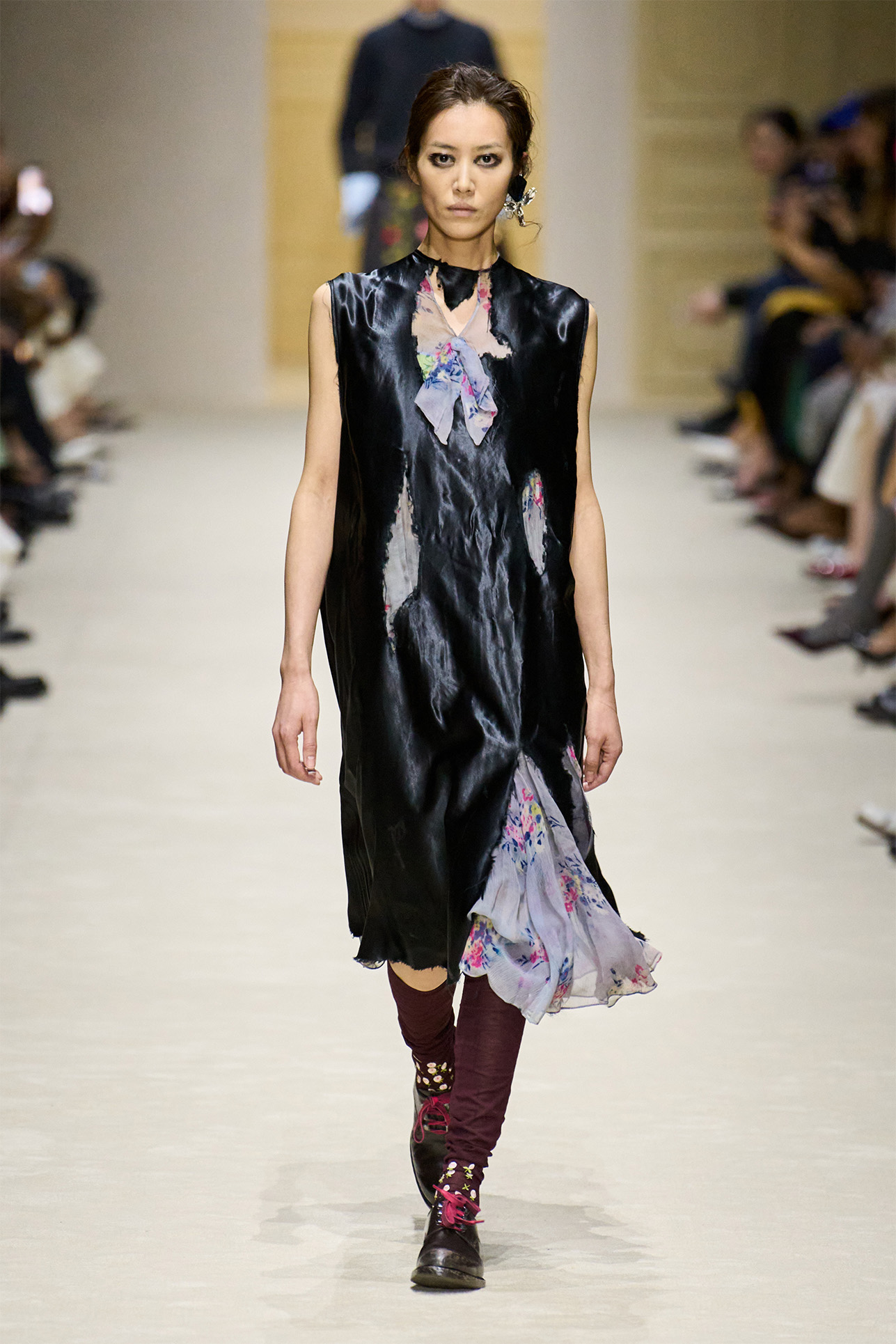
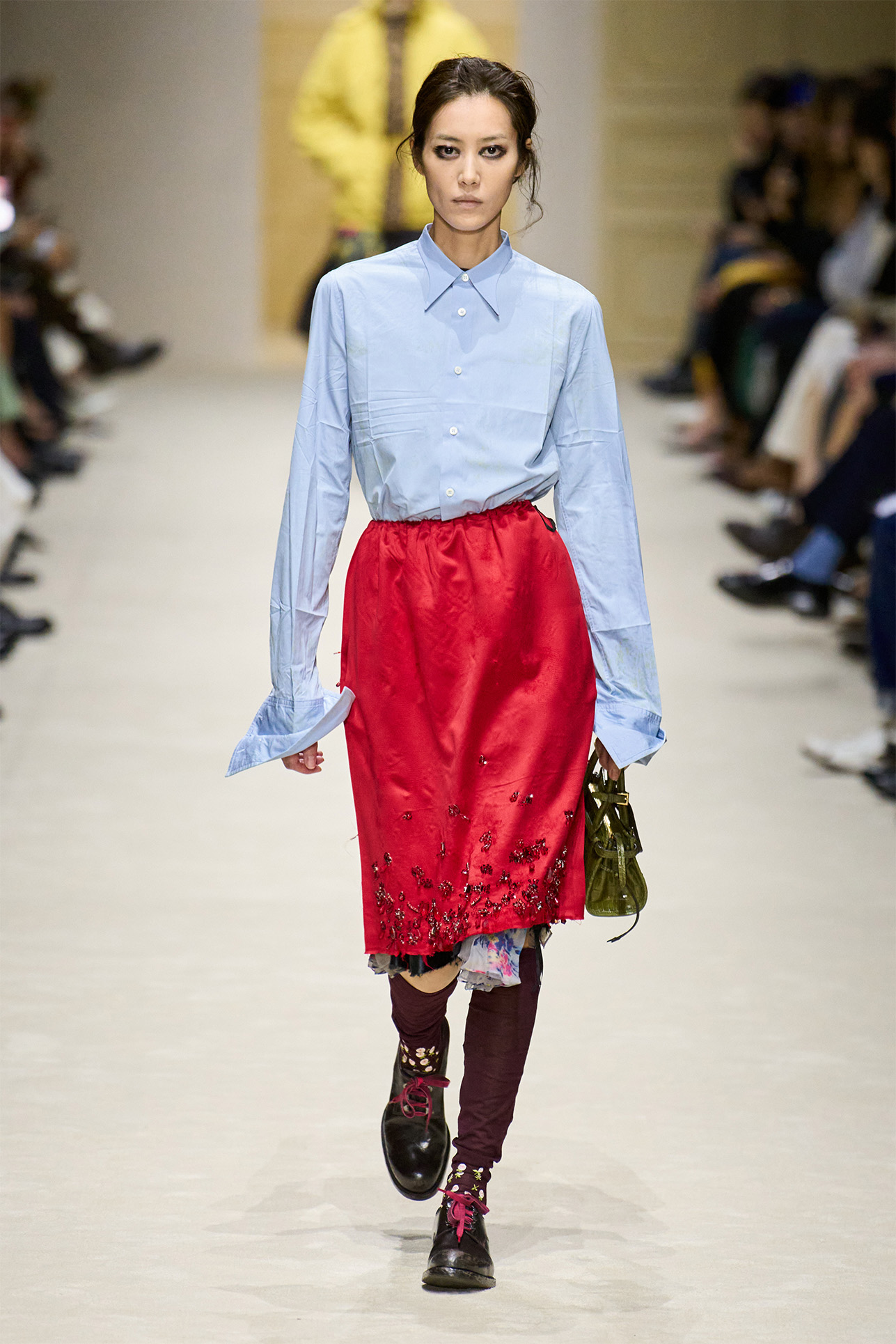
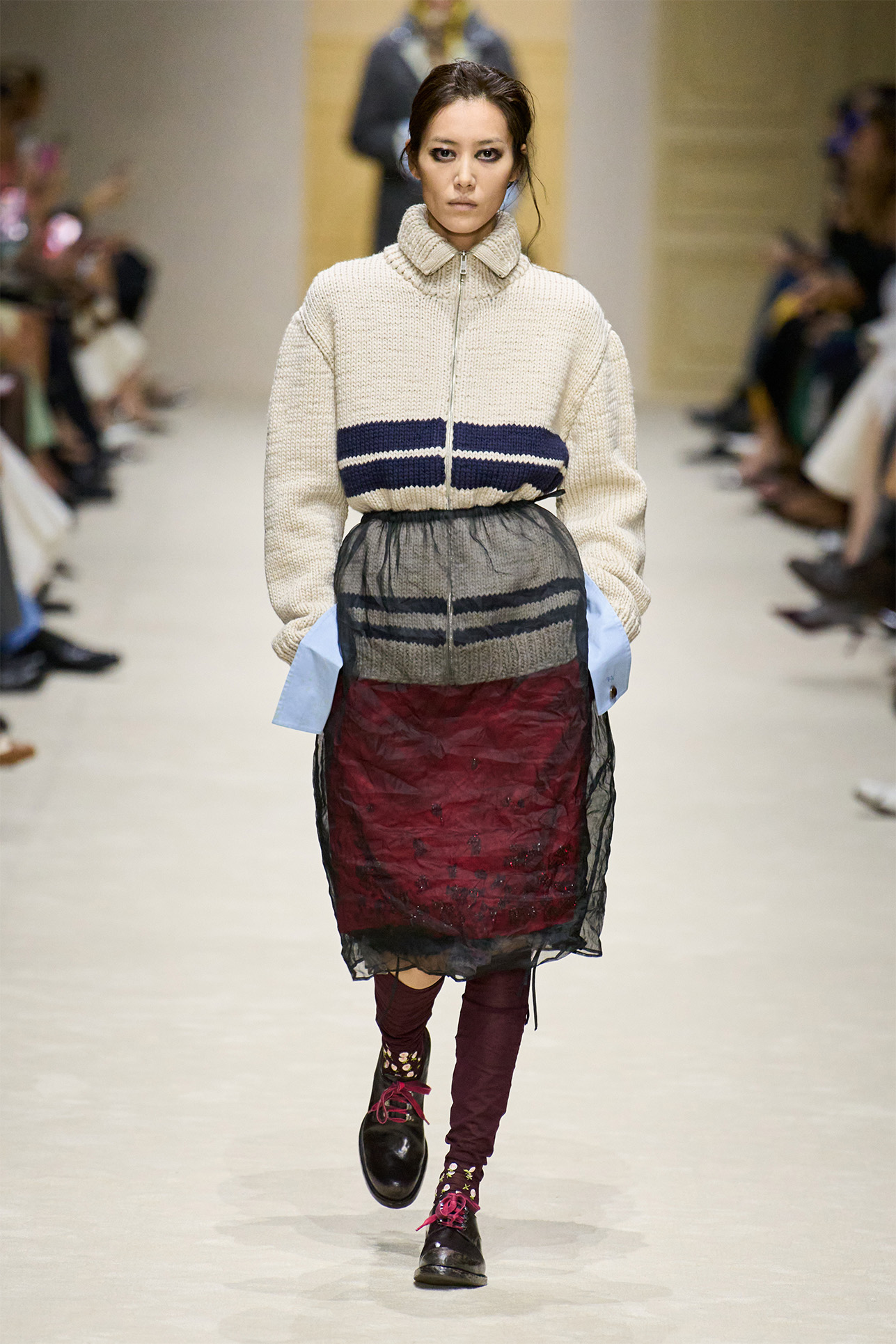
Once again, leave it to Prada to come up with the week’s most emotionally and intellectually stirring show. 15 women, 4 exits each, a total of 60 looks built atop and under one another. It’s an ingenious concept—not because it’s gimmicky, but because it actually mirrors and captures the way women dress today. Layered, considered, sometimes spontaneous, always multifaceted—the collection reflects the things we take into consideration when we get dressed, be it the time of day, the occasion, the personality we want to inhabit or project. Sometimes, you throw something on: at another time, you might take one thing off.
In the hands of Miuccia Prada and Raf Simon, each look contains multitudes. Every model first came out in something protective—a suit, a coat, a chunky knit, a leather jacket. With each appearance, they shed another layer, revealing the riches and the contradictions underneath. Liu Wen first popped up in a thick knitted zip-up jacket tucked into a sheer black skirt. Under the black was a flash of scarlet. When she next emerged, she was in a blue button-down with extra-long, pre-stained cuffs; that flash of scarlet turned out to be an embroidered silk skirt. When those came off, a black satin sheath was revealed, with parts of its surface dissolved to show the floral smock it had been bonded to. Memories layered upon memories. Finally, when the excavation was complete, all that remained were bras and bloomers—though even the latter were veiled under one last sheer black layer. This is more than fashion and styling; it’s how a woman moves through the world—adding, subtracting or adapting wherever and whenever needed.
JIL SANDER
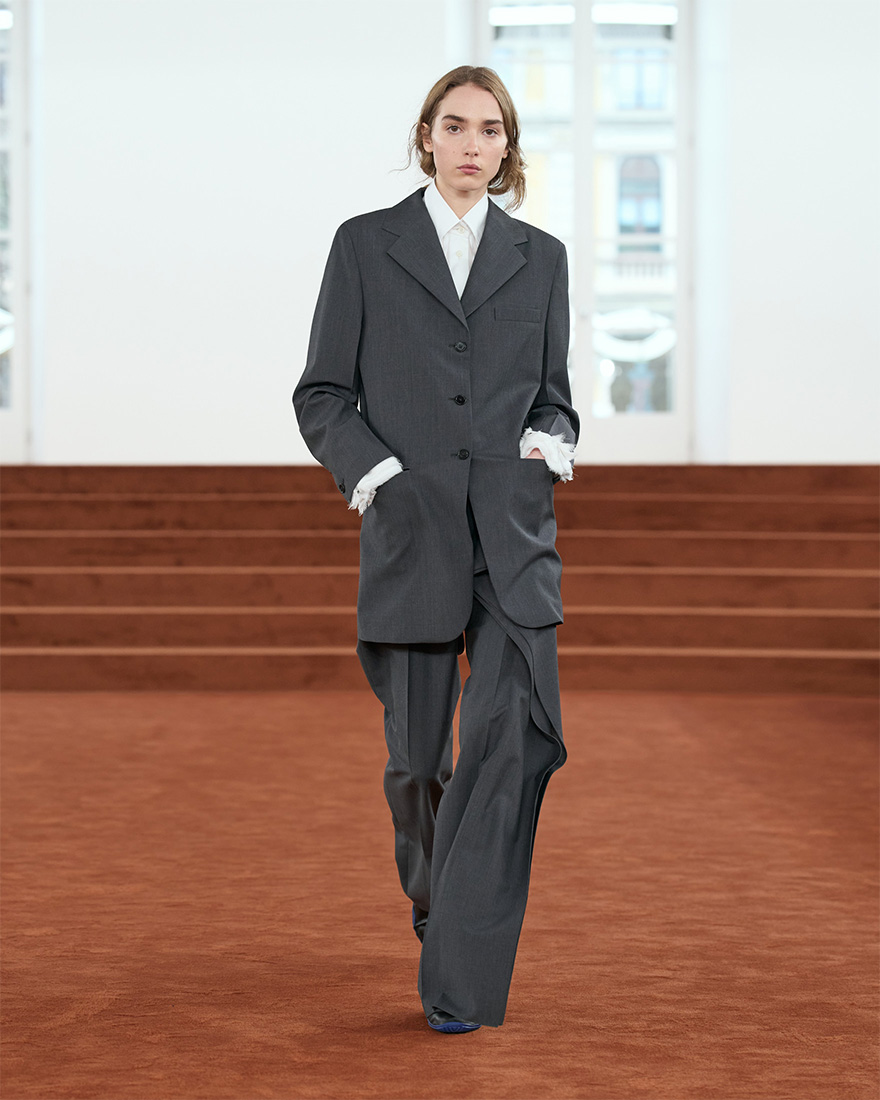
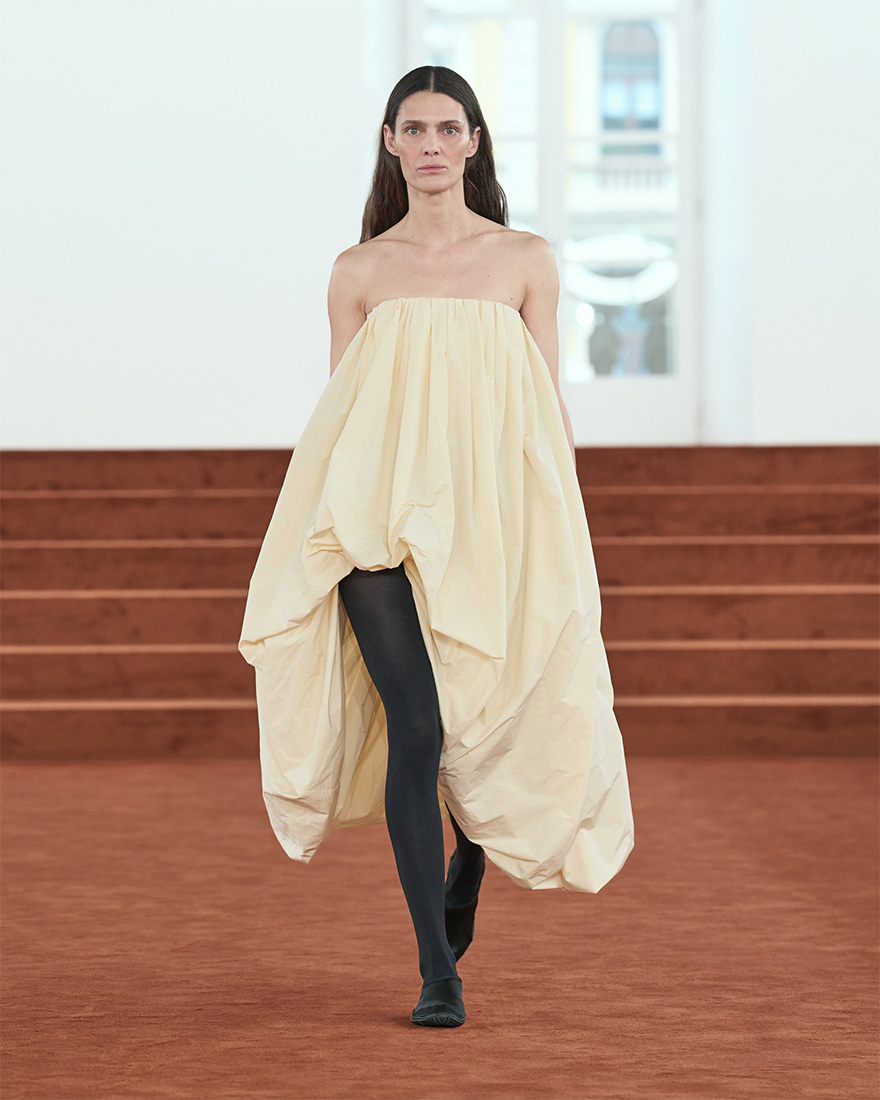
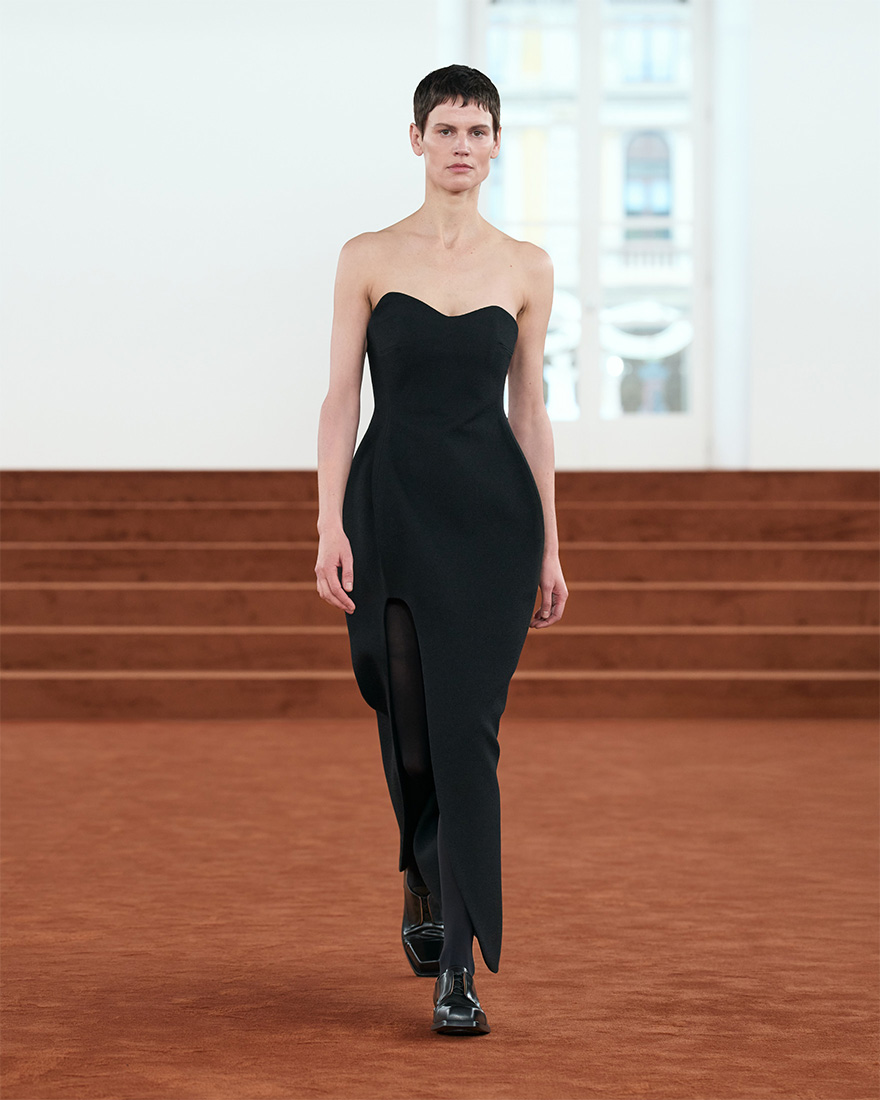
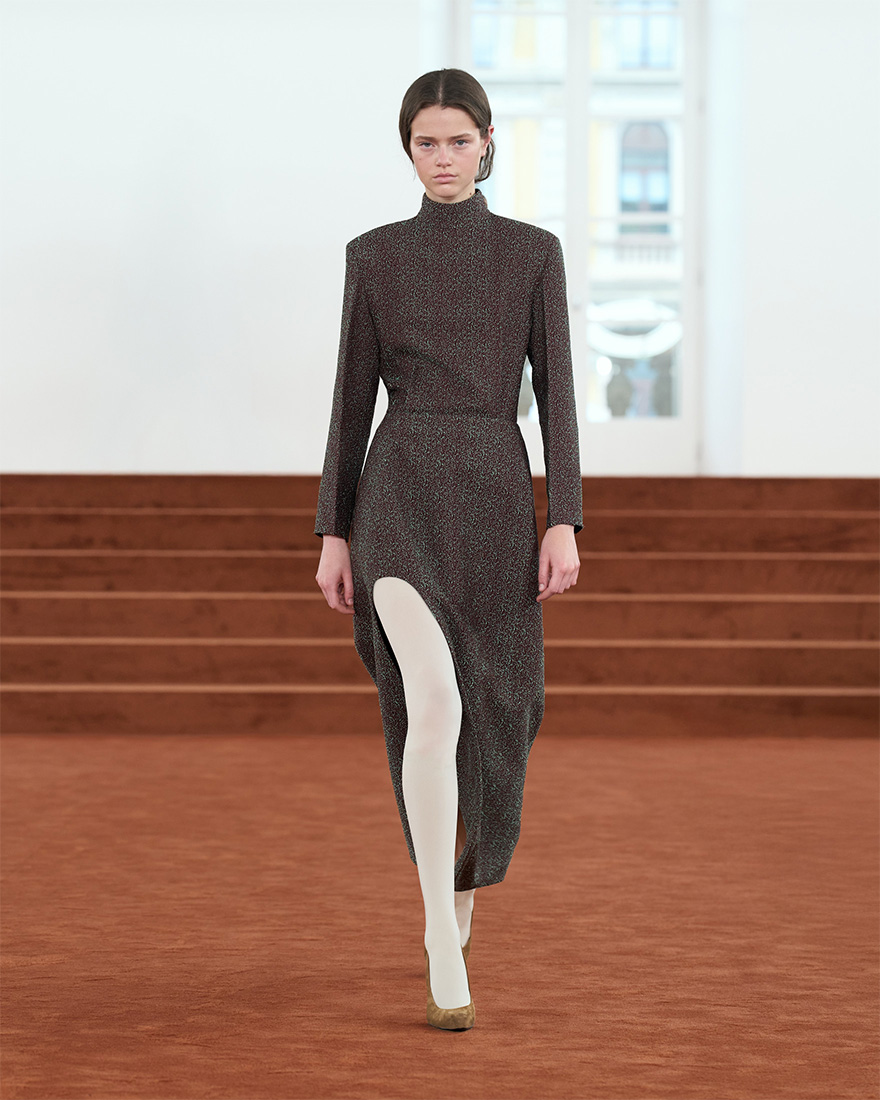
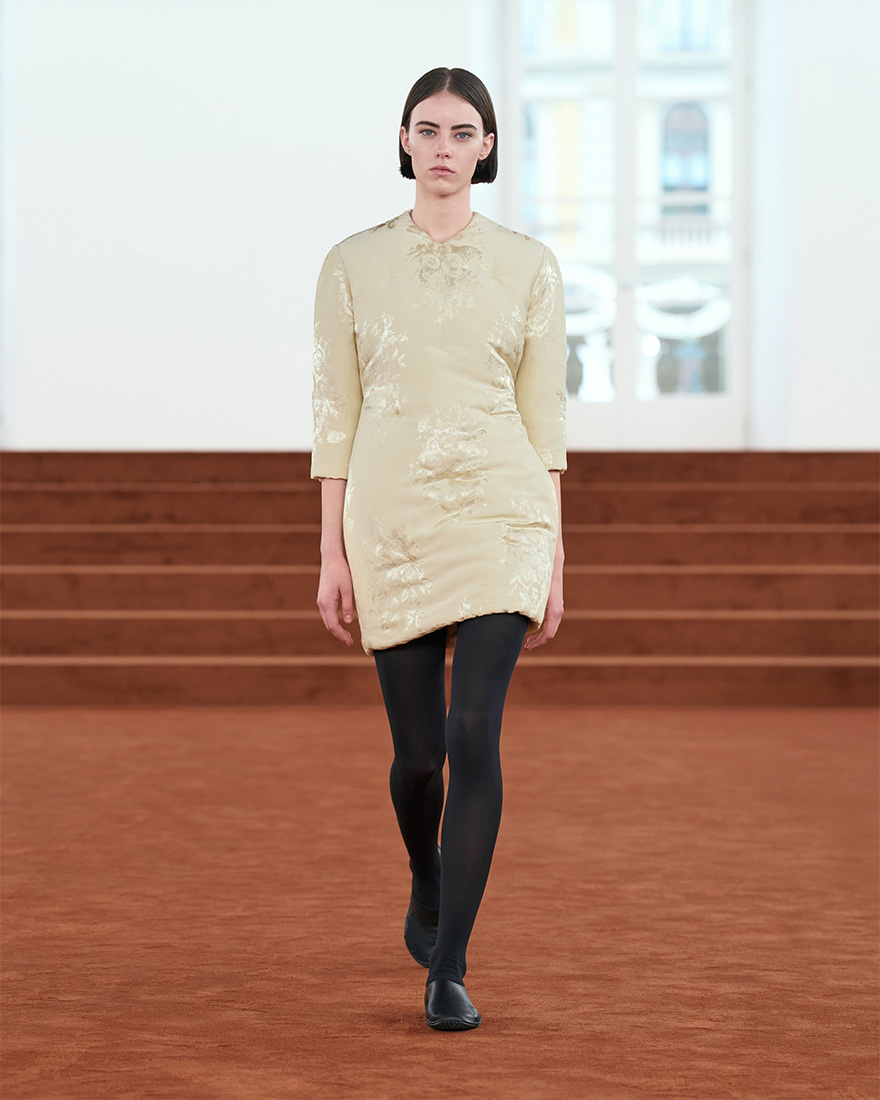
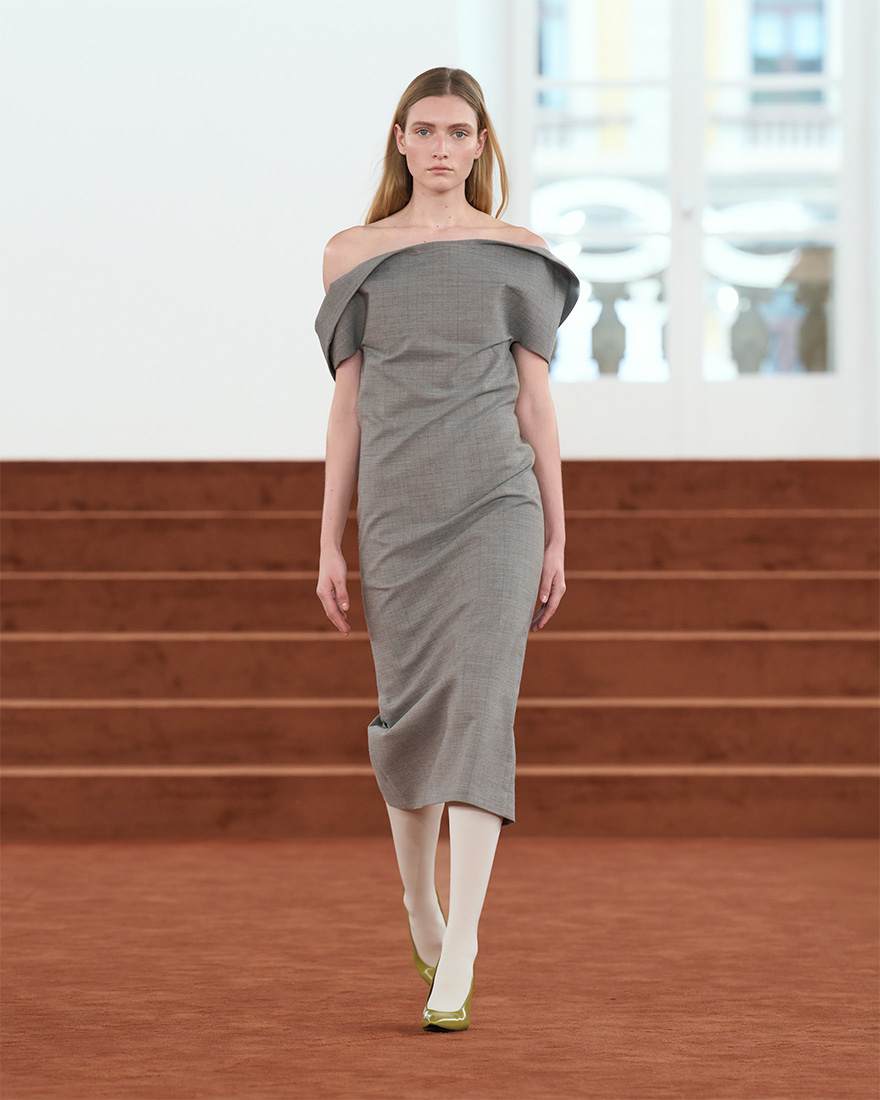
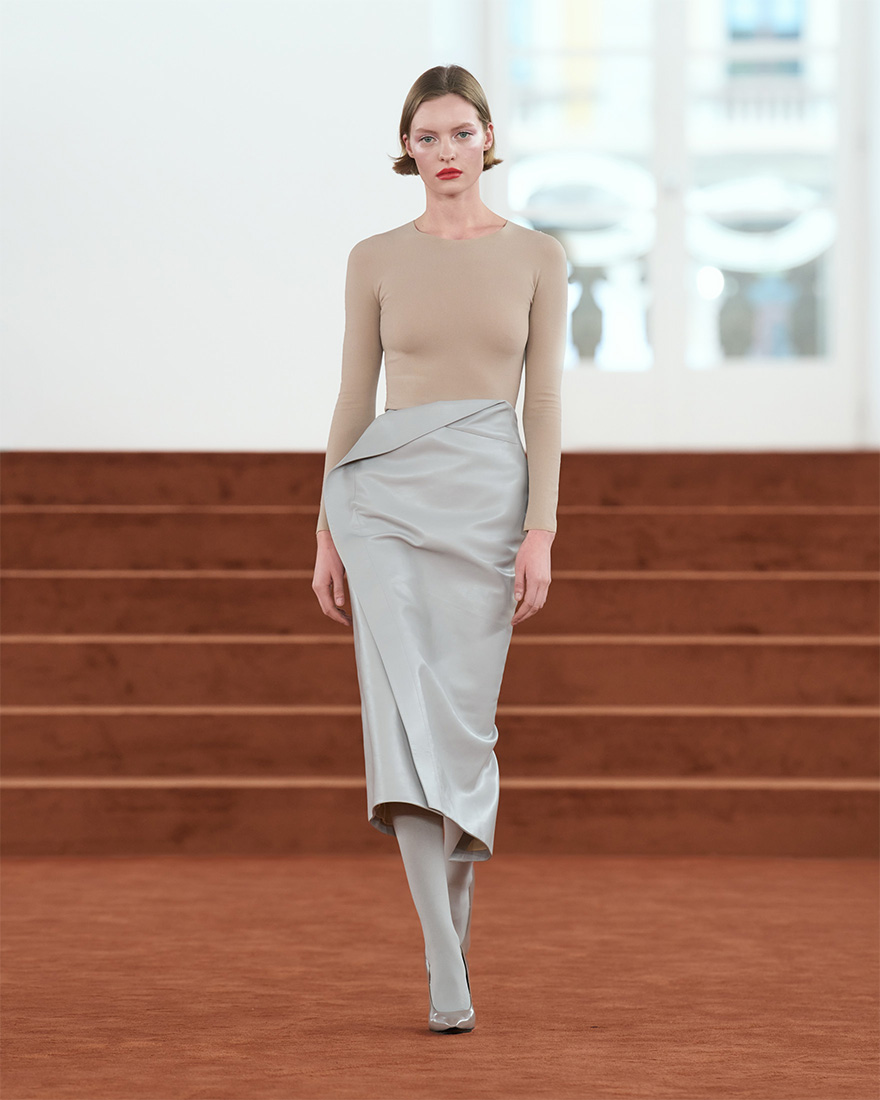
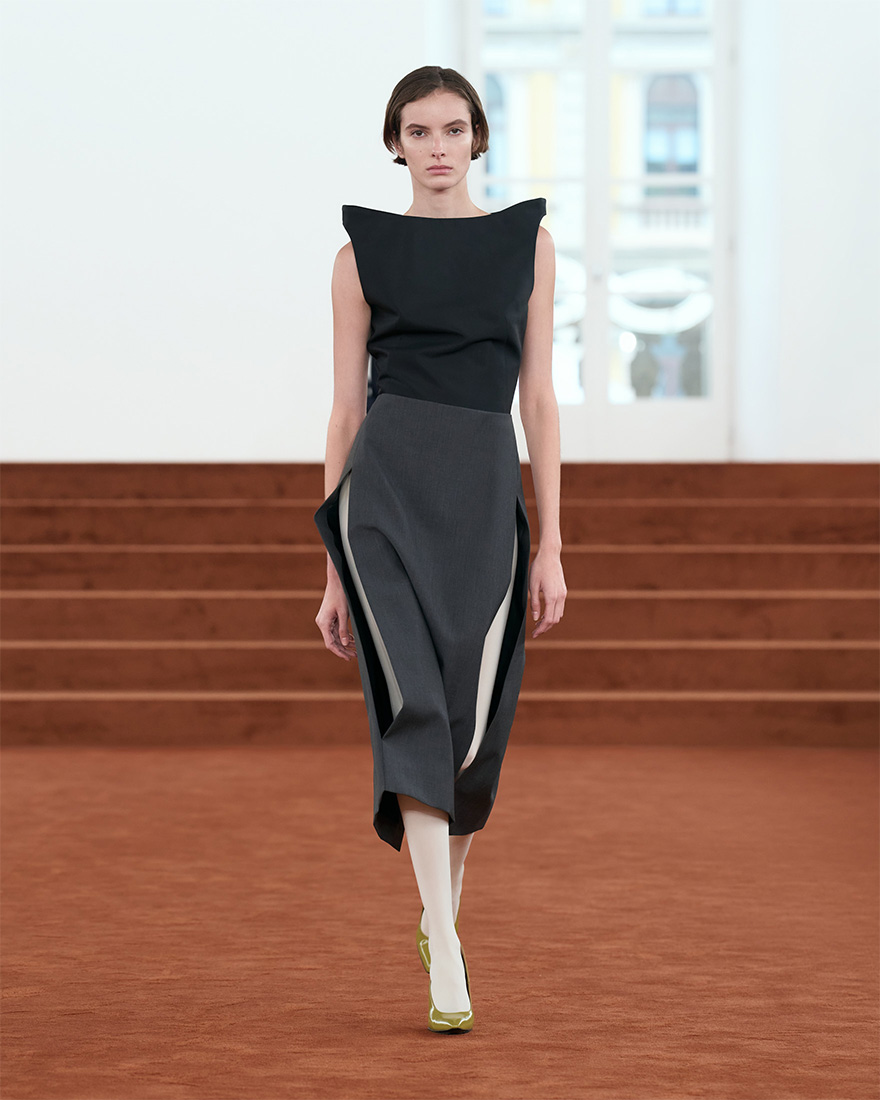
This season, Simone Bellotti explored the idea of house and home. After all, a fashion brand is always referred to as a House. The most literal interpretation of this idea came through in the upholstery and chintzy textiles Bellotti used, but he also went deeper than just surface statements. As a House, Jil Sander has always been about reduction and restraint, but Bellotti was ruminating on how addition and a sense of abandon can still convey that same spirit of essentiality. Where last season was all about clean, straight lines and pure, strict silhouettes, this season there were curves and imperfections. There was movement and a feeling of freedom, of undoneness—conveyed through slashes and slits that offered quick glimpses of what lies beneath; through folds that fly or float or flow; and pieces that peel off or stand away from the body. With this collection, the minimalist language of the House just acquired a very quietly sensual accent.
TOD’S
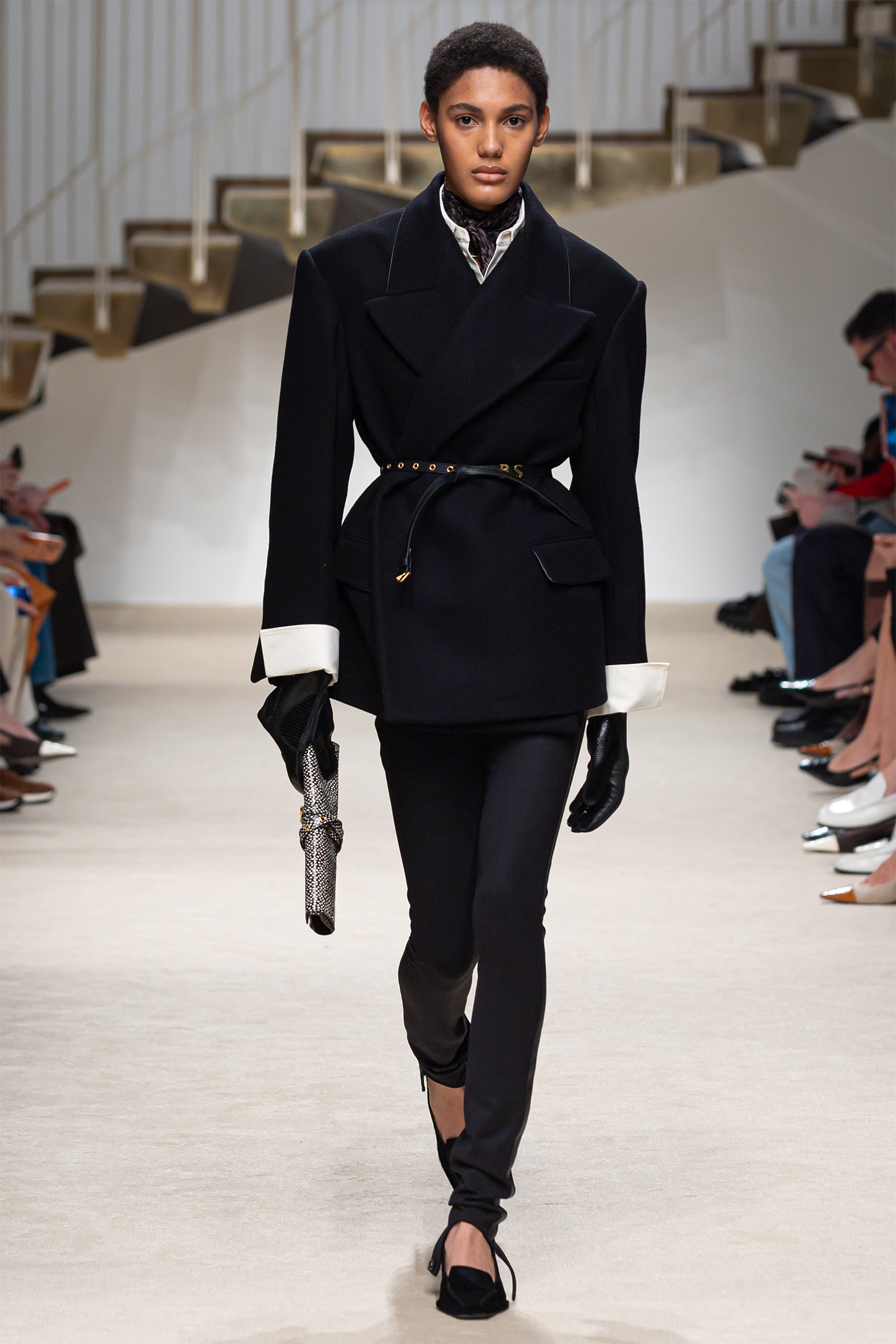
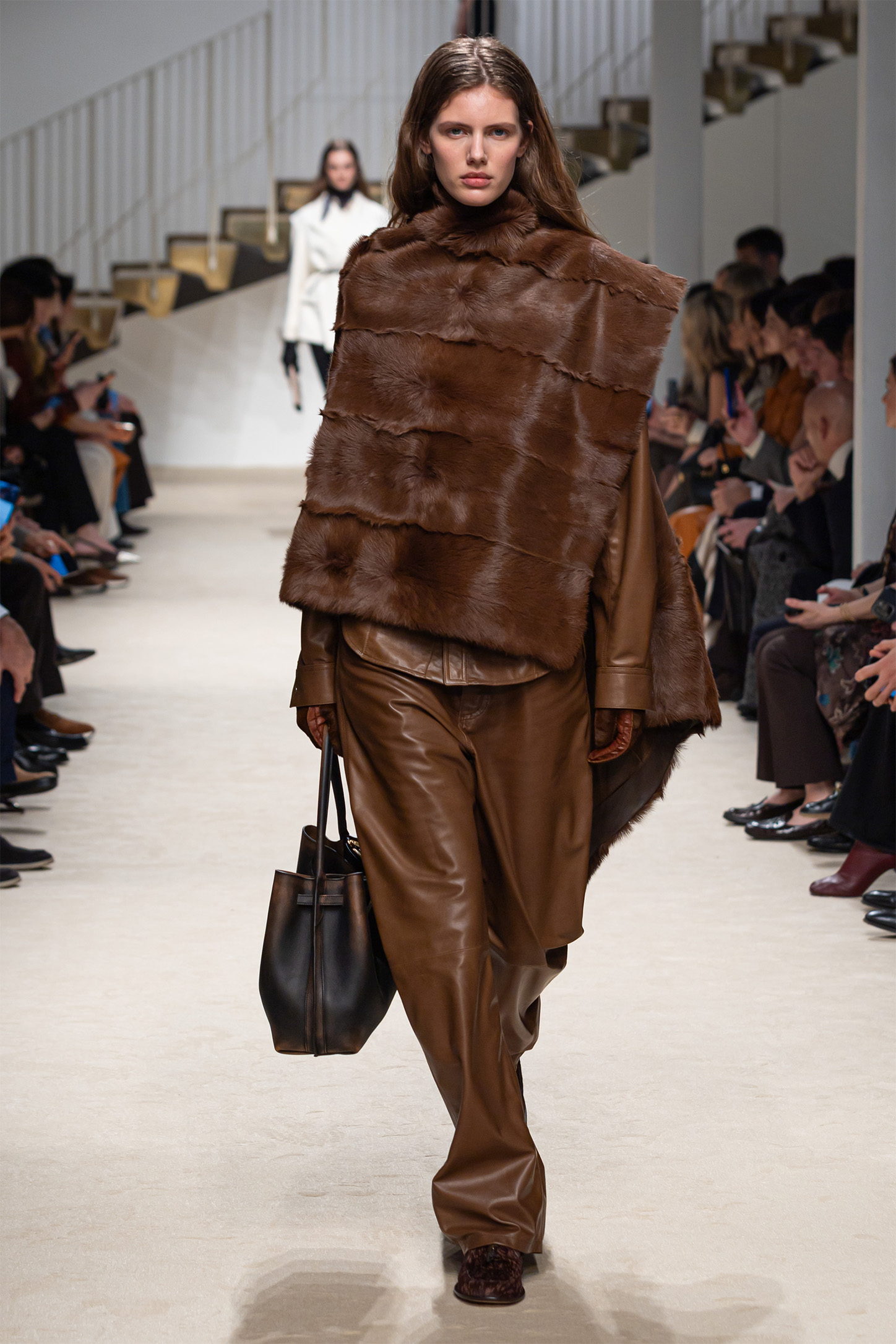
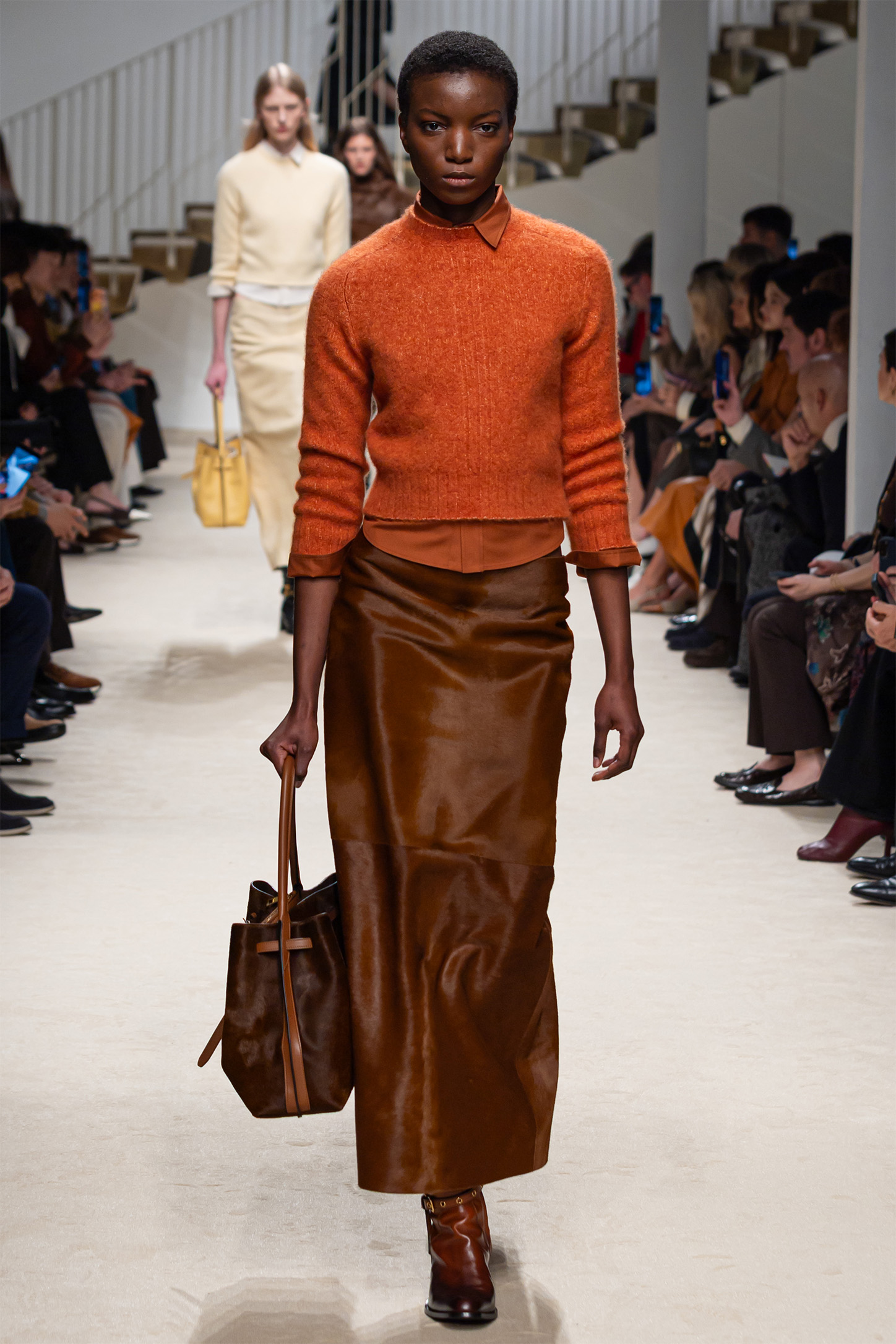
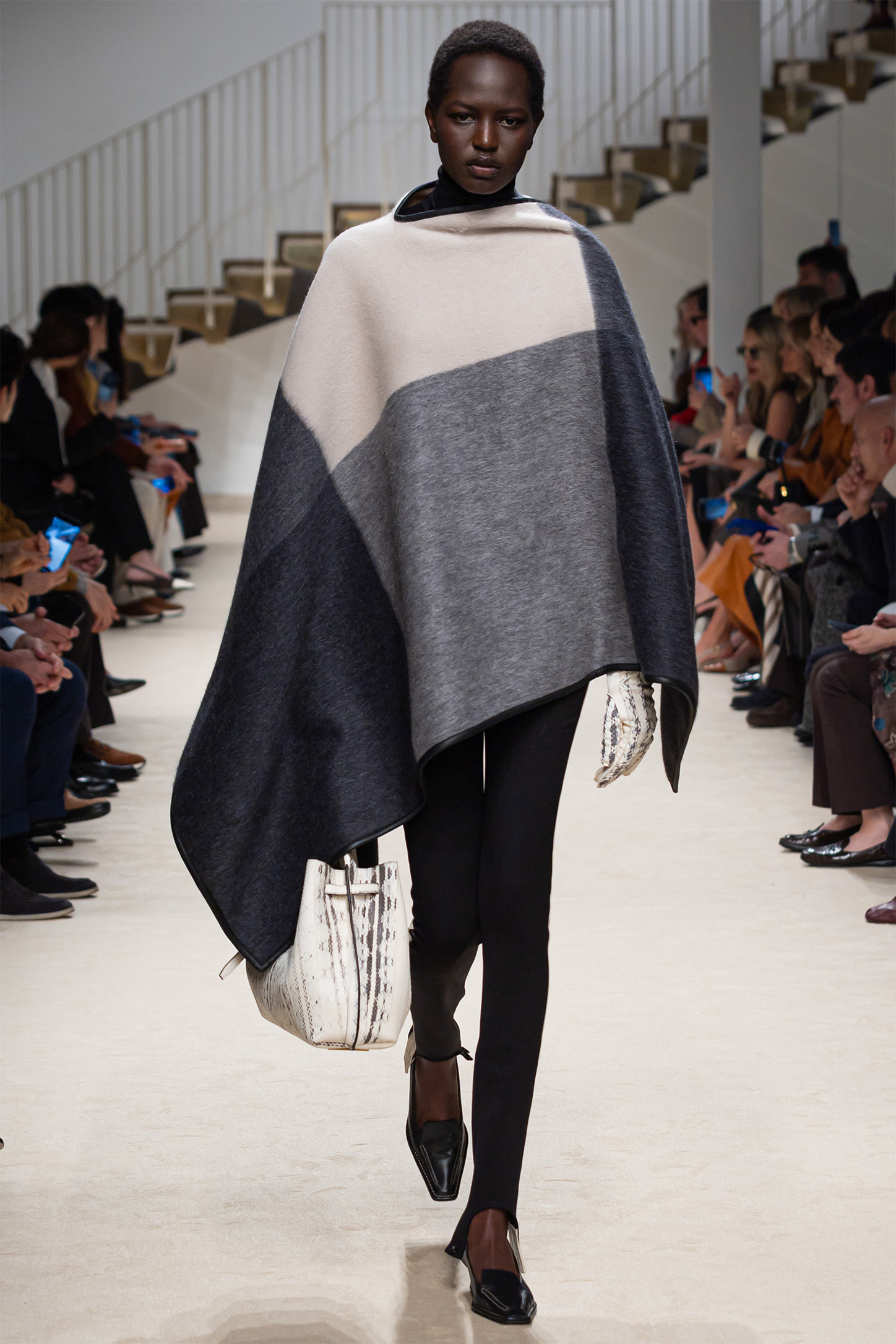
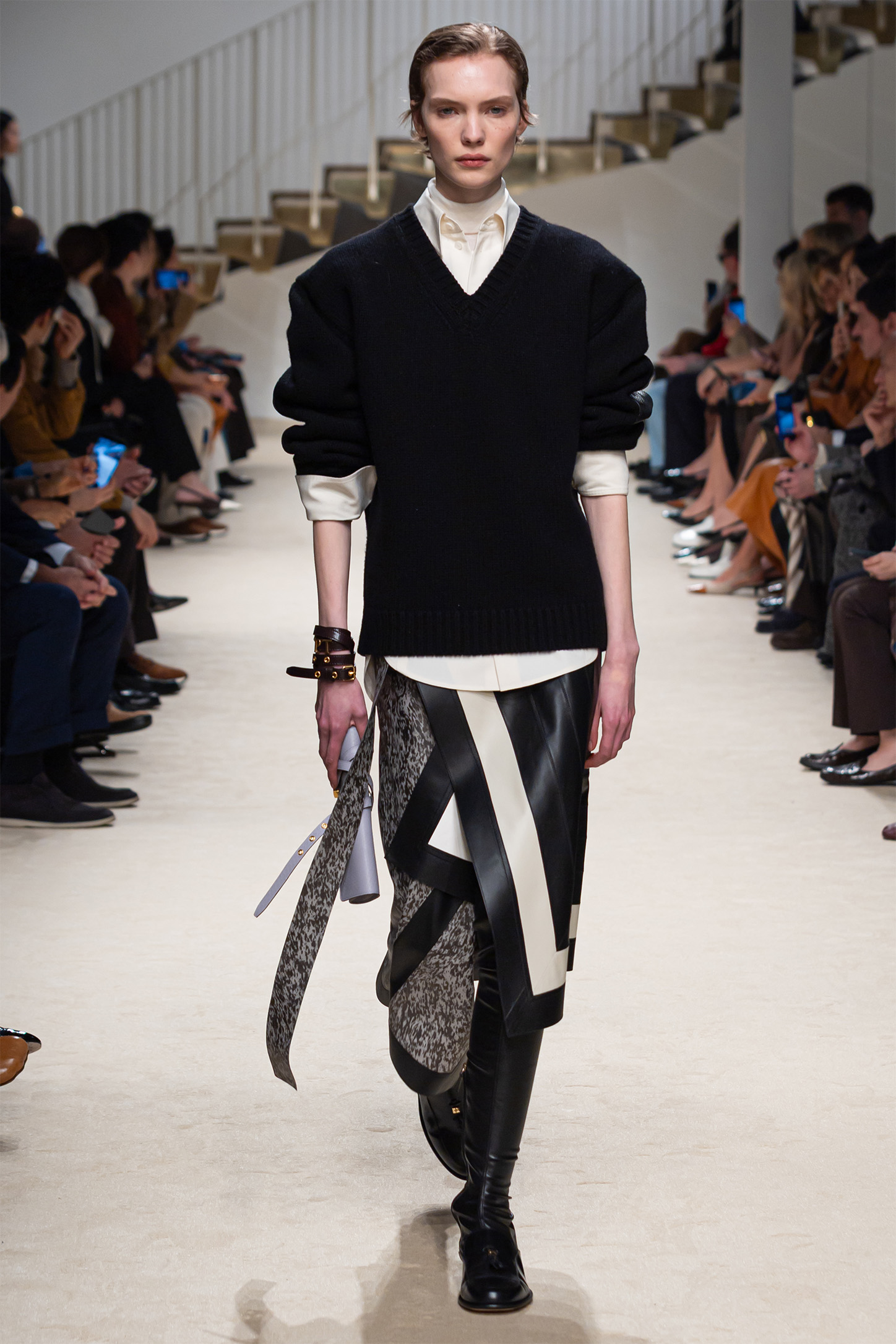
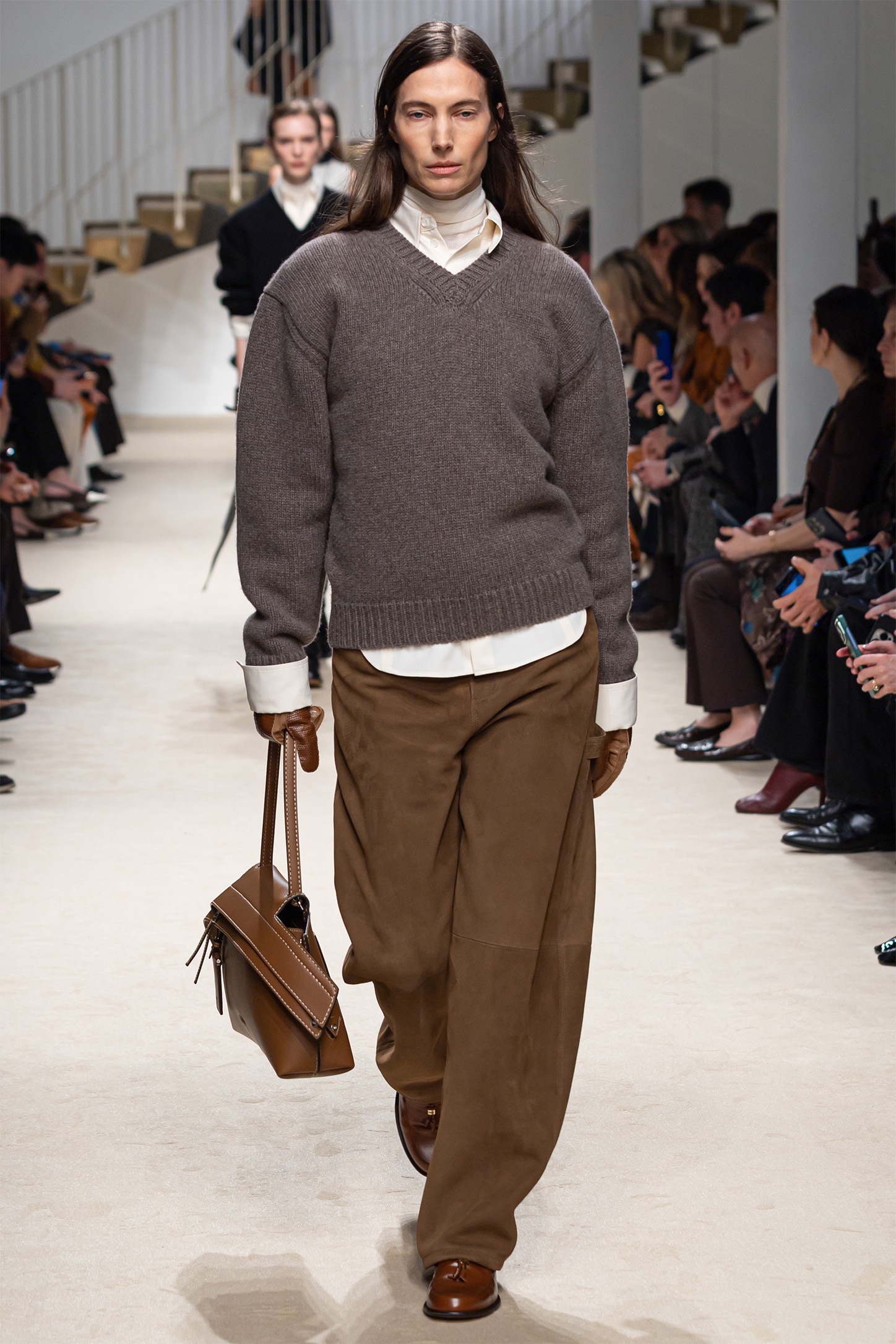
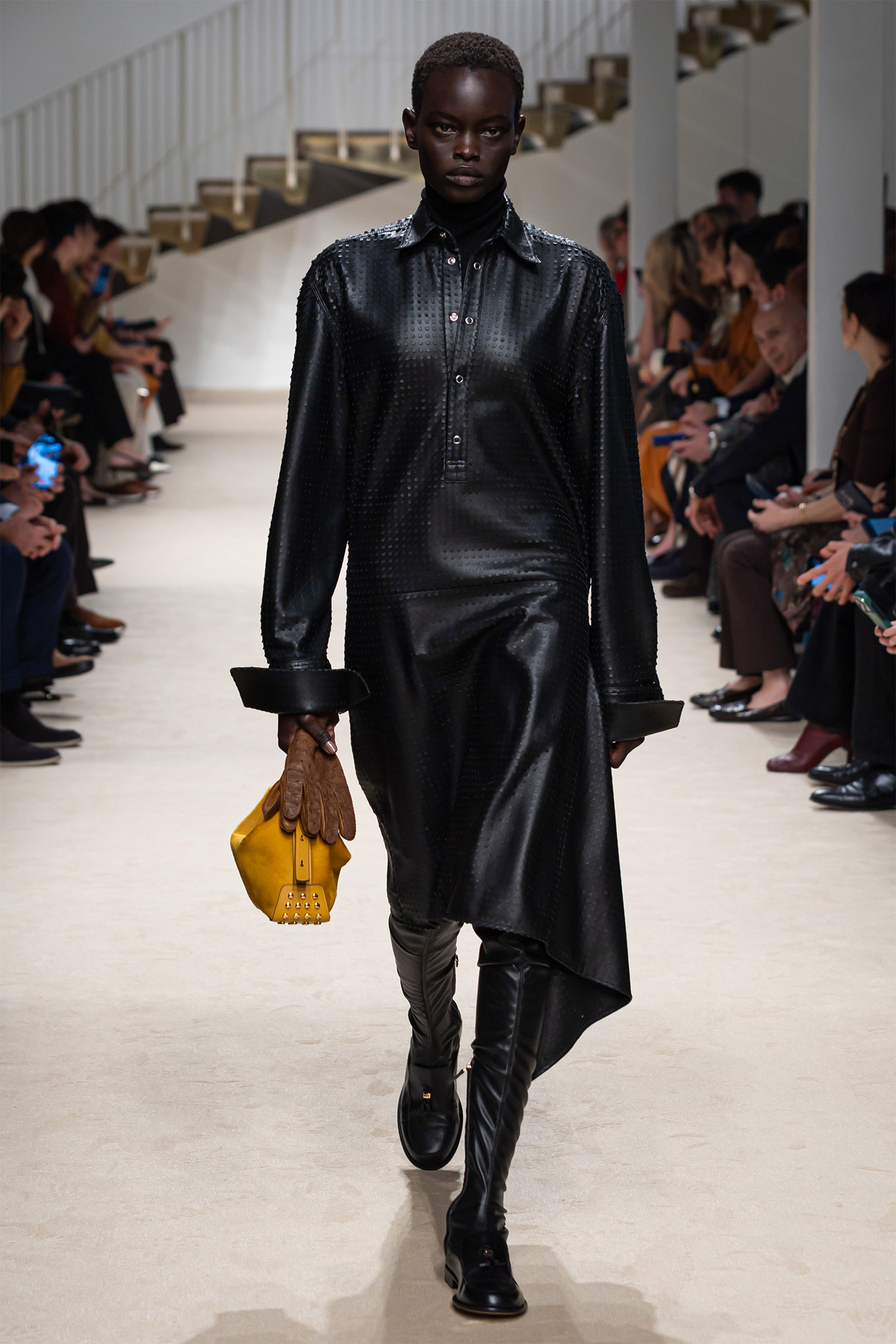
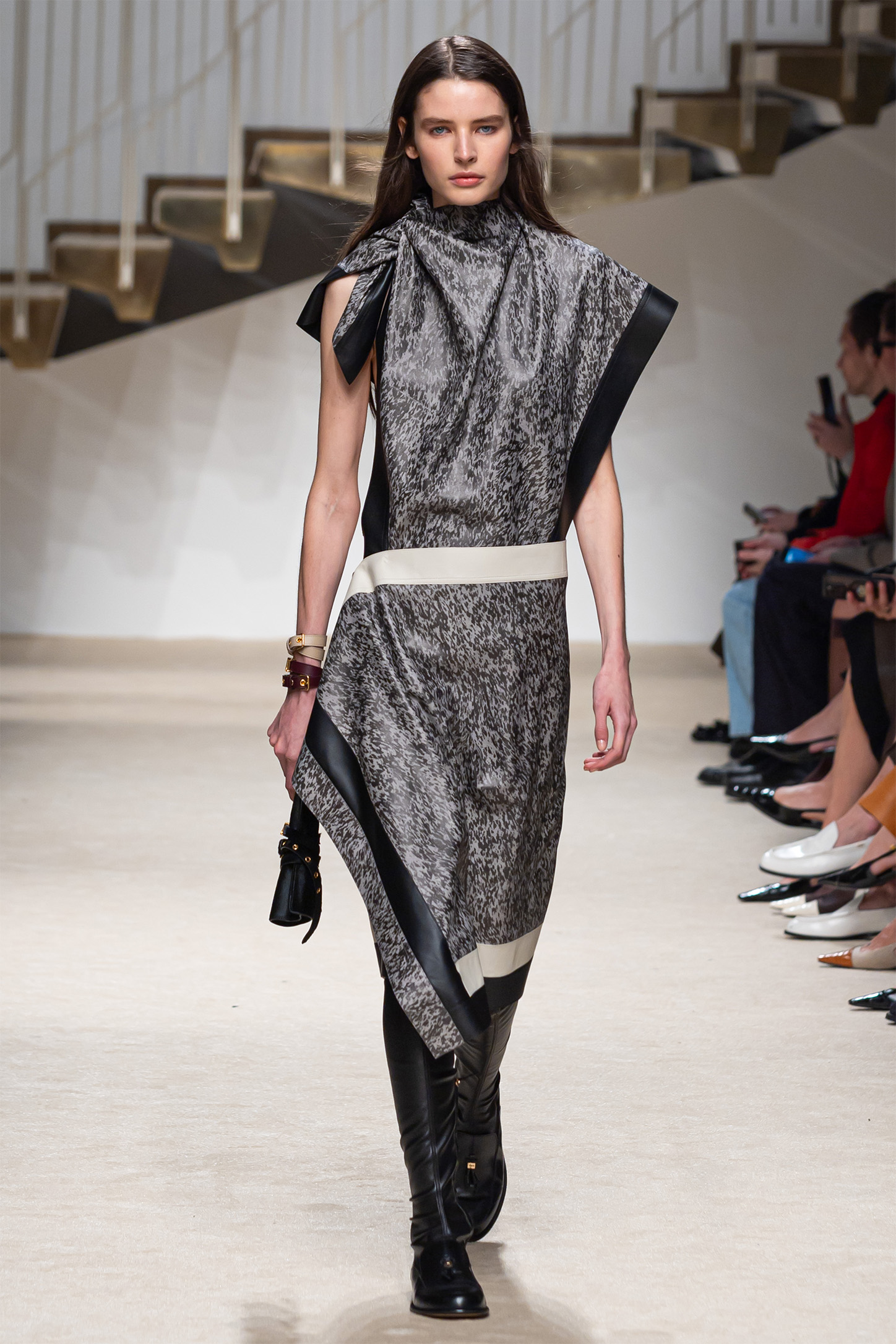
For Tod’s Matteo Tamburini, the sense of touch and the human hand is more important than ever in this AI age. For fall/winter 2026, he wanted to really spotlight craftsmanship and the quality of materials—the finest leathers, saddlery techniques, hand-finishing. All these were demonstrated on silhouettes that shift between swathing, cocooning volumes and shapes that sit closer to the body. Sometimes, sleeves were shortened or waists got sharply drawn in to emphasise the proportion play. Shawl and blanket dressing lend a softer, warmer counterpoint to the collection’s structured tailoring. Tamburini’s palette too conveyed a sense of warmth—composed mainly of rich caramel, ginger and chocolate. These were offset by black, white and charcoal. There was practically no print save for abstract, graphic patchworks and snowy flecks of white against darkness. It all made for a collection that whispered its appeal, instead of shouting it.
FERRAGAMO
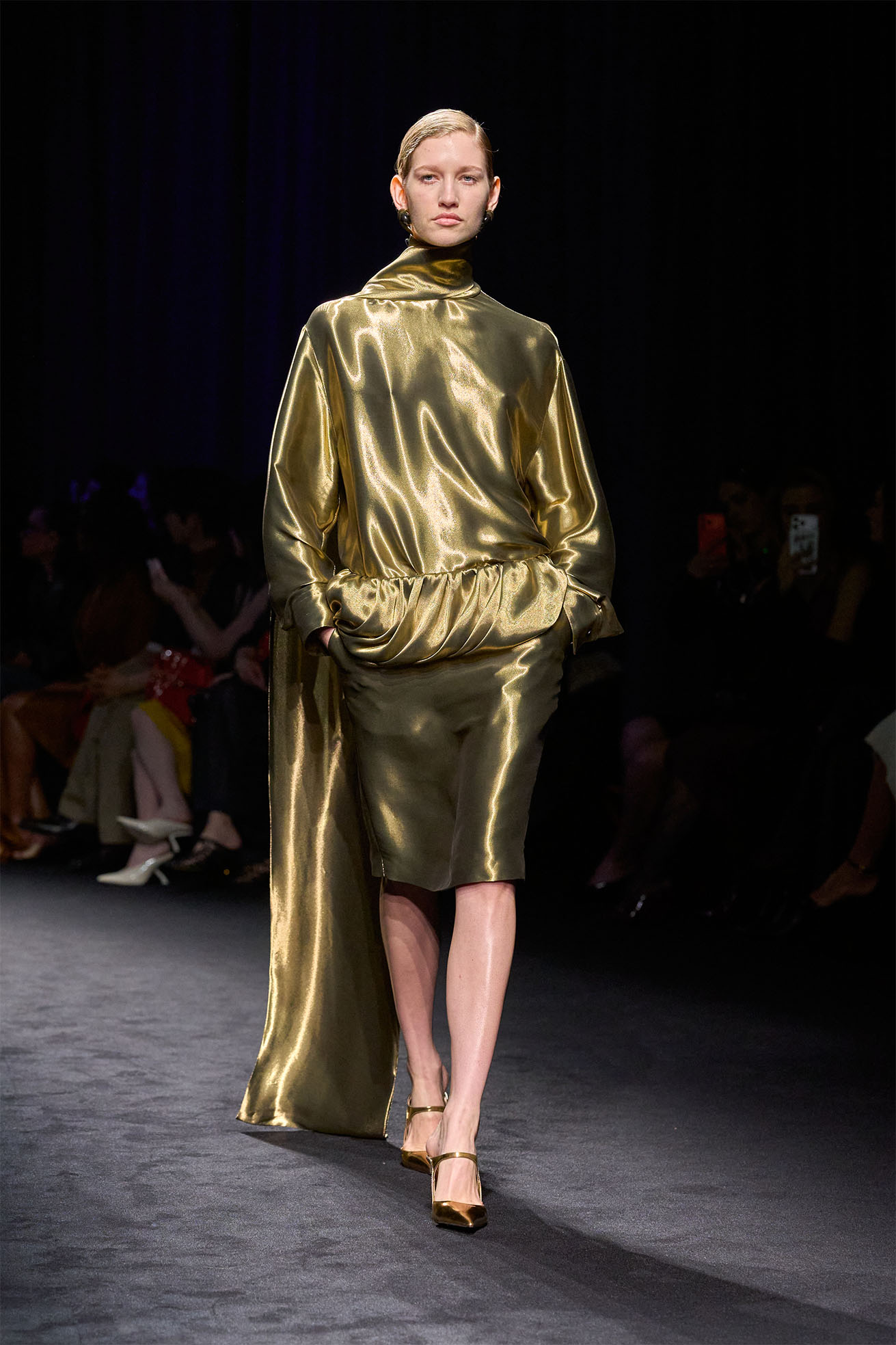
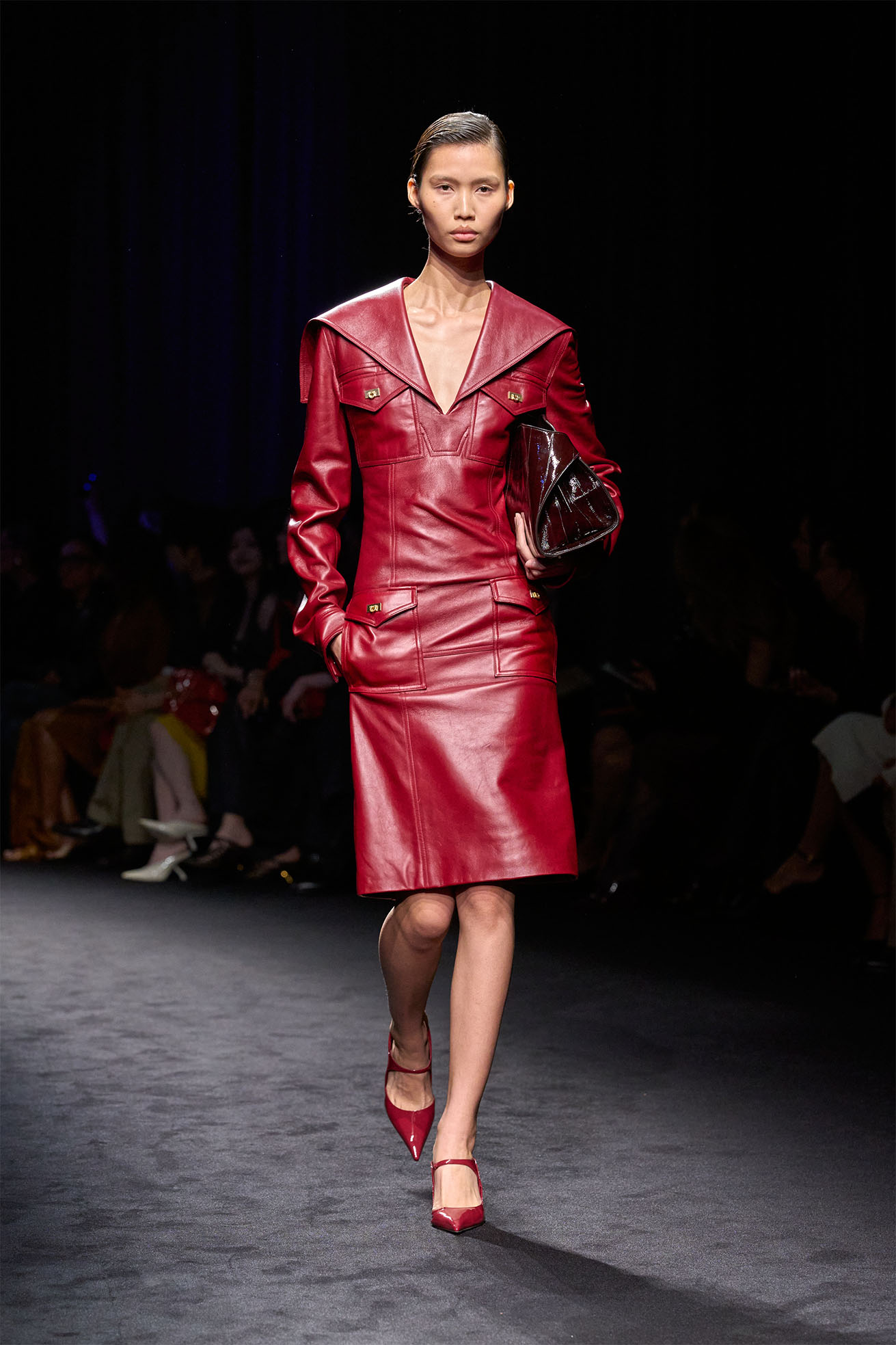
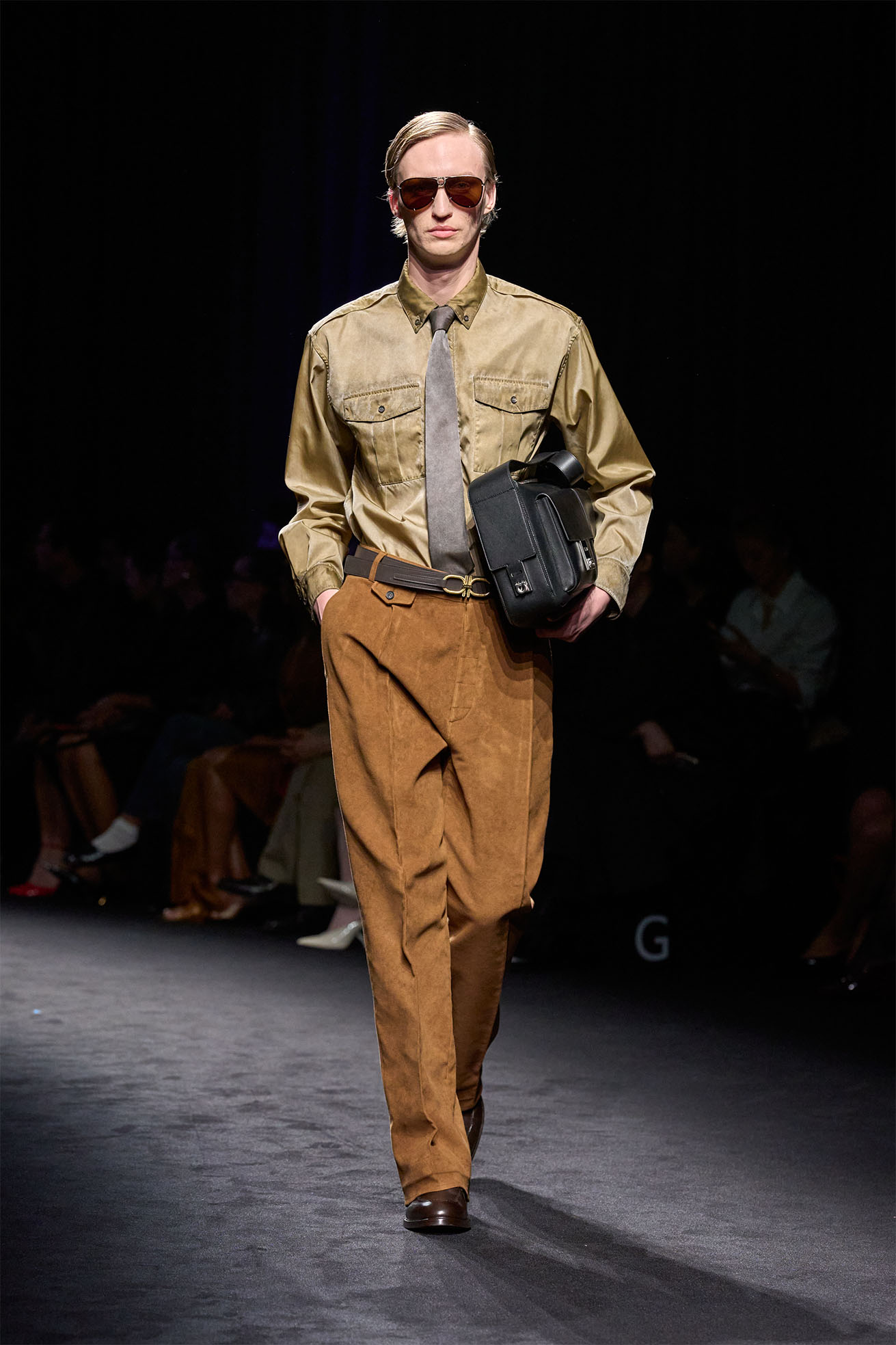
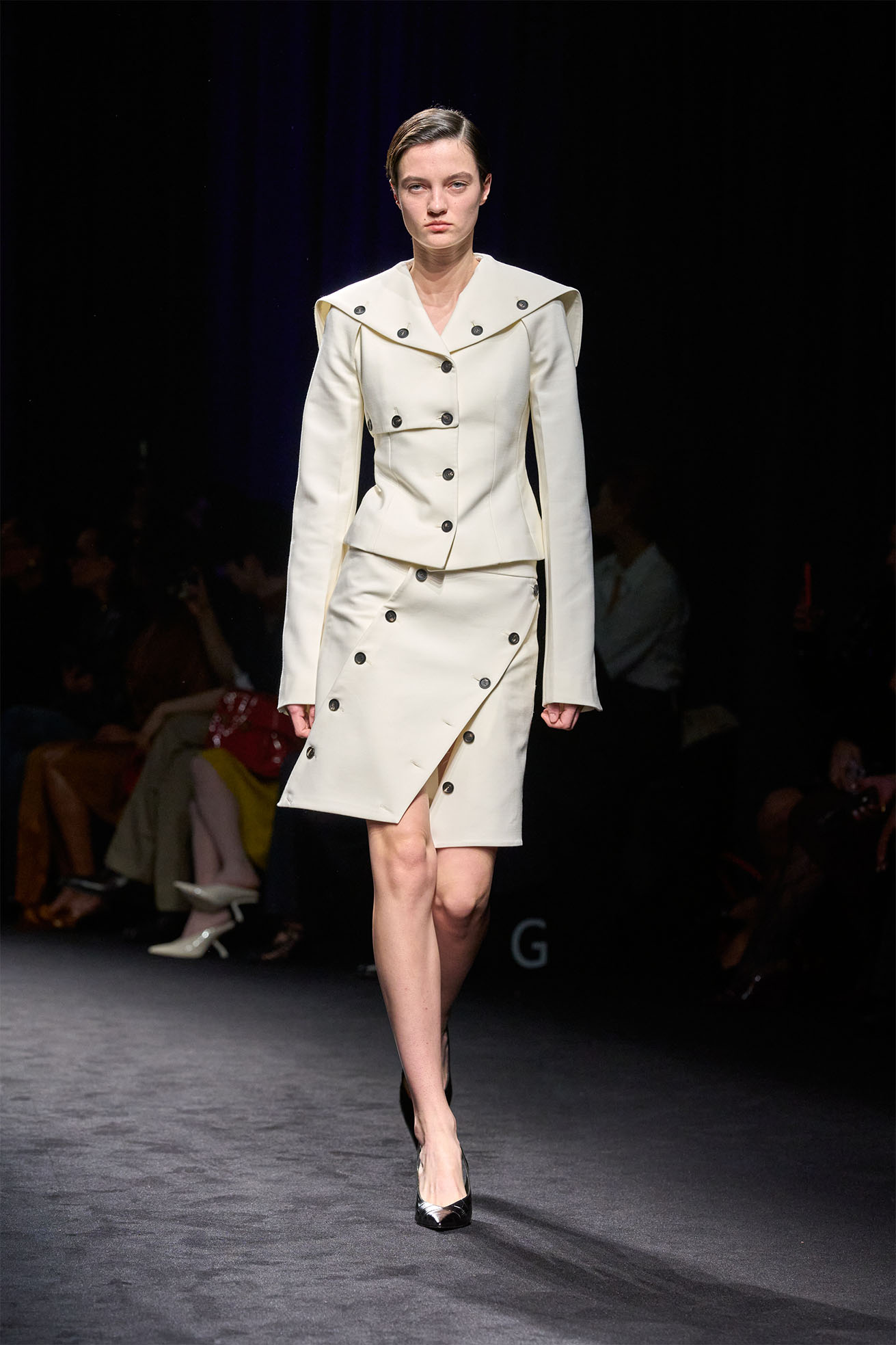
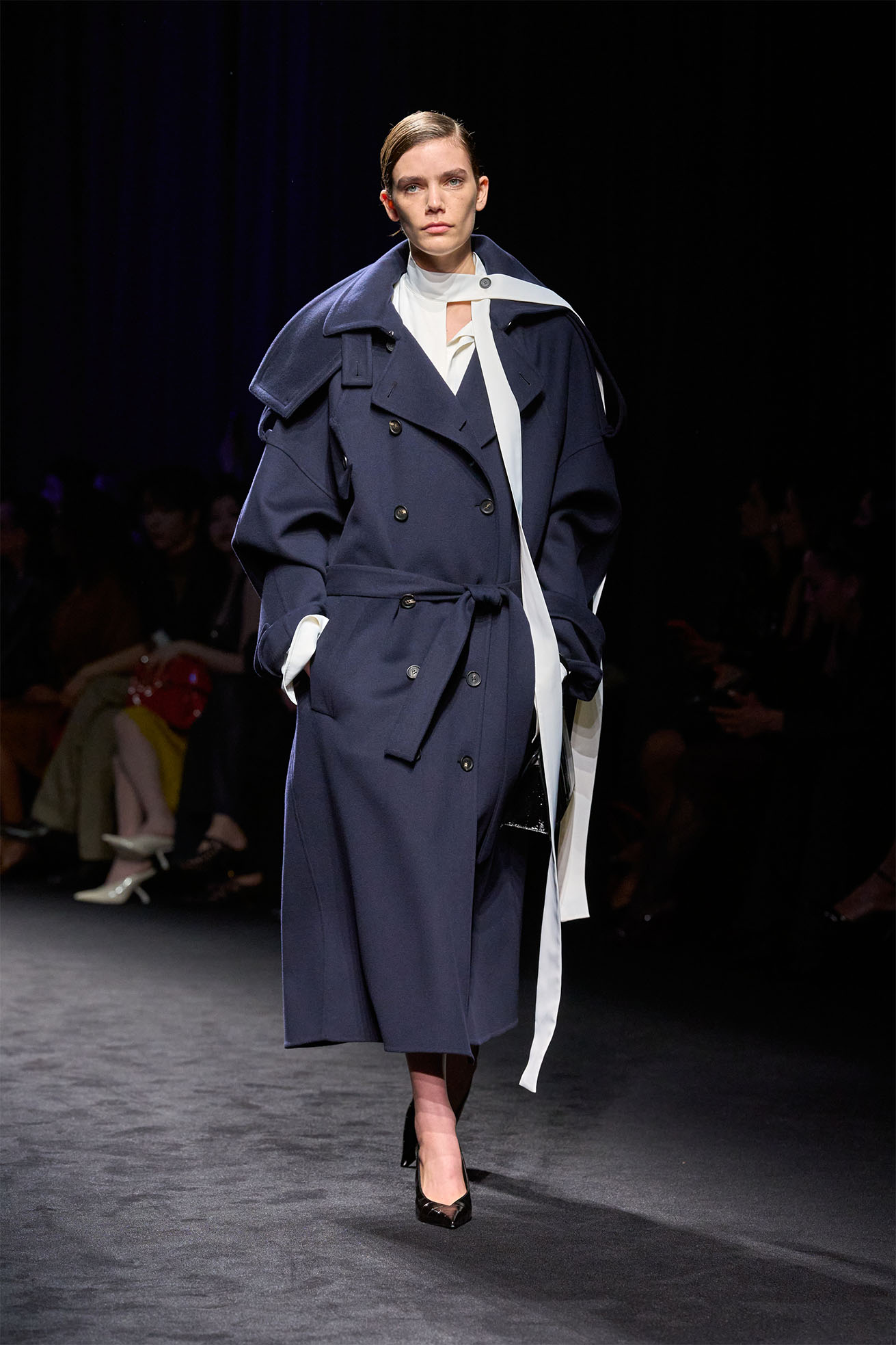
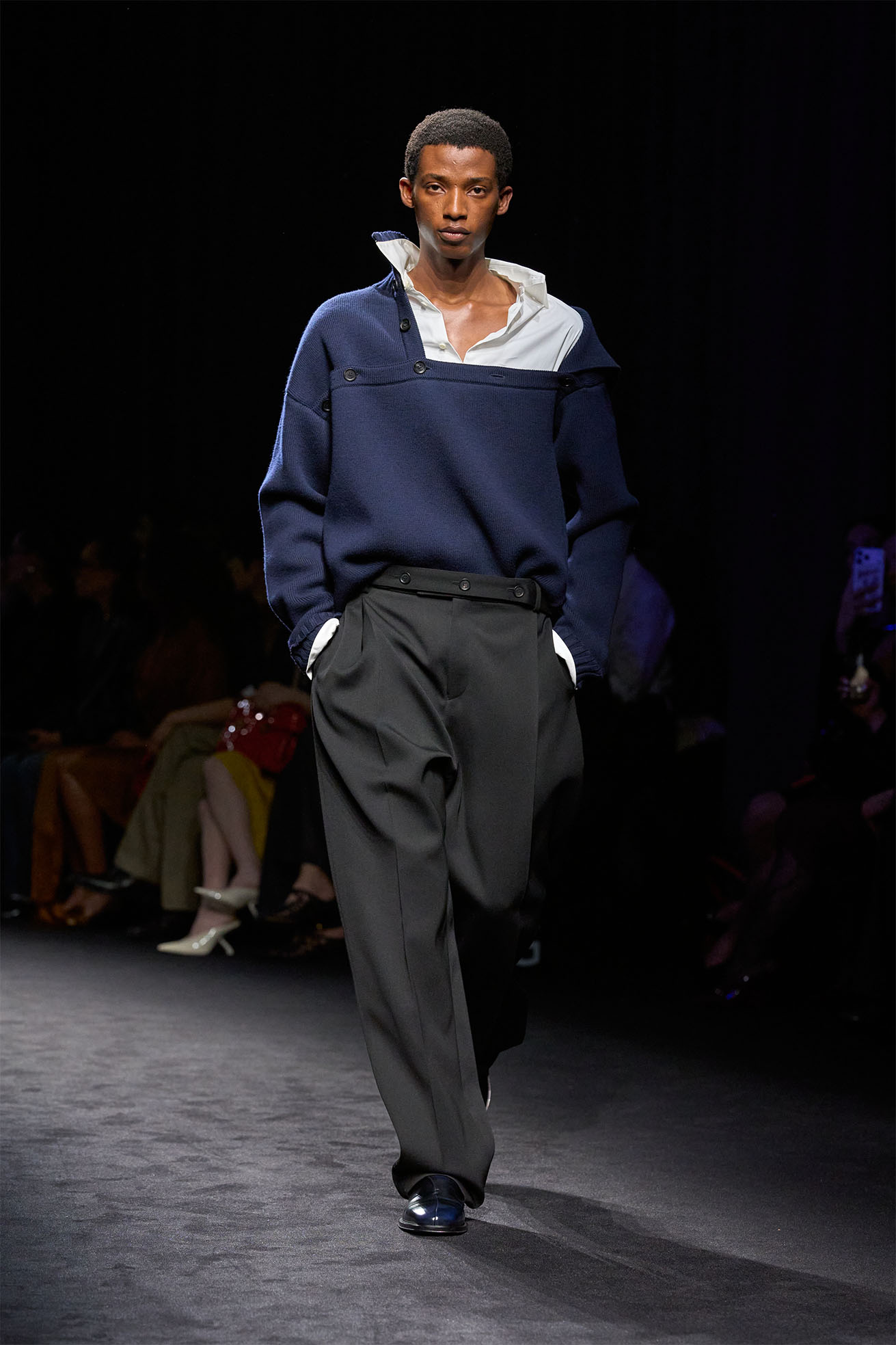
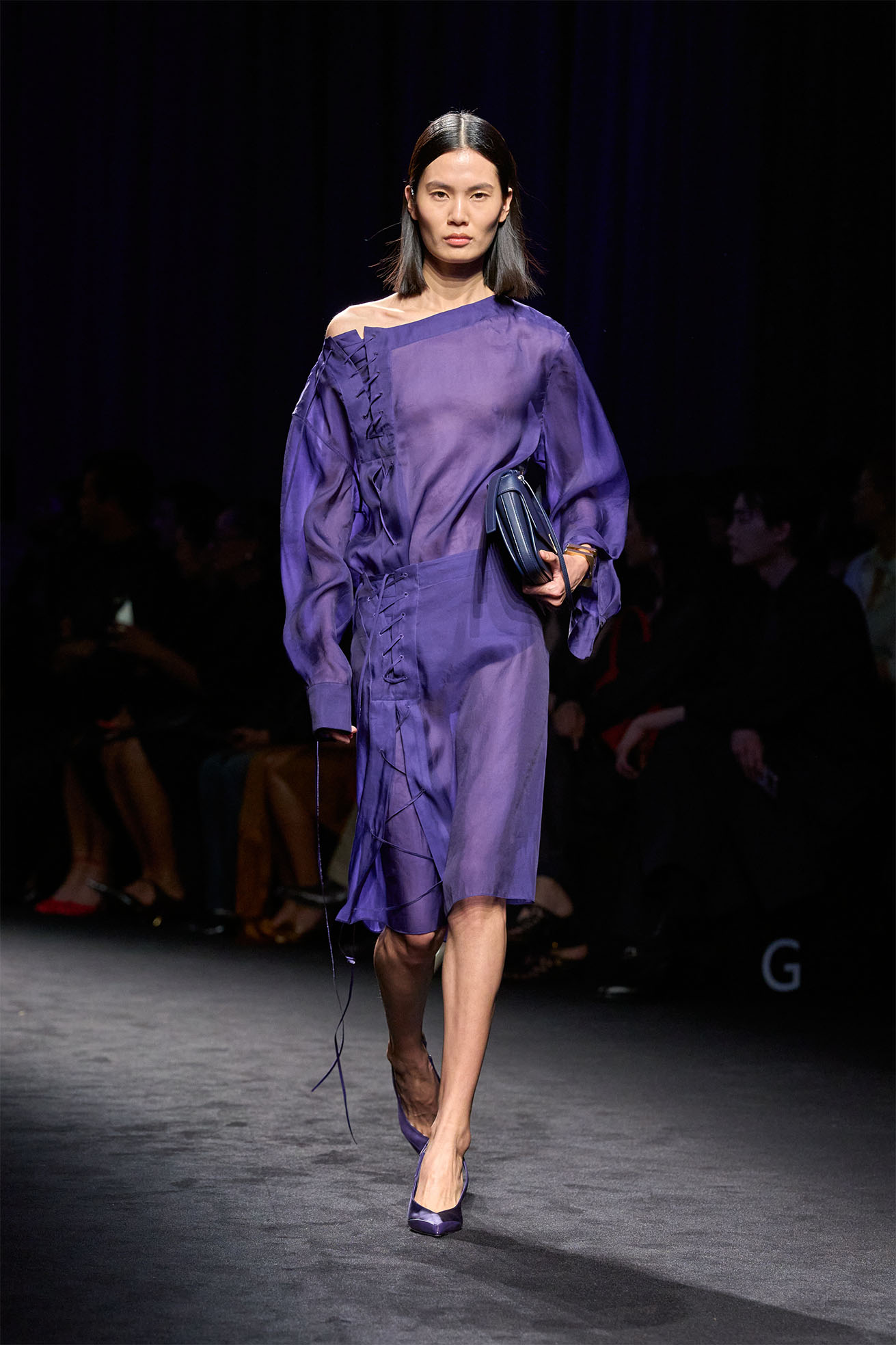
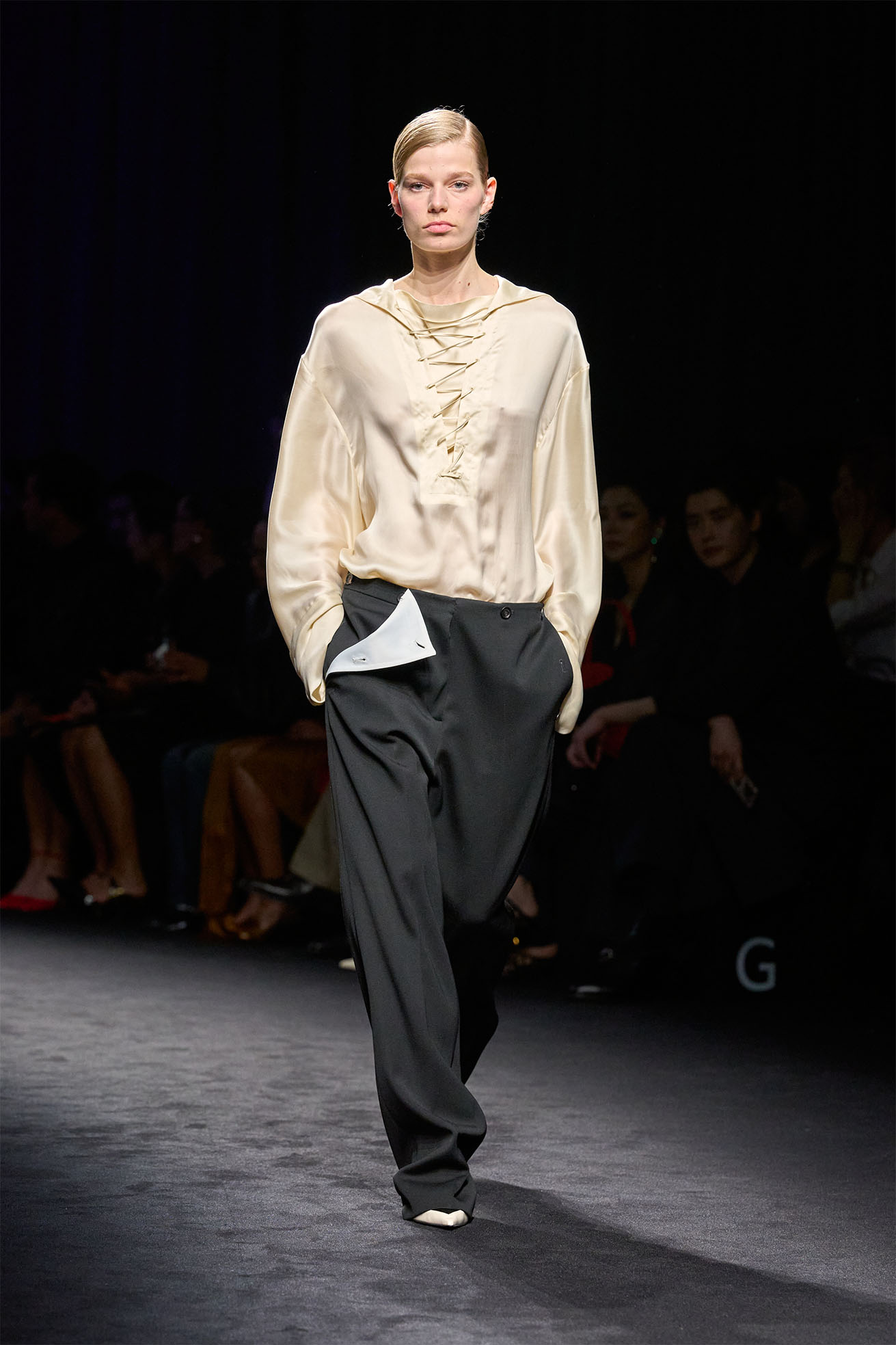
Maximilian Davis was another designer who was thinking about imperfections, and of time passing. For his latest Ferragamo collection, he opened with a strong showing of oversized coats, with panels, lapels and plackets peeling away or trailing off. They looked as though they’ve lived a life. Sailor knits got that same pulled-apart treatment, as did lace-up silk blouses and dresses. They all had a whiff of the ‘20s—which was when the House was established—though Davis was smart to never make it literal. Later, he streamlined the silhouette—via suits with graphic rows of buttons that allow the wearer to control how much skin to show—and introduced colour, though the brights that Davis used had been dyed and treated to look, again, timeworn. For evening, he went back to the ‘20s—though his neo-flapper dresses had deconstructed ruffles or came in faded jacquards. The effect was evocative, without falling into period-costume territory.