
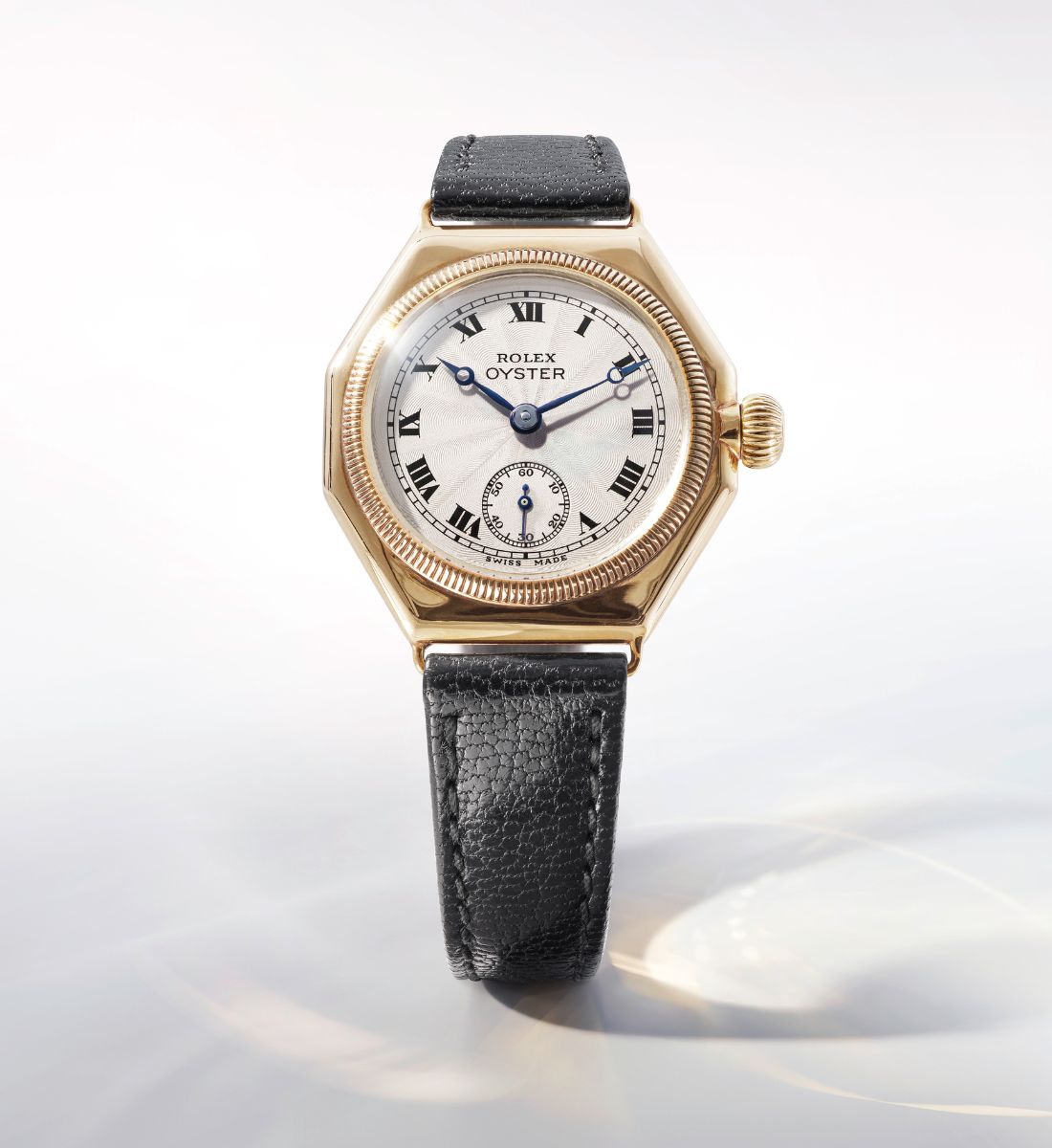
In 1927, one short year after having introduced the world to its first-ever waterproof and dustproof wristwatch, Rolex founder Hans Wilsdorf said: “We make the best wristwatch in the world.” It was a statement of truth as much as it was a declaration of the watchmaker’s intent and promise—one that the brand has continued to deliver to this day.
Exactly 100 years on and the Oyster remains a cornerstone of Rolex’s watchmaking identity, not to mention one of horology’s most enduring symbols of innovation and reliability.
Related article: Rolex Celebrates 50 Years Of Global Impact With Five New Laureates For Rolex Awards For Enterprise 2026
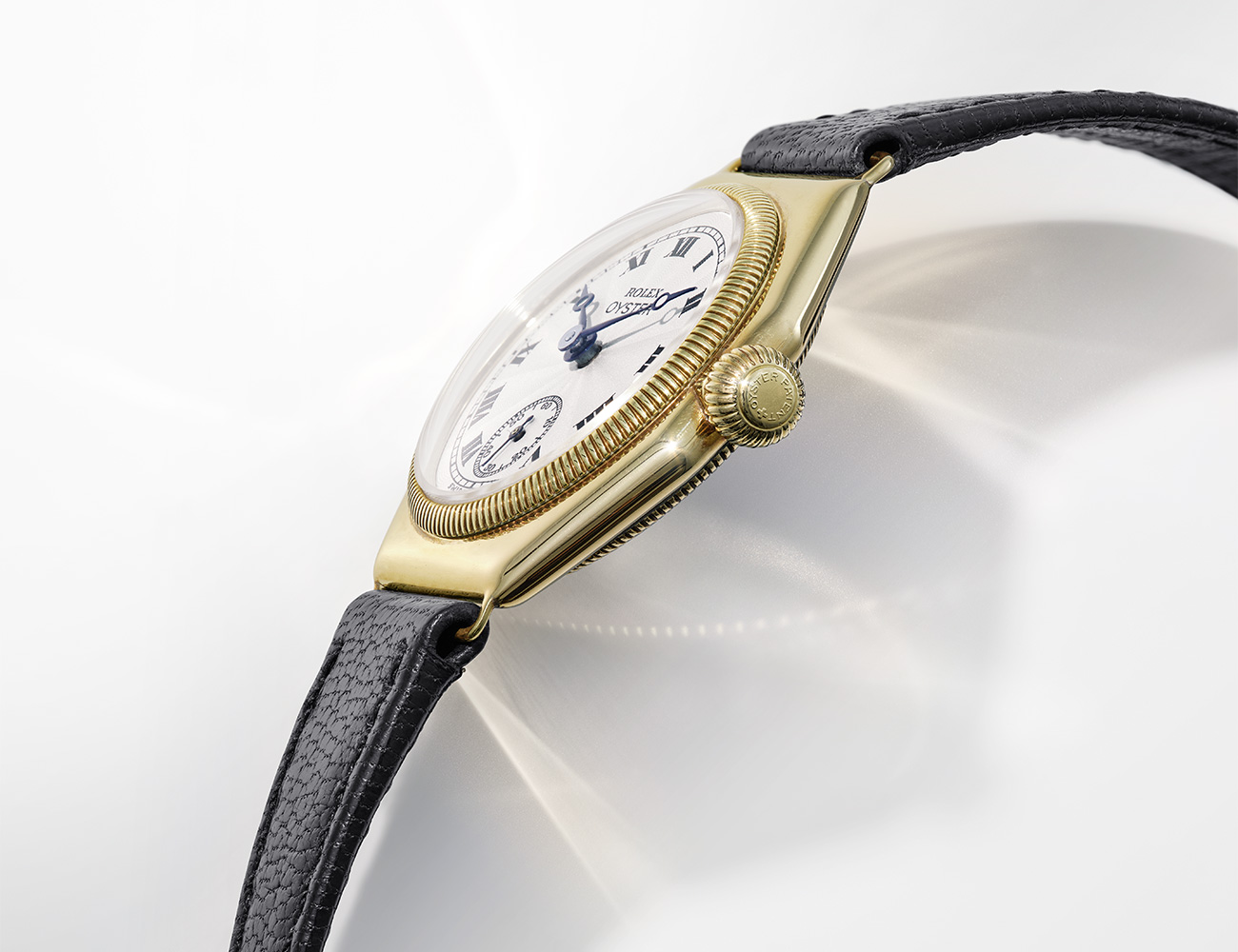
Unveiled in 1926, the Oyster was much more than a technical breakthrough. It was the blueprint for the modern wristwatch, and it remains the foundation upon which Rolex continues to build its legacy. It emerged at a moment when wristwatches were still regarded as the less accurate and less dependable siblings of pocket watches because of their vulnerability to dust, moisture, and the rigours of daily life. Wilsdorf believed otherwise, and his ambition was clear: To create a wristwatch that could withstand the demands of modern living—and to do so with uncompromising standards.
The result was revolutionary. The Oyster’s hermetically sealed case protected the movement through a screwed-down bezel, caseback, and winding crown, creating a watch that was both waterproof and dustproof. Rolex wasted no time demonstrating the Oyster’s capabilities to the world.
Related article: Rolex & Cortina Watch Celebrate 70 Years Of The GMT-Master With An Exhibition
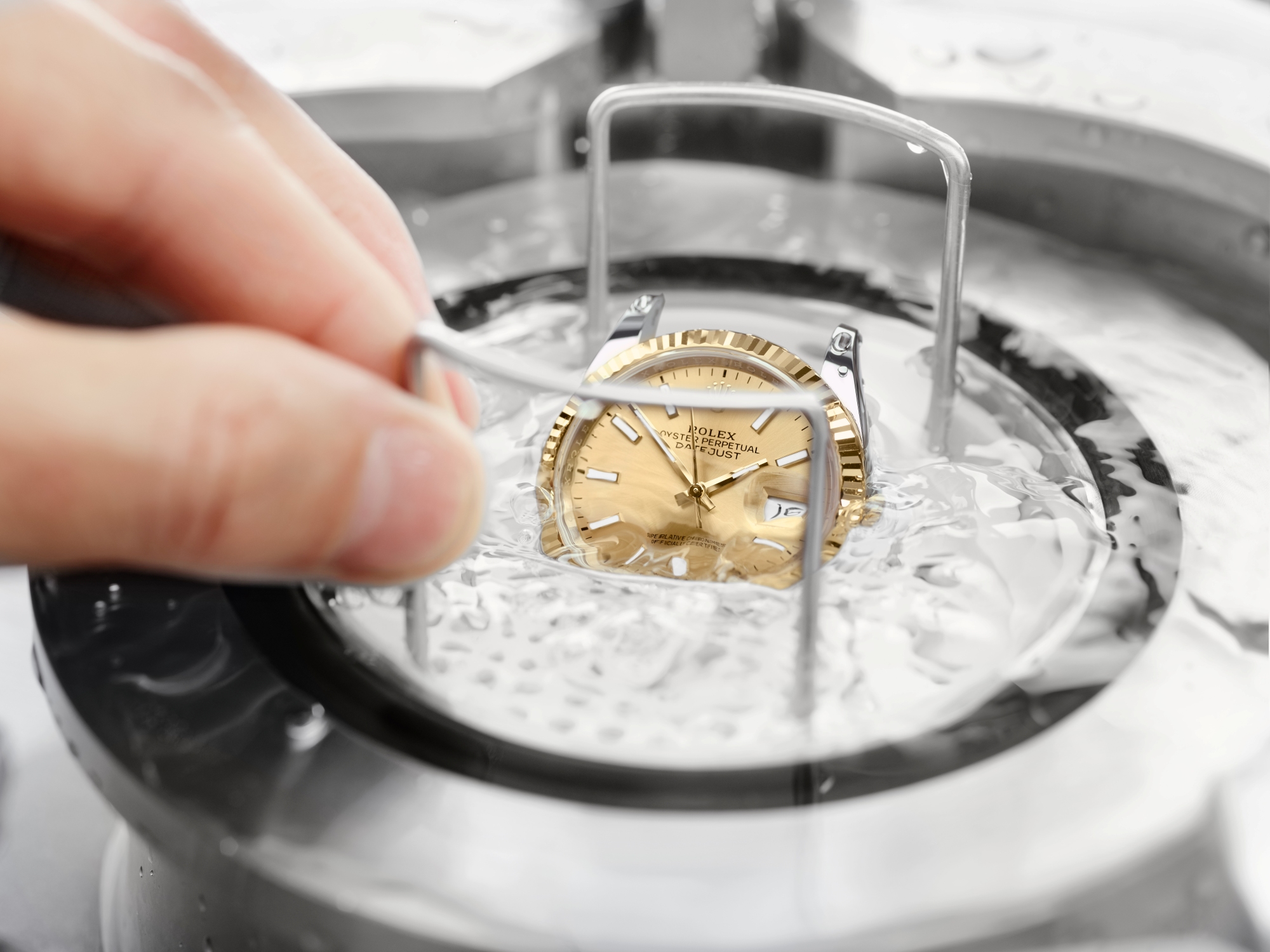
In 1927, British swimmer Mercedes Gleitze wore an Oyster while swimming across the English Channel. After more than ten hours in the water, the watch remained fully functional—a feat that generated international headlines and firmly established Rolex’s reputation for robustness and reliability.
Never one to sit on its laurels, Rolex continued to evolve the Oyster’s architecture through the years. The Twinlock winding crown was introduced in 1953 to improve the case’s waterproof integrity with a dual-waterproofing system. (A third sealed zone was added 17 years later so that it could withstand the demands of professional diving.) In 2008, Rolex developed the Ringlock system for the Rolex Deepsea, a patented case architecture engineered to resist the immense pressures encountered during deep-sea exploration. These advancements served to strengthen the Oyster’s original purpose, and the qualities on which its reputation was built.
Related article: Pro Golfer & Rolex Testimonee Ruoning Yin On The Pressures Of Competition
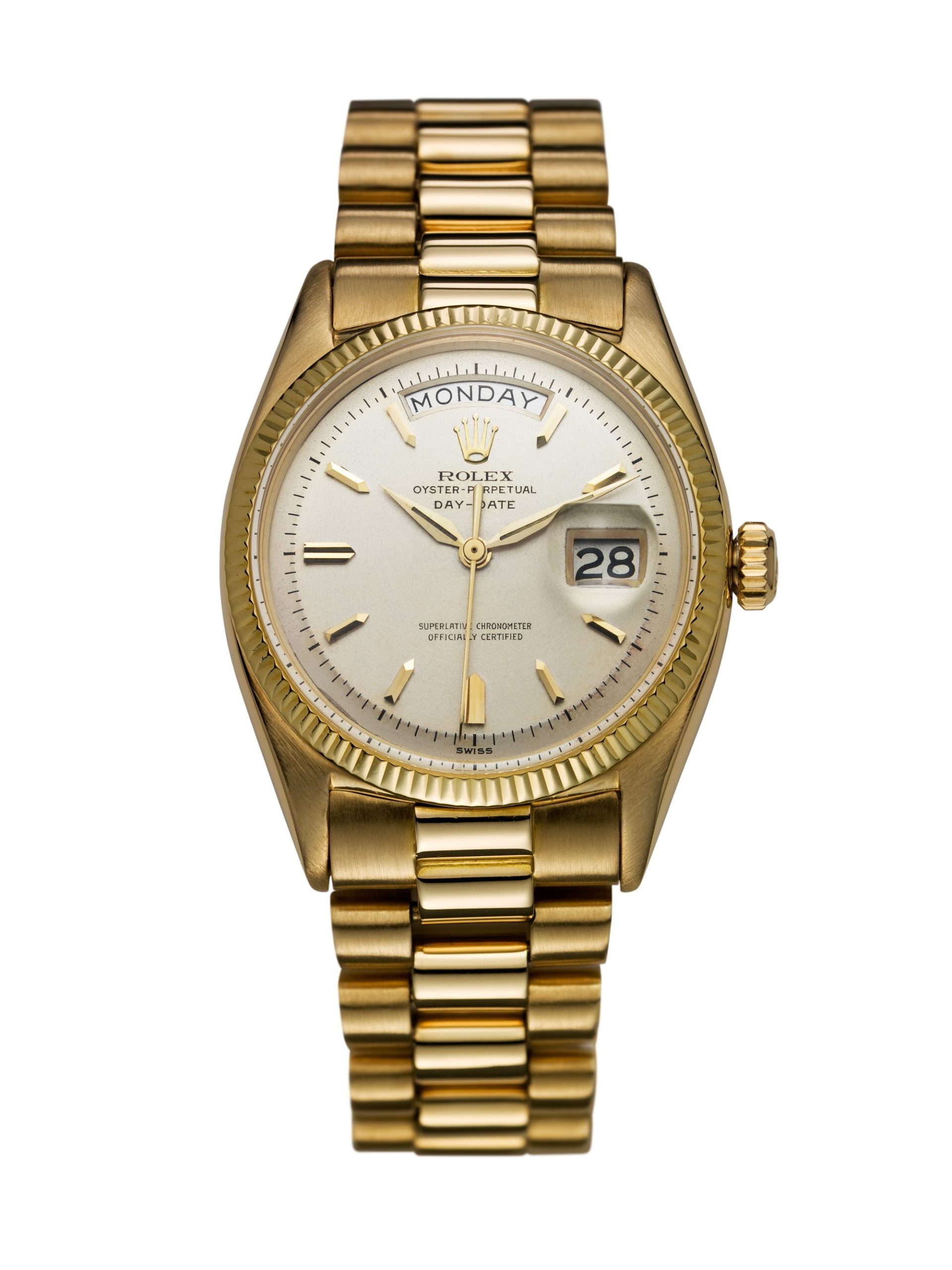
Oyster Perpetual Day-Date. Photo: Courtesy of Rolex
Another milestone innovation arrived in 1931 with Rolex’s Perpetual rotor, a groundbreaking automatic-winding mechanism featuring a centrally mounted oscillating weight that rotates a full 360 degrees. Powered by the wearer’s natural wrist motion, the rotor transformed how modern self-winding movements were conceived and built.
Together, the waterproof Oyster case and the Perpetual rotor laid the foundation for the Oyster Perpetual concept, underpinning some of Rolex’s most enduring creations—from the Datejust, introduced in 1945 as the world’s first self-winding chronometer wristwatch with a date display, to the Submariner in 1953, which established the benchmark for dive watches, and the GMT-Master, launched in 1955 for international pilots and travellers navigating multiple time zones.
Related article: Rolex And Sylvia Earle Mark 40 Years Of Ocean Exploration And Protection

Decades later, these timepieces remain among the most recognisable names in contemporary watchmaking, celebrated not only for their technical innovations, but also for the enduring influence they continue to wield across culture, sports, and design. The Oyster has become inseparable from stories of human achievement, having accompanied explorers, divers, and pioneers in some of the world’s most extreme conditions, from Sir Edmund Hillary and Tenzing Norgay on the first successful ascent of Mount Everest, to deep-sea explorer Jacques Piccard during his descent into the abyss of the Mariana Trench.
The Oyster also found its way onto the wrists of champion athletes such as Roger Federer, Jamie Chadwick, and Scottie Scheffler, whose careers have come to embody excellence, endurance, and precision under pressure. Beyond the worlds of sport and exploration are cultural figures across cinema and the arts, such as Martin Scorsese, James Cameron, and Leonardo DiCaprio—individuals whose work reflects a similar pursuit of mastery and lasting impact.
Related article: Rolex and Daytona: A Century-Defining Bond in Endurance Racing
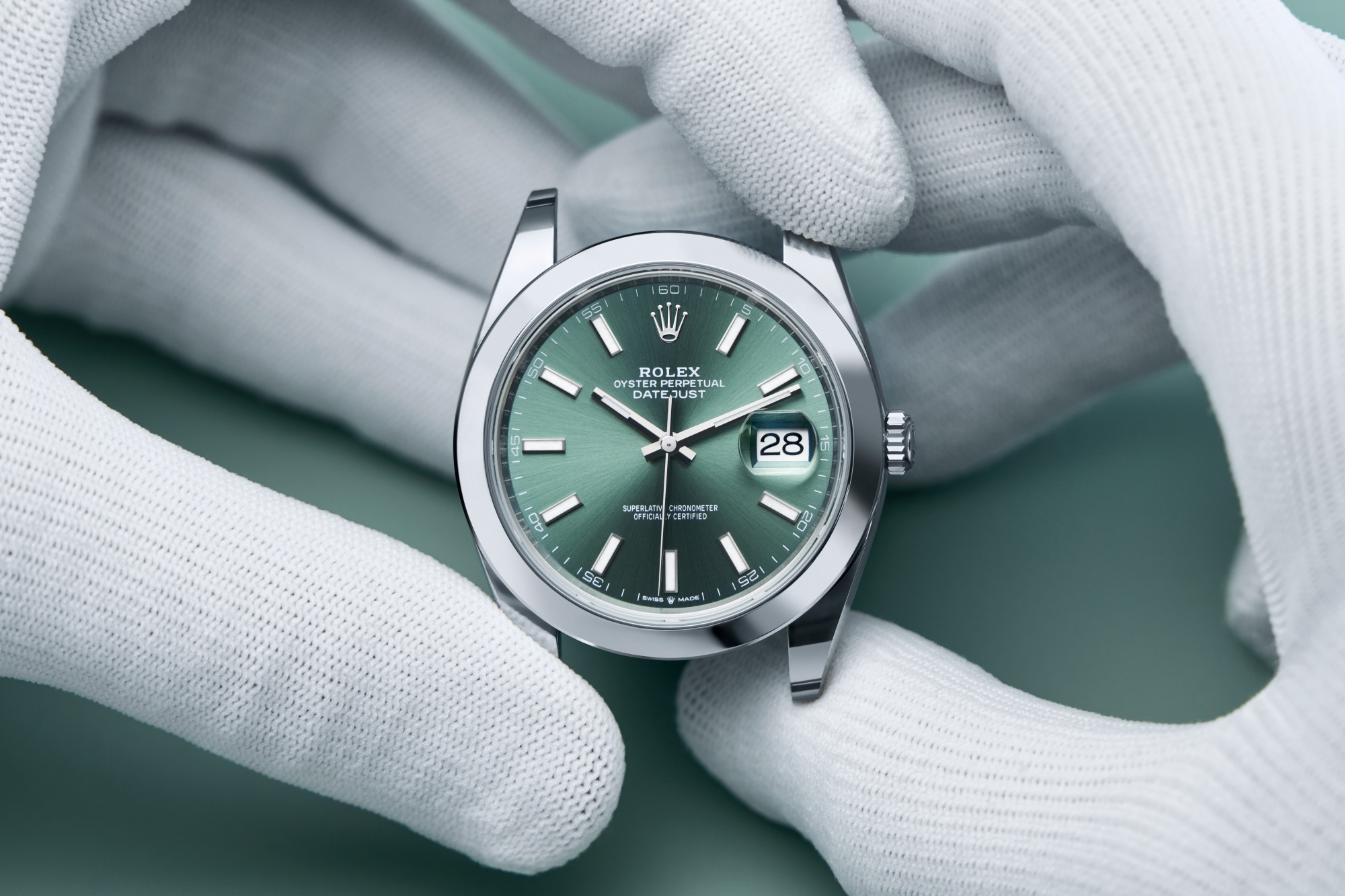
To commemorate the Oyster’s centenary in 2026, Rolex unveiled a new Oyster Perpetual 41 that pays tribute to the model’s origins while looking firmly toward the future. Subtle anniversary details include a winding crown engraved with the number 100, a slate dial featuring the inscription “100 years,” and green accents that reference the brand’s signature colour.
Few watches can claim to have transformed an entire industry. Fewer still remain as relevant a century later. The Oyster Perpetual continues to embody the very ideals upon which Rolex was built—and the limitless possibilities that still lie ahead.