
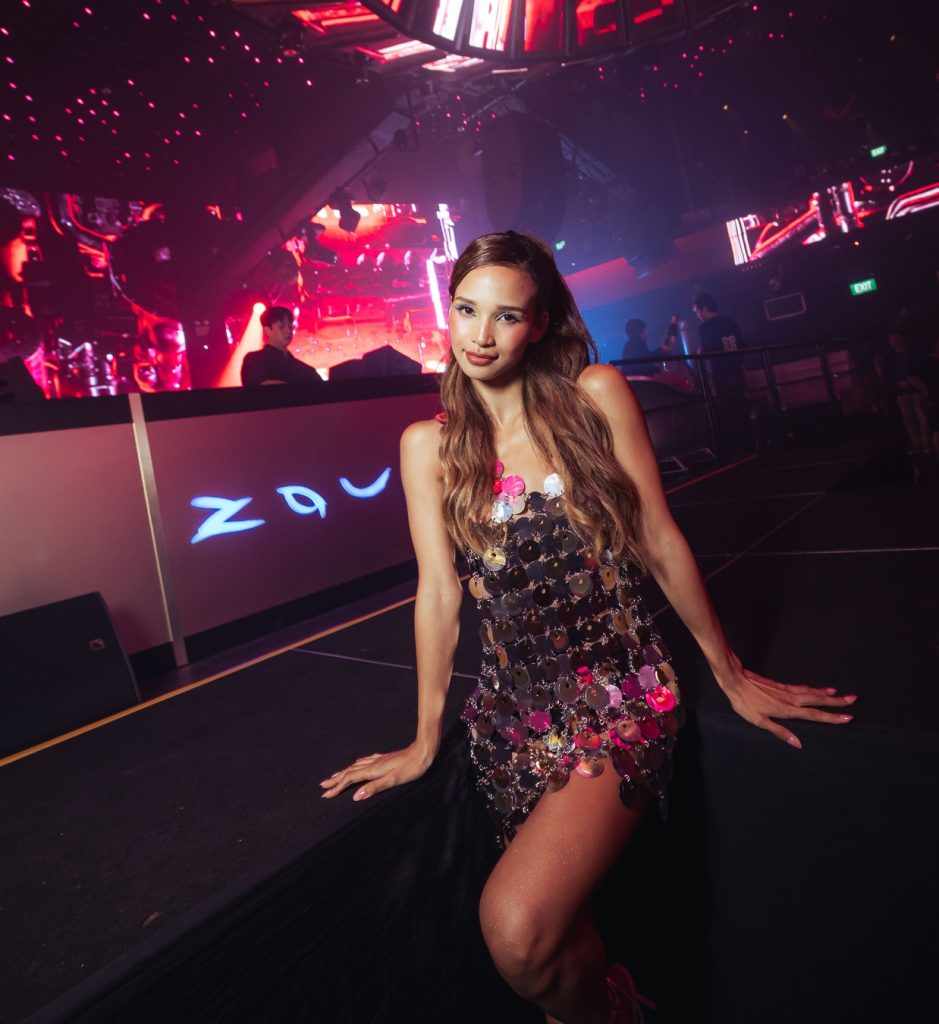
Nightlife has changed dramatically since Zouk first opened its doors on Jiak Kim Street in 1991. Today's audiences increasingly move between music, fashion, wellness, culture, and community, seeking experiences that extend beyond a few hours on the dancefloor. As the homegrown institution celebrates its 35th anniversary, Zouk is responding with its most ambitious transformation yet.
On Wednesday evening, media, tastemakers, and longtime friends of the brand gathered at Clarke Quay for the unveiling of the club's newly reimagined spaces. Marking the completion of a multi-million-dollar renovation across Zouk Mainroom and Phuture, the reopening signalled the beginning of what the group has dubbed "The Next Chapter".
Related article: What To Do In Singapore This Weekend
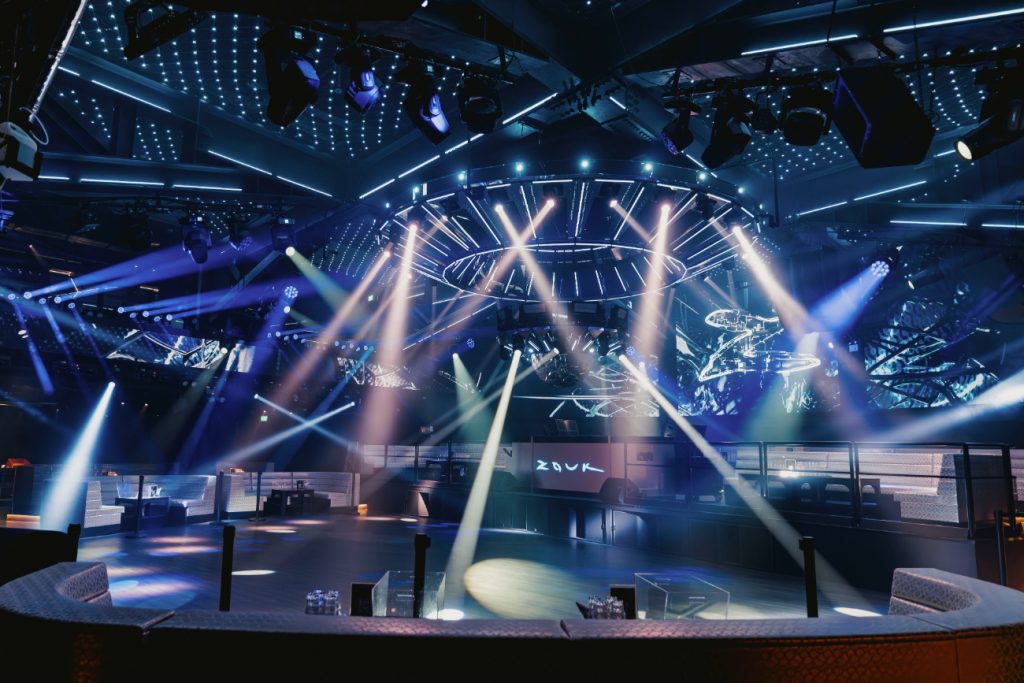
The scale of the transformation is immediately apparent. Led by internationally acclaimed creative studios Josh Held Design and Superlative, the redesign introduces a more modular and immersive venue ecosystem that extends beyond the traditional nightclub model. While Mainroom, Phuture, and Capital continue to operate independently, movable acoustic walls now allow the spaces to function separately or combine into a single venue capable of hosting up to 3,500 guests.
For Andrew Li, CEO of Zouk Group, the renovation is less about reinventing the brand than preparing it for the future. "Zouk has never stood still," he says. "From Jiak Kim to Clarke Quay, from championing local DJs to bringing global names to our stage, we have always evolved with the city and the people who come through our doors."
Related article: Music Producer Mark Ronson Is Focused On Synergies & Collaborations
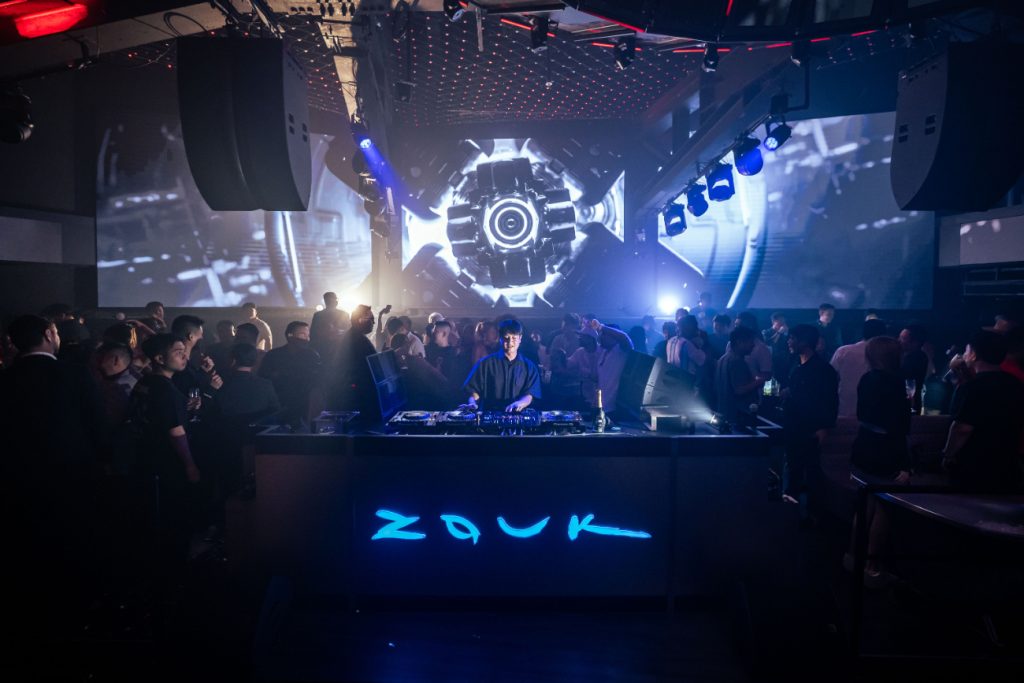
That philosophy is reflected throughout the redesign. New-generation sound systems have been engineered to support both international DJ sets and live performances, while expansive LED installations introduce new possibilities for visual storytelling. A redesigned entrance improves guest flow, while a premium VIP sofa section positioned directly behind the DJ booth offers front-row access to performances.
Yet the most significant shift may be how the venue is designed to be used. Beyond nightlife programming, the revamped spaces can now accommodate conferences, product launches, fashion activations, networking events, and immersive brand experiences. The transformation reflects a broader evolution taking place across nightlife globally, where venues increasingly operate as multi-purpose cultural destinations rather than clubs alone.
Related article: On The Decks: The Hottest Female DJs To Watch
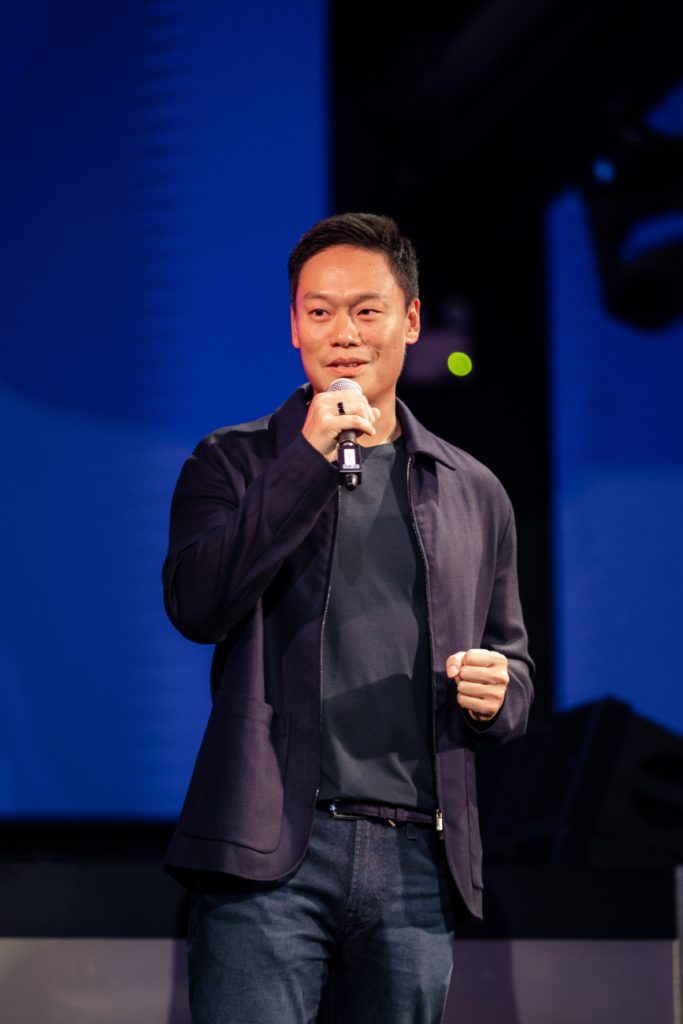
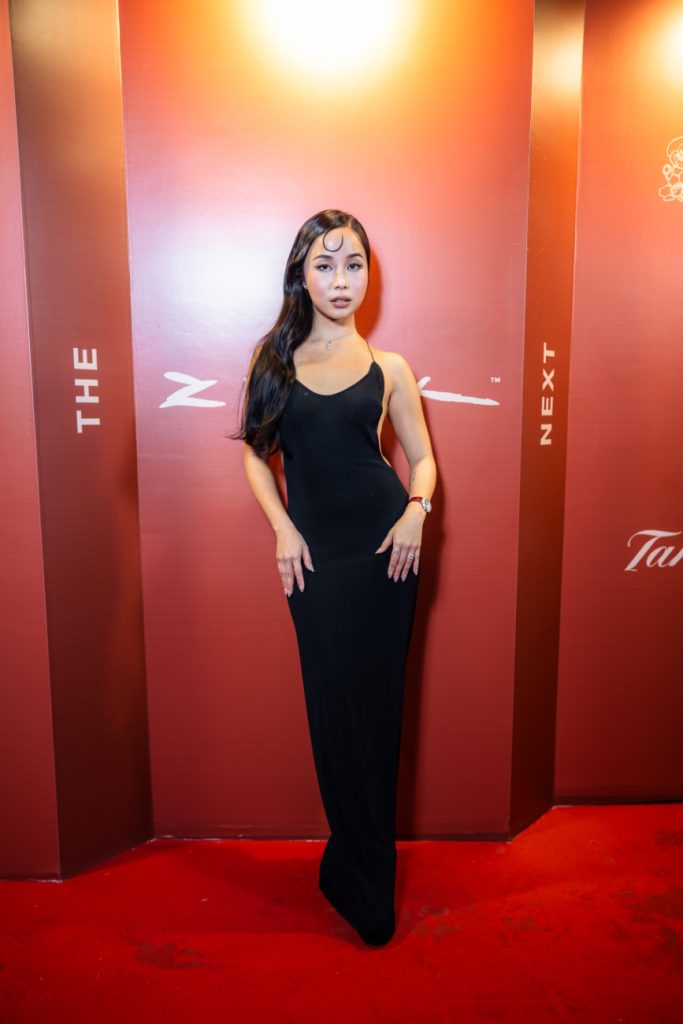
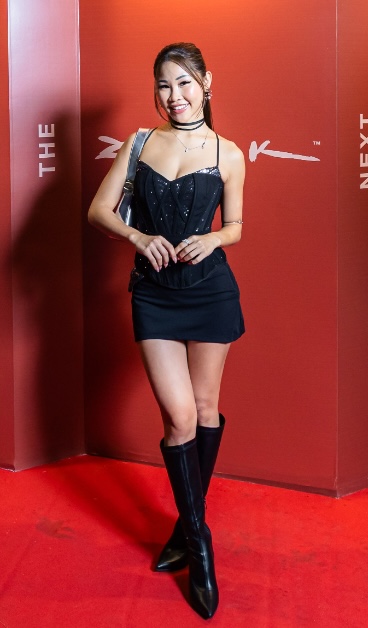
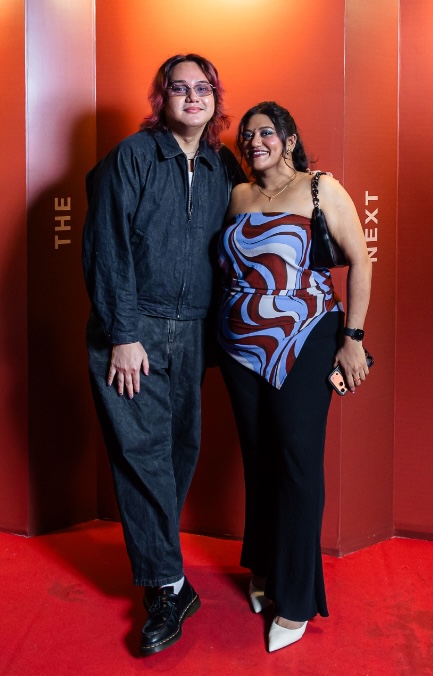
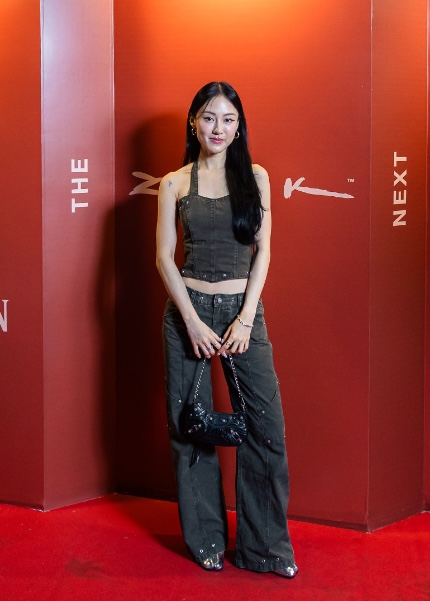
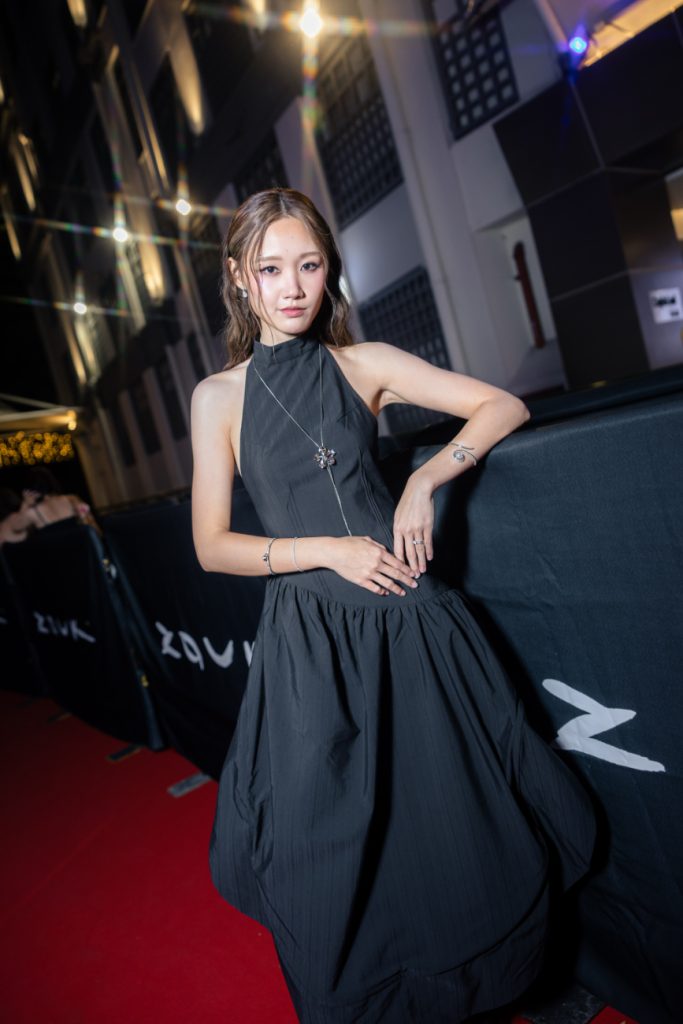
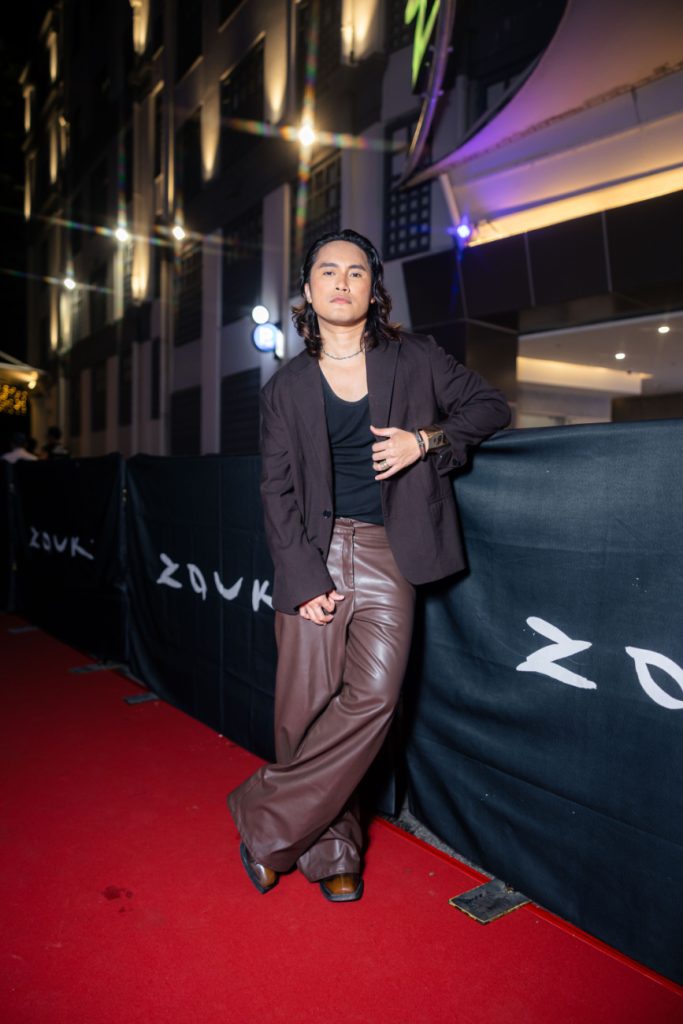
"As nightlife continues to evolve globally, we felt it was important for Zouk to evolve alongside it, not just aesthetically, but experientially," says Christine Tan, Head of Brand Marketing at Zouk Group. "This transformation was never about simply renovating a venue. It was about rethinking how people gather, connect, and experience nightlife in Singapore today."
That vision was already on display during reopening night. Following a look back at Zouk's legacy and an official ribbon-cutting ceremony, guests were invited to explore the transformed spaces before gathering in Mainroom for the evening's headline performance.
Related article: Iman Fandi On What Inspires Her & When She's Most Confident
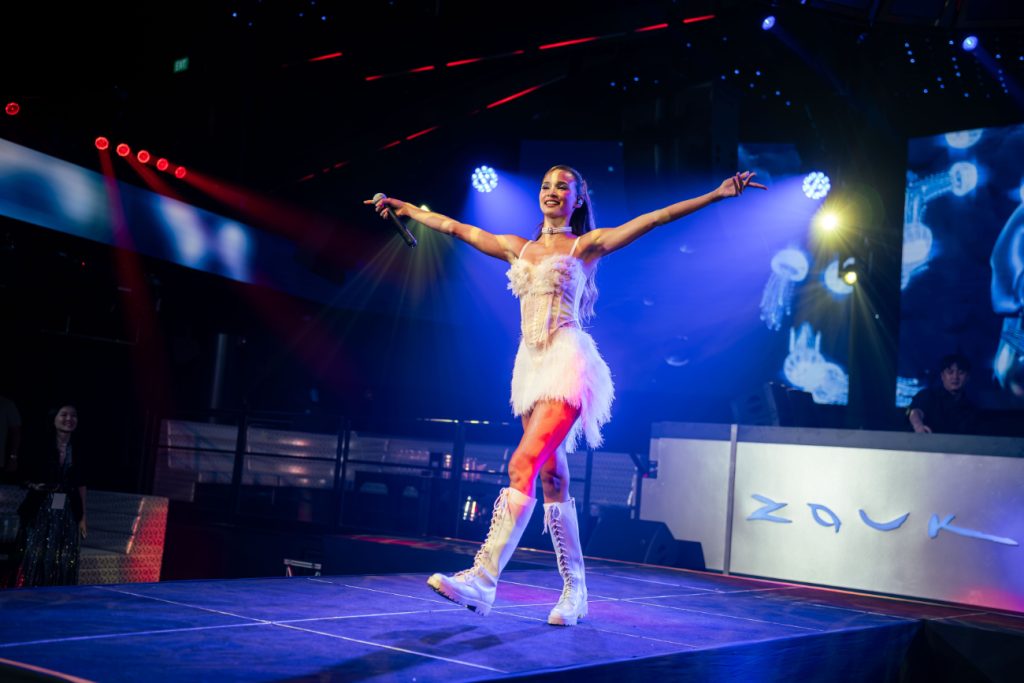
Bringing the night's "Future Nostalgia" theme to life was local singer-songwriter Iman Fandi, who debuted her new single, “IT IS”, before performing a remixed version of “Out Of My Mind” created in collaboration with Zouk resident DJ Caden. Accompanied by immersive visuals projected across the venue's upgraded screens, the performance served as a showcase of the club's enhanced production capabilities while symbolising the balance between legacy and reinvention that underpins the broader transformation.
The evolution extends beyond the dancefloor, too. Later this month, Zouk Group will unveil Rally Clubhouse, a new social concept designed to host community-led experiences and creative programming aimed at younger audiences. Together with expanded daytime activations spanning wellness, fashion, and lifestyle, it signals a broader ambition to position Zouk as a cultural destination that operates beyond traditional club hours.
Thirty-five years after helping define Singapore's nightlife identity, Zouk remains one of the country's most recognisable cultural exports. Its latest transformation suggests that the future of nightlife may look very different from its past, but the desire to gather, connect, and create shared memories remains much the same.