
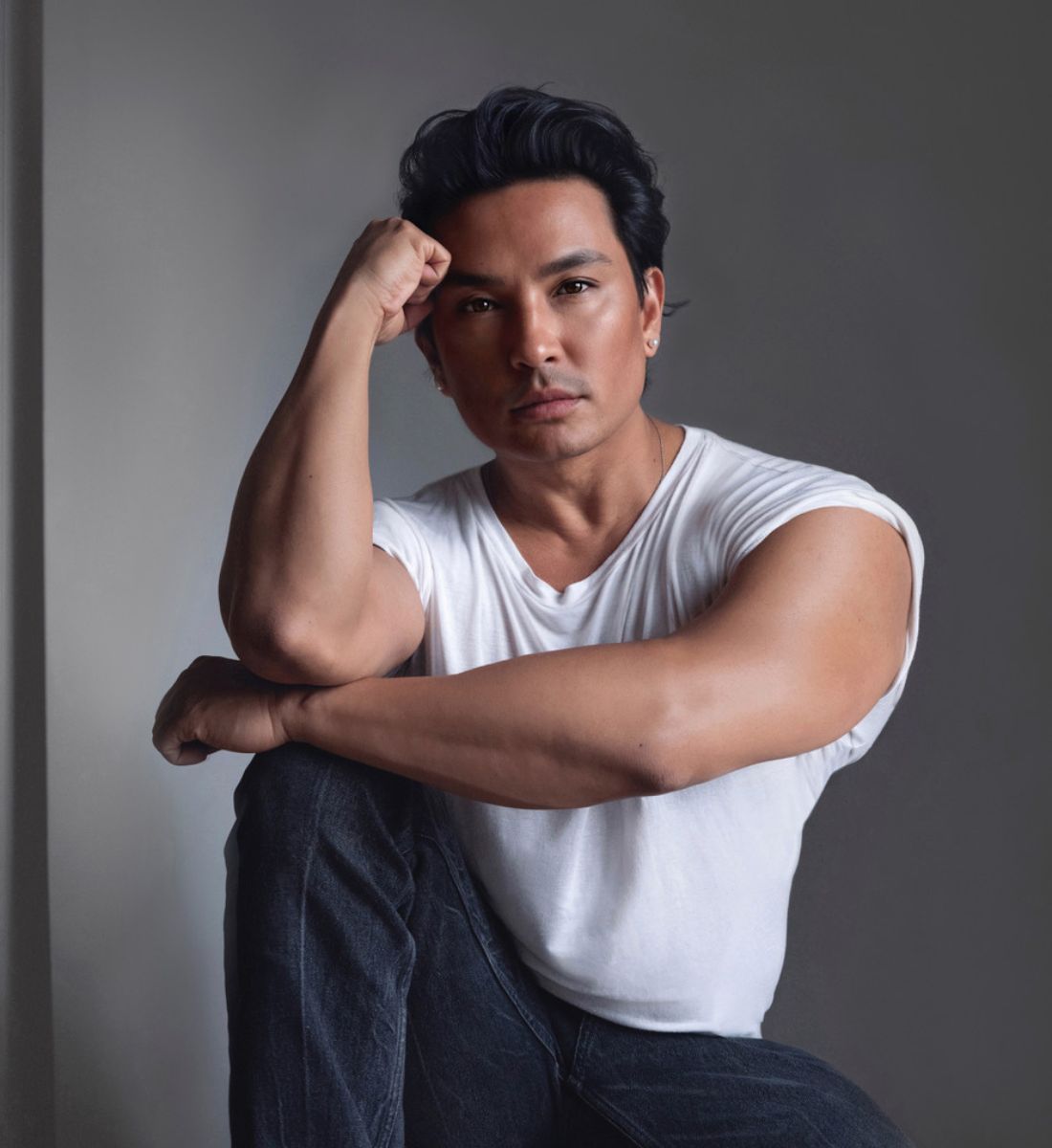
For fashion designer Prabal Gurung, fashion is a celebration of culture and stories. Growing up across Nepal, India and for a time, Singapore, the designer’s love of fashion was shaped by the kaleidoscope of perspectives that surrounded him growing up. Now based in New York, where Gurung has been steadily developing his eponymous fashion label since 2009, his designs are known for being vibrant, glamorous and unapologetically rooted in his heritage.
Gurung also published his first book Walk Like a Girl in 2025. In the memoir, he details the bullying and ridicule he faced for loving fashion growing up, and how his mother helped him overcome those painful experiences. That, and his cross-culture upbringing formed the building blocks of his brand, which has since been worn by the likes of Michelle Obama, Beyoncé and Lady Gaga.
The designer has started the year strong with his fall/winter 2026 collection, which he presented at New York Fashion Week. Gurung was also the guest of honour at the Paypal Melbourne Fashion Festival’s 30th anniversary, where he connected with over 30 designers from Asia-Pacific and reflected together on the future of fashion in the region. Following his appearance at the festival, we spoke to the designer about his new collection and his thoughts on bringing more voices from this side of the world into the fashion industry.
Related article: Matthieu Blazy Forges A New Path At Chanel With Bhavitha Mandava
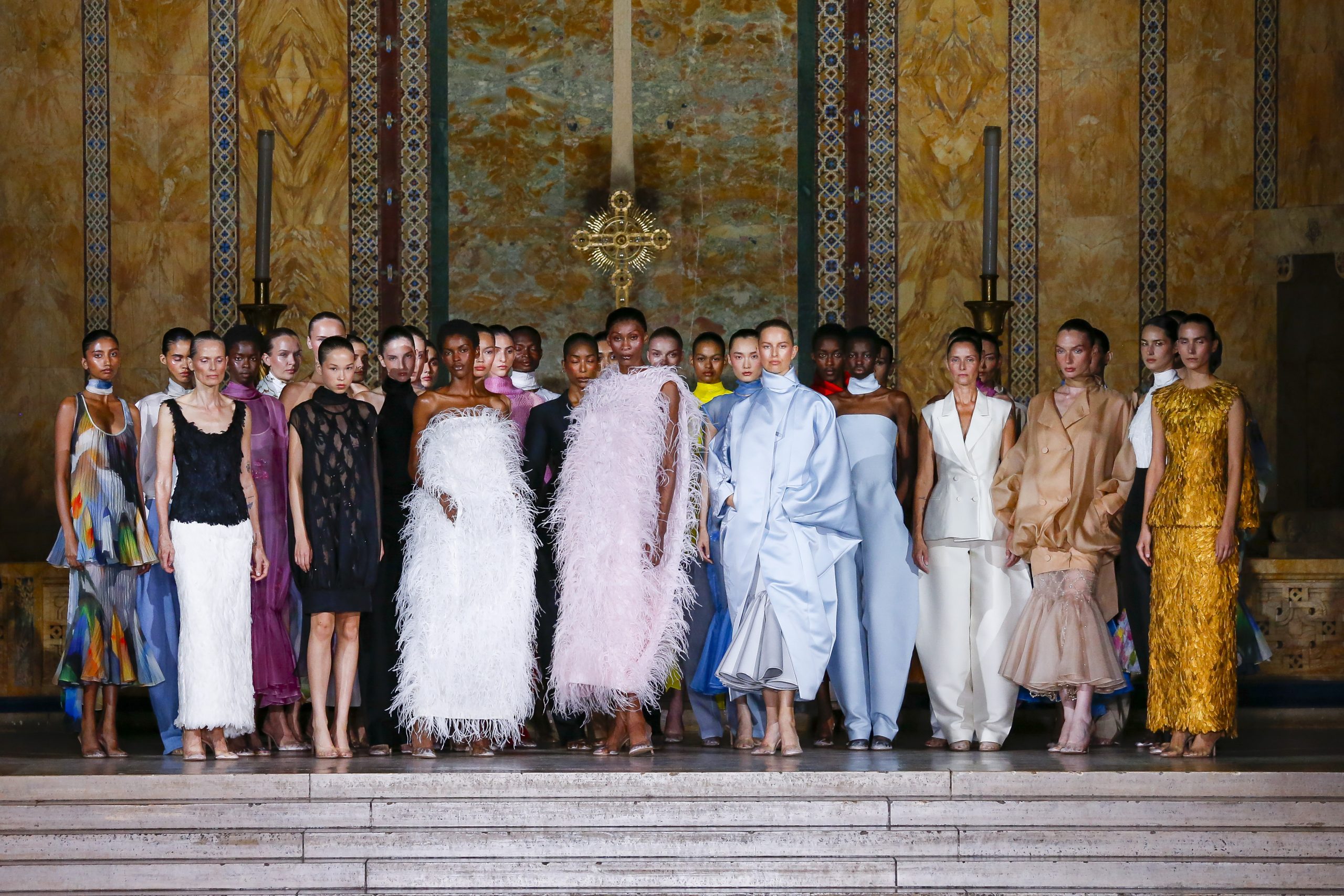
Your fall/winter 2026 collection was inspired by the question “where is home?”. How has your idea of home evolved over the years, and what significance does it play in your latest offering?
The idea of home for me, from being a single point on the map, became much deeper. Home for me is where your heart and soul are. It is a space of resilience. It’s that place where, even in the middle of darkness, you can still see colour and hope starting to break through.
For fall 2026, the idea is really celebrating what home means, where you find it, and what it looks like when the world feels shaky. We're living in a time of uncertainty, and I wanted this collection to ask how we hold on to each other through that, and where we find light when everything feels dark. It’s about recognising that home can exist in the people you love, from many places and within many communities, especially in moments when the world feels fractured.
You grew up across Singapore, Nepal and India before settling in New York. How did those experiences inform your approach in fashion, and what forms did it take in this collection?
Growing up in that part of the world meant that craft and creativity were simply part of everyday life, shaping how I approach fashion as something formed through multiple cultures rather than a single perspective. That constant negotiation is exactly why I see fashion as more than just clothes, but as a celebration of different cultures and stories.
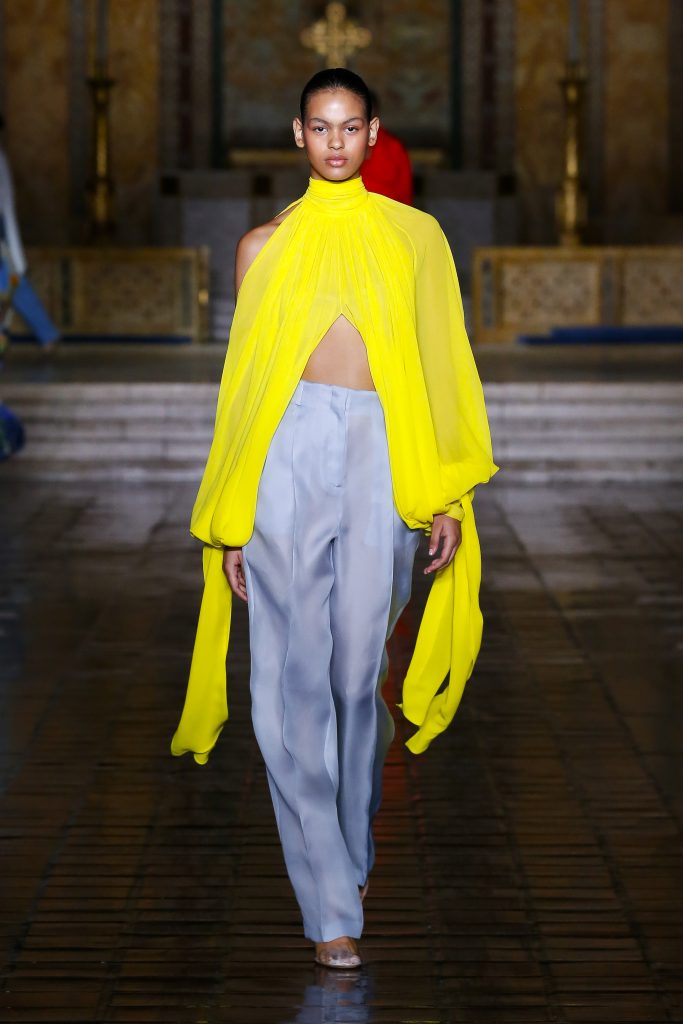
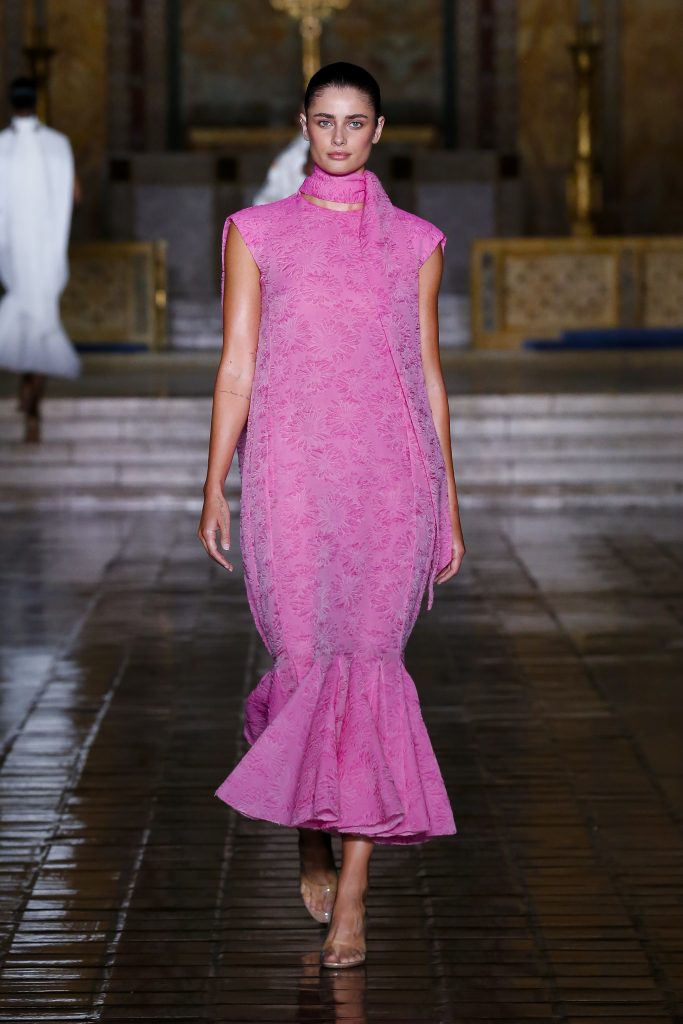
More importantly in this collection, it also connects to the idea of “home”, thinking about what home really means especially in moments when the world can feel uncertain or divided. Those experiences from home, from Nepal and India, take form on the runway.
Related article: KHAAR Breathes New Life Into Discarded Textiles
How has your cross-cultural upbringing influenced the way you perceive beauty in the world? And how do you ensure its representation within your brand?
Growing up the way I did taught me that beauty isn’t tied to one skin tone or one body type. It is something deeply connected to heritage and identity, not something defined by a single standard. It lives in diversity, empathy, and being unapologetically yourself. What we celebrated at the recent Melbourne Fashion Festival is proof of that. To me, the simplest definition of beauty is being confident in your own skin.
My goal has always been to reflect a world where people from different backgrounds don't just feel included but feel that they fully belong, without apology. That's what I want to offer: The recognition that you belong here, and the quiet confidence to take up space exactly as you are, something I saw so clearly whenIndian singer and actor Diljit Donsanjh wore my design at the Met Gala and celebrated his culture unapologetically.
You’ve spoken about remembering the essence of Singapore from your early years here. What remains most prominent in your memory?
I was very young when we moved to Nepal from Singapore, but the country’s essence has stayed with me through my mother and vivid memories that I have. I have these memories of playing with my mum’s makeup and messing around with my sister’s clothes in our home there. But more than that, I carry the values she brought from that time: Grace, tenacity, and the freedom she gave me to just be. Watching her carry the weight of the world with such quiet strength, first in Singapore and then in Nepal, taught me that you can show up with elegance no matter what the circumstances are.
I owe that to her, and to all the women in my life—my sister, my grandmothers, who have always been my greatest source of inspiration and strength. The greatest heirloom they passed on wasn’t something material, but grace and tenacity, and the permission to be yourself fully.
What role do you believe Singapore can play in the fashion landscape, particularly in the Asia-Pacific region?
Countries across the Asia-Pacific, like Singapore, and neighboring creative capitals like Australia, have a unique and vital role to play in shaping what comes next. The conversation is shifting—and the East is at the center of that shift. It is no longer just East meeting the West, it is West meeting the East. Singapore's diversity and creative ambition make it a place where cultures and ideas naturally converge—where local talent can connect with audiences across the region and far beyond.
Related article: Exclusive: Atipa On Building The Fashion Brand Beloved by Thai Stars Rebecca Armstrong & Win Metawin
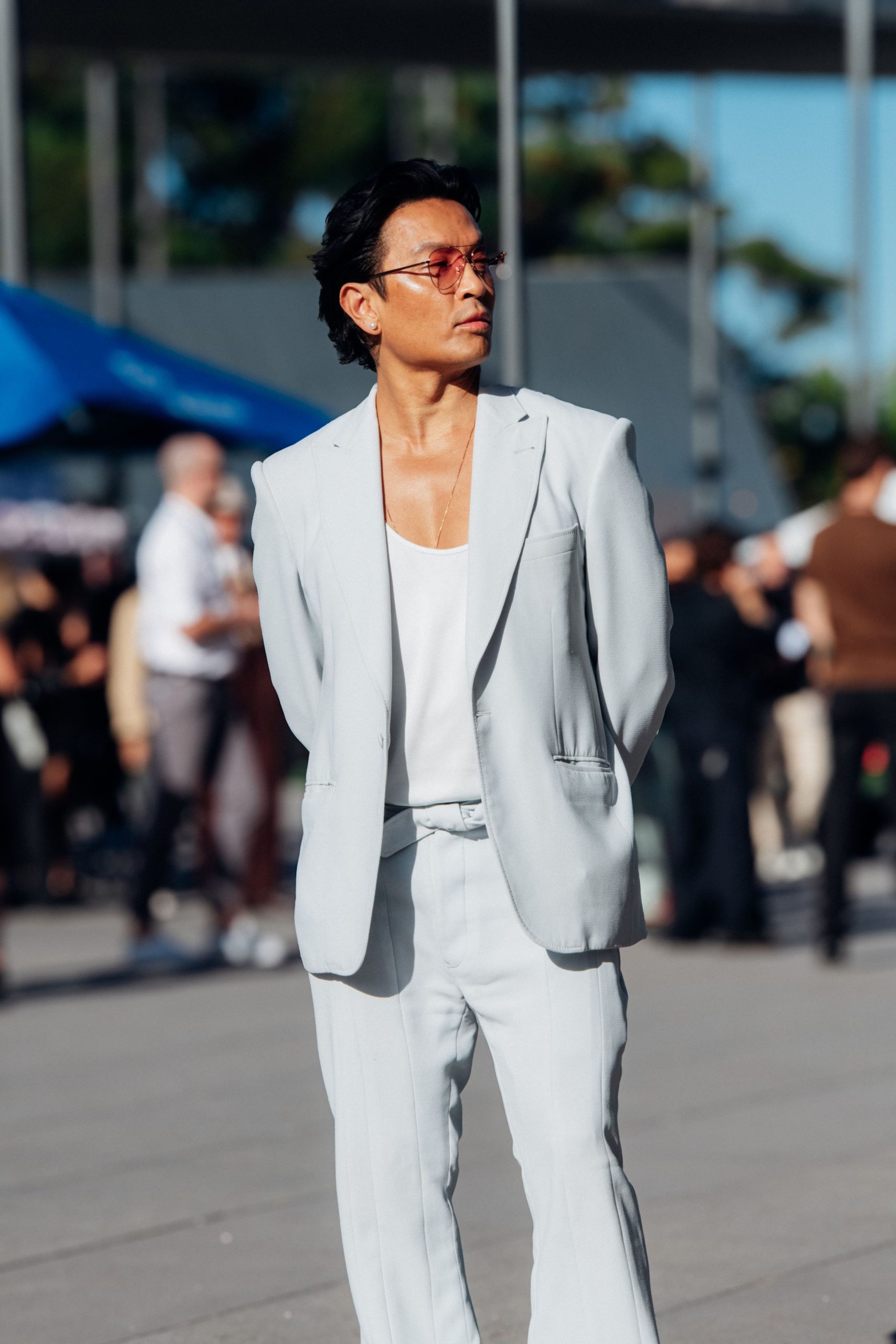
You have been building your eponymous brand since 2009—how has the fashion industry evolved since, particularly around non-eurocentric voices? What role does fashion play today, in your opinion?
When I launched my brand in 2009, ideas about who defines what is chic and luxurious, and what is fashionable and beautiful, were heavily influenced by a colonial lens. But over the years, I've witnessed fashion become far more expansive and, at the same time, interconnected. There's a stronger spirit of collaboration now, where diverse cultures are no longer viewed as the 'other,' but as a crucial part of a shared global narrative that we have. I believe that’s what fashion does—allow that exchange of perspectives and create real space for more diverse voices—especially from those of us who were once on the margins. And you can see that shift even here at the Melbourne Fashion Festival, where many Asian designers are helping define what luxury looks like today.
What advice do you have for young designers looking to succeed in the Asia-Pacific region?
First is to give yourself permission to fail. Give yourself permission to be messy. The most important thing is to stay curious and never stop learning. We’re so obsessed with perfection, but growth actually happens in exploration—and yes, in failures. Don't be afraid to take risks that don't pan out.
Most importantly, own your story. The experiences that shape you—your individuality, culture, your struggles and joys—that is your superpower. When you work from a place of total authenticity, you create a real connection with people, and that is what leads to a lasting impact. As I wrote in my book Walk Like a Girl, real freedom comes from having the courage to be unapologetically yourself.
*This interview has been edited and condensed for clarity.