
TikTok creator Aon Somrutai’s catchphrase, “Thank you, Kateyki”, became a viral meme last year, eventually leading to a collaboration with Blackpink’s Lisa. Another internet icon, the pygmy hippo Moo Deng, catapulted to global fame after videos of her playful antics went viral in 2024—sparking a surge in visitors to Khao Kheow Open Zoo and the launch of her own merchandise. Together, these online sensations underscore how Thai internet culture is increasingly capturing global attention.
Beyond memes, another cultural force has been gaining momentum: The Thai music scene. Winning hearts across the region, it proves that sound and emotion can transcend language barriers. Now the fifth-largest music industry in Asia—with Japan leading the region as the world’s second-largest music market—Thailand is steadily solidifying its presence through growing representation at international music festivals and fashion events.
T-pop acts are actively expanding their global reach, building fanbases and stage presence well beyond home ground. In Singapore, the 555 Thai Music Festival, held at Resorts World Sentosa last year, brought some of the biggest names in Thai music to the city. From rock band Potato to hip-hop artist UrboyTJ and singer-songwriter Violette Wautier, the festival drew a large crowd of regional fans. Elsewhere, acts such as Tilly Birds, Bowkylion and Jeff Satur held solo shows to packed audiences in 2024. With groups like Three Man Down and Jeff Satur set to return this year following previously successful shows, the appetite for Thai music in Singapore shows no signs of slowing down.
Related article: The Hottest Women In Music Are Breaking All The Rules
The Steady Rise of Thai Music’s Global Appeal
Related article: GOT7's YUGYEOM Talks Style, Music, And Everything In Between
Though the Thai music wave may seem like an overnight sensation, its rise has in fact been steady and gradual—fuelled by the increasing accessibility of content on digital platforms such as YouTube and TikTok, as well as music streaming services like Spotify. These platforms have become vital launch pads for music discovery, promotion and fan engagement.
Since 2020, Spotify has supported Asian artistes through RADAR, its global programme designed to spotlight emerging talent via dedicated playlists and editorial placements. The impact is increasingly evident across the region and beyond. Thai singer Jeff Satur, a RADAR artiste in 2022, now counts over 1.7 million monthly listeners—a clear marker of how digital platforms are reshaping the trajectory of Thai music on the global stage.
Thai rapper and R&B singer Tobii gained wider recognition when his tracks “Bad Girls Like You” and “Hotel Lobby” went viral as TikTok dance challenges. Other notable acts include Timethai with “Hit Me Up”, and more recently Galchanie with “Baby Tee”. Their catchy melodies and distinct musical identities have captured the attention of international audiences, with fan-made translations further breaking down language barriers—allowing listeners to connect with the songs on a deeper level.
For others, the gateway came through another cultural phenomenon: Thai boys’ love series. Viewers didn’t just connect with the stories and characters—they were equally drawn to the original soundtracks that brought those narratives to life. Jeff Satur, now one of the most buzzworthy artistes in the Thai music scene, rose to prominence with “Why Don’t You Stay”, a self-written OST for the hit series KinnPorsche that quickly became a fan favourite. Alternative rock band Tilly Birds also gained wider recognition after their song “Just Being Friendly” was featured as a cover in another popular series, My School President.
Related article: Lisa's Own Songs Are At The Top Of Her Own Playlist: "I Listen To My Music All The Time"
Tunes of T-pop
The diversity of Thai music is also part of its appeal, spanning a bold mix of genres—from pop to folk and everything in between. At the same time, Thai music remains deeply rooted in identity and culture, often blending modern sounds with traditional elements. Artistes incorporate local dialects and traditional instruments, celebrating the country’s rich cultural heritage. It’s these defining characteristics that make you instantly recognise a track as T-pop.
Gen Z rapper MILLI embodies this fusion with effortless confidence. She made headlines in 2022 as the first Thai solo artiste to perform at Coachella, going viral for eating mango sticky rice on stage. More importantly, she consistently weaves her Thai roots into her music and lyrics. One standout example is “Hey Hey”, which fuses rap with luk thung, a genre often described as Thai country music. The upbeat track—and its music video featuring Thai country singer Arpaporn Nakornsawan—offers a vivid snapshot of Thai culture, reimagined for a global audience.
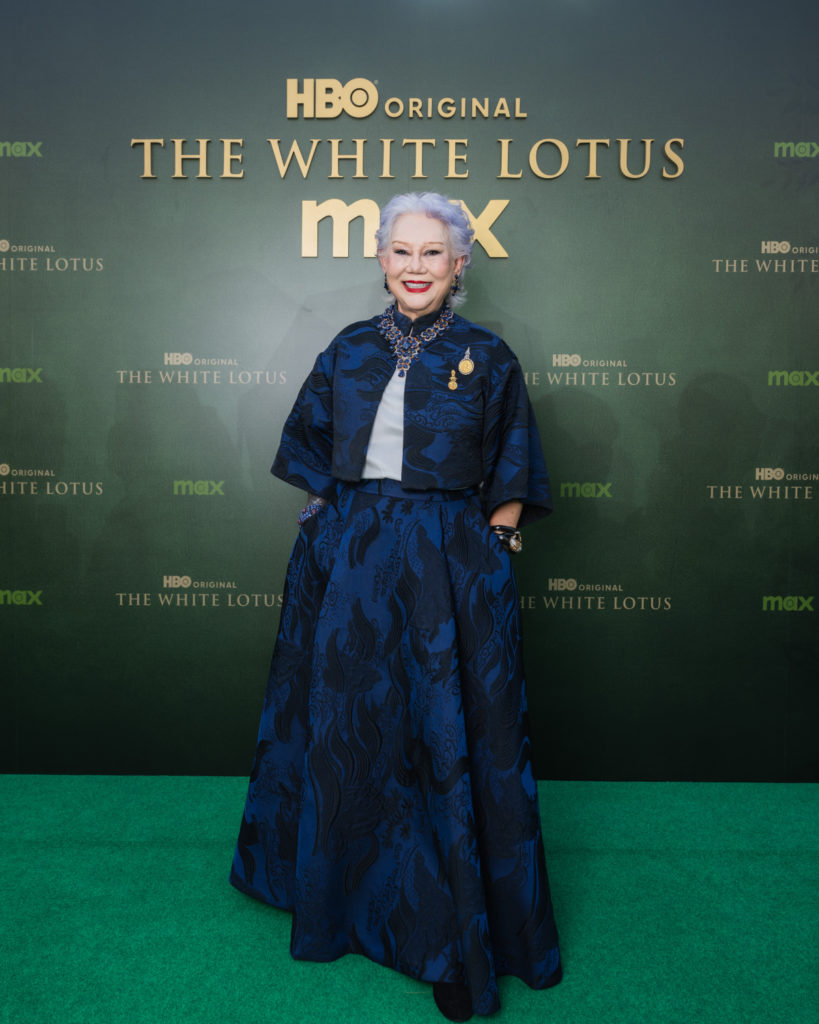
Thai music is also making its way into mainstream global media. With the third season of The White Lotus set in Thailand, it’s only natural for the soundtrack to reflect its cultural setting. One of the standout musical moments features veteran actress Lek Patravadi, who plays resort owner Sritala, performing “Lam Tad”—a song she originally recorded and performed in 1992.
Achieving Local Success
K-pop has long provided the blueprint for idol production, with Thai superstars such as Lisa of Blackpink, BamBam of Got7 and Minnie of i-dle leaving home to pursue their dreams within the Korean pop system. Their global success helped shine a spotlight on Thailand’s music and culture. Today, however, as the Thai music industry continues to mature—with homegrown labels stepping up production quality and creative direction—local talents no longer have to look abroad for recognition or fame.
T-pop groups have since carved out a distinct identity of their own, expressing it through music, dance and fashion. The sight of international fans flying into Thailand to catch sold-out arena shows is becoming increasingly common, with the popularity of groups such as BUS and 4EVE standing as clear proof of the growing global interest in T-pop.
Thai Concert Culture
Live concerts play a pivotal role in introducing audiences to songs and artistes they may not have encountered otherwise. Beyond performing their own material, Thai artistes often include covers of fellow musicians’ tracks in their setlists, creating a cycle of mutual support and recognition within the scene. This collaborative approach broadens exposure and encourages discovery across genres.
Guest performances further reinforce this spirit of collaboration. At his recent Red Giant concert in Thailand, Jeff Satur shared the stage with rising stars including William of LYKN, Daou Pittaya, Flower.far and Mang of bamm—spotlighting them as the next generation of vocalists. It’s a reflection of a music culture that actively creates space for emerging talent to grow.
Beyond individual artistes, institutional support has also played a role in Thailand’s rise as a regional music hub. Backed by government initiatives, the country has become a key destination for major festivals in Asia, drawing large crowds to events such as Rolling Loud and Big Mountain Music Festival. Thailand’s Creative Economy Agency has further strengthened this momentum with its Music Exchange programme, designed to help local artistes perform on international stages. With Thai musicians appearing at major festivals such as Head In The Clouds in Los Angeles earlier this year and Summer Sonic in Japan this August, the scene appears well-positioned for sustained growth on the global music stage.
Putting Thailand On The Global Fashion Map
As music and fashion are deeply intertwined, Thai artistes are not only gaining fans worldwide but also catching the attention of luxury fashion houses—earning front-row seats and global ambassadorships, and placing T-pop alongside major music industries such as K-pop and Western pop.
Both music and fashion are powerful forms of self-expression and cultural identity. In her solo debut music video “Lalisa”, Blackpink’s Lisa paid tribute to her Thai roots by inviting local designers—Asava, Hook’s by Prapakas and Sarran—to customise one of her looks. As one of the earliest and most prominent Thai celebrities to become a luxury brand ambassador, Lisa helped set the stage for Thai artistes to showcase their sartorial influence on a global scale.
As luxury fashion houses appoint more Thai celebrities as their brand ambassadors, it's a clear acknowledgement of their influence extending far beyond music. It proves their star power, growing appeal across the region and solidifies their status as a fashion icon.
Parallel to the K-pop industry, most fans don’t just stop at enjoying the music but also build a deep emotional connection with the artistes through their presence on social media. With a large regional fanbase who seek to emulate their favourite artiste’s style and amplify their idol’s reach, appointing a Thai brand ambassador is a strategic move to expanding a house’s brand appeal and tapping into Asia’s growing luxury market.

Multi-hyphenate PP Krit exemplifies this influence. A Balenciaga brand ambassador, he recently walked the house’s runway during Paris Couture Week, emerging as one of the most influential celebrities in attendance. His appearance generated an estimated US$3.65 million in earned media value with a 26.2 per cent engagement rate—contributing to Balenciaga achieving the highest visibility of the event alongside fellow ambassador Lee Ju-yeon of The Boyz.
Luxury giants are increasingly recognising the value of aligning with Thai ambassadors beyond the music industry alone. Figures such as Win Metawin and Bright Vachirawit have demonstrated their ability to amplify reach and drive engagement, generating millions in earned media value for Prada and Burberry respectively. Meanwhile, Dior house ambassadors Apo Nattawin and Mile Phakphum ranked among the top five influencers of the Men’s Spring/Summer 2026 Paris Fashion Week earlier this year.
As Thai representation becomes more prominent in international music events and fashion shows, this opens doors to audiences around the world who have not been exposed to Thai music. With increased visibility of the genre, more listeners are able to discover and experience the richness of Thai culture through music. And as more people take notice of Thailand’s music scene through mainstream media and the internet culture, the country is evolving to be one of the leading forces in the Asian music market going up against other music powerhouses.