
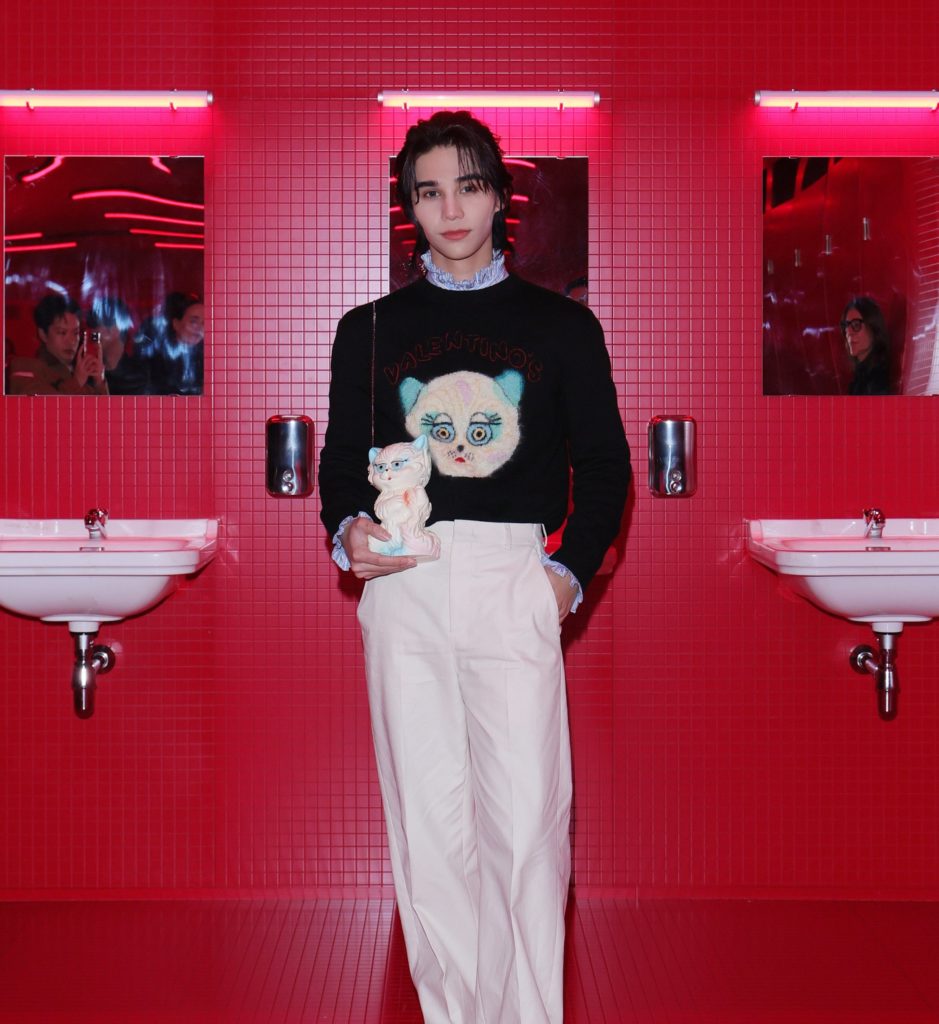
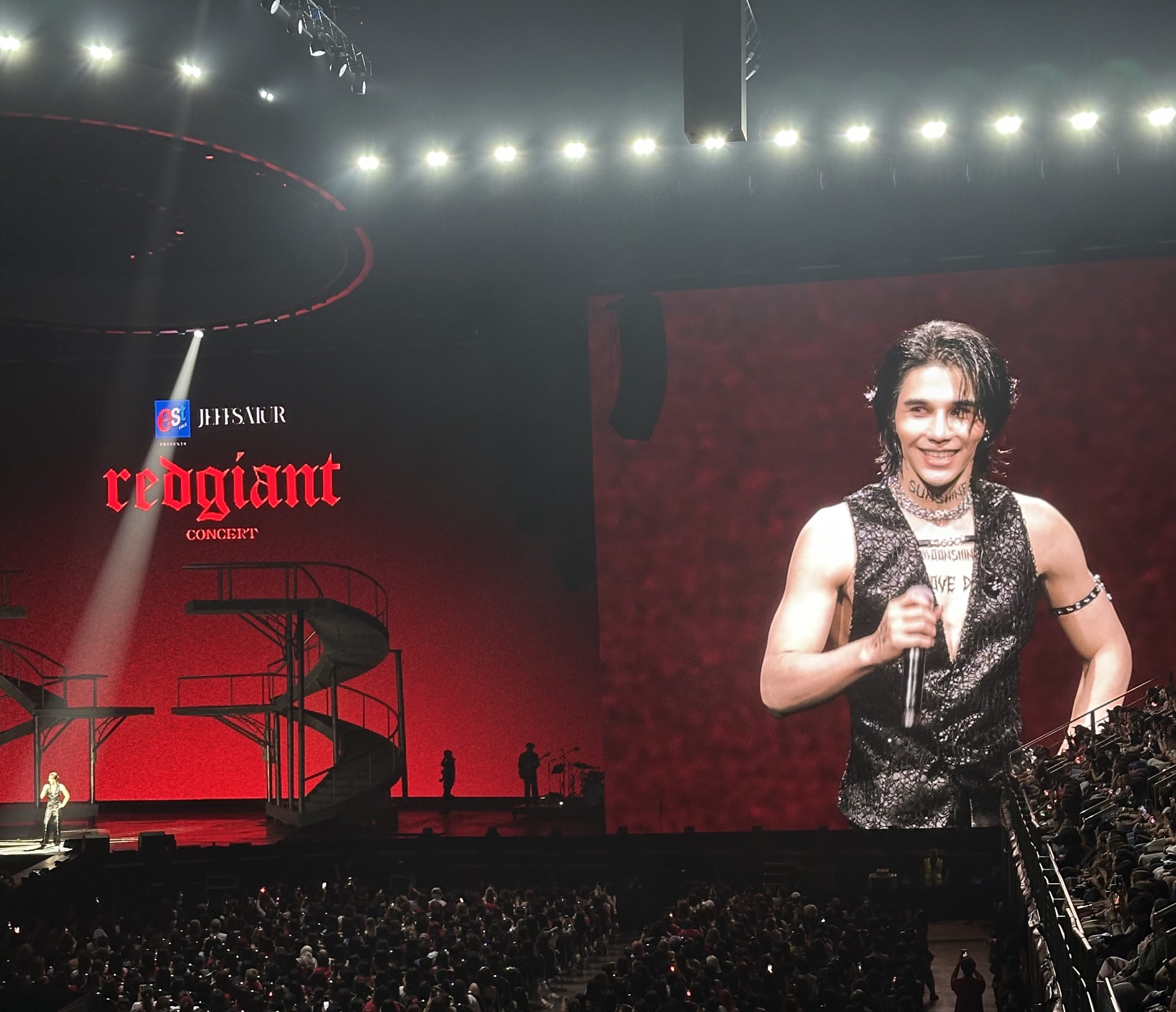
Some people splurge on designer bags. I prefer to splurge on concert tickets. Case in point: The $426 I forked out to take a photo with my favourite Thai singer, Jeff Satur, who is heading to Singapore this month for the Asian leg of his tour. This photo op comes as part of a VIP concert experience that includes entry to the soundcheck and a hi-touch (or in non-fangirl speak, high-five) moment.
That price tag doesn’t even come close to what I spent when I went to Bangkok to catch Jeff for a concert in his home country. Throw in the cost of flights, accommodation, meals and merchandise, and that entire trip set me back by almost $800. Was it worth it? Absolutely. After all, money is just a construct if my idol notices me. For a performer like Jeff, with soulful vocals, a magnetic presence, and the ability to craft a story with every note, the investment felt completely justified.
Related articles: Eat, Pray, Leap: What Going Through A Transformative Quarter-Life Crisis Looks Like
Related article: STAYC Redefines K-Pop with [S]: A Bold Fusion of High Fashion & Sonic Innovation
Having been a fangirl for almost half of my life, concert tickets and fan meets are the tip of the iceberg for any dedicated fandom member. Many others have paid more to get a private photo with their idols through “top spender” events, where they spend four-figure amounts on merchandise to increase their chances of meeting their idol in the flesh.
I’ve been there, too. I once bought 20 albums for the chance to win a two-minute video call with Haechan of NCT Dream—and it worked! Although it was a brief interaction, the intimate video call gave me a priceless memento: I still rewatch the video whenever I need an emotional pick-me-up. You are most probably wondering right now: Isn’t all this spending just a tiny bit reckless? The fact is that fans can be a lot more penny-wise than you think. Most of us budget carefully, pool album or merchandise orders to save on shipping, and set aside “fandom funds” the way others set aside savings for travel.
And if you are wondering why we go to such great lengths, the answer is simple: We feel a deep emotional connection with the artists and their music. Their songs become the soundtracks to our lives, making us feel seen and understood, whether it’s a tune about heartbreak or one that sparks a nostalgic memory. (And, of course, it’s a bonus if they happen to look good as well.)
Related article: Exclusive: ITZY on Their Journey and Evolution as One of Today’s Hottest K-pop Acts
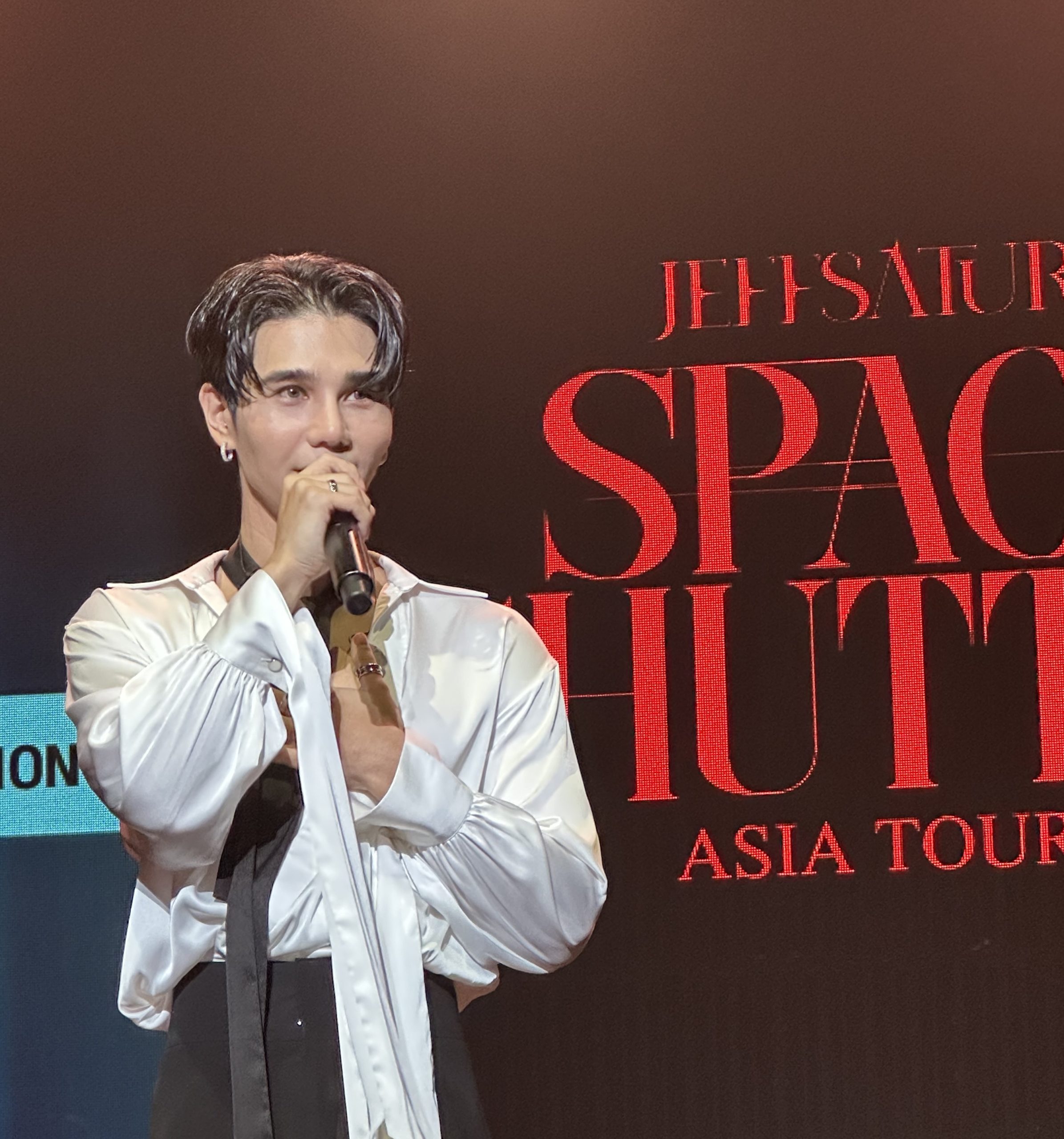
The first time I heard the song “Once Upon A Time” by Thai artist Junenom, I burst into tears. It had been less than a year since I lost my mother, and the lyrics “don’t be afraid if I’m gone one day. My body perishes but I’m here with you always,” unlocked pent-up grief and loneliness I didn’t even know I was carrying. The song remains my go-to comfort song to this day. As for Jeff, who spent years honing his craft before getting his big break, the dedication and effort he pours into his music are evident in every note he sings. His inspiring journey makes him an artist that I want to root for.
Supporting my bias is about creating meaningful experiences—and concerts are a fundamental part of that experience. Once I walk through the doors of the concert venue, nothing else matters for the two to three hours that I’m there. Not the money spent; not the hours I worked to save for it; nothing. The moment stays with me as a memory that I will forever cherish. And every part of the experience matters from start to end: From getting ready in your best concert look, to singing your heart out, to sharing the moment with other fans, there’s so much to look forward to. Being part of a fandom is also about being part of a community.
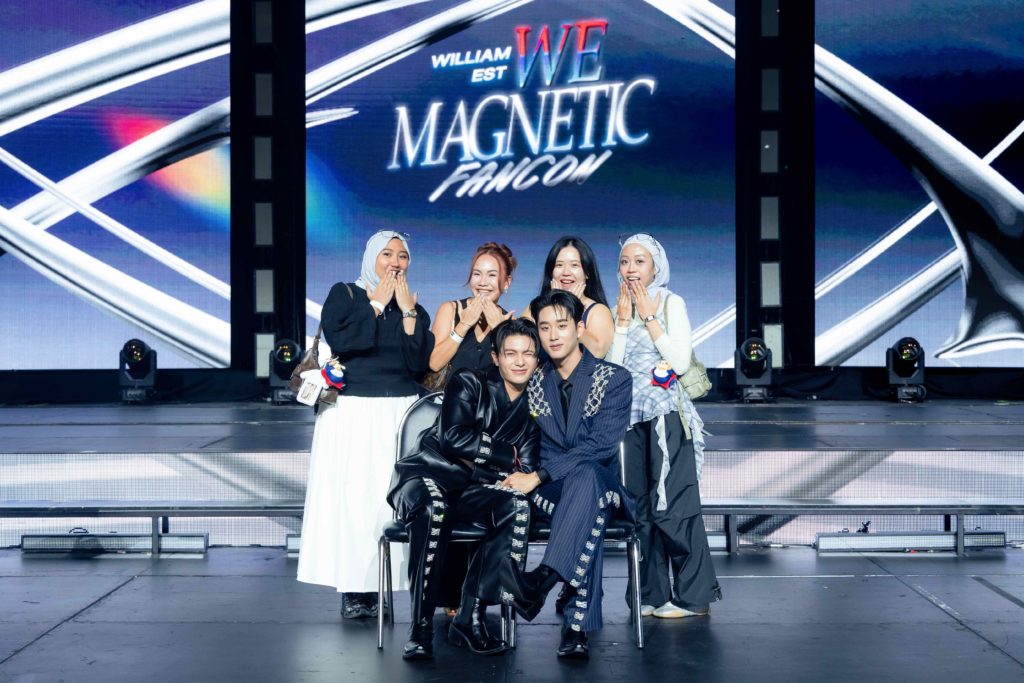
On a recent trip to Bangkok, I had the pleasure of making friends in the fandom. One was a well-known “fansite master” who follows her favourite idol to almost every event; another was a 37-year-old whose family runs a petrol station franchise. Meeting them was a reminder that the fandom looks beyond colour, age, social or economic class. It didn’t matter where we came from. Inside that crowd, we understood each other perfectly. Surrounded by others who embrace the same passions allows us to truly be ourselves without the fear of being judged.
And it goes beyond concerts and meet-and-greets. Fans stream songs, buy albums and merchandise, and do everything they can to support their favourite artists. There is a deep sense of pride when we see our idols succeed. When they win awards, become brand ambassadors or attend fashion weeks, we feel a sense of accomplishment knowing that we helped them get there. As fans, we’re satisfied with our efforts being recognised through our idol’s award acceptance speech. Jeff, for example, makes it a point to let his fans feel cherished: With every award he wins, he gathers his fans and goes around letting them touch the award as if to say, “As much as it’s mine, it’s yours too.”
From the girl who was introduced to K-pop at a young age to the working adult who found comfort in Thai music, this fangirl identity has endured the course of time—it’s stayed with me as I hit major milestones, and through all of life’s highs and lows. The concerts, trips and albums may become a distant memory one day, but the joy of being a fangirl will last forever. Because at its core, it isn’t just about the music or the idols—it’s about the friendships it has led me to, the comfort it has given me, and the courage to love something wholeheartedly. And of that I will never be ashamed.