
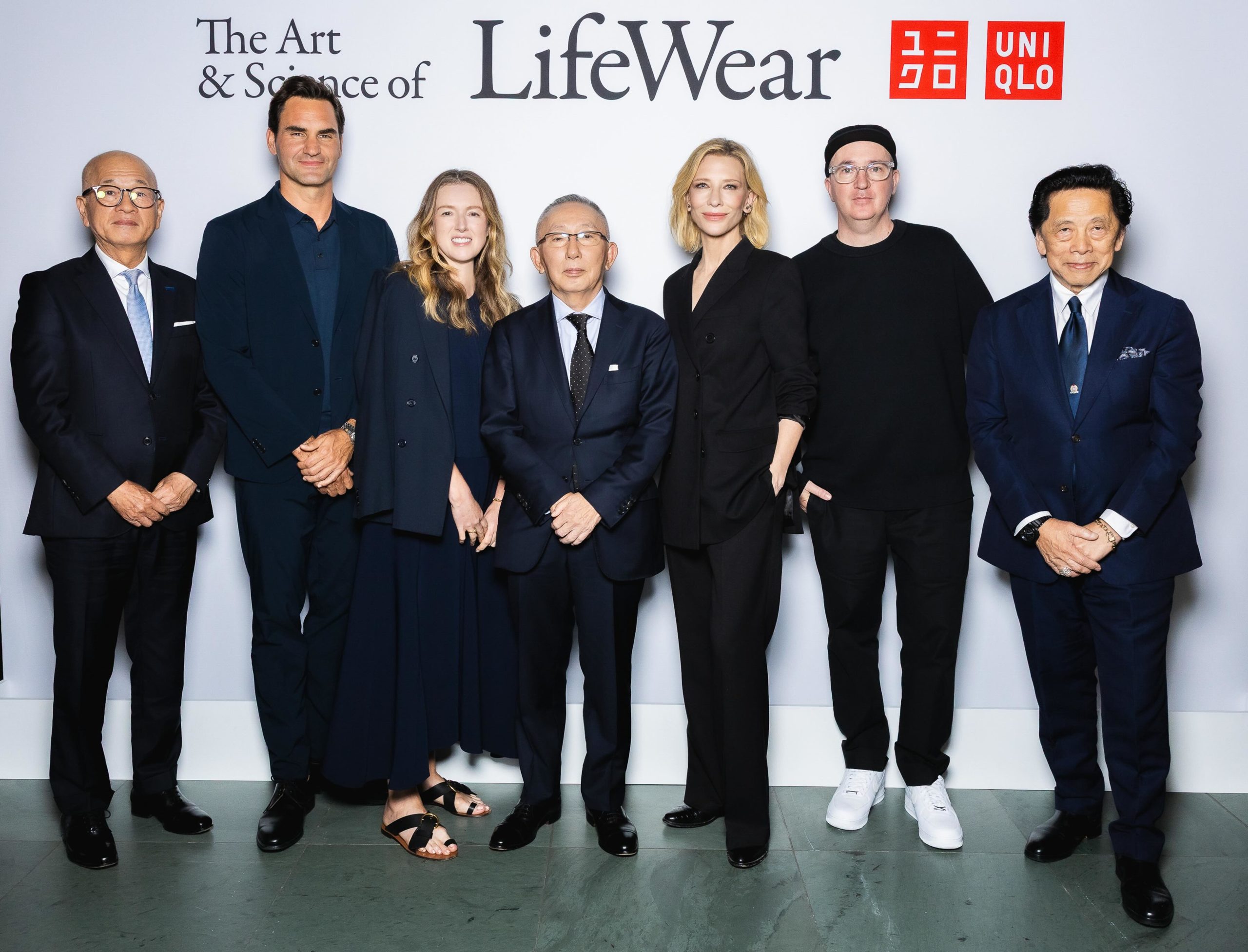
The sun dips behind glass towers, its amber light shimmering across the fire escapes and brownstone facades of Manhattan. I’m at the Museum of Modern Art (MoMA) for Uniqlo’s annual The Art and Science of LifeWear event, which has transformed the museum’s storied galleries into a bustling showcase of innovation. Home to contemporary masterpieces like Salvador Dalí’s The Persistence of Memory (1931), Claude Monet’s Water Lilies (1914–26), and Vincent van Gogh’s The Starry Night (1889), the museum’s focus for one evening has shifted to LifeWear—Uniqlo’s philosophy of elevated essentials designed for everyday life. The atmosphere feels especially charged, amplified by the hustle and bustle of New York Fashion Week unfolding just beyond MoMA’s glass exterior.
Related article: Ryujin, Winwin, Rebecca Lim & Desmond Tan Attend An Exclusive Very Ralph Screening In Singapore
Global Stage
Related article: Kim Sejeong Heads To Cotswolds In Longchamp's Gloverall Capsule Collection
Bringing Uniqlo’s LifeWear philosophy to life through immersive storytelling, innovation and craftsmanship, this annual tentpole event was first introduced in New York in 2017. Since then, the travelling exhibition has made its mark in cities such as Paris and London, each chosen for its cultural resonance and international reach. Last year’s edition unfolded at the Pavillon Vendôme in Paris after the UT Grand Prix Awards Ceremony at the Louvre Museum to underscore the brand’s ongoing dialogue with the worlds of art and design.
Returning to New York this year, Uniqlo set the stage at MoMA to reaffirm a longstanding partnership that spans more than a decade. The choice of venue reinforces the brand’s mission to weave creativity and culture into everyday wardrobes—ensuring LifeWear doesn’t just exist in the closet, but in the broader landscape of modern living.
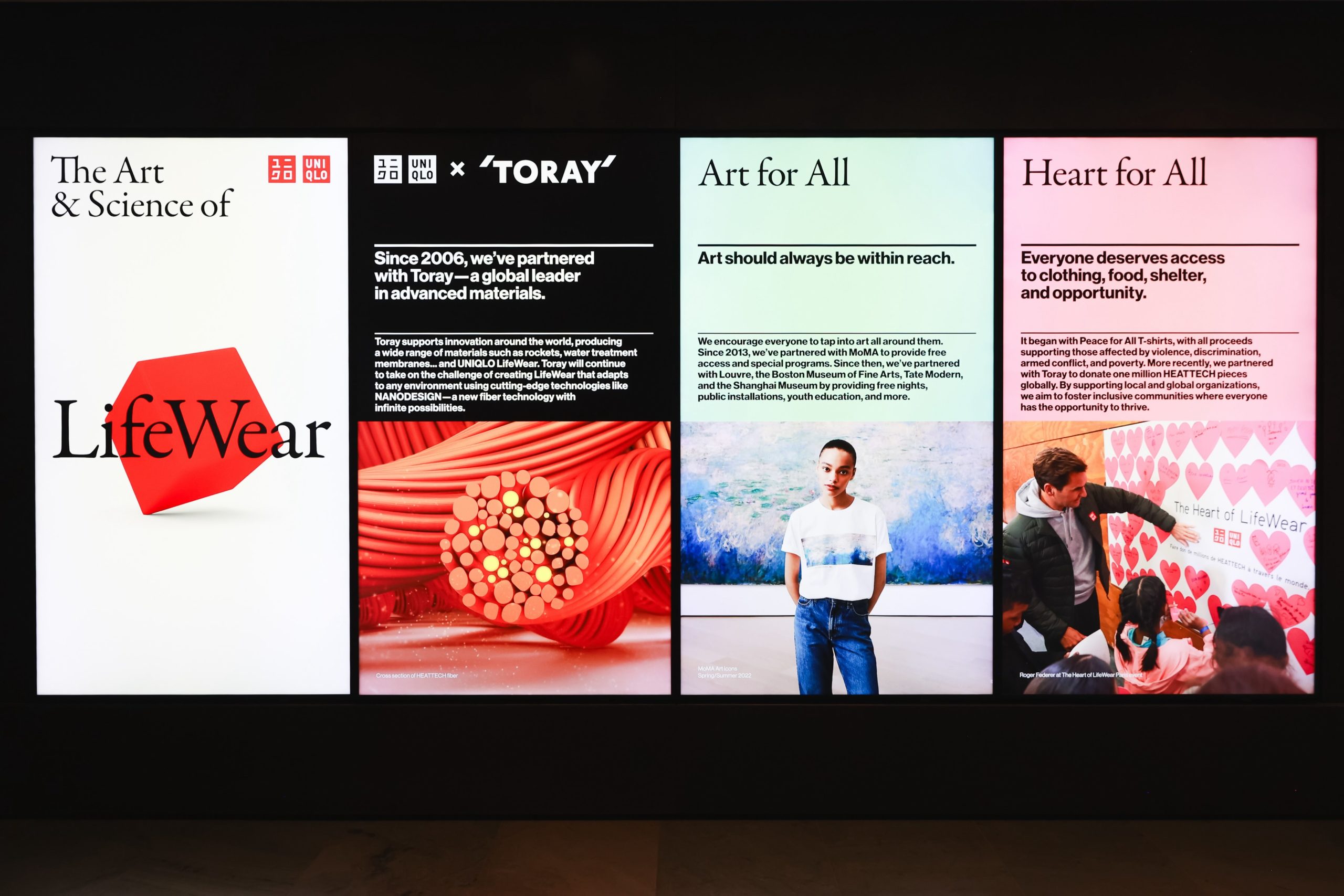
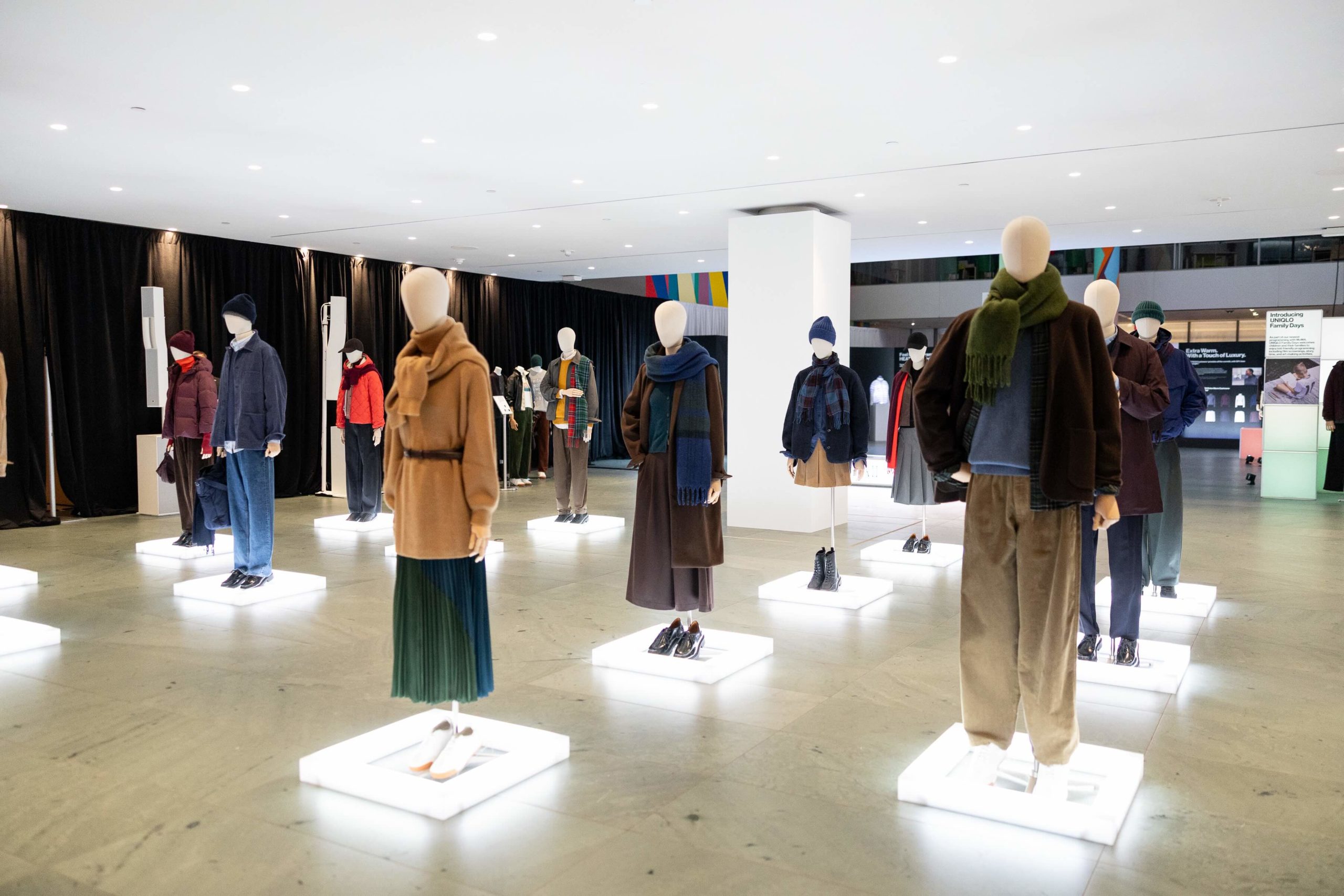
This year’s event also marks a milestone: It has been 20 years since Uniqlo first arrived in the United States, a market Tadashi Yanai, CEO of Fast Retailing, cites as one of the company’s fastest growing. With 108 stores across North America, 76 in the U.S. alone, the brand used the occasion to unveil new material innovations alongside its fall/winter 2025 collection. Guests, who flew in from all over the world, explored these advancements as part of immersive installations dedicated to LifeWear’s three pillars: Technology For All; Art For All, to celebrate its MoMA partnership; and Heart For All, to reaffirm the brand’s dedication to improving lives.
Tech Talk
Related article: The Return Of Polka Dots: How A Classic Print Is Defining Modern Femininity
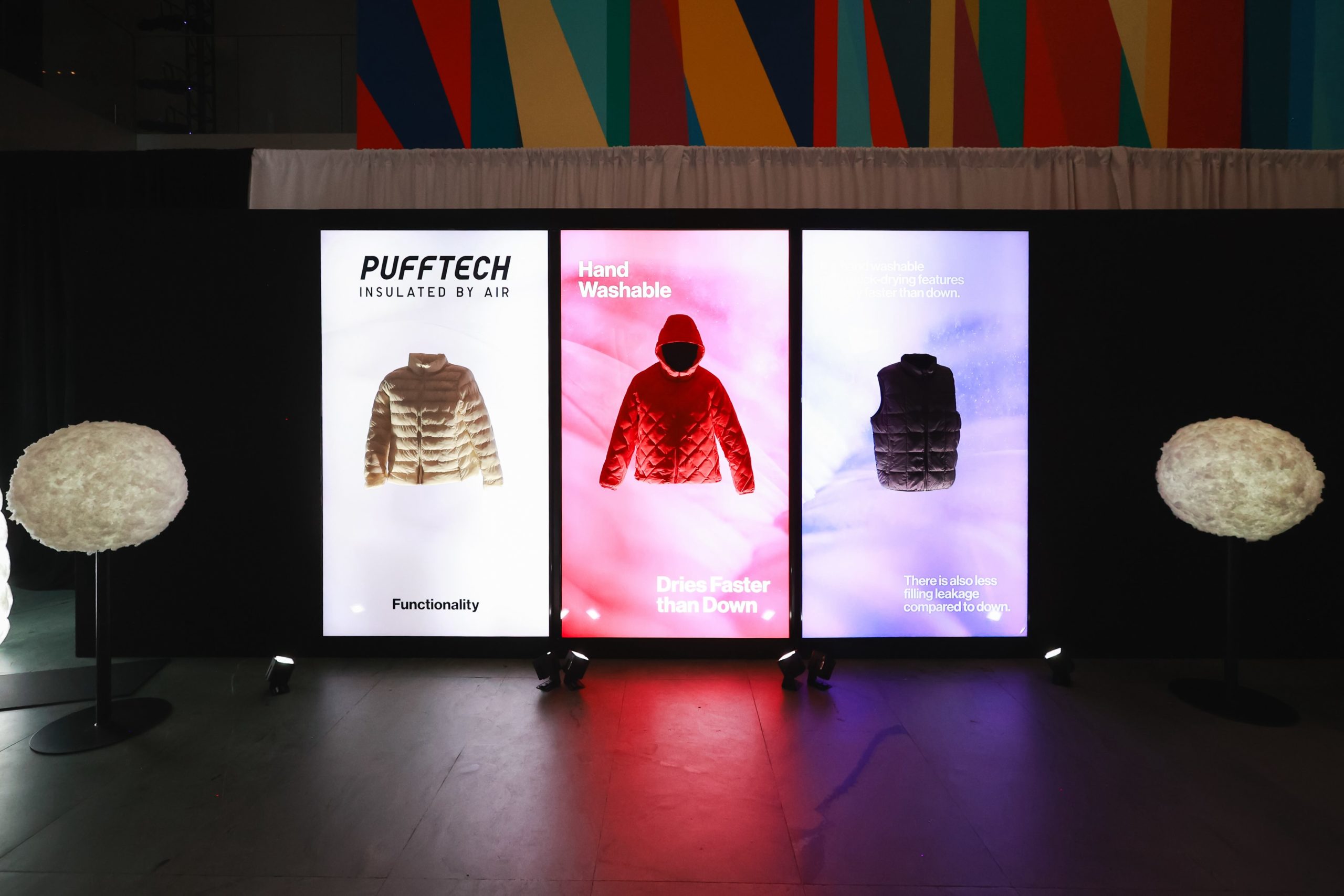
Central to the Technology For All pillar was Uniqlo’s longtime partnership with Toray, the Japanese textile giant whose innovations have powered LifeWear for decades. “Together, we’ve created everything—from thin and warm HEATTECH clothing, to AIRism pieces that are so comfortable people forget they’re wearing them, and POCKETABLE UV PROTECTION PARKAS that repel light rain,” says Toray President Mitsuo Ohya. On display for the evening were PUFFTECH designs, a next-generation lightweight outerwear insulation that offers warmth without bulk, alongside HEATTECH Extra Warm cashmere blend innerwear—created in response to consumers’ desire for the product in natural fibres.
“We’ve always believed that materials can change lives,” Ohya adds. “By recognising the challenges of climate change, ageing populations, and identifying what consumers truly seek, we’ll continue evolving LifeWear in ways that surprise and delight.” This integration of science and style exemplifies how technology enhances everyday life without compromising on comfort or design—but in true Uniqlo fashion.
Timeless Designs
There are brands that shout, and there are those that quietly become part of how we live. For many Singaporeans, Uniqlo has always been the latter. Where other labels build desire through seasonal hype, Uniqlo has built loyalty through purpose and technology: AIRism keeps us cool in our humidity, HEATTECH keeps us warm when we travel to cold climates, and the cuts are designed to endure beyond a single season. As Tadashi shares, the company’s mission has always been to “better society through clothing,” championing what he calls the “democratisation of clothing” via high-quality, meticulously made garments that are accessible to all.
This belief in clothes that endure sits at the heart of LifeWear. “It is a common misconception, but Uniqlo is not fast fashion,” Yanai asserted during his keynote. “We make clothes that transcend the times and can be worn year after year.” The philosophy is rooted in attentiveness—listening closely to how people live, developing technologies that solve real-world needs, and designing garments that instil “confidence and a sense of wellbeing over the course of daily life.”
Style In Focus
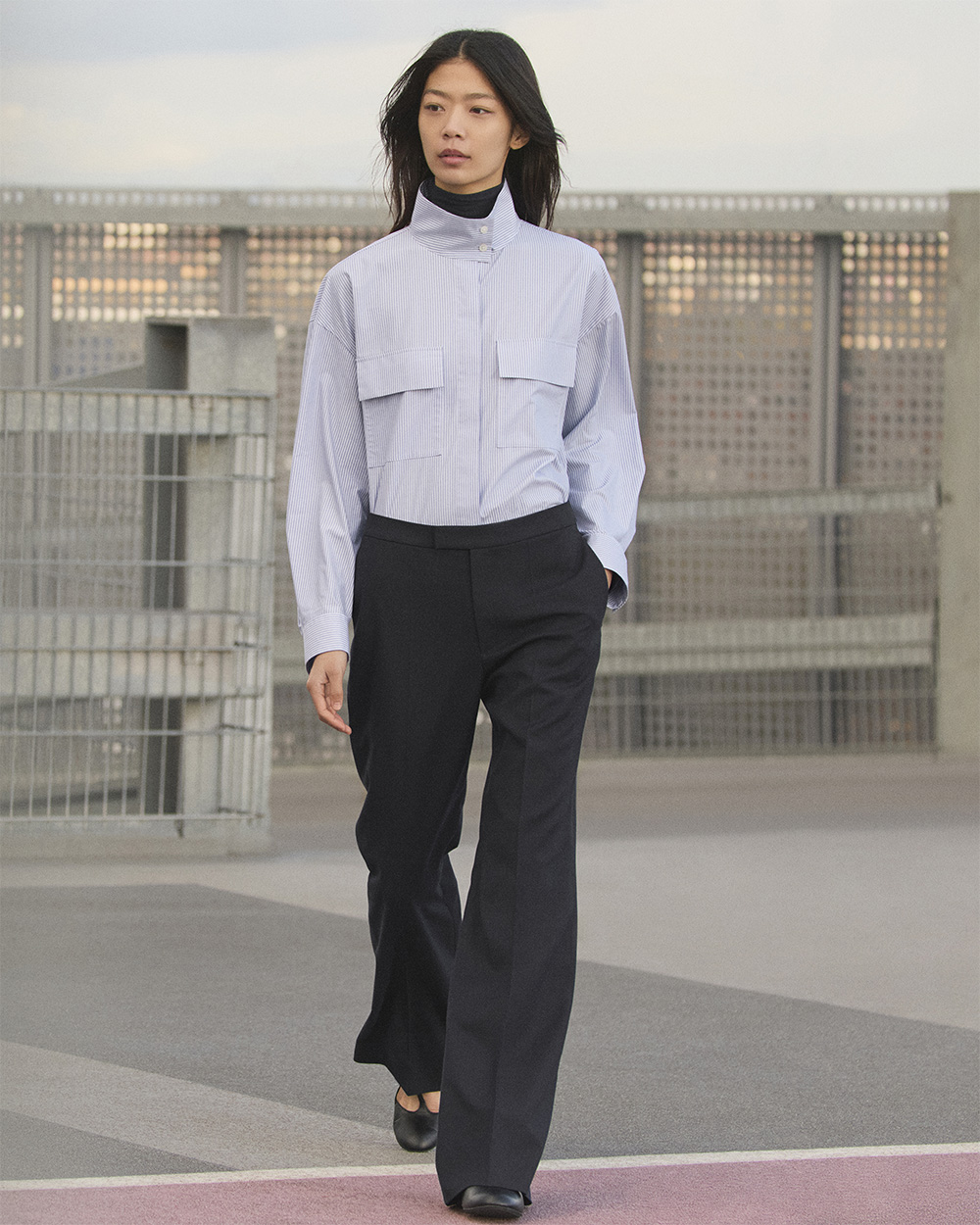
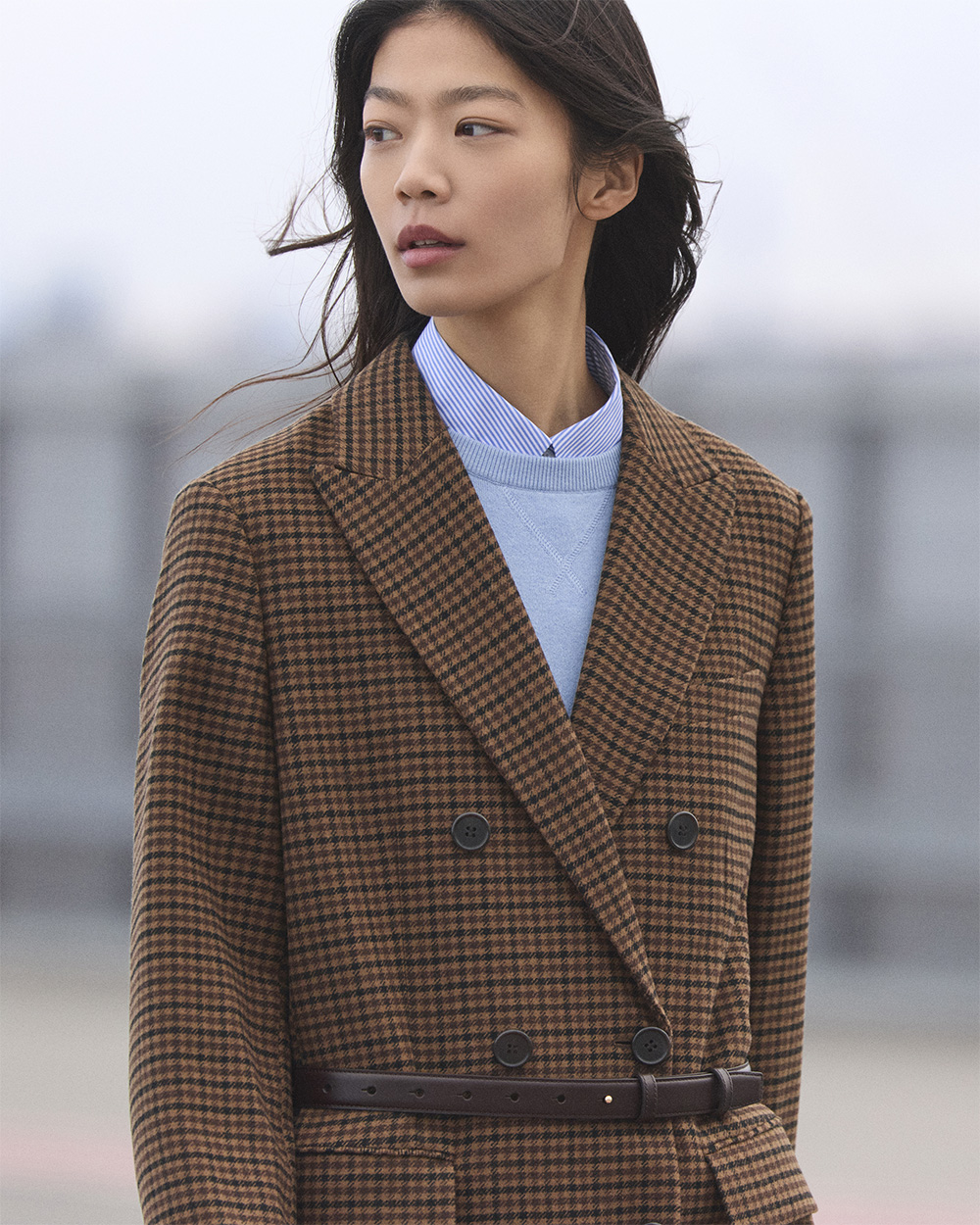
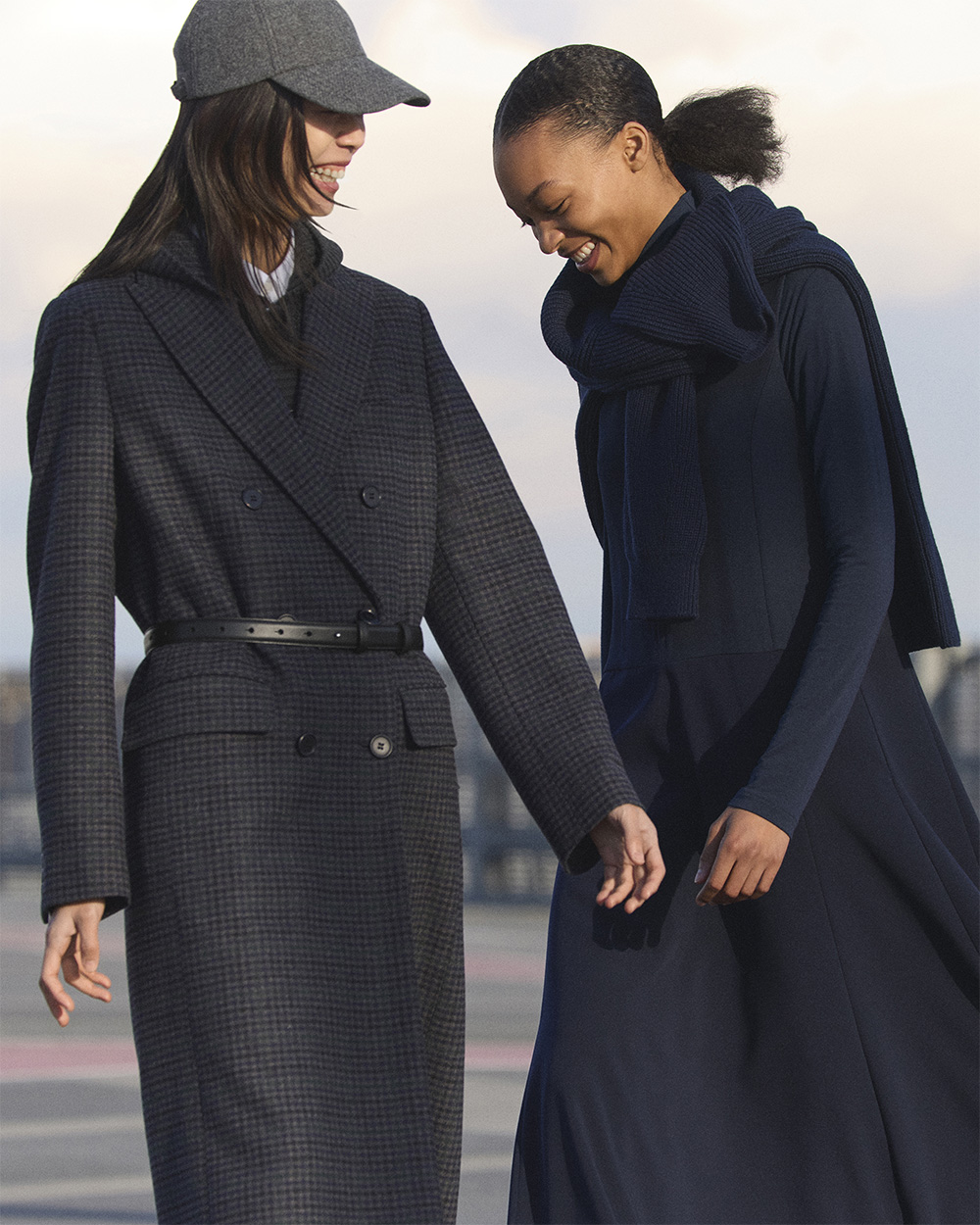
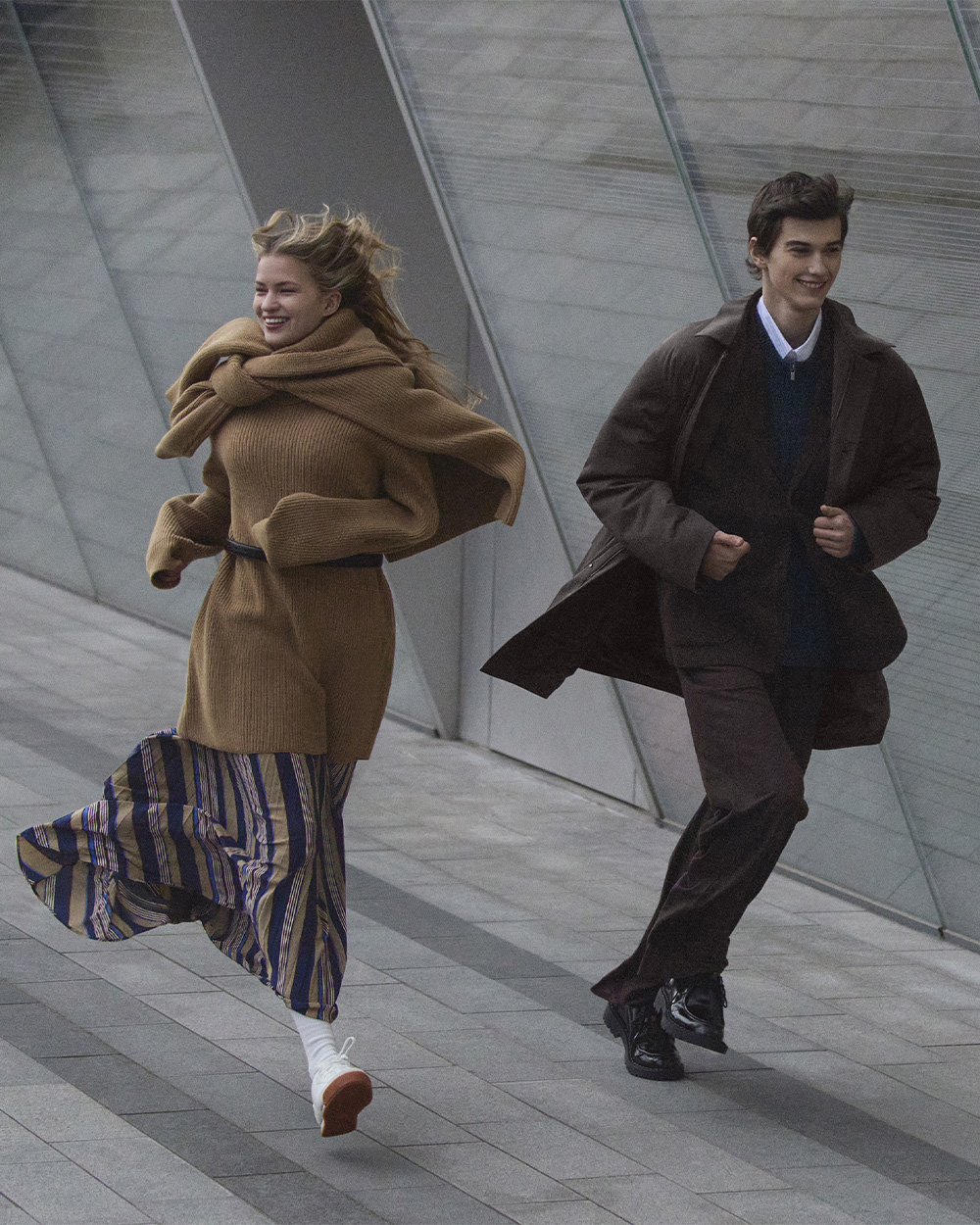
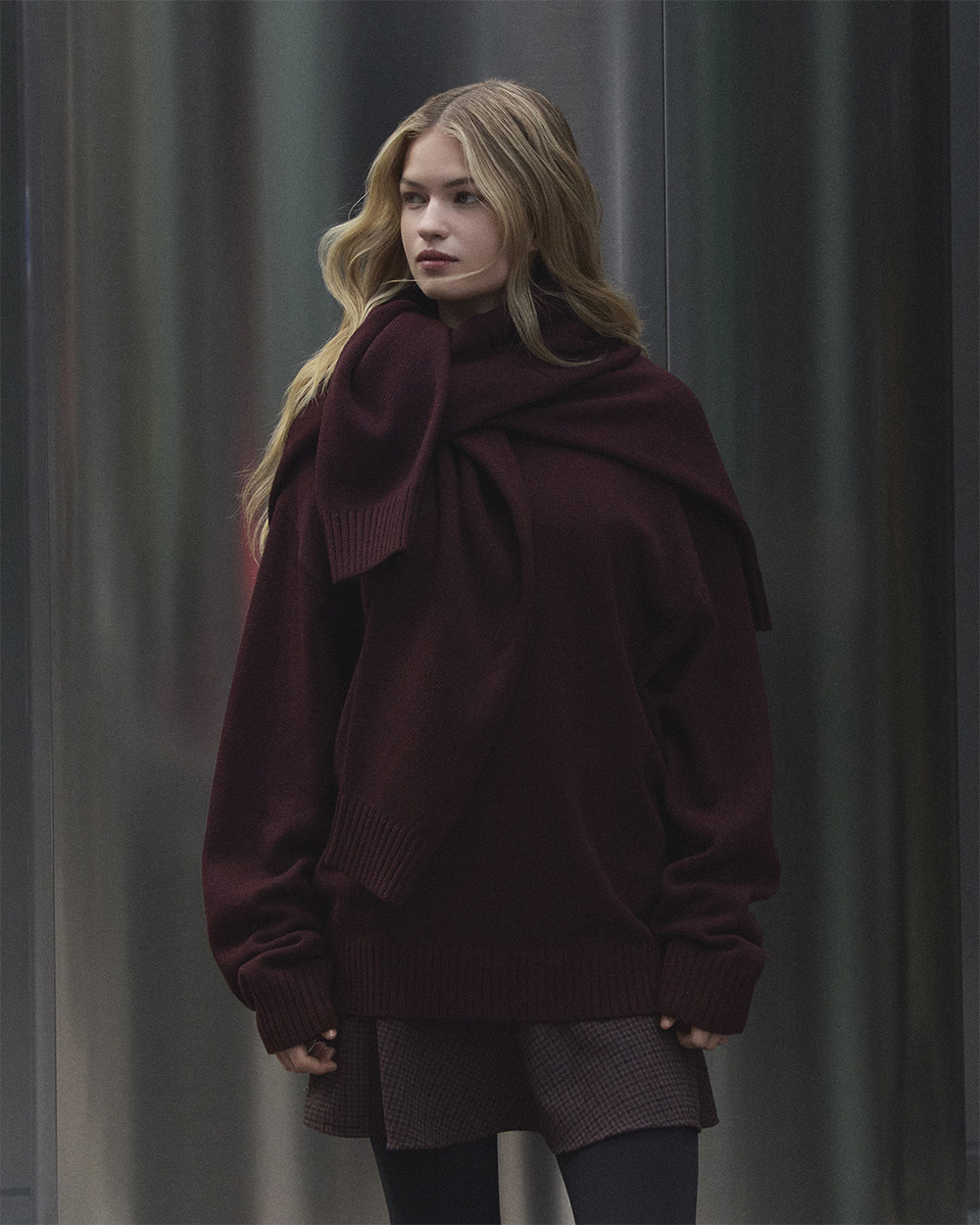
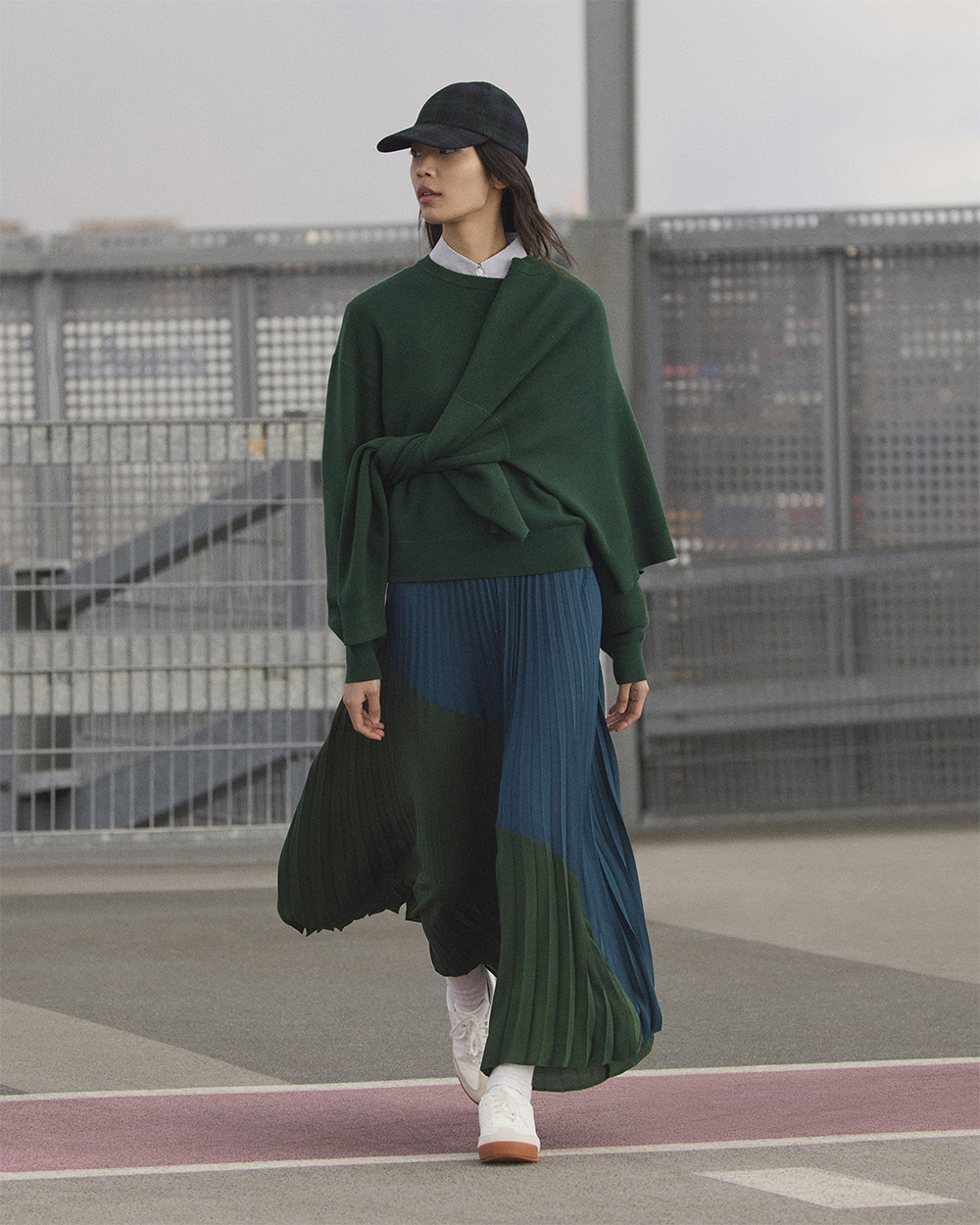
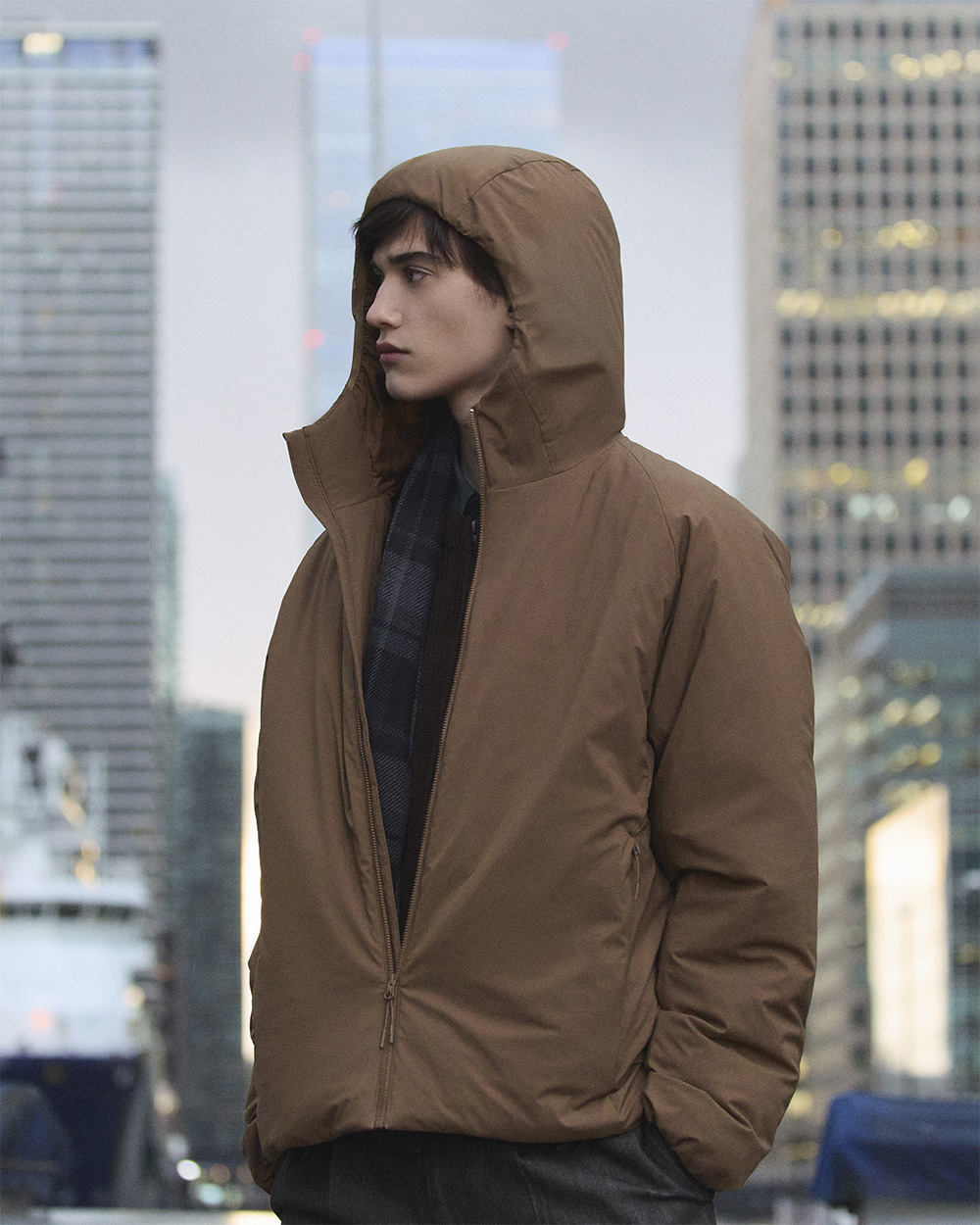
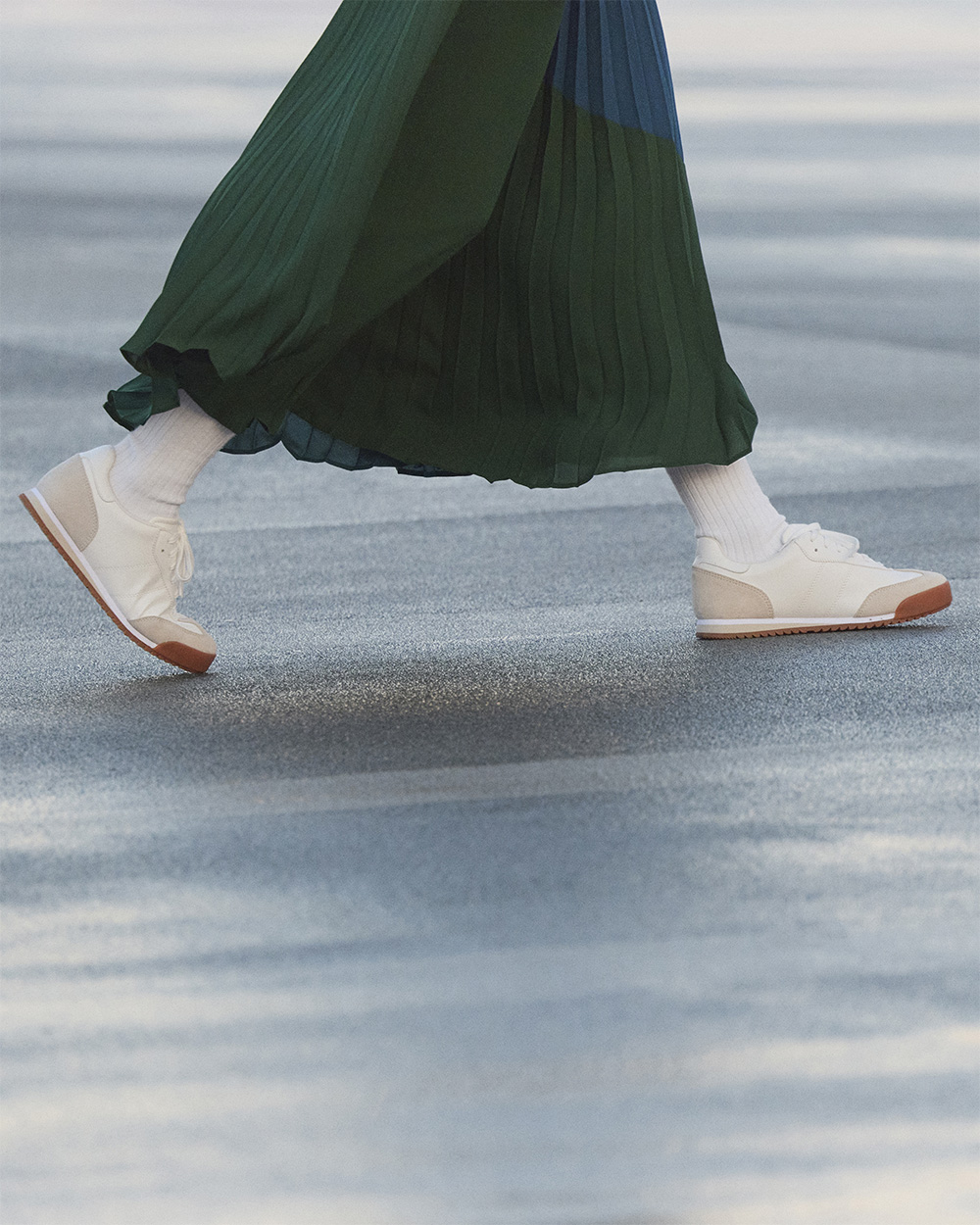
While Uniqlo has long mastered the balance between fashion and function, the arrival of Clare Waight Keller has significantly raised the style quotient. When the former haute couture designer stepped away from Paris in 2020, few predicted her next chapter would unfold inside a Japanese retail powerhouse. Yet her partnership has been nothing short of transformative. “More than ever, people are looking for beautiful yet affordable options,” she tells me the next day at Uniqlo’s Research & Development (R&D) atelier in the meatpacking district. “Uniqlo has prioritised quality, great design, and meaningful collaborations. And that really shows in the products.”
Her first capsule collection proved an instant success, with stylish, modern co-ords and tailoring flying off shelves and reshaping perceptions of what everyday wear can be. When she officially joined as the brand’s creative director in 2024 and installed UNIQLO: C as a permanent line, Waight Keller saw firsthand the meticulous engineering behind the simplicity: “Everything exists for a reason and a purpose—and it stands the test of quality.”
Star Power
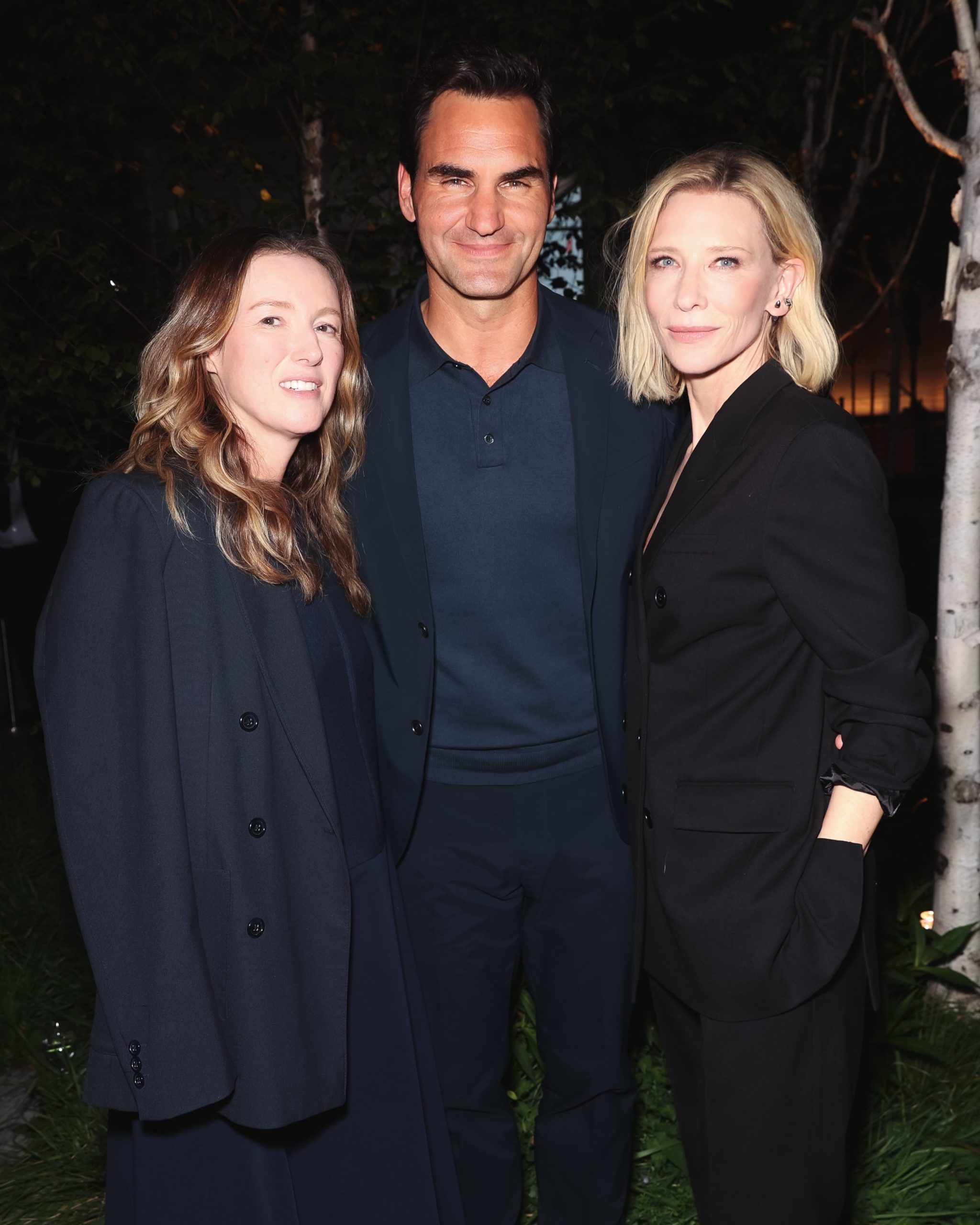
Back at MoMa, a panel discussion is taking place between three figures who have helped shaped Uniqlo’s cultural presence today: Long-time collaborator and Swiss tennis legend Roger Federer, Waight Keller, and newly appointed global brand ambassador Cate Blanchett, who is marking her first public appearance with the brand in her new role. Speaking not as a celebrity hired to endorse clothes, but as someone who has lived as a mother, a traveller, and a storyteller whose belief in design is tied to her hopes for a better future, Blanchett’s appointment didn’t begin with fashion at all.
As Koji Yanai, Group Senior Executive Officer at Fast Retailing (and the son of founder Tadashi Yanai) explained during our chat the next day: “When I met her at the Global Refugee Forum, I was deeply impressed by her humanitarian spirit and commitment.” Their conversations initially centred on how to better support displaced communities, which in turn led to an alignment of values that developed into a partnership. “We focus on personality, and not just professional achievements,” he shares. “What stands out even more is her understanding of the brand’s values and philosophy.”
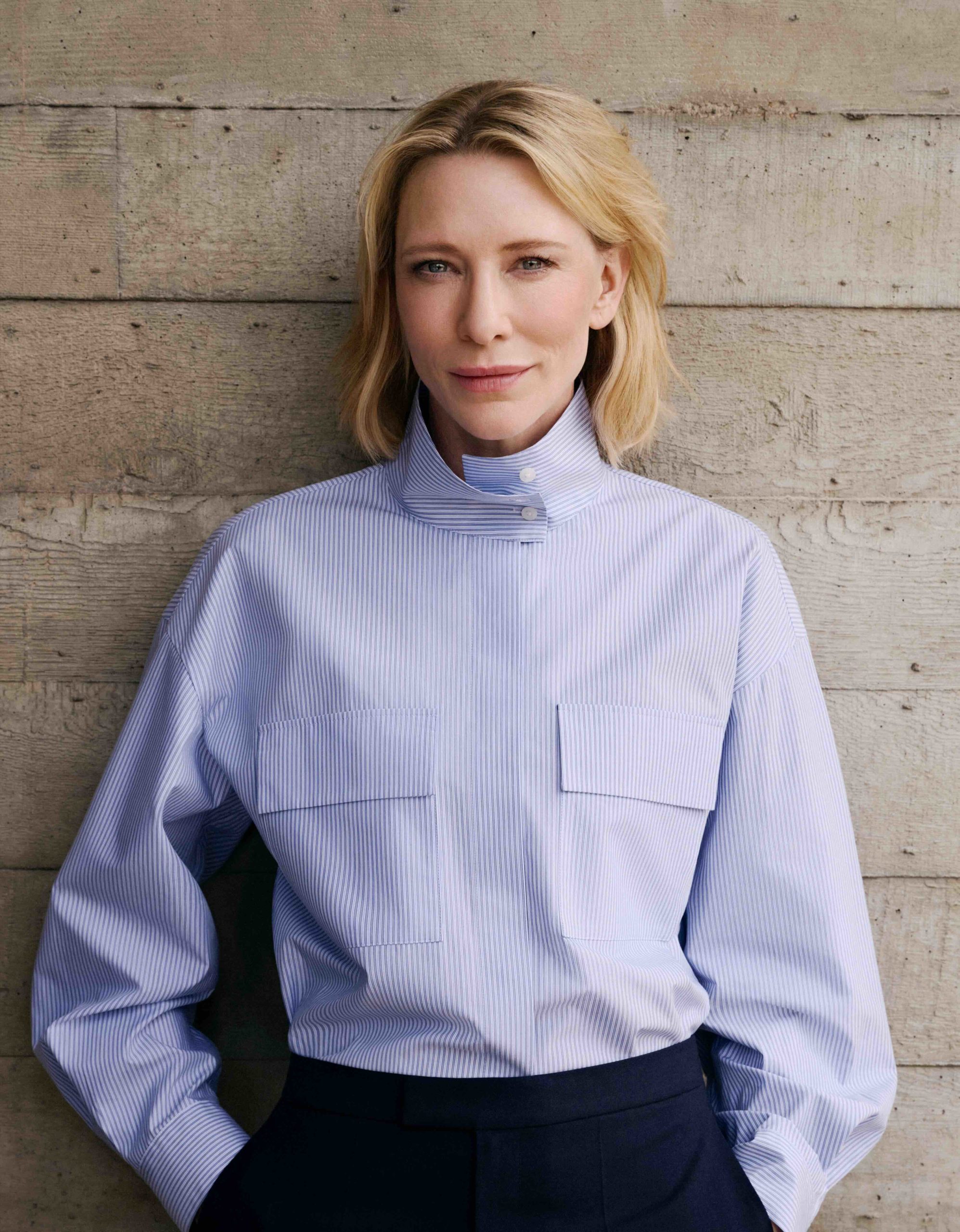
This is mirrored in Blanchett’s own words when asked what she hopes to bring to the brand: “My whole authentic self,” she replies with a smile. It is a promise rooted in curiosity, compassion, and craft. She speaks of listening, advocating for women’s experiences, and the responsibility she feels toward the world her children will inherit—especially her 10-year-old daughter. The role, she makes clear, extends beyond fronting campaigns; it’s about shaping conversations.
This, Koji notes, is precisely the brand’s ambition. Ambassadors, for Uniqlo, are not billboards. Rather, they are collaborators in life. “As a brand, we aim to support our ambassadors in all aspects of their lives, not just their professional roles,” he says.
In Blanchett, Uniqlo gains a powerful partner whose influence bridges film, culture, social advocacy, and global design. As Koji highlights, the aim is both social and commercial impact that ranges from refugee-support initiatives such as the Displacement Film Fund, to future projects shaped by what Blanchett calls “a lens of care.” Her arrival marks a new chapter for LifeWear: One where what we wear doesn’t simply serve our lives, but seeks to improve them.
Art Meets Life
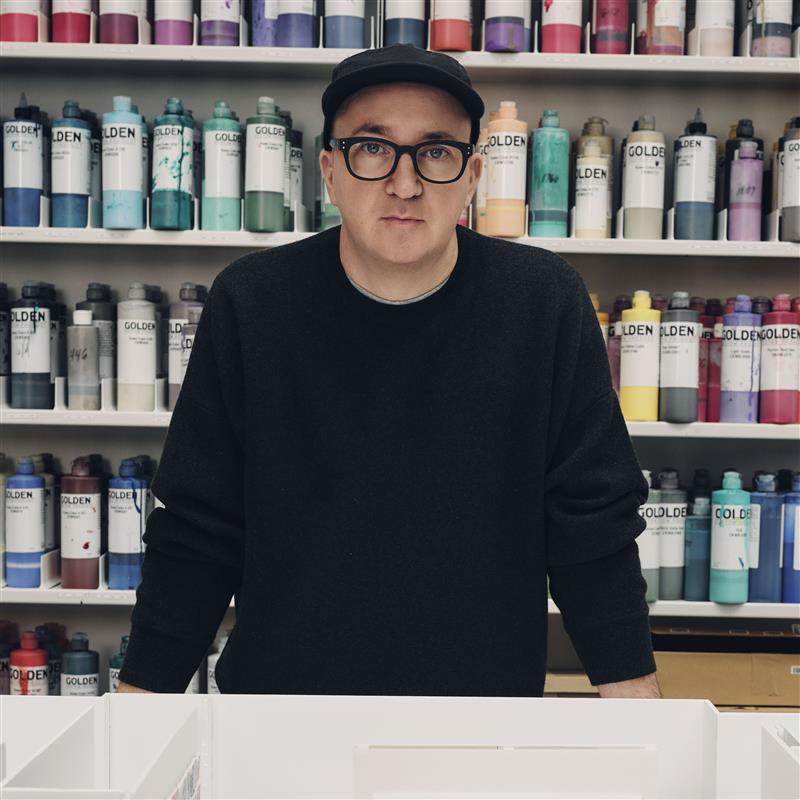
The evening then takes an unexpected but welcomed turn when John C. Jay, Uniqlo’s President of Global Creative, delivers a surprise announcement: KAWS, the contemporary artist celebrated for reinterpreting pop culture with subversive wit, is to be the brand’s first-ever Artist-in-Residence. In this unprecedented role, KAWS will help shape Uniqlo’s creative direction by introducing new collaborators, proposing original concepts, participating in future UT Grand Prix competitions, and appearing at events alongside the brand’s global ambassadors. “I hope to tap into the art community and global creatives to curate the next generation of Uniqlo collaborators,” he says about the expansive role.
This appointment marks a bold step in Uniqlo’s ongoing fusion of art and fashion, signalling a commitment not just to clothing, but to culture itself. By embedding a visionary artist into the brand’s creative ecosystem, Uniqlo is opening new avenues for collaboration, innovation, and dialogue that extend LifeWear beyond the wardrobe and into the realm of ideas, aesthetics, and community. It is a reminder that the brand’s influence extends far beyond apparel, shaping how people experience art in everyday life.
Clare Waight Keller Shares Her Vision & Hopes
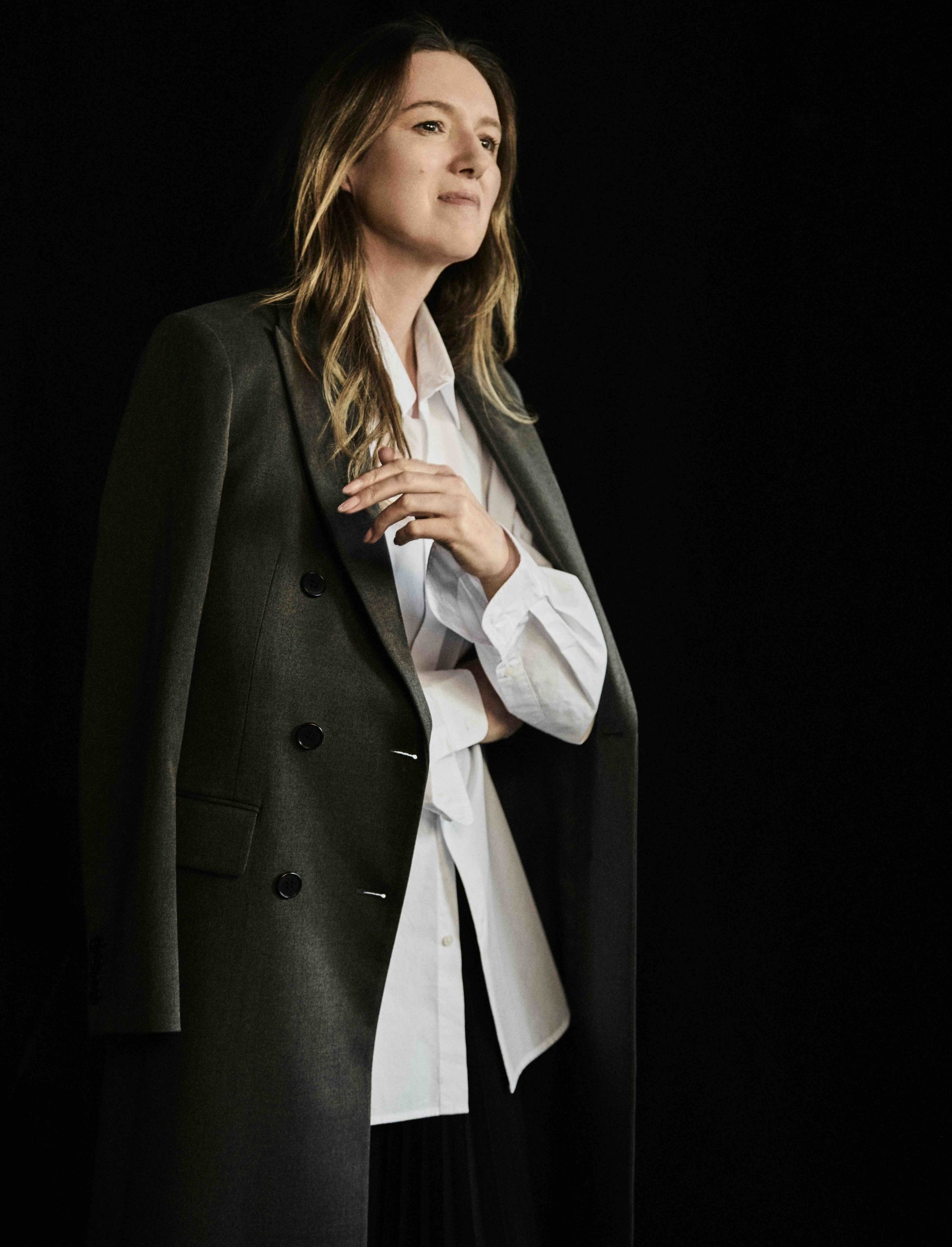
When Clare Waight Keller stepped into her role as creative director at Uniqlo in 2024, it marked not just a career pivot but a shift in perspective. Known for her romantic, feminine touch at Chloé, and her couture precision at Givenchy, Waight Keller moved from the gilded salons of Parisian luxury to a brand defined by understated utility. “There’s a fascinating dynamic in fashion at the moment,” she reflects. “We all know the industry is going through a major shift. More than ever, people are looking for beautiful yet affordable options. Over the last two decades, Uniqlo has really established itself as a brand that prioritises quality, great design, and meaningful collaborations.”
For a designer who has spent years crafting silhouettes for the runway, the appeal was clear. “They’ve made a conscious effort to make thoughtful decisions and build strong, long-term relationships with incredible suppliers like Toray,” she says. “This partnership has lasted over 20 years, which is quite rare in fashion. Having a factory relationship of that length is exceptional, and it shows in the product: There’s a depth of history, knowledge, and attention to detail.”
That kind of foundation offers a creative freedom she hadn’t experienced in quite the same way before. Uniqlo’s philosophy of LifeWear—accessible, timeless, and engineered for real lives—demands design that is lived in, not just admired. “For me, the core concept of dressing today is effortlessness,” Waight Keller shares. “That’s what LifeWear represents; being able to walk into a store and find something anyone can wear, be it a T-shirt, a jacket or a pair of jeans. Something for every age and demographic.”
Her design process, too, has evolved. After years of fitting garments on sample-size models in Paris, she now works with a radically inclusive approach. “My entire career, I’d only ever seen clothes in a size Extra Small—or Small in fashion terms,” she recalls. “When I joined Uniqlo, they said, ‘You need to attend the global fitting.’ I asked, ‘What’s the global fitting?’ And they explained that we fit the clothes in every single size—around seven sizes, from Small to XXXL—for both men and women. Seeing the clothes on different body types really changes the way you think about proportion and design.”
That recalibration of proportion extends to reimagining what basics can be. “When people think of Uniqlo, they often say, ‘I go there for all my basics.’ That’s fundamental to the brand’s identity,” she says. “My mission is to bring more design to those basics. Even with something simple like a T-shirt or a pair of chinos, there are small design details that elevate it—originality, refined finishing, and fabric technology—that take it beyond the ordinary and make it distinctly Uniqlo
A key part of that is practicality. “I’ve spent years designing pieces that required dry cleaning—probably 90 per cent of them,” she admits with a sheepish smile. “It wasn’t sustainable or practical. Now, an integral part of what I consider is care. For example, this satin skirt I’m wearing has travelled in three suitcases over three weeks, gone through the washing machine, and still looks great. It has become my travel go-to.”
Admittedly, Uniqlo is sometimes underestimated for its simplicity. But Waight Keller views that as its superpower. Each collection is the result of meticulous research and a design timeline that stretches years into the future. “Now, after three and a half years here, I’m working far in advance. For example, I’m now working on spring/summer 2027. I’m considering global trends, climate, and sustainability as part of the design process so we can keep pushing boundaries and shaping Uniqlo’s future over the next decade.”
That future, she believes, is inherently global and deeply attuned to Asia. “In many ways, Asia is ahead of the West,” she says. “Whenever I’m here, I’m inspired by what I see. In Western markets, many high streets look the same. But Asia has a vibrant grassroots culture of young creatives and independent brands. Korea is leading the way, and brands like Gentle Monster show how far a small brand can go globally. I hope to see more of that energy permeate the market.”
Perhaps the most fulfilling part of this chapter is Uniqlo’s reach, and Waight Keller’s ability, now more than ever before, to speak to a wider audience. “In luxury, you can create beautiful things, but only a small number of people can buy them,” she says. “At Uniqlo, you reach millions—and that’s transformative. Seeing people on the street wearing pieces from my collections is such a thrill. It’s incredibly rewarding.”