

In an age when corporate social responsibility is expected of global brands, it is easy to forget that the concept itself is relatively young. Many companies today maintain comprehensive sustainability strategies and philanthropic initiatives. Rolex, however, has been investing in purpose-driven projects—long before the acronym “CSR” entered everyday business vocabulary.
This year, the Rolex Awards programme marks its fifth decade of commitment to meaningful impact. The initiative—launched in 1976 to commemorate the Oyster timepiece’s 50th anniversary—supports individuals working on bold solutions to global challenges, focusing on projects that advance environmental conservation, science, health, and technology. Rather than recognising past achievements, it is designed to propel new ideas forward by providing the resources and visibility needed to bring them to life. The 2026 Laureates exemplify that spirit of forward-looking innovation.
Related article: Denica Riadini‑Flesch Is Transforming Indonesia's Textile and Garment Industries

Environmental scientist Binbin Li is developing new models of sustainable livestock grazing in China’s mountainous bamboo forests. This helps local communities maintain their livelihoods while safeguarding one of the world’s most recognisable endangered species: the giant panda.
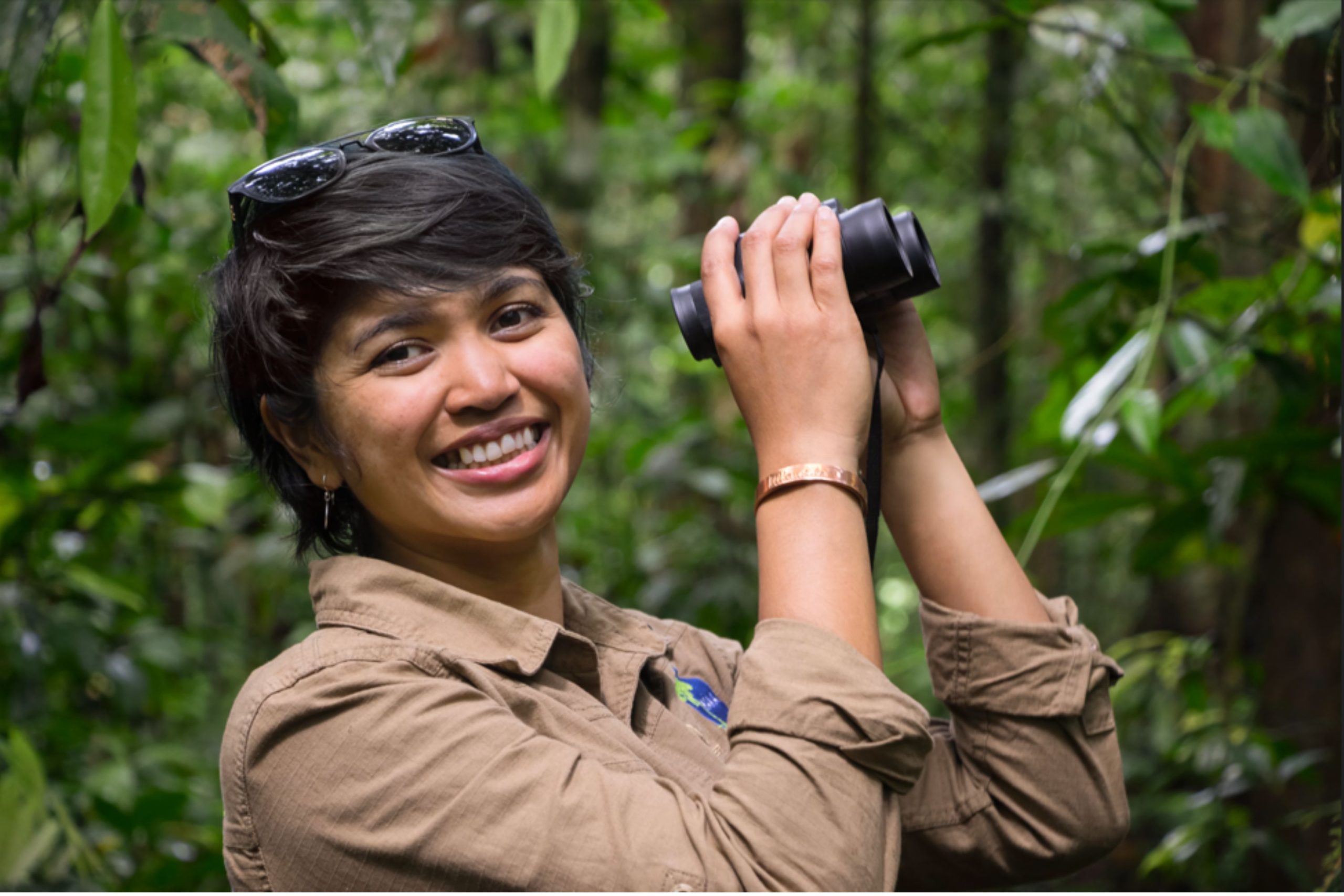
In Indonesia, forest conservationist Farwiza Farhan continues her efforts to defend the Leuser Ecosystem in Sumatra, a rare landscape where elephants, tigers, orangutans, and rhinos still coexist in the wild. By empowering women and grassroots networks to monitor and protect the forest, her work places community leadership at the centre of conservation.
Related article: Artist Jessie French Partners Aesop To Drive Sustainable Change With Algae-Based Bioplastics

Medical geneticist Pardis Sabeti is tackling another urgent frontier: infectious disease. Her research focuses on improving early detection of viral outbreaks in West Africa, with new portable diagnostic tools that identify threats in remote regions before they escalate into widespread epidemics.

In Nigeria’s Niger Delta, conservationist Rachel Ikemeh has pioneered a community-led approach to wildlife protection that has already helped restore populations of the critically endangered Niger Delta red colobus monkey. Her next step involves expanding education and training programmes to replicate these successes across neighbouring communities.
Related article: Rolex And Sylvia Earle Mark 40 Years Of Ocean Exploration And Protection
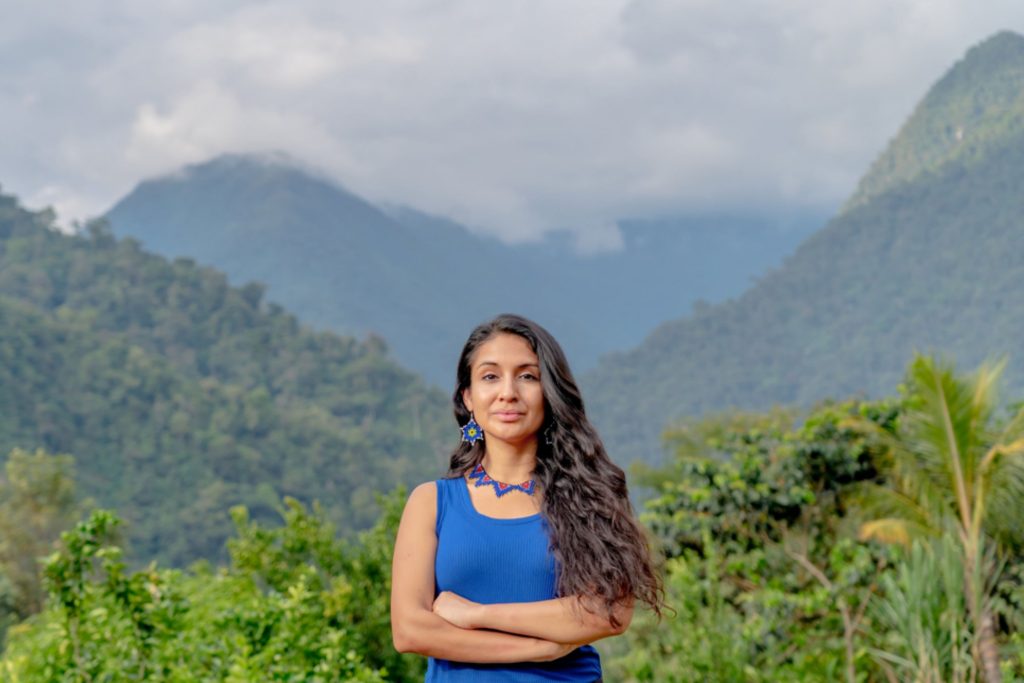
Meanwhile, chemical biologist Rosa Vásquez Espinoza is advancing research into stingless bees in the Amazon, demonstrating their importance to ecosystems and local food systems. Her work is also supporting the creation of protected corridors for these vital pollinators in collaboration with Indigenous communities.
These projects form the latest chapter in a programme that has consistently supported pioneers across fields ranging from medicine and engineering to conservation and exploration. Today, the programme forms part of the Rolex Perpetual Planet Initiative, continuing a tradition of backing individuals whose ideas have the potential to reshape the world—and our relationship with the planet.