
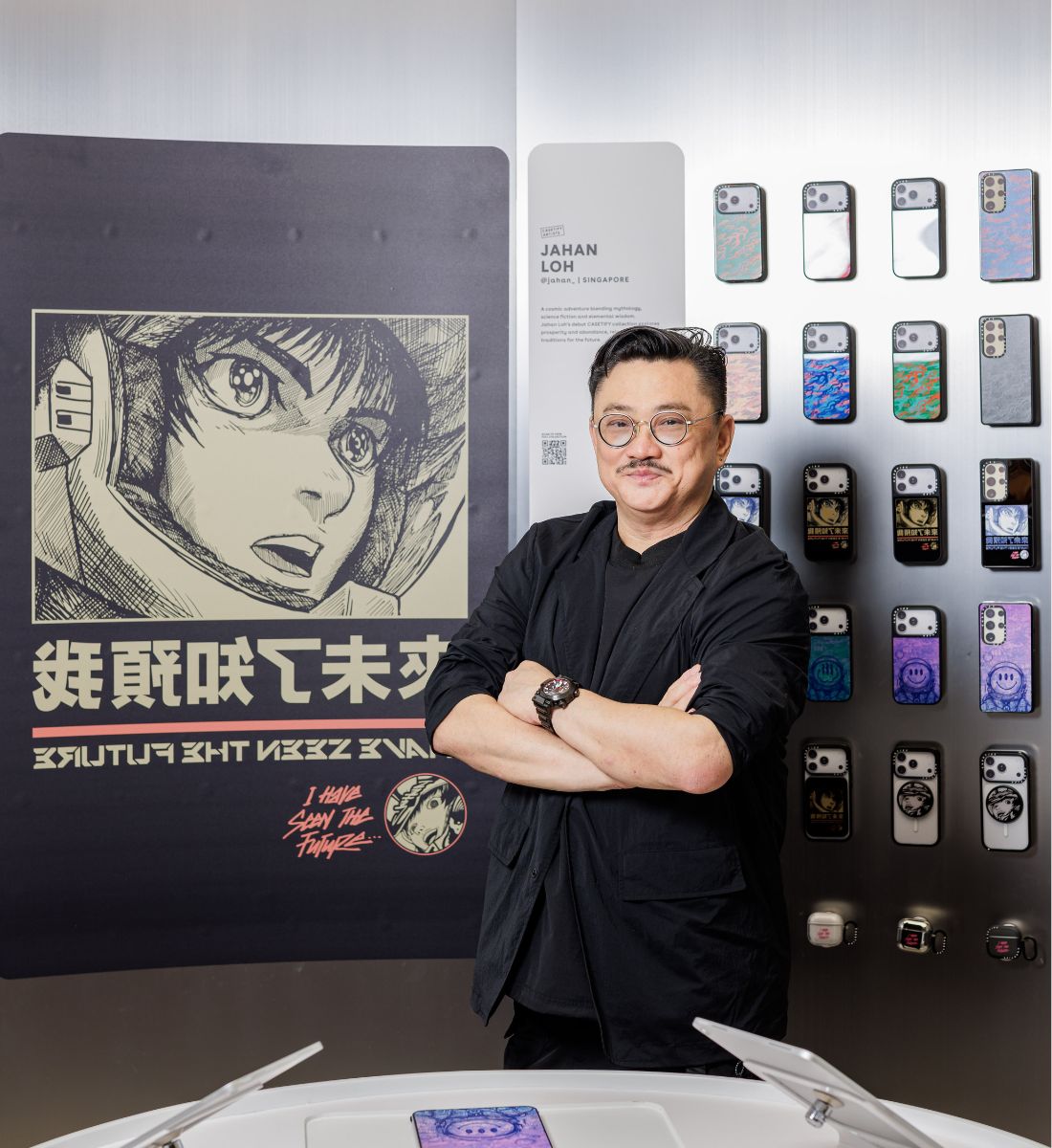
Singaporean artist Jahan Loh has unveiled his debut collection with CASETiFY, a cosmic adventure through ancient traditions and themes of prosperity. Tapping into Chinese mythology and the philosophy of the Five Elements, Loh injects his unique creative flair into each design of the Future Traditions collection, giving them a futuristic spin.
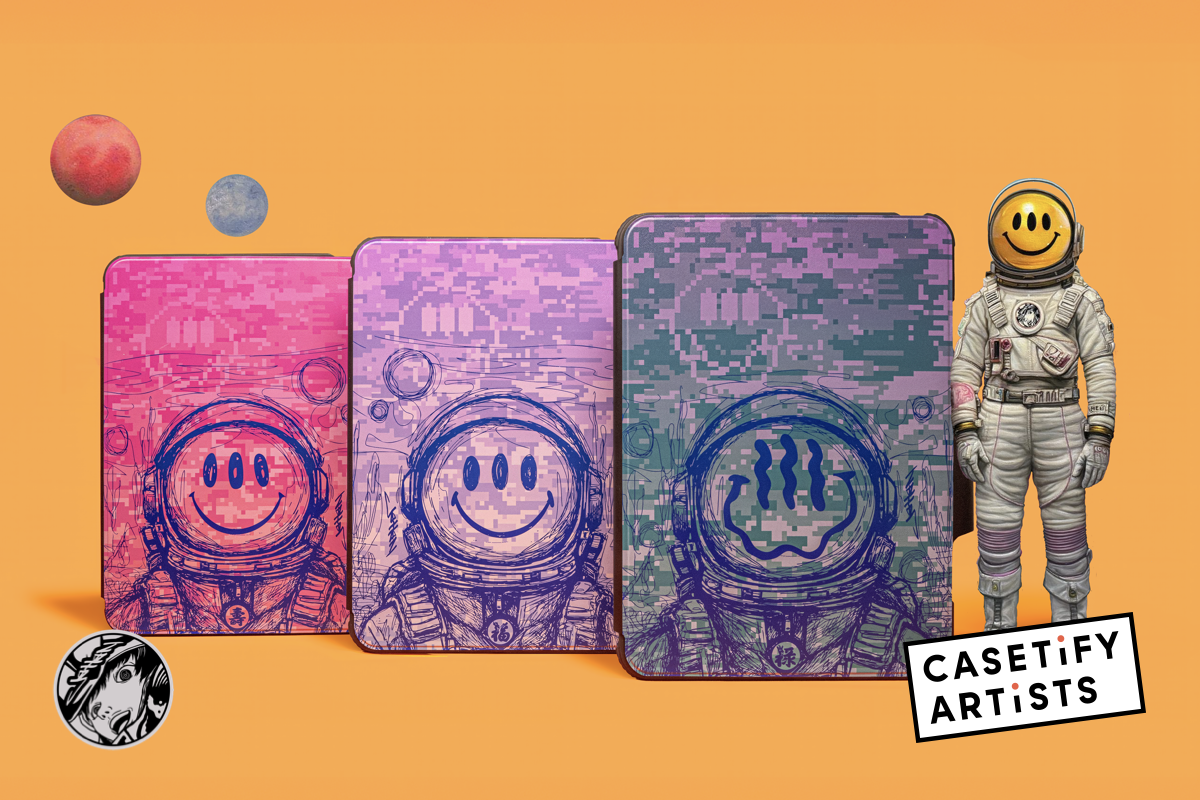
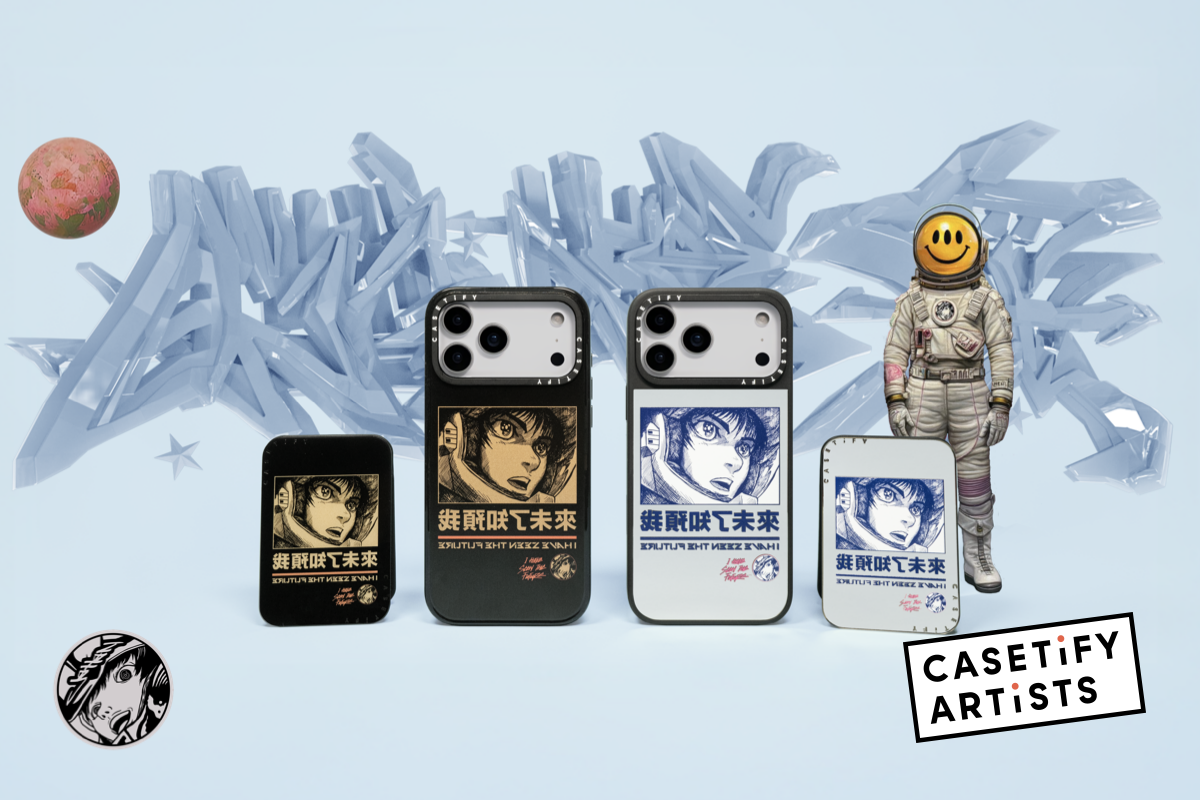
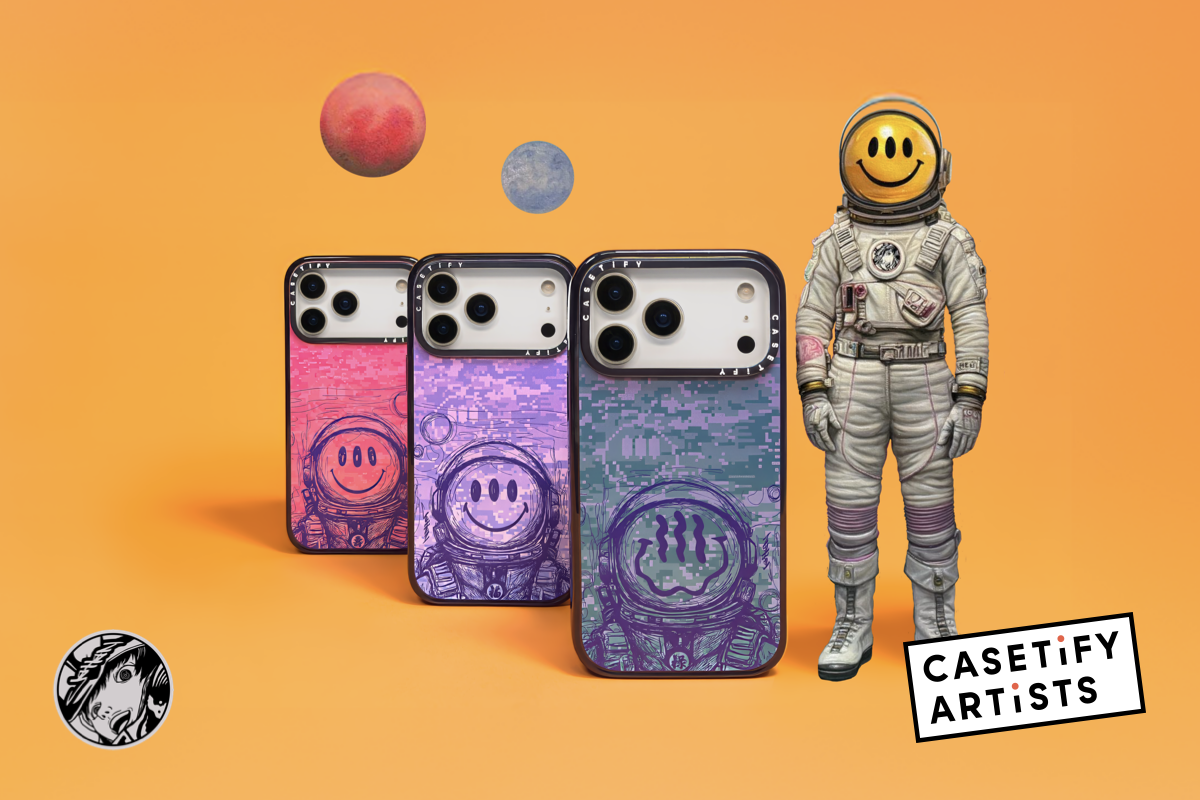
Within the collection, the Celestial Guardians series reimagines Chinese deities as three-eyed spacemen from Loh’s Spaceman universe, while the Five Elements series channels the energies of Wood, Fire, Earth, Gold, and Water into vibrant, swirling camouflage patterns. Loh rounds the collection off with the I Have Seen The Future series, bridging Western graffiti and Eastern calligraphy with a cyberpunk feel.
To commemorate the launch, ELLE Singapore sat down with the celebrated pop artist to discuss what influences his art practice, adapting his designs for CASETiFY and his hopes for the Singaporean visual arts scene.
Related article: The Phone Cases Your Favourite Celebs Are Carrying: Lisa, Alexandra Saint Mleux & Rosé Edition
Tell us about your art background and practice.
My background comes from graffiti and street culture, but my practice has always been about moving between worlds—the street, the studio, the gallery, and now objects and collaborations. I’ve spent years building a visual universe through recurring characters like the astronaut, mixing pop language with mythology, memory, and speculative futures. At its core, my work is about storytelling, how identity, culture, and imagination travel through time.
What draws you to street art and pop iconography? What do you love most about it?
Street art has an immediacy and honesty that I’ve always loved. It belongs to everyone, it’s public, democratic, alive. Pop iconography is powerful because it's a shared language. It communicates instantly, but it can also carry deep emotion beneath the surface. I enjoy that tension that something playful can hold weight, something accessible that still feels poetic.
Related article: Exclusive: Singaporean Photographer Lee Yik Keat Reviews The iPhone 17 Pro Max
What are the key influences that have inspired your work over the years?
I’ve been shaped by graffiti pioneers, Asian street aesthetics, manga, sci-fi cinema, and also the symbolism of cultural heritage. I’m influenced by cities, by the future, by nostalgia, by objects of everyday life. I think my work lives in that space between the cosmic and the familiar where mythology and pop culture can sit side by side.
Tell us about your creative process.
It usually begins with drawing, almost like visual journaling. I start with a character or symbol, then slowly build a world around it. The process is very layered: texture, emotion, humour, memory, futurity. Even when the final work is a sculpture or a phone case, I approach it like constructing a small universe where every detail has meaning.
How did your collaboration with CASETiFY come about?
It came about very naturally. CASETiFY understands design as part of culture and lifestyle, not just product. We connected through the idea that art can live beyond the gallery—that it can become something personal and everyday. The collaboration felt like the right platform to translate my world into objects people carry with them.
What are some of the ideas behind this collection?
The themes behind this collection come from my ongoing Spaceman universe, blended with ancient Chinese beliefs and the philosophy of the Five Elements. I wanted it to feel both futuristic and deeply rooted in tradition, accessible on the surface, but layered with meaning, so there’s something in it for everyone.
How did designing phone cases and accessories for the CASETiFY collection differ from your usual creative process?
The biggest difference is functionality. A phone case has to protect, feel good in the hand, work with the camera cutouts. It’s design with real constraints. That was the challenge, but also the beauty of it. It forced me to think about composition at a smaller scale, and how to make something visually powerful while still practical and wearable.
Related article: Meet The Singaporean Artists Redefining Fashion Through Collaborations
Do you have any fun anecdotes from working on this collection?
One of the fun parts was obsessing over tiny details and how each design is juxtaposed on the different phone covers. How the design shifts depending on the model of the phone. It became almost architectural, like designing around a living object. Those small decisions really shaped the final energy of the collection.
You are often involved in collaborations with fellow artists as well as brands. What entices you to take on an offer to collaborate?
For me, collaboration is about entering a new world without losing authenticity. I’m drawn to projects where the partner respects the voice of the work, and where the collaboration expands the narrative, not just visually, but culturally. The best collaborations feel like translation, not compromise.
You are now one of the most prominent names in Asian street art, and have staged exhibitions across and outside of Asia. What would like to see more of in Singapore’s visual arts scene?
I’d love to see Singapore continue to grow bolder, more space for experimentation, larger public-facing projects, and stronger belief in artists shaping culture globally. The talent here is undeniable. The next step is building an ecosystem that supports risk, scale, and long-term artistic ambition.
*This interview has been edited and condensed for clarity.