
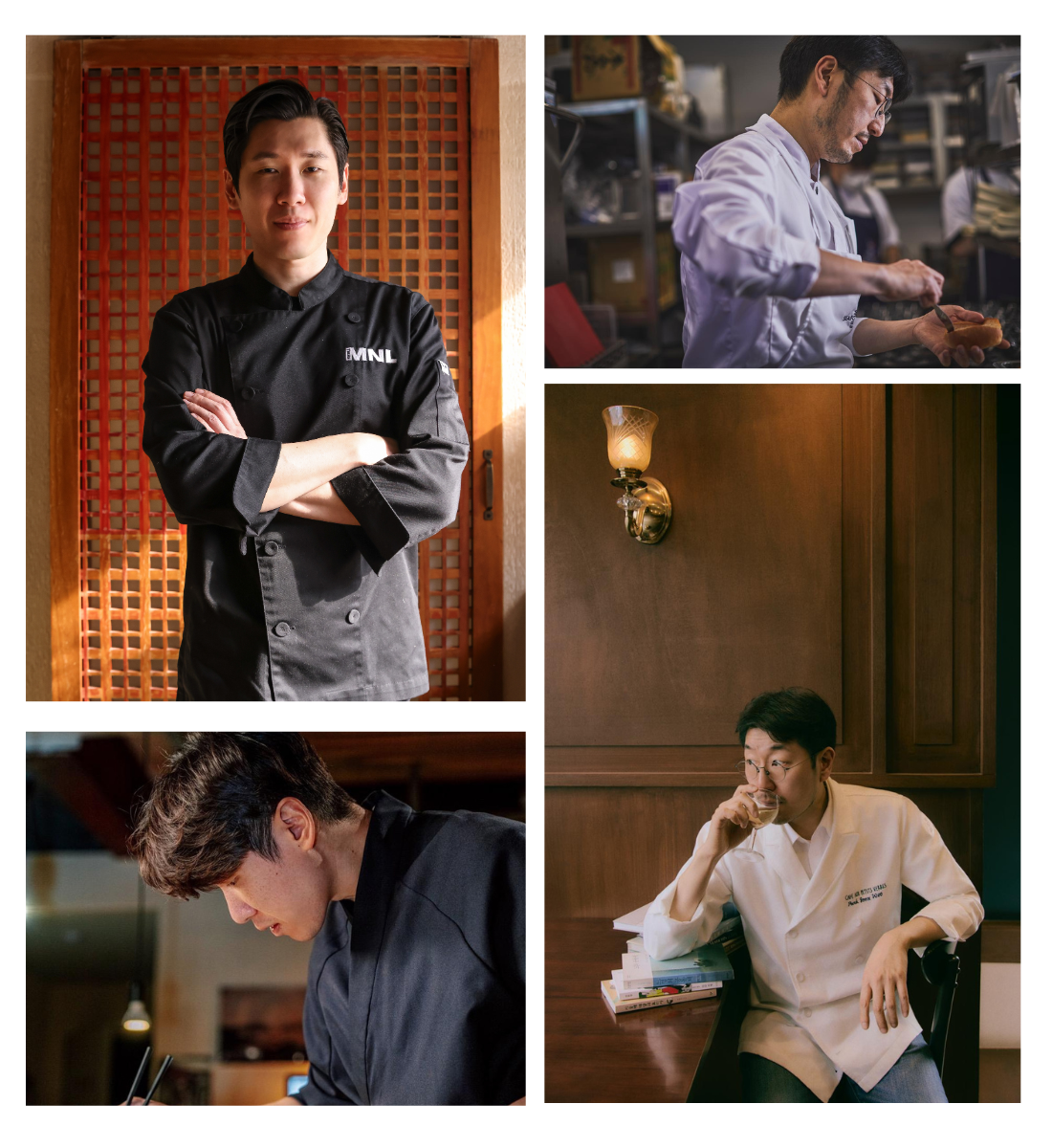
If you’re a fan of Netflix’s Culinary Class Wars, you might remember chefs Park Joonwoo and Choi Jihyung. Masters of their craft, both are celebrated in South Korea for their culinary expertise and critically acclaimed restaurants.
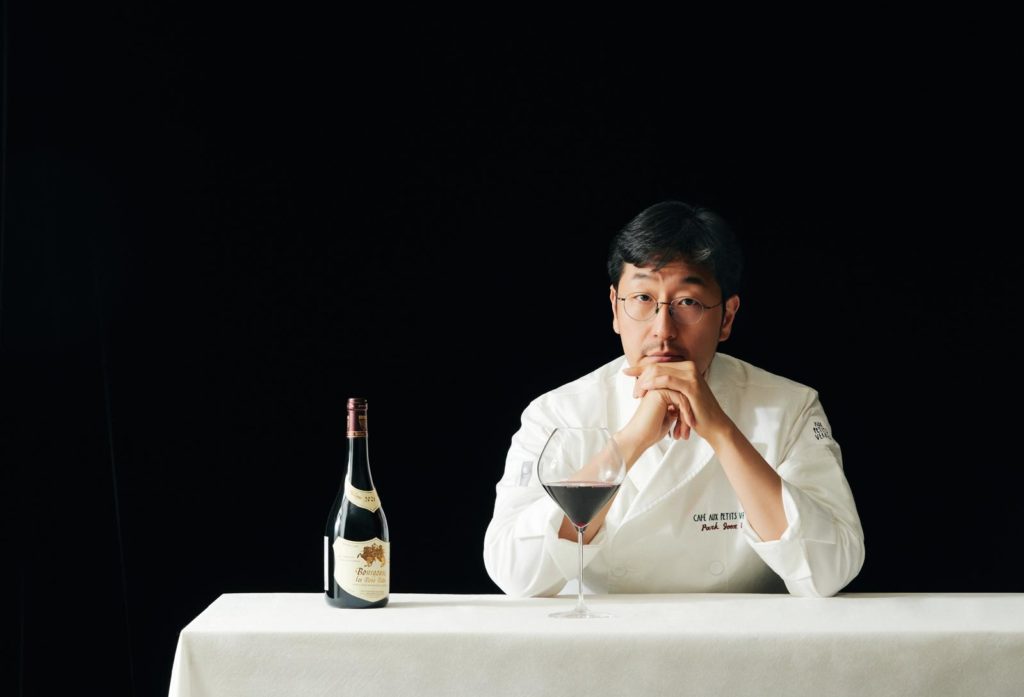
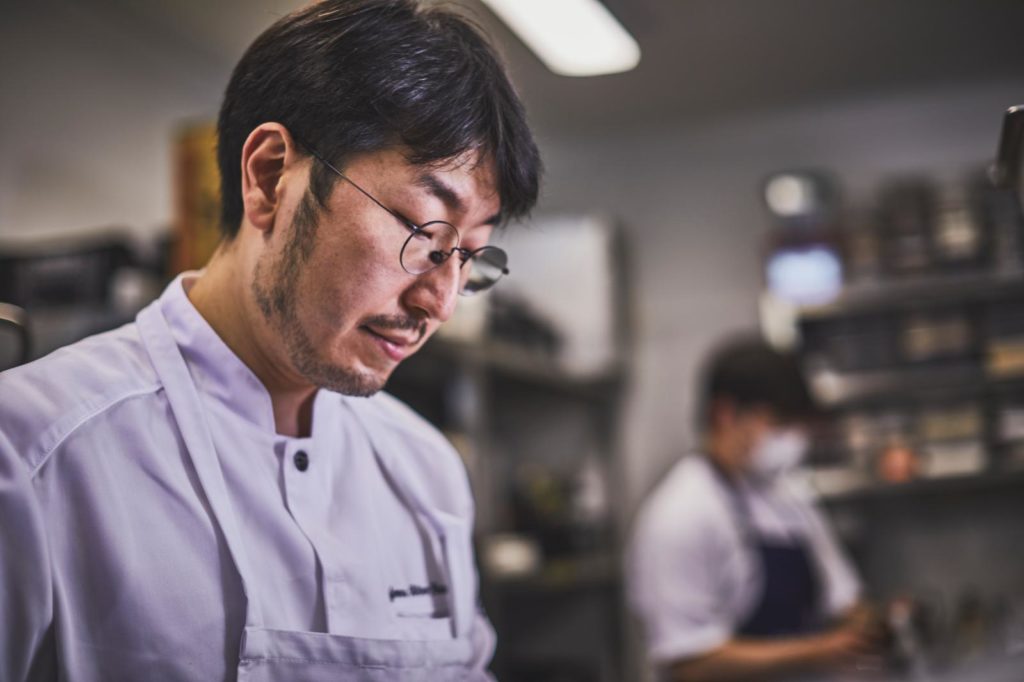
Park, a former food columnist and finalist on the inaugural season of MasterChef Korea, runs Aux Petits Verres—a quaint French-style dessert café and wine bar in downtown Seoul. “It’s the most humble French restaurant in Seoul,” he says. “It feels like a place you might stumble upon in the streets of France. If you want the casual, local vibe of a French eatery, Aux Petits Verres is the spot.”
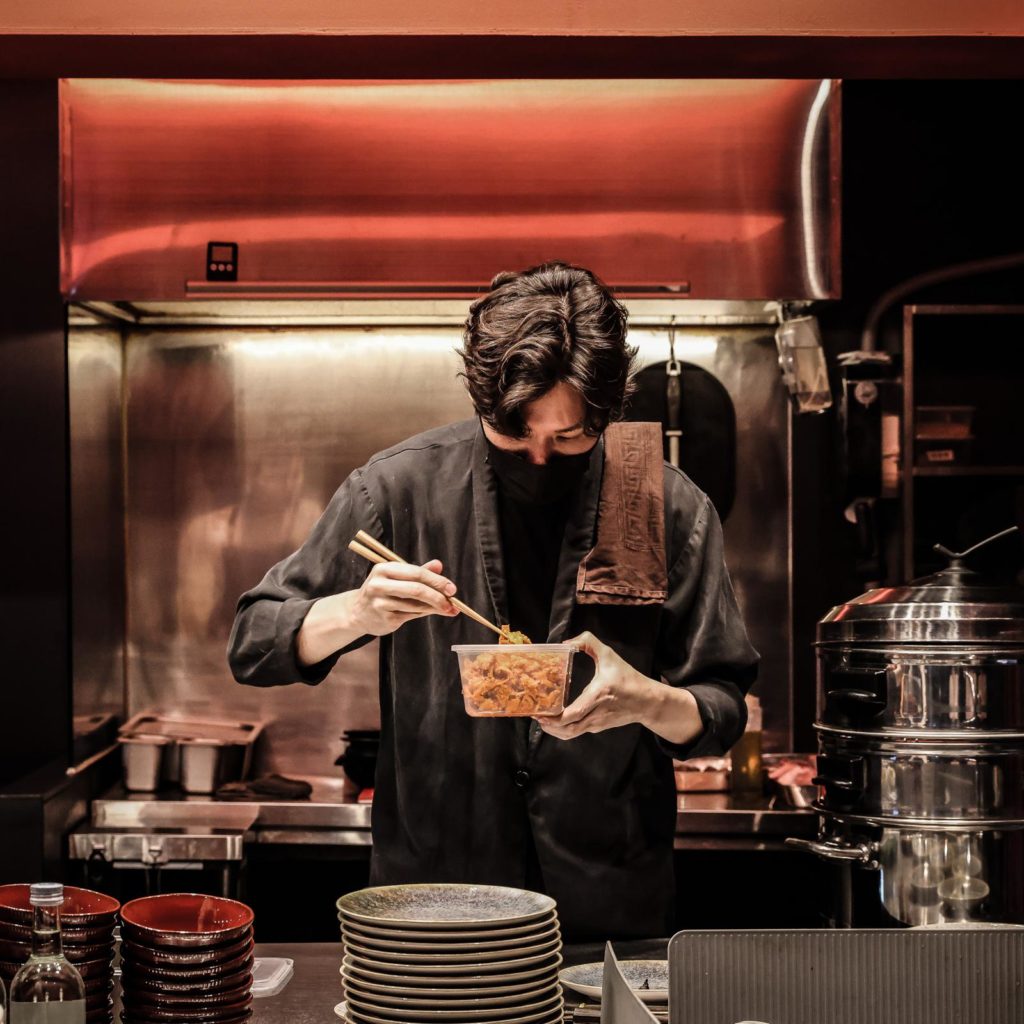
Meanwhile, Choi took a page out of his Hamgyeong-born grandmother’s recipe book to create Leebukbang, a restaurant focused on preserving North Korean culinary traditions with contemporary flair. Self-described by Choi as “the only place in the world that does course dining for North Korean cuisine." He also describes it as an environment that is optimised for patrons to experience a new culture.
Related article: Pierre Hermé On Bringing His Brand To Singapore, Creating Its First Bubble Tea Collection & His Must-Try Pastries
Beyond their roles as owner-chefs and occasional TV personalities, they travel the world as visiting chefs, sharing Korea’s rich culinary heritage wherever they go. While in town for Mondrian’s Seoul of The Party 2.0 dinner at Bottega di Carna, the chefs sat down with ELLE Singapore to discuss contemporary cooking, their collaborative process, and their enduring love for Korean cuisine.
The Key To Fusion Cooking
In collaboration with Bottega di Carna’s own Chef Kenny, the chefs created an innovative six-course menu, revitalising the restaurant’s contemporary Italian flavours with subtle nods to Korean tastebuds. For his starter, Choi served a tuna tartare dusted with black sesame and topped with crispy puffed rice—a nod to popular Korean snacks—while Park drew on his French culinary background with a shiitake tartelette and crème de champignon. “Imitation is the mother of creation,” Choi reflects, referencing a Korean saying. “Reinterpreting dishes in your own style is invaluable, especially in collaborations like this.”
Related article: Inside Violet Oon’s Newly-Opened Dempsey Restaurant: Heritage Cuisine In A Cinematic Setting
Elsewhere on the menu, Choi presented a succulent Korean-Italian stuffed calamari, while Park closed with a creamy green tea tiramisu, marrying beloved Korean ingredients with classic Italian techniques. Reflecting on the art of fusion, Choi compares the process to reading a book. “The difference between a skilled and unskilled fusion chef is like the difference between understanding what’s on a page before turning it, and jumping between random pages,” he explains. A chef must first grasp the original dish and its cultural context before crafting a fusion recipe, rather than simply combining elements at random. “In the end, is it a fusion dish with identity, or just a mix of unrelated ingredients? That’s how I see it,” Choi adds.
“When creating a fusion dish, the most important thing is understanding the cultures you’re trying to combine,” Park agrees, emphasising that respecting the source culture matters more than showcasing the chef’s own flair. “The phrase ‘fusion is confusion’ was popular in the nineties. Back then, chefs often didn’t fully understand the cultures they were drawing from, yet tried to infuse too much of their own style,” he recalls, noting that such missteps are far less common today.
On Working As A Team
Despite their different culinary backgrounds, the chefs view this as an advantage for their collaborative menu. Choi admits he had admired Park for years, having seen him on television as a young chef. “There weren’t many people in South Korea who had lived in France and truly mastered French cooking,” he says, noting that Park was someone he could learn from—especially back when he hadn’t had the chance to travel abroad. Meanwhile, Park admires Choi’s versatility, spanning classical Korean cuisine to contemporary Western dishes.
When asked about their kitchen disagreements, Choi jokes about Park’s fondness for drink pairings—a habit Park readily acknowledges. “I don’t drink much, so I want my dishes to stand on their own without a pairing,” he laughs. “If I had to nitpick, that would be it.”
Related article: 4 Pizza Spots In Singapore That Serve A Slice of Heaven
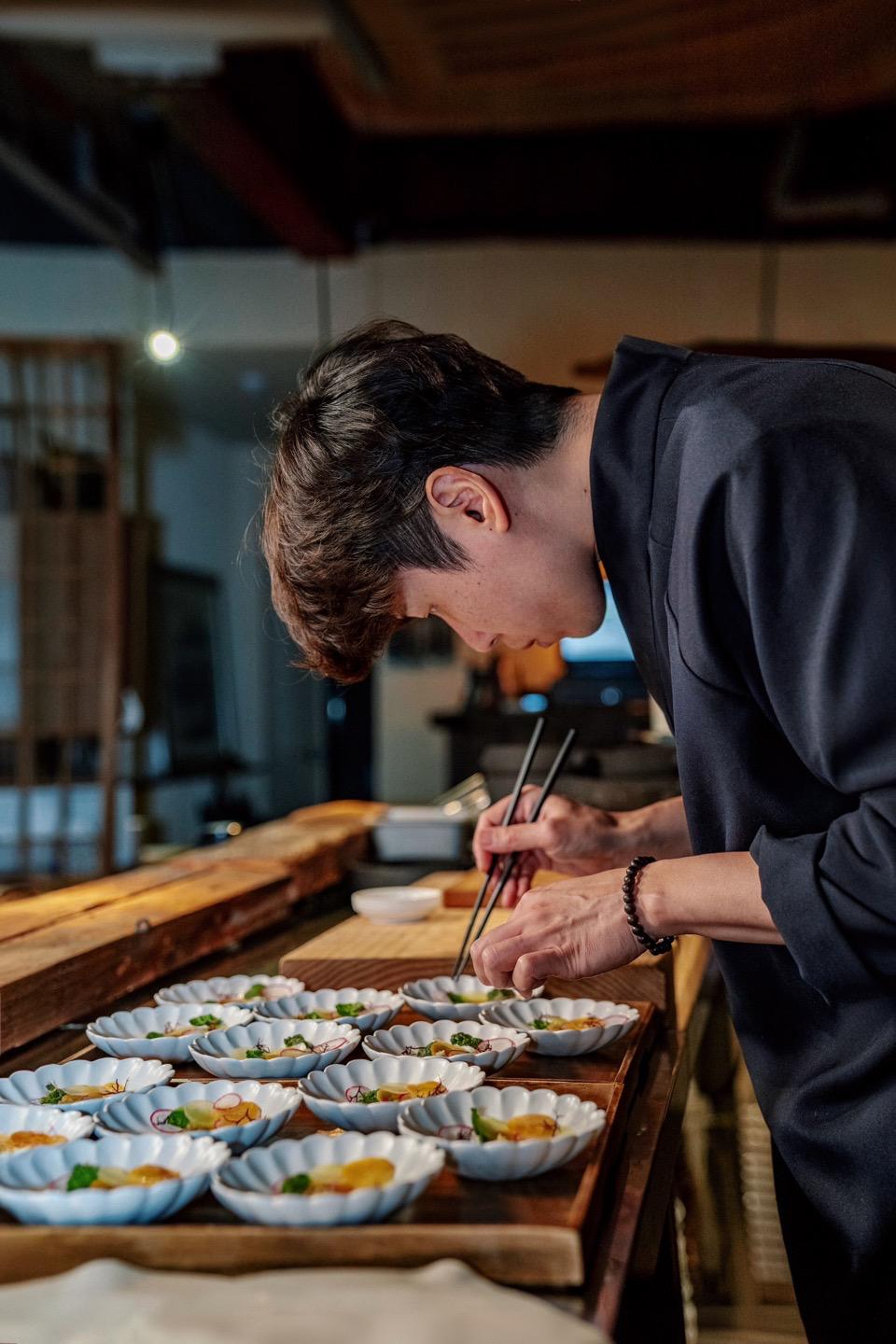
“I believe a dish that’s 90% perfect can pair with a drink that’s 90% perfect to create a 100% perfect course,” Park says with a laugh. “Chef Choi’s cooking is incredible, but he’s a bit of a selfish chef—he only cares about the food being flawless. I, on the other hand, focus less on perfecting the dish or the drink individually, and more on creating the perfect harmony between the two. He wants the food to be perfect; I want the experience to be perfect.”
“That’s why we have to work together, it’s perfect that way,” Choi remarks. “We respect each other, and admire each other, but we’re different from each other,” they continue while finishing each other’s sentences. Even while poking fun at one another, it’s clear that the two chefs share a close camaraderie and deep regard for each other’s work.
Into The Heart Of Korean Cuisine
Though their careers have taken them across global cuisines, both chefs’ love for Korean food remains unwavering. They welcome the rising international appetite for Korean culture and dining, yet are equally eager to spotlight the country’s lesser-known dishes. “K-BBQ is great, but whenever I travel abroad, it’s almost always the only thing I see,” Choi remarks. Park echoes the sentiment, noting the same overexposure of Korean fried chicken.
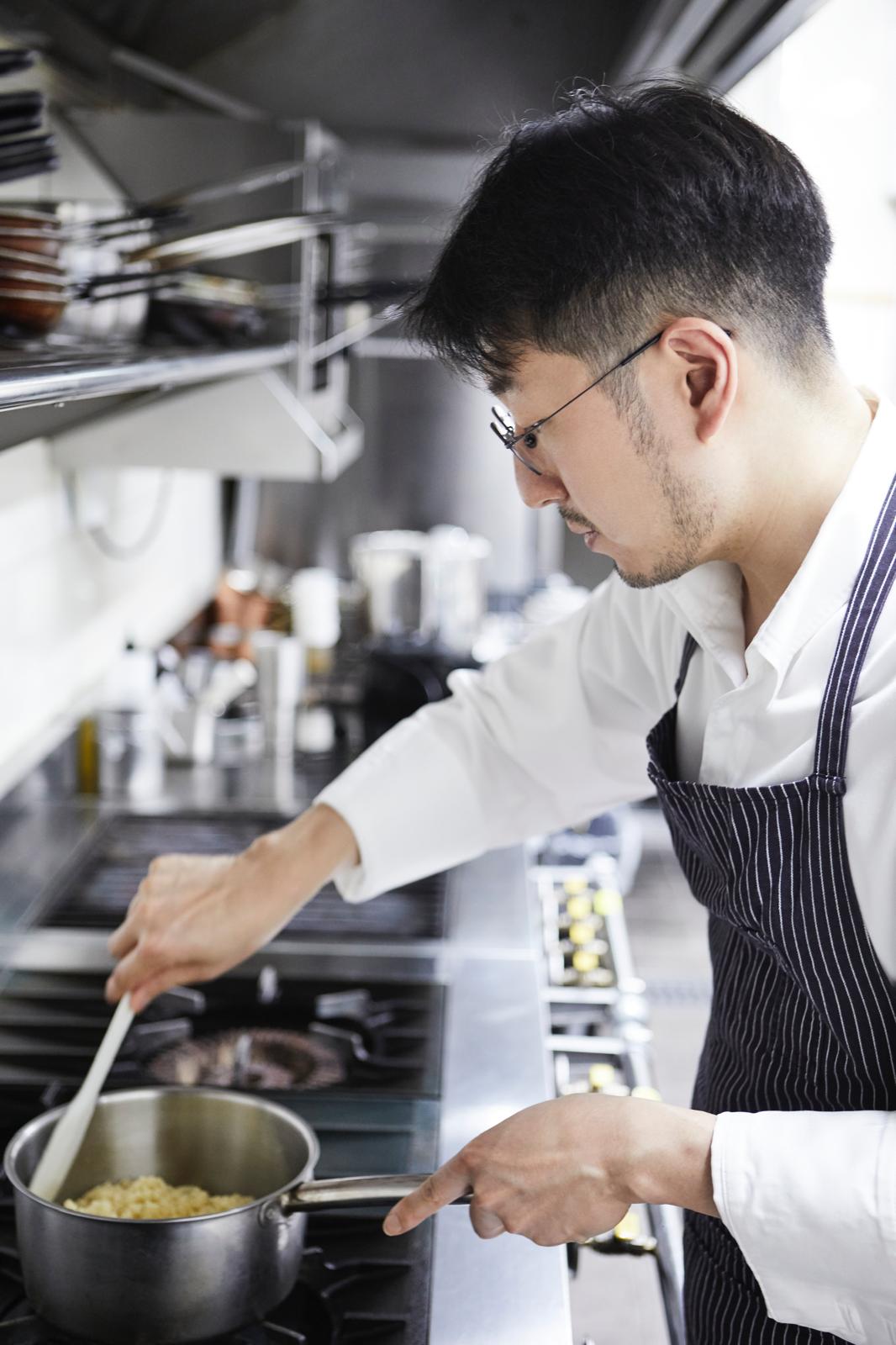
Alternatively, the chefs suggest that foreigners try dishes like Doenjang-jjigae (soybean paste stew) and Gamjatang (pork backbone stew). “Doenjang-jjigae is a kind of soul food,” Park explains, noting its deep-rooted popularity in Korea despite its modest global recognition. “It’s a dish that reflects everyday life in Korea.” As for his pick, Choi highlights Gamjatang: “It’s made with bean paste, vegetables, and pork backbones. It’s nourishing, with a creamy mouthfeel—and almost every foreigner who tries it ends up enjoying it.”
Drawing on his expertise in North Korean cuisine, he recommends Pyeongyang mandu—an unusually large dumpling typically filled with meat and kimchi. He also expresses a fondness for Chueo-tang (loach soup), a divisive dish even within Korea, best known as a regional specialty of the southern provinces Jeolla-do and Gyeongsang-do. “I think people should also try dishes from Gangwon-do and Jeju-do,” Park adds. “They may not have the boldest flavour profiles, but they’re an important part of Korean cuisine and well worth exploring.”
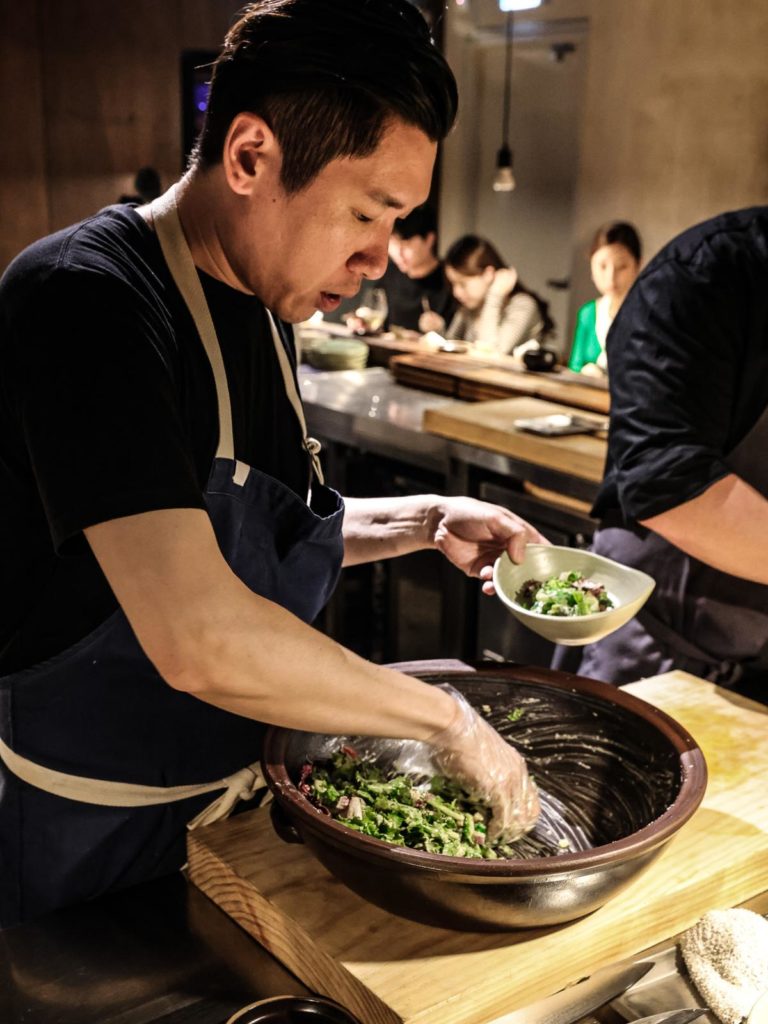
“One thing that unites Korean cooking is the concept of Jeong,” they say. “It’s difficult to translate directly into English,” Choi adds with a sheepish smile. “I’d describe it as a feeling carried in our hearts, something shared among the people of Korea. Jeong is in our DNA—and that’s where Korean cooking begins.”
“Korean cooking carries a certain stubbornness,” Park says. “Each region offers its own range of flavours, and together, these distinct tastes form the full identity of Korean cuisine.”
*This interview has been edited and condensed for clarity.