
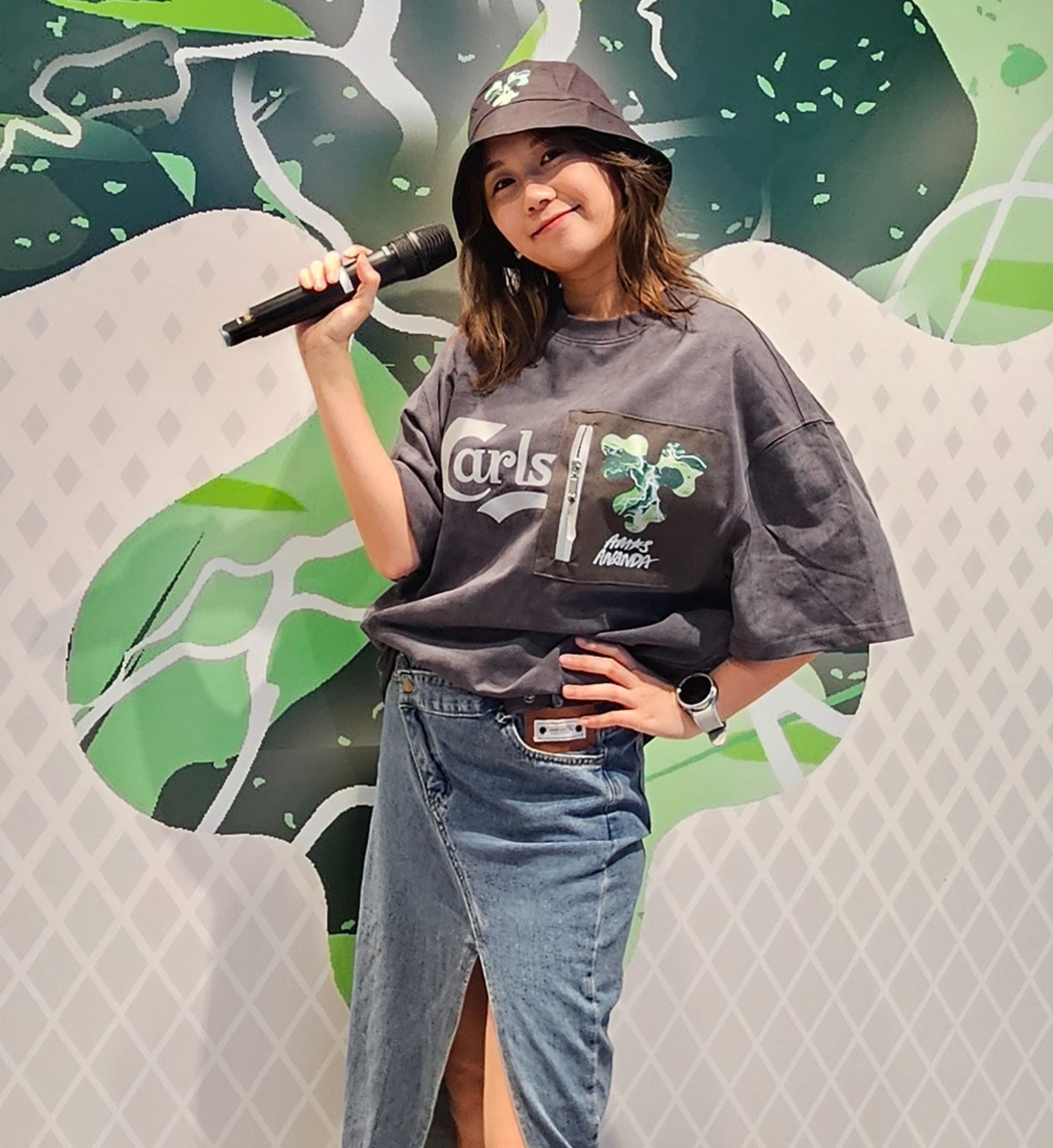
Not every emcee starts off on a stage. For Mireen Ng, the journey began in classrooms in Korea, where she lived for six years, picking up the language while immersing herself in its culture. When she returned to Singapore, she saw an opportunity to build a career that would combine her love for languages, performance, and human connection. “I’ve always loved talking to people,” she says. “Being an emcee felt like the best fit.”
Related article: NDP Stars Share What It Takes To Bring Singapore’s Biggest Celebration To Life
What started as a passion has since turned into a polished profession. Mireen has hosted everything from weddings and luxury brand launches to large-scale conferences like Broadcast Asia, and national celebrations like the Sembawang Central National Day Carnival. She’s led award ceremonies, introduced extended reality showcases, and even brought the energy to family roadshows and fan meets.
Related article: Every Celebration At Ida's Bar Promises A Bespoke, Unforgettable Experience
Related article: What To Do In Singapore This Weekend
Whether she’s guiding a black-tie gala or a corporate D&D, Mireen adapts with poise, warmth, and unshakeable control. To her, becoming an emcee offers so much more than a pay check. “Emceeing teaches transferable skills that are valuable in corporate roles like pitching and presenting,” she says. “Confidence in speaking, combined with strong language skills that ensure clear communication, helps you capture your audience’s attention and convey your message effectively.”
Speaking to ELLE, Ng shares why emceeing is more than a gig—and how it can sharpen the skills you need to thrive in any career.
When you were starting out, did you face any doubts or pushback from people who didn’t see this as a “real” career?
I would say that, as freelancers, many of us experience gentle nudges or concerns from family and friends who worry about whether we can make a sustainable living from the career path we've chosen. After all there is no fixed income and fixed schedule, and we have to approach it like running a business—managing every aspect on our own.
What are some of the toughest moments you've faced on the job?
One of the toughest periods was during COVID-19, when the events industry came to a halt. It made me question the stability of this career path and whether it was sustainable in the long run. What helped me bounce back was learning to manage my expectations and finding ways to reposition myself in the industry. Adaptability and staying relevant became necessary.
What would you say are the key skills someone needs to become a successful emcee today?
Language skills are key, along with the ability to present oneself confidently and appropriately. A strong sense of style can also go a long way, especially when it comes to dressing suitably for different types of events. Networking is also great for the ones who just started, as it would be easier to get job opportunities.
Confidence, articulation, stage presence: Were these traits you always had, or did you have to train and grow into them?
I learned dancing and singing in my teens, which gave me quite a bit of opportunities to perform on stage. That experience helped me feel more confident and comfortable in front of an audience. As for articulation, it was something I worked on intentionally. I spent time practicing by reading news aloud and building my vocabulary across different languages.
What’s a common misconception people have about being an emcee, and what’s the reality?
Sometimes, I hear comments like, “It must be easy to just speak and earn money!” But what many don’t see is the journey behind the scenes: The time, effort, and even the risk I took to get to where I am today. I’ve had to constantly learn, grow, and adapt. After all, learning is a lifelong journey. If you stop improving, you risk being left behind in such a competitive industry.
Do you think being an emcee has changed over the years, especially now with the rise of TikTok hosts and social media personalities?
I don’t think the role of a professional emcee has fundamentally changed. The scope of what TikTok hosts and social media personalities do is quite different from that of a professional emcee. That said, one shift I’ve observed is that some clients may now consider an emcee’s social media following as part of their decision-making process.
For aspiring emcees, what’s the first thing they should do if they’re considering this path?
If I were in their shoes, the first thing I’d do is ask myself: What will I do if I “fail”? Being a freelancer in the entertainment industry isn’t easy, especially at the beginning. It’s important to consider the realities: What if you don’t land any gigs at first? Can you cope with the unpredictability of this career path? Are you prepared to face rejection from clients? These are tough but necessary questions, and having that self-awareness from the start can make a big difference in how you navigate the journey.
What are some career paths that emceeing can lead to?
Emceeing can definitely open doors to other creative industries, provided you have the talent and passion for it. Just look at radio DJs and popular emcee content creators—they not only host events but also create engaging content. Roles in the service industry, public relations, and even teaching are also possibilities.
If you could go back and give your younger self one piece of career advice, what would it be?
If I could give my younger self—or today’s fresh graduates—one piece of career advice, it would be to invest in yourself and always stay inquisitive. Continuous learning, curiosity, and perseverance are key to growth and success.