
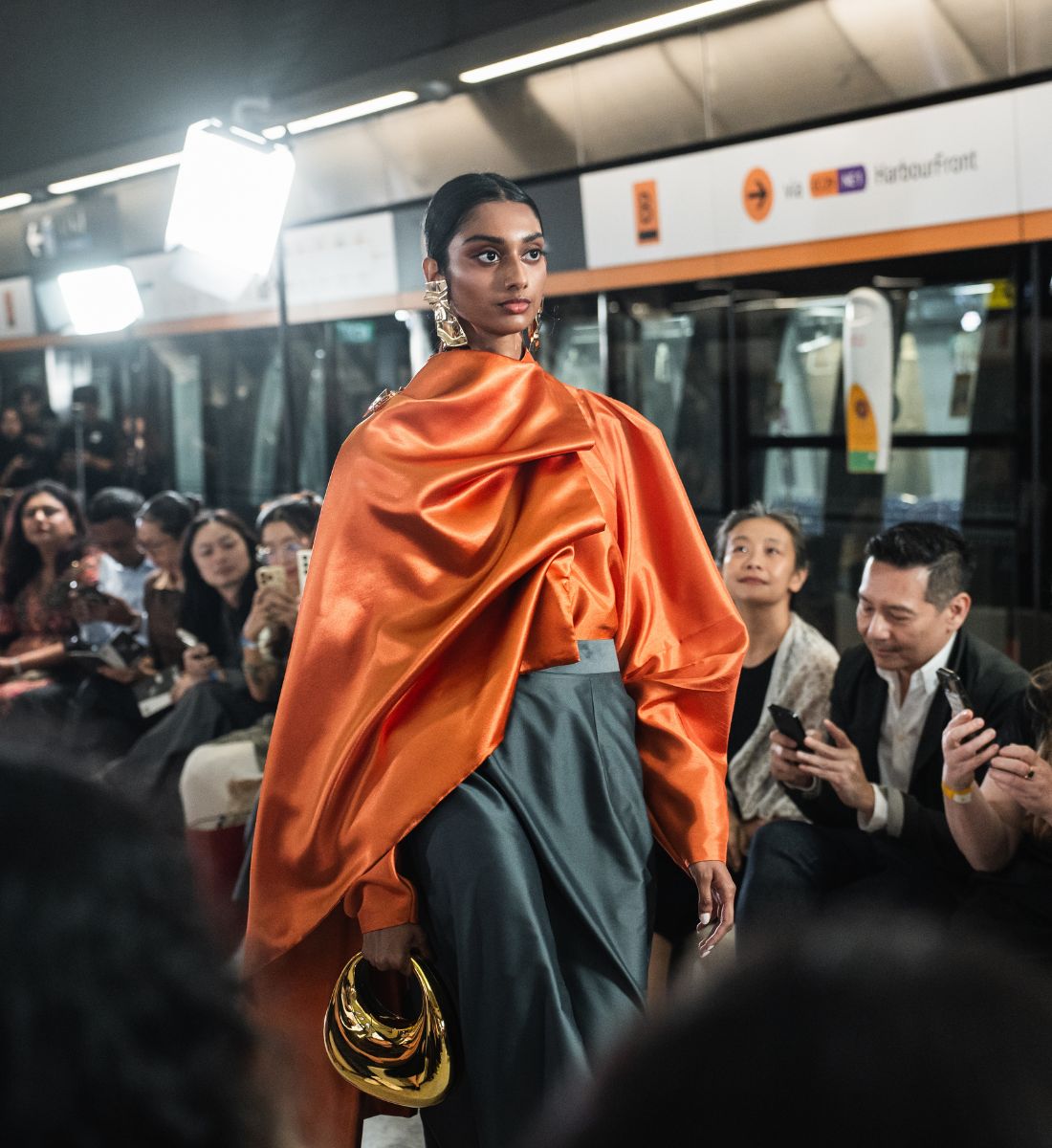
Last week, LASALLE College Of The Arts’ School of Fashion staged its 2026 graduate show, titled DE:CENTERING. With support from the Land Transport Authority, 14 graduating students from LASALLE’s BA (Hons) Fashion Design and Textiles programme showcased their collections at the newly constructed Cantonment MRT station, which is set to become operational this July.
The choice of venue was a significant shift from the annual show typically held on school grounds, representing Singapore's potential as a fashion hub where multiple cultures and ways of fashion-making can emerge, exchange and flourish. Notably, the show was also attended by Acting Minister for Transport Jeffrey Siow as the guest of honour.
Related article: ELLE Singapore Partners Up With LASALLE College of The Arts To Spotlight The Next Wave Of Fashion Creatives
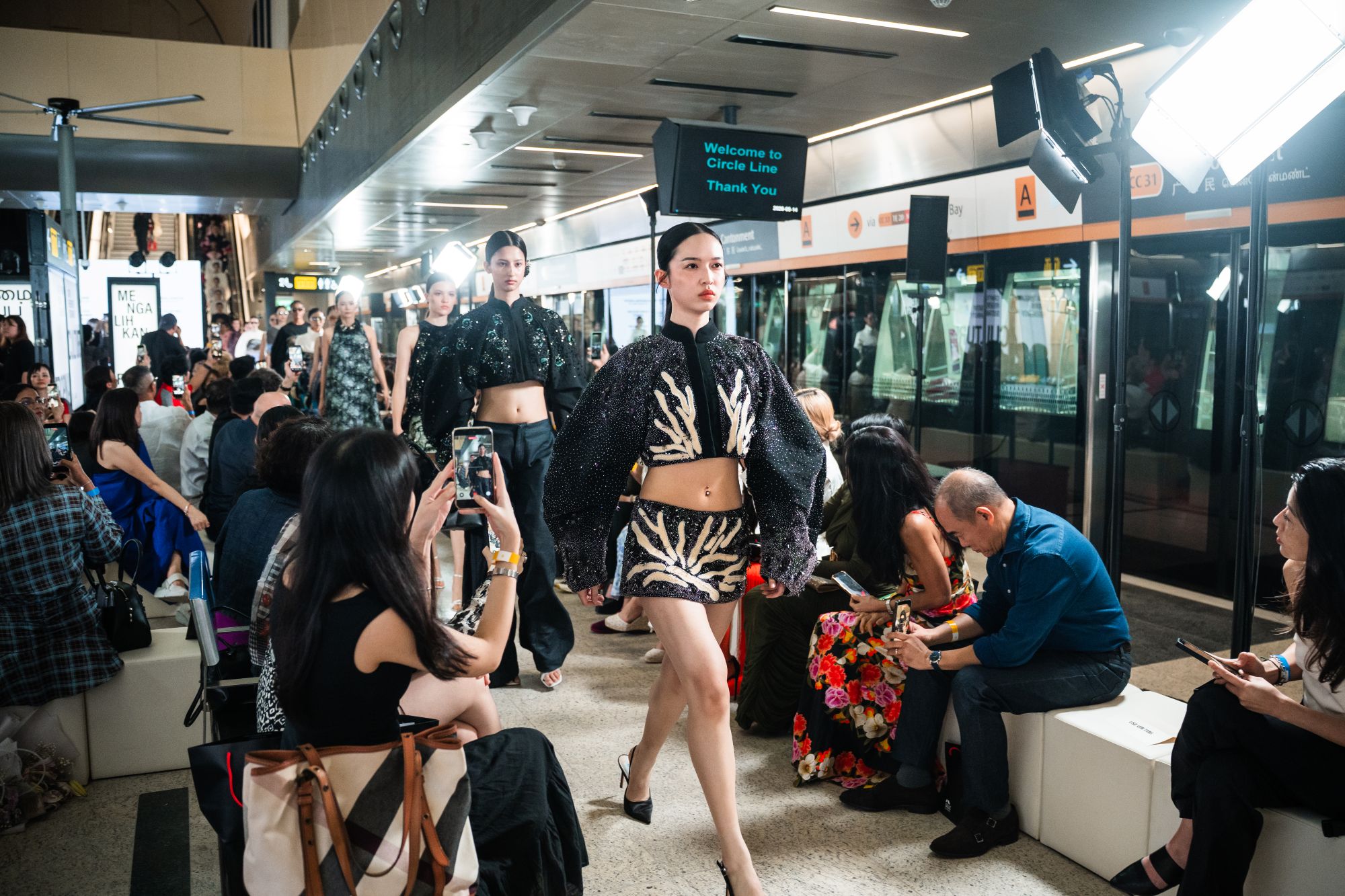
The show celebrated a new generation of designers seeking to challenge and disrupt global fashion systems and discourses. The students drew inspiration from areas like cultural and gender identities, mythology, history and politics, their lived and witnessed realities informing their work from process to final output.
The LASALLE 2026 graduate show featured the work of Eng Li Wen, Jahnav Gupta, Lim Sin Rong Vanessa, Nurul Izza Binte Rahmat, Foo Kailin, Audrey Wilhelmia Rahardjo, Ayesha Mahmood, Kayla Adelia Rudiansyah, Ahmad Hanif Bin Ahmad Jamal, Ashok Ramkumar Anchanaa, Viola Veronika, Keila Zaneta Arifin, Quek Yu Tong and Andrea Sanchez Guajardo.
Find out more about their collections below:
结霜桥 Gek Eng Kio by Eng Li Wen
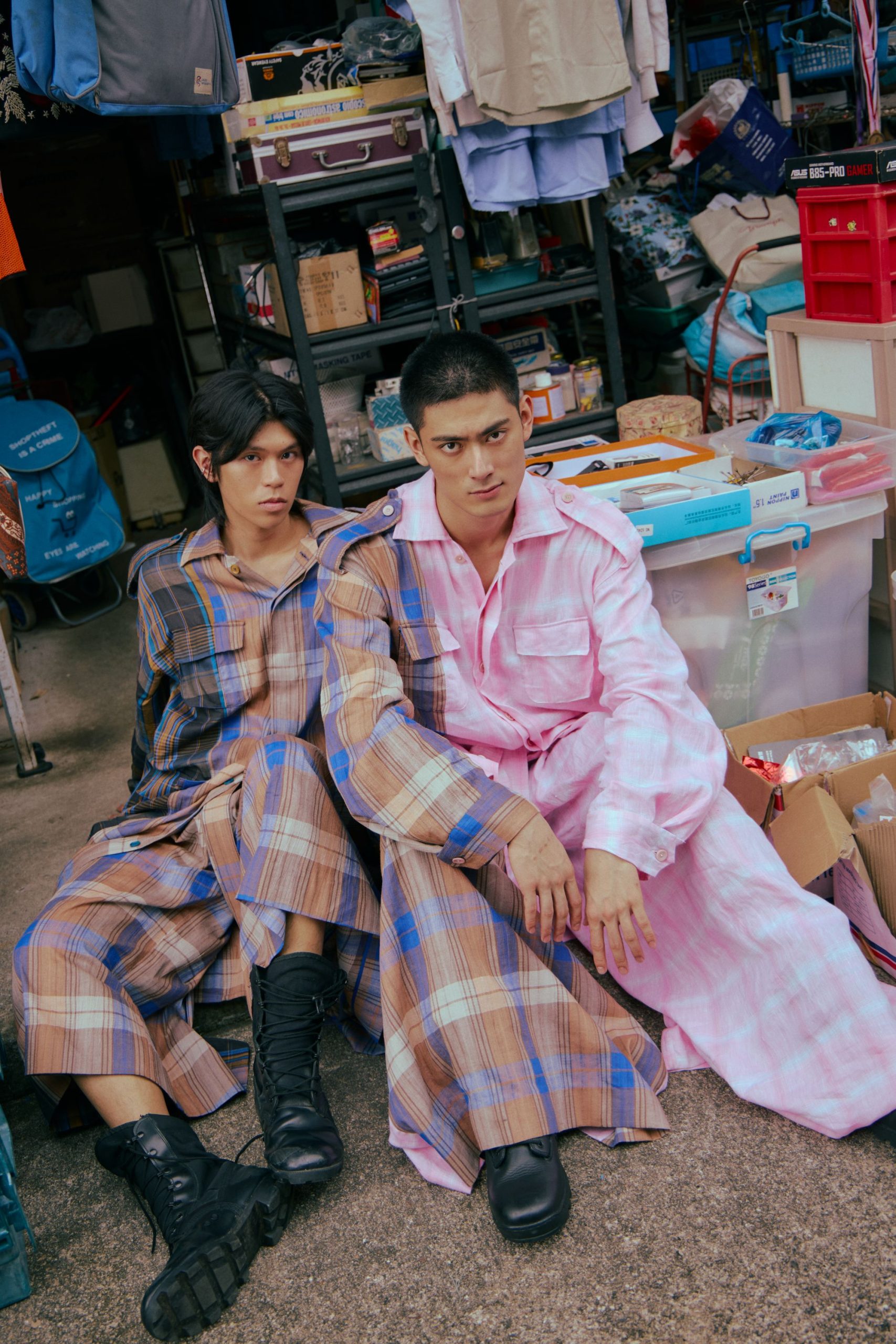
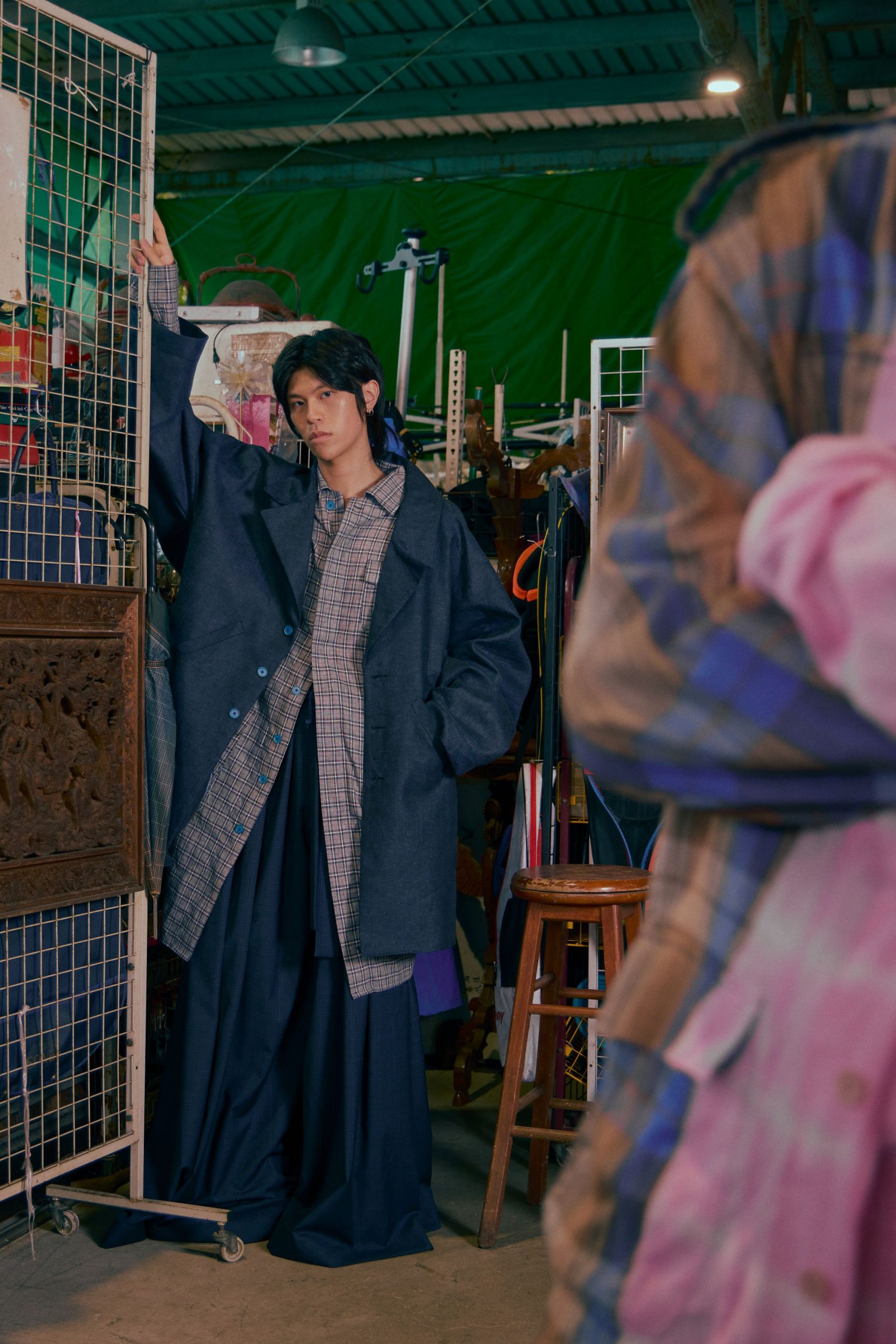
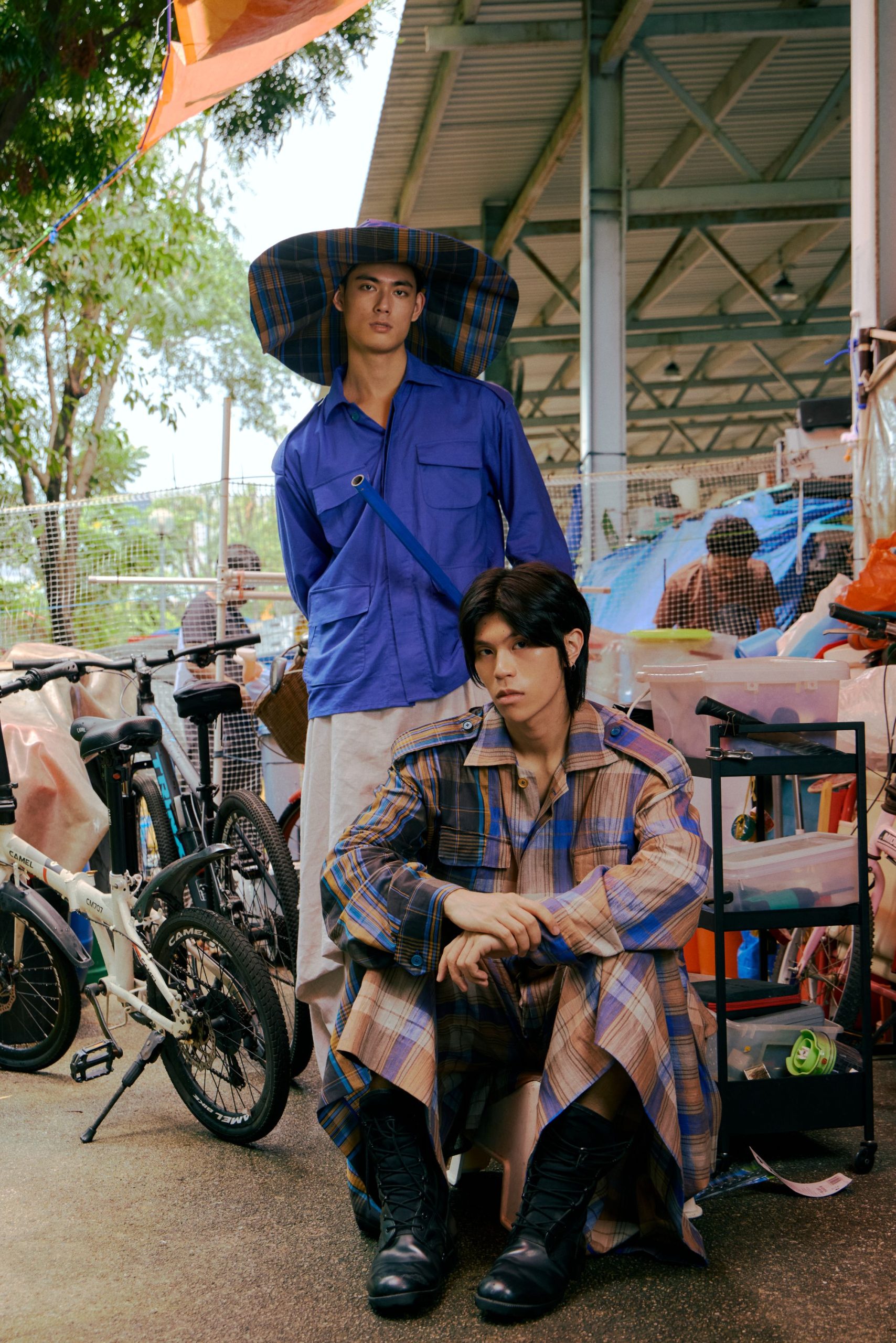
A response to eroding connections between fashion and local culture, 结霜桥 Gek Eng Kio draws upon the utility of workwear as a symbol of stability and resilience. Fabric choices and silhouettes are influenced by Singapore’s vanishing third spaces, merging function and narrative, as Eng nods to the cultural heritage and labour behind our creative landscape.
threshold by Jahnavi Gupta
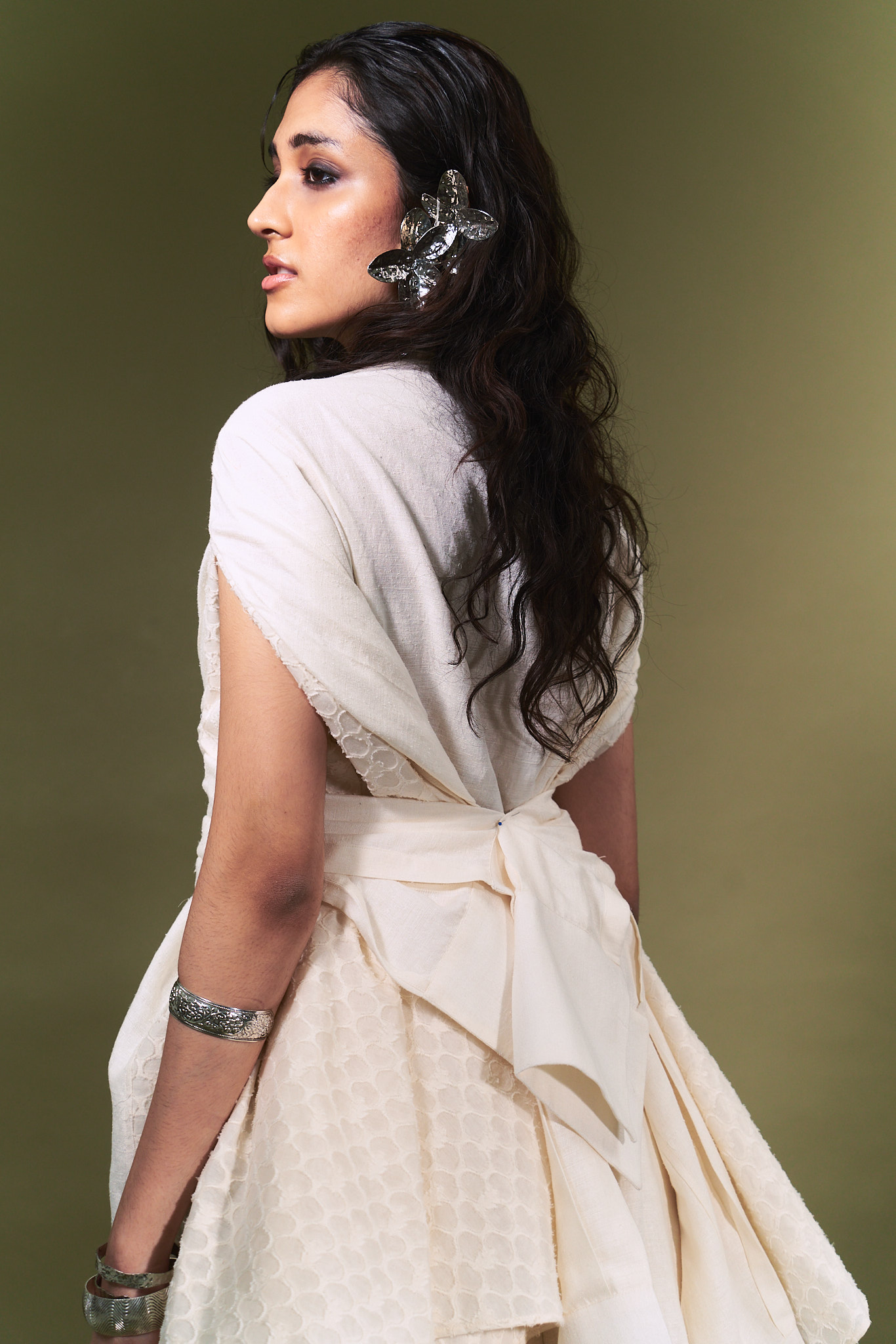
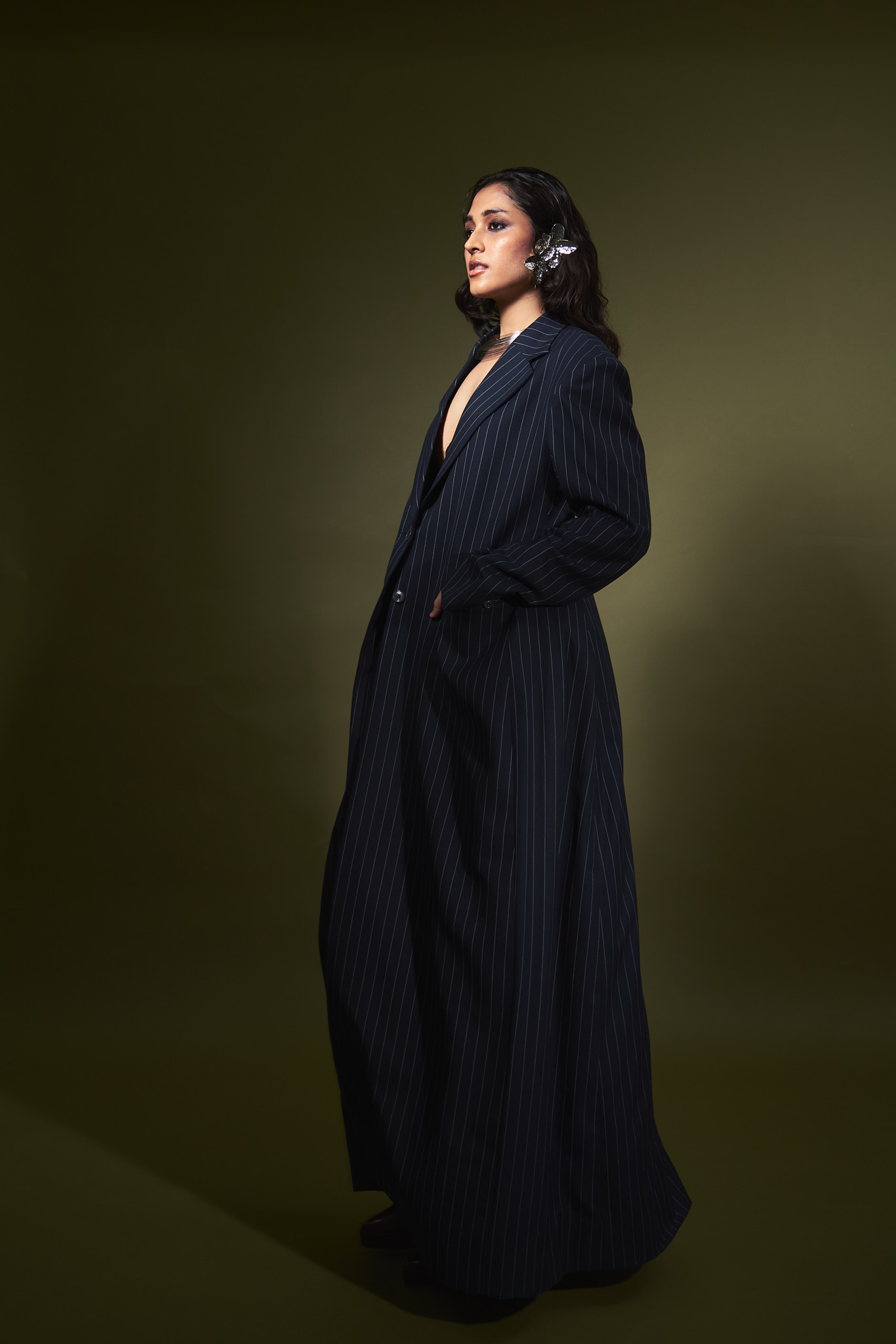
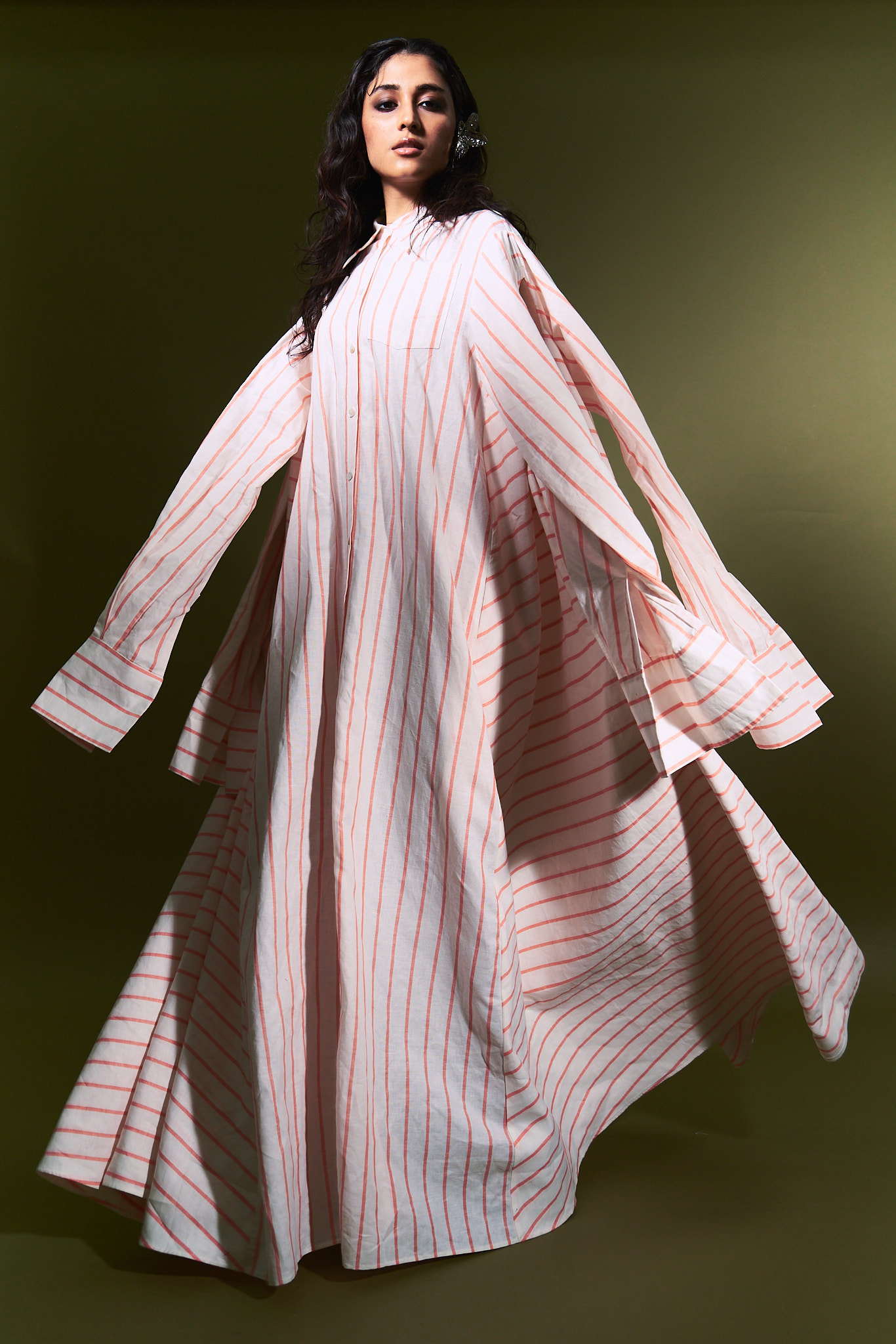
threshold is a study in belonging, displacement and memory through the lens of the 1947 Partition of India and Pakistan. The heart of Gupta’s collection is the dialogue between the dhoti and tailored jacket, the contrasting garments shifting between fluidity and control, with new forms emerging from this very division.
Related article: The Making Of A Fashion Story: Inside ELLE Singapore & LASALLE College Of The Arts’ Editorial Collaboration
The Uneven Starting Line by Lim Sin Rong, Vanessa
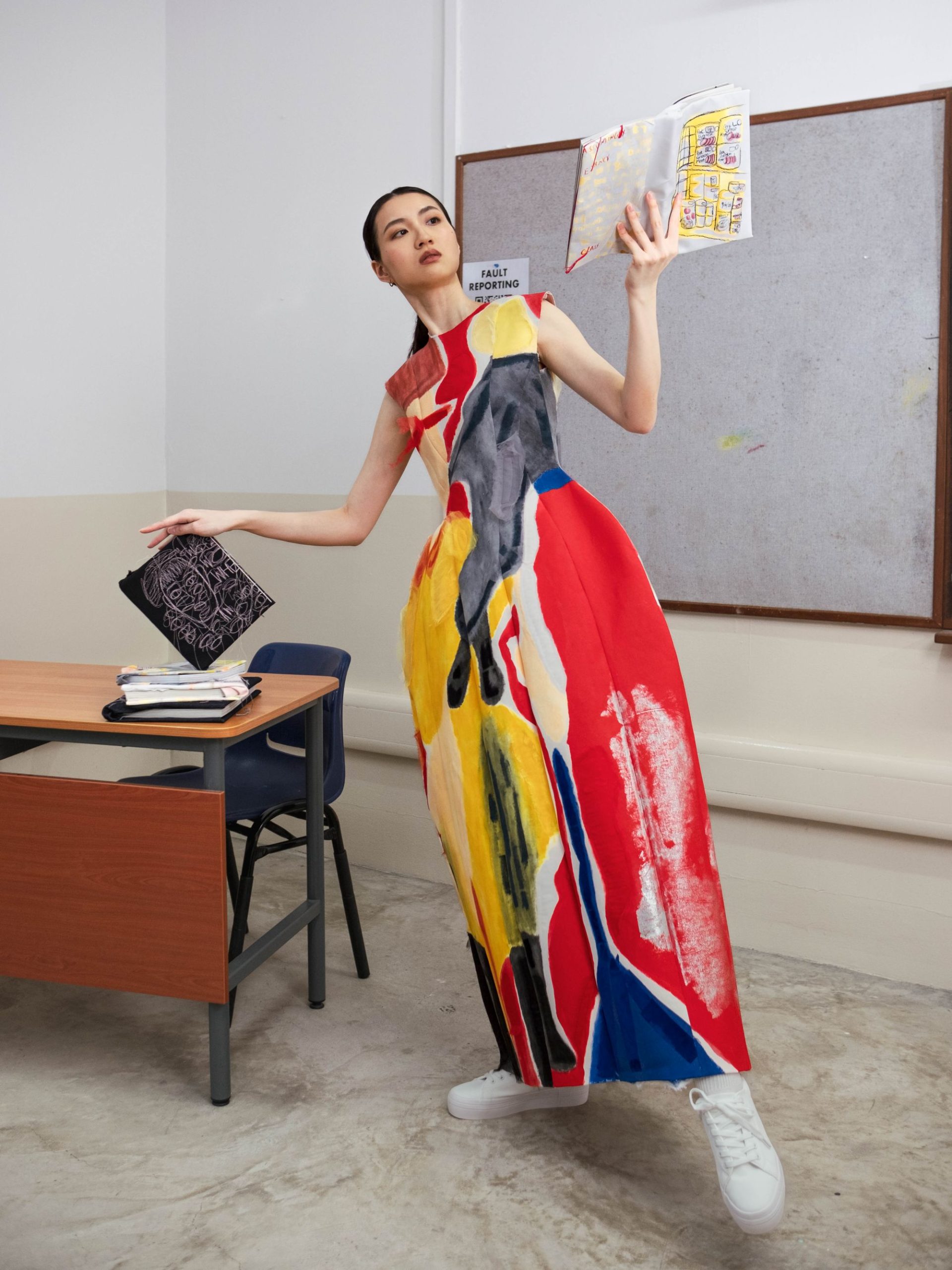
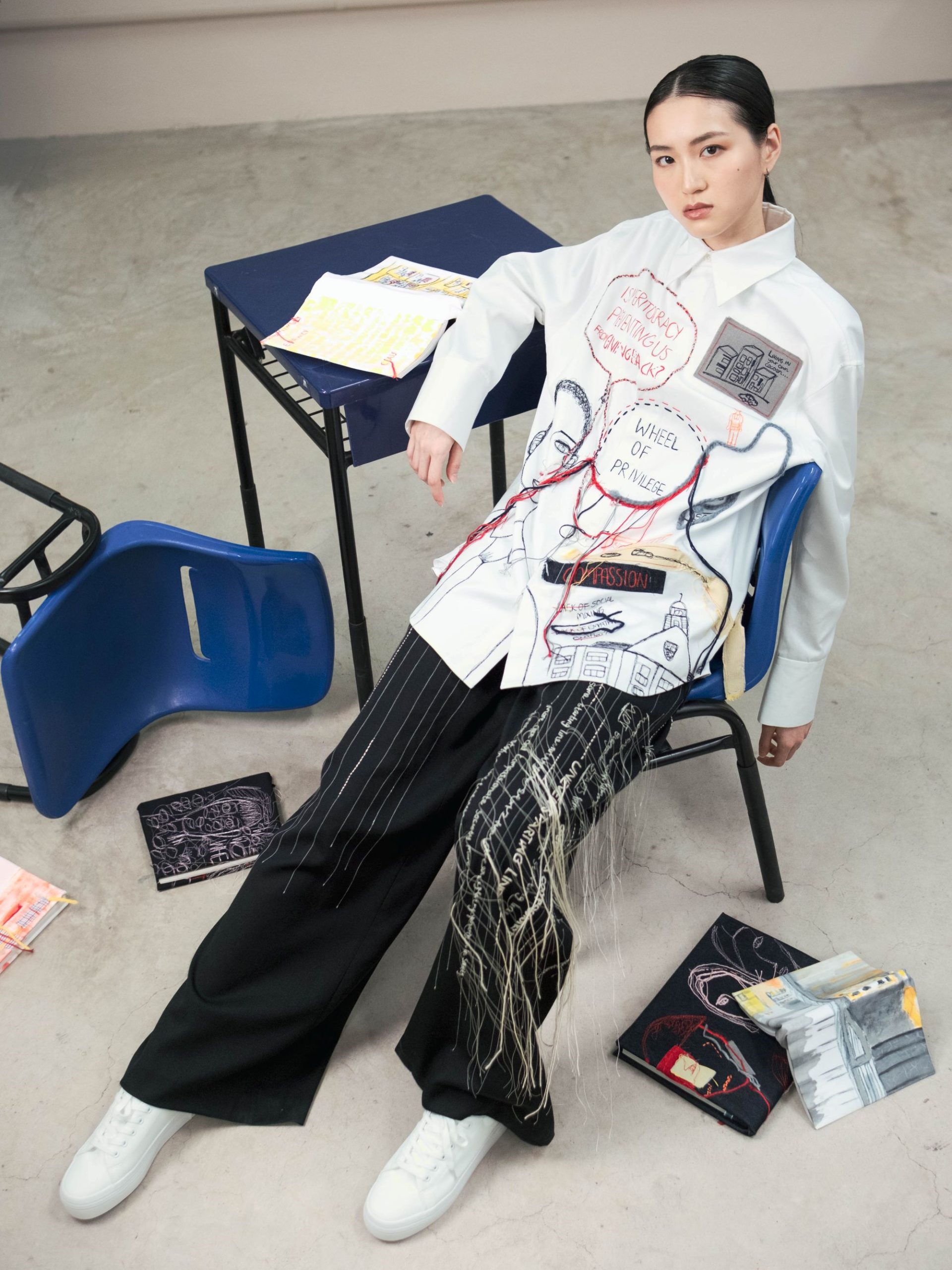
This collection highlights disparity and class privilege, calling to question meritocratic principles that fail to acknowledge the unequal starting points we have in life. Expressed via textiles inspired by everyday life in Singapore, Lim plays with contrasting class markers using text, painting styles, appliqué and embroidery.
ModestScape by Nurul Izza Binte Rahmat
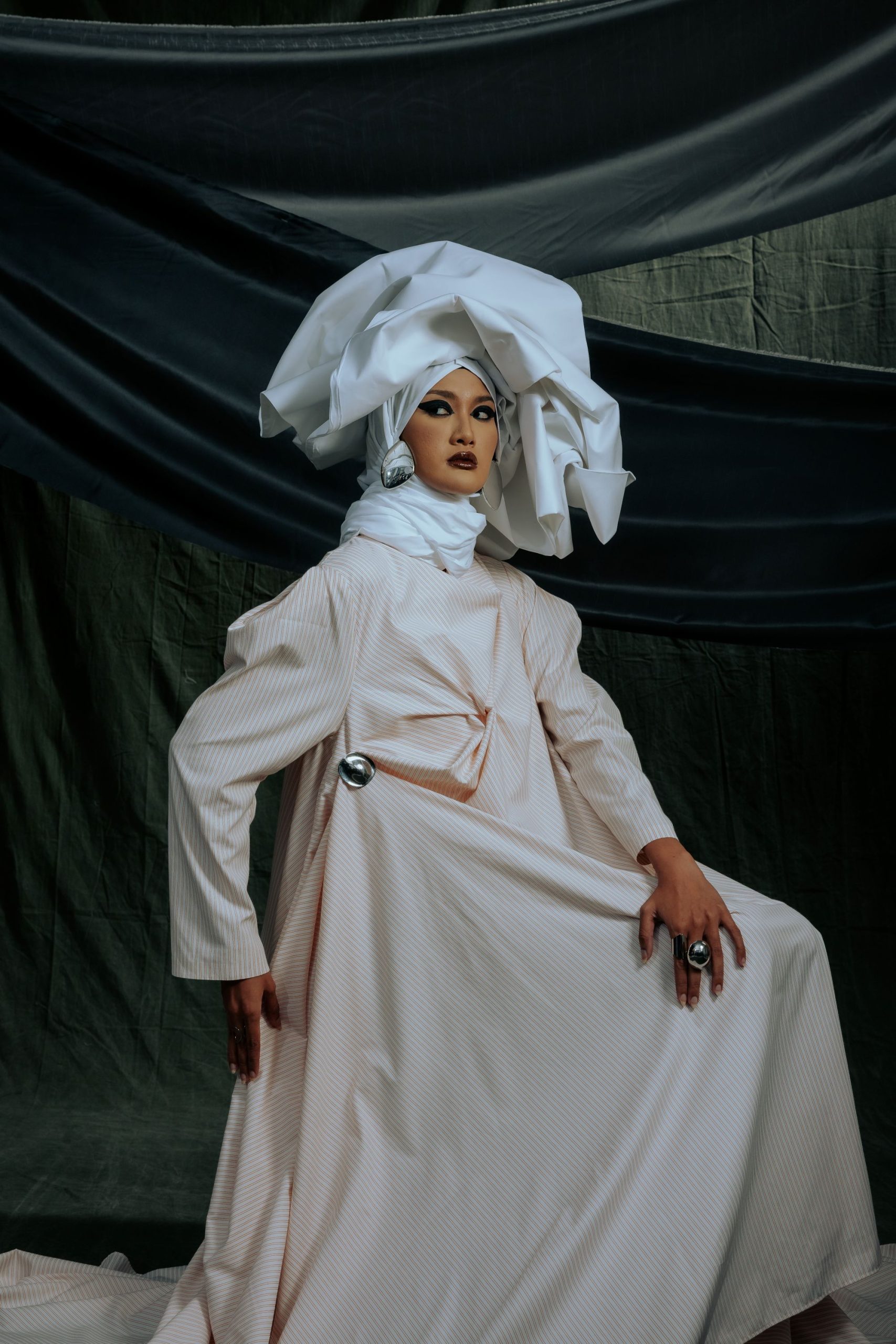
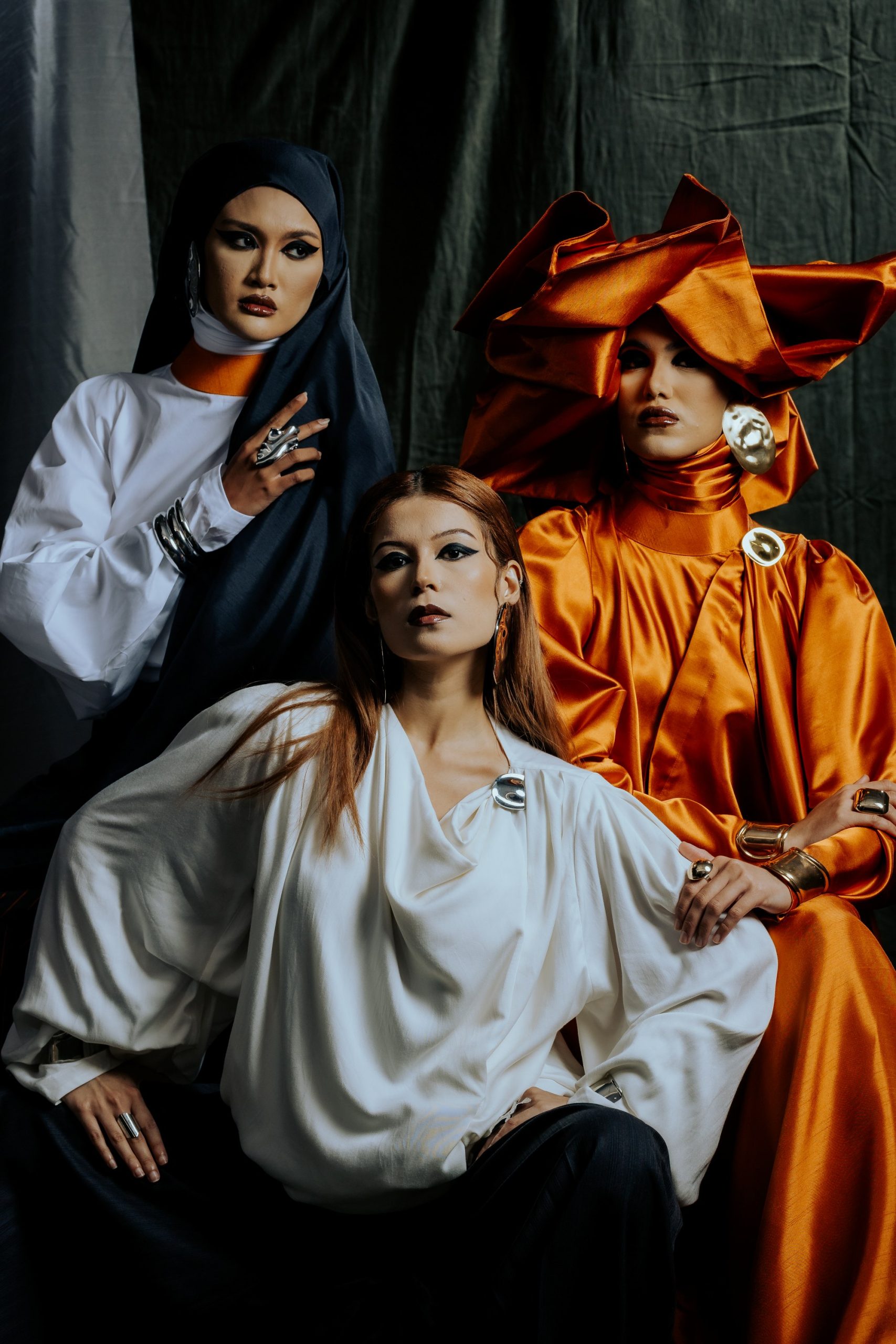
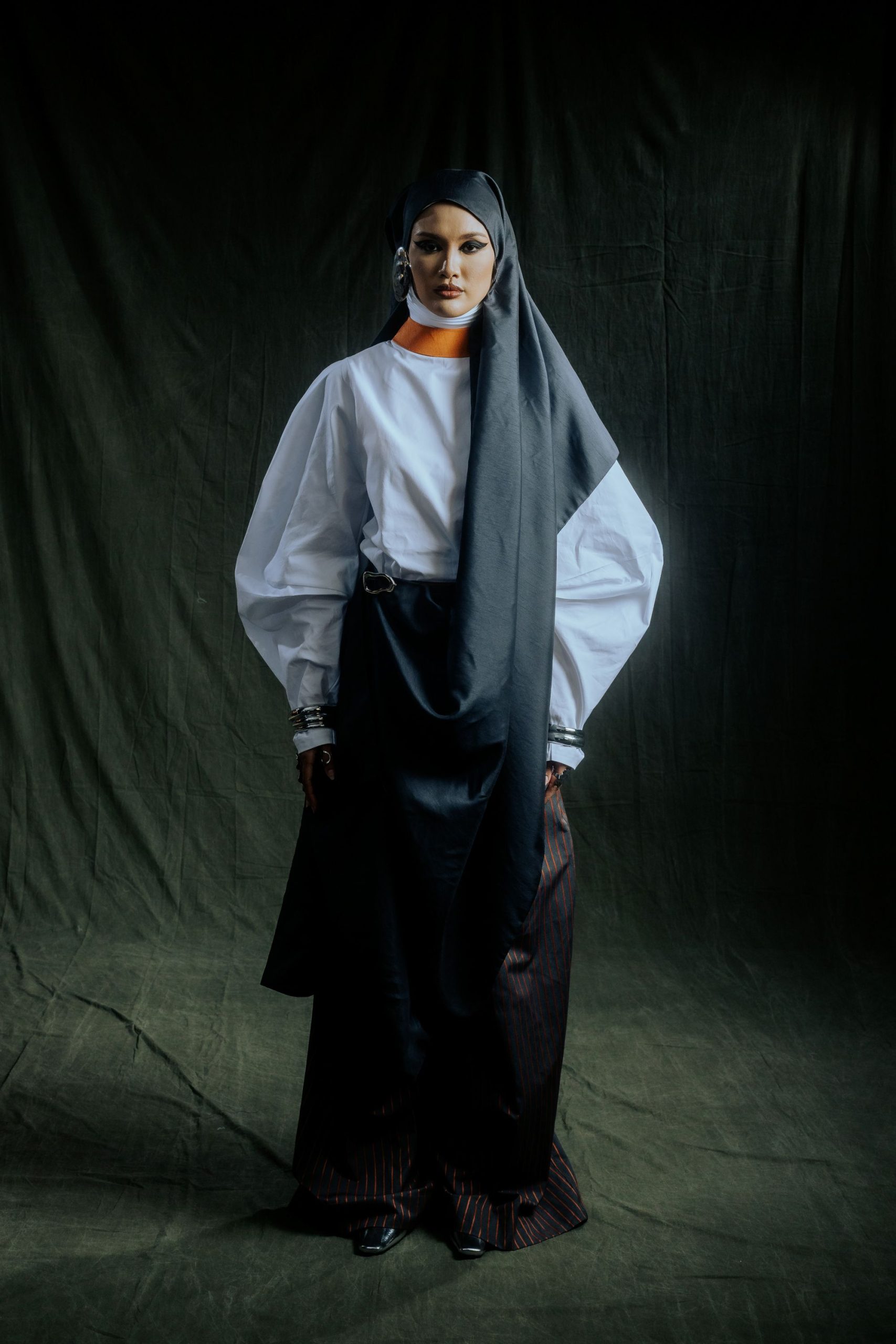
ModestScape pushes the boundaries of what modern modestwear can look and feel like, while addressing sustainability and climate. Addressing a gap between mass-produced modestwear and a growing appetite for contemporary design, this design-led collection uses sustainable materials that respects cultural needs and functionality while responding to Southeast Asia’s climate and environmental concerns.
SALT & SOLACE by Foo Kailin
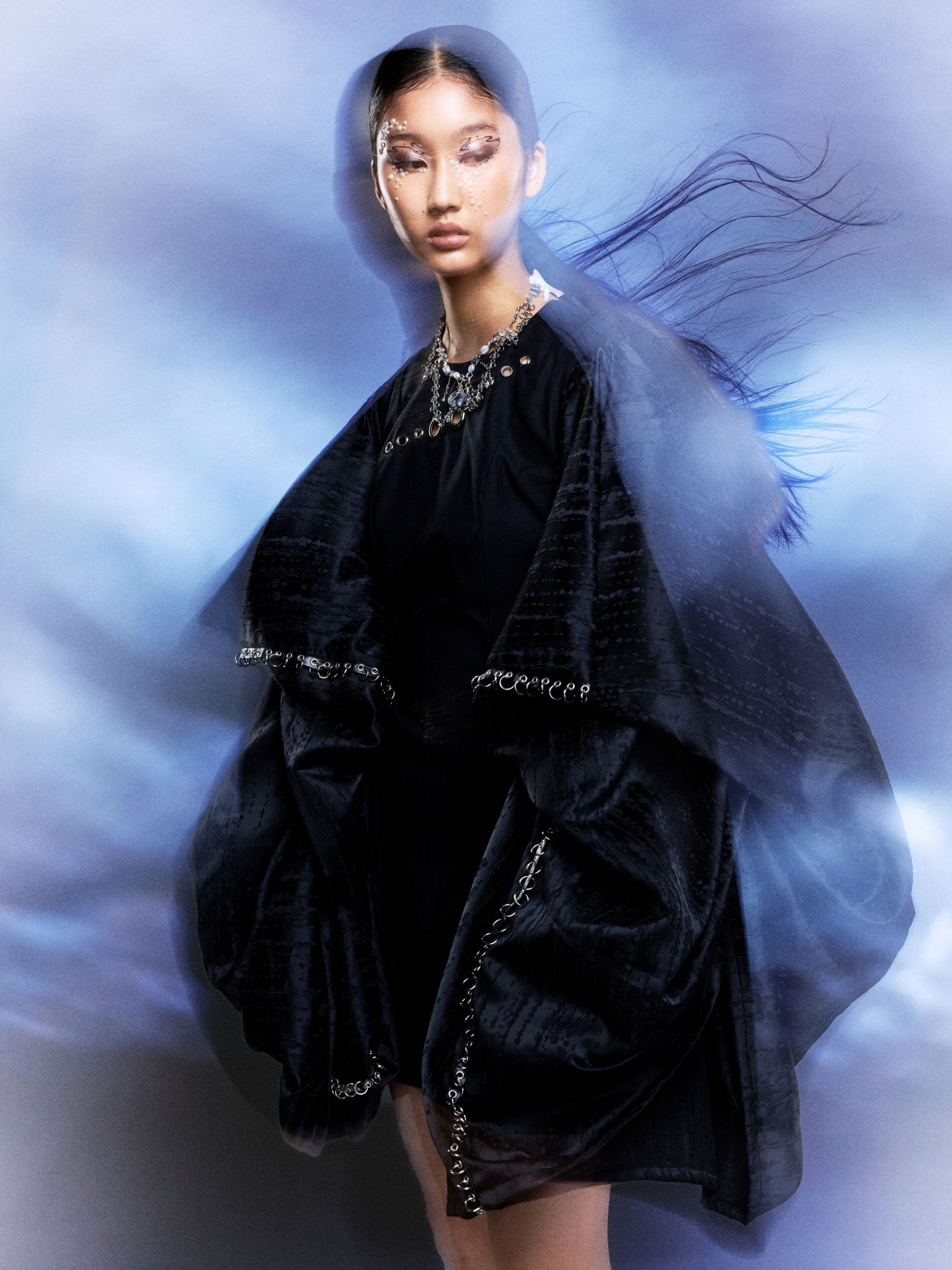
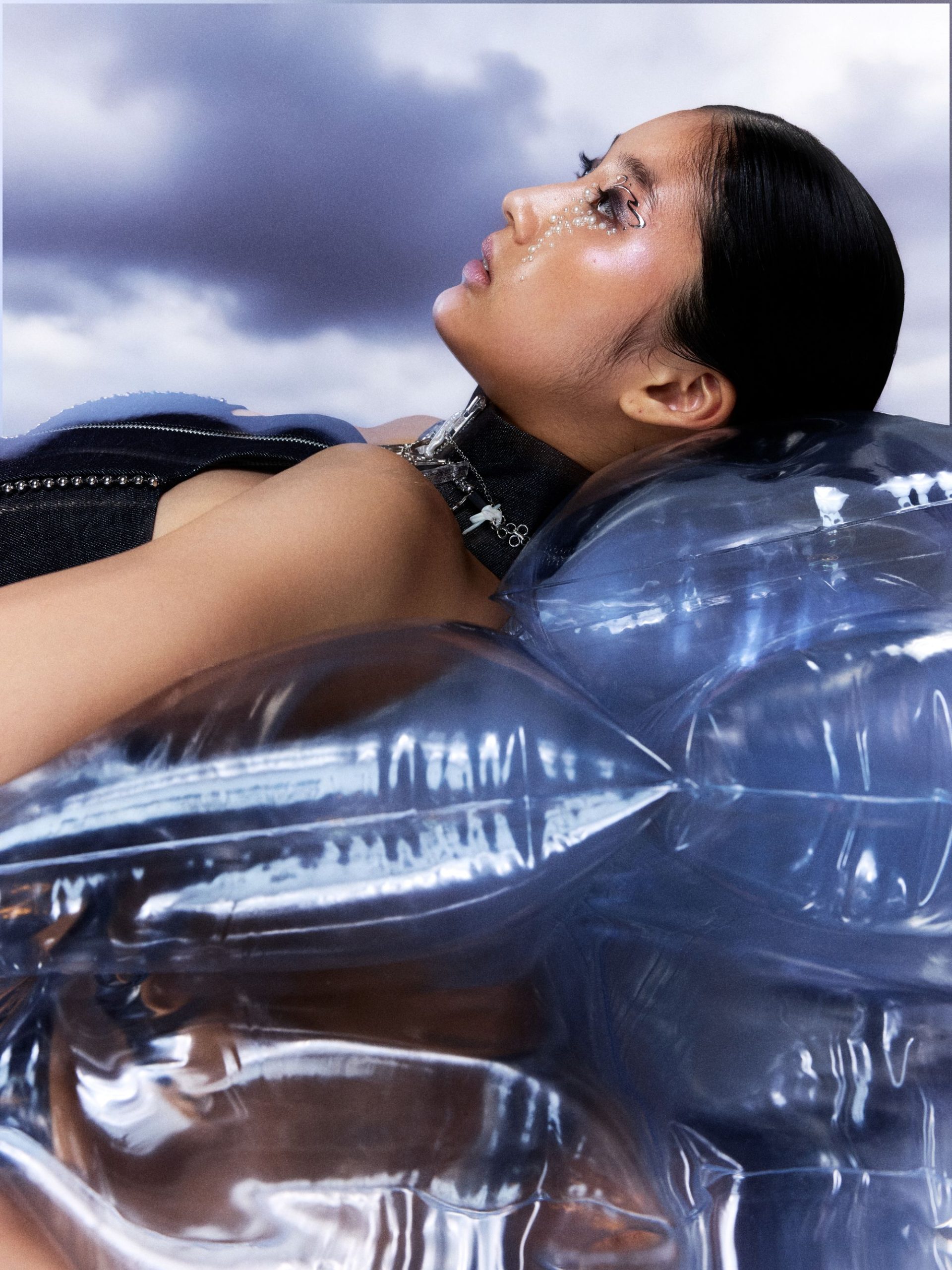
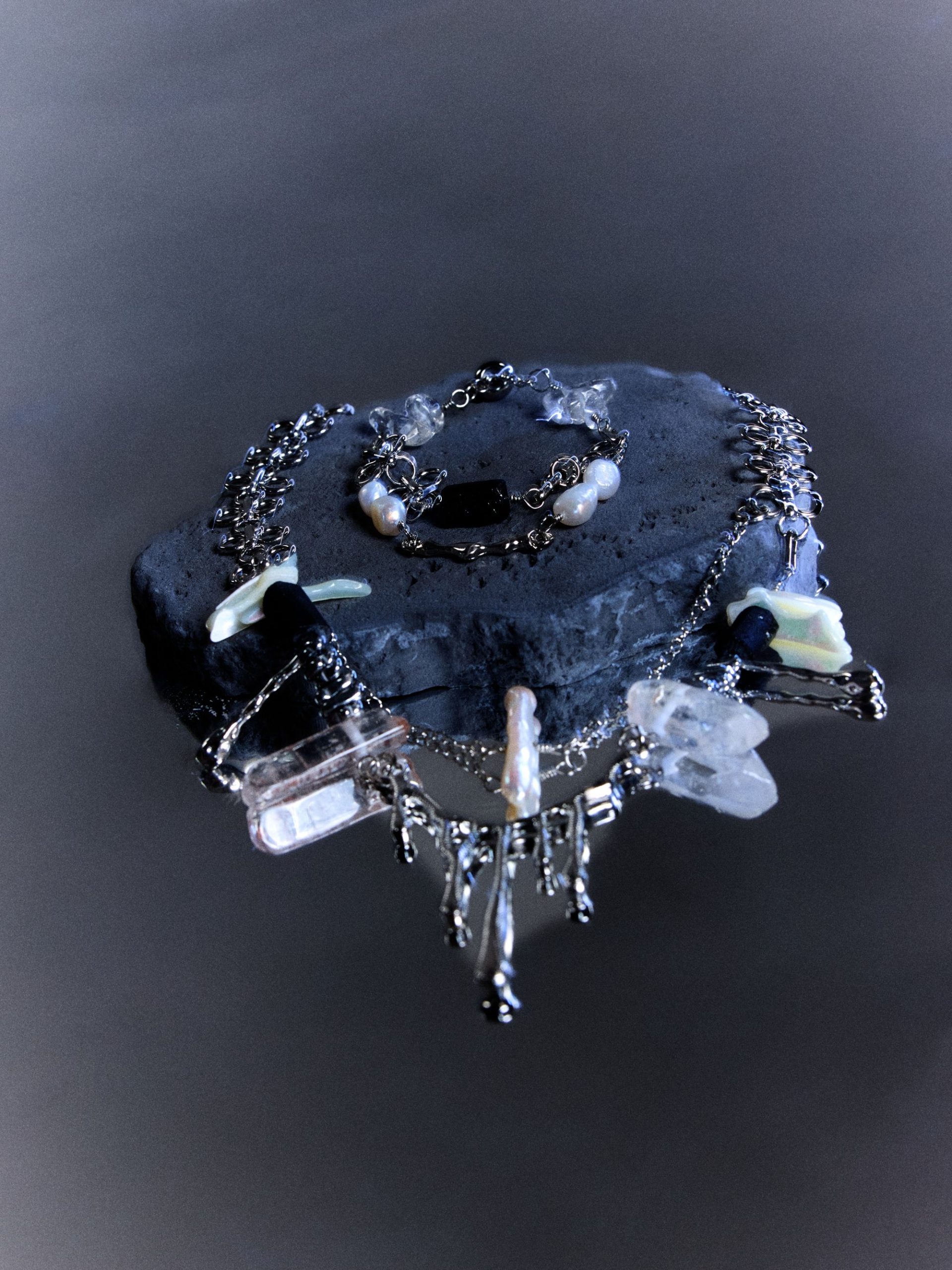
With Salt & Solace, Foo proposes clothing as comfort objects, using touch, colour and familiarity to ground the wearer in emotional safety. Addressing the anxiety that increasingly grips young generations today, the collection focuses on sensory elements, using pillowcase draping to wrap softly around the body, while interactive fidget-like metal trimmings invite the wearer to engage with the garment as a self-soothing tool.
Forgotten Tide by Audrey Wilhelmia Rahardjo
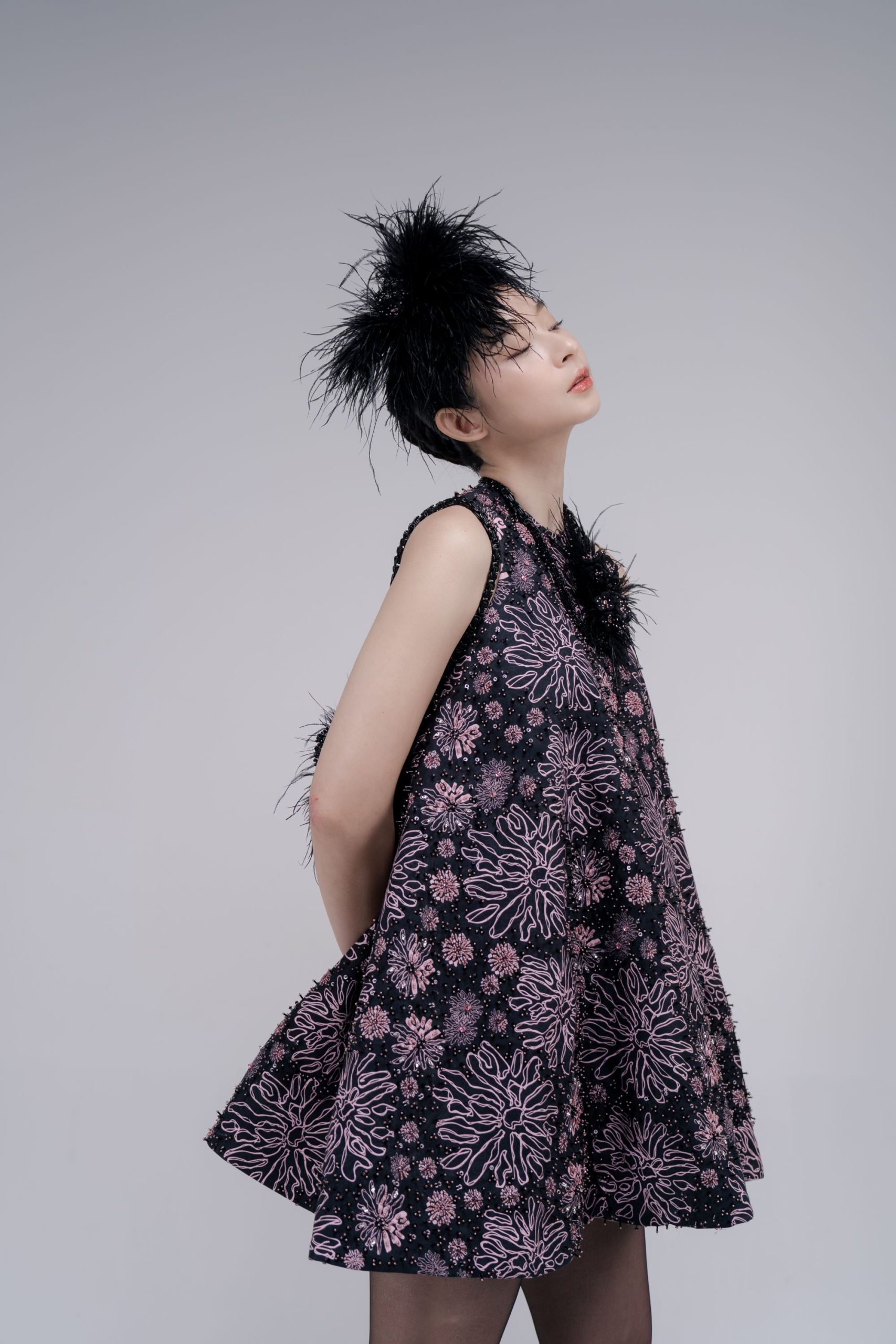
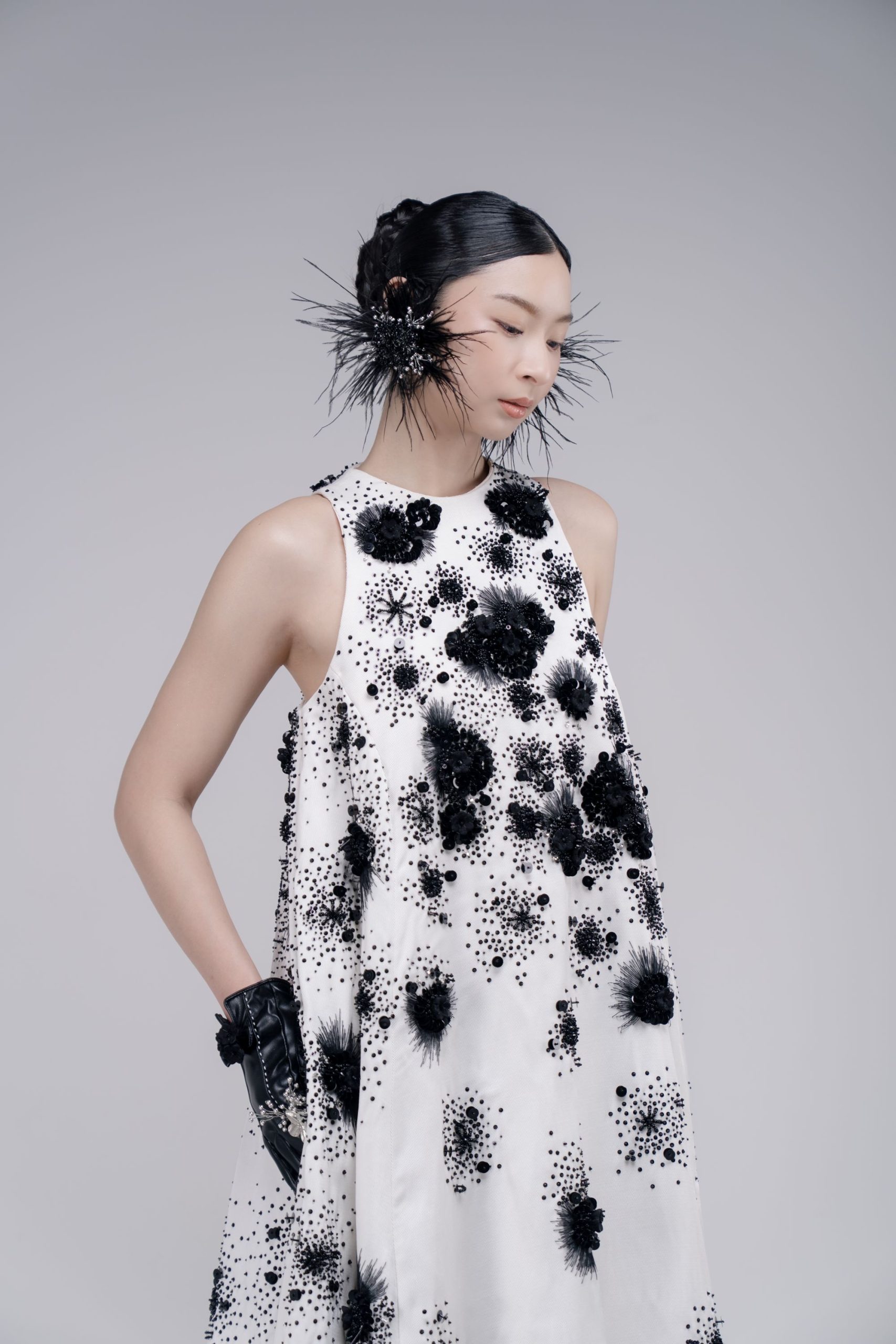
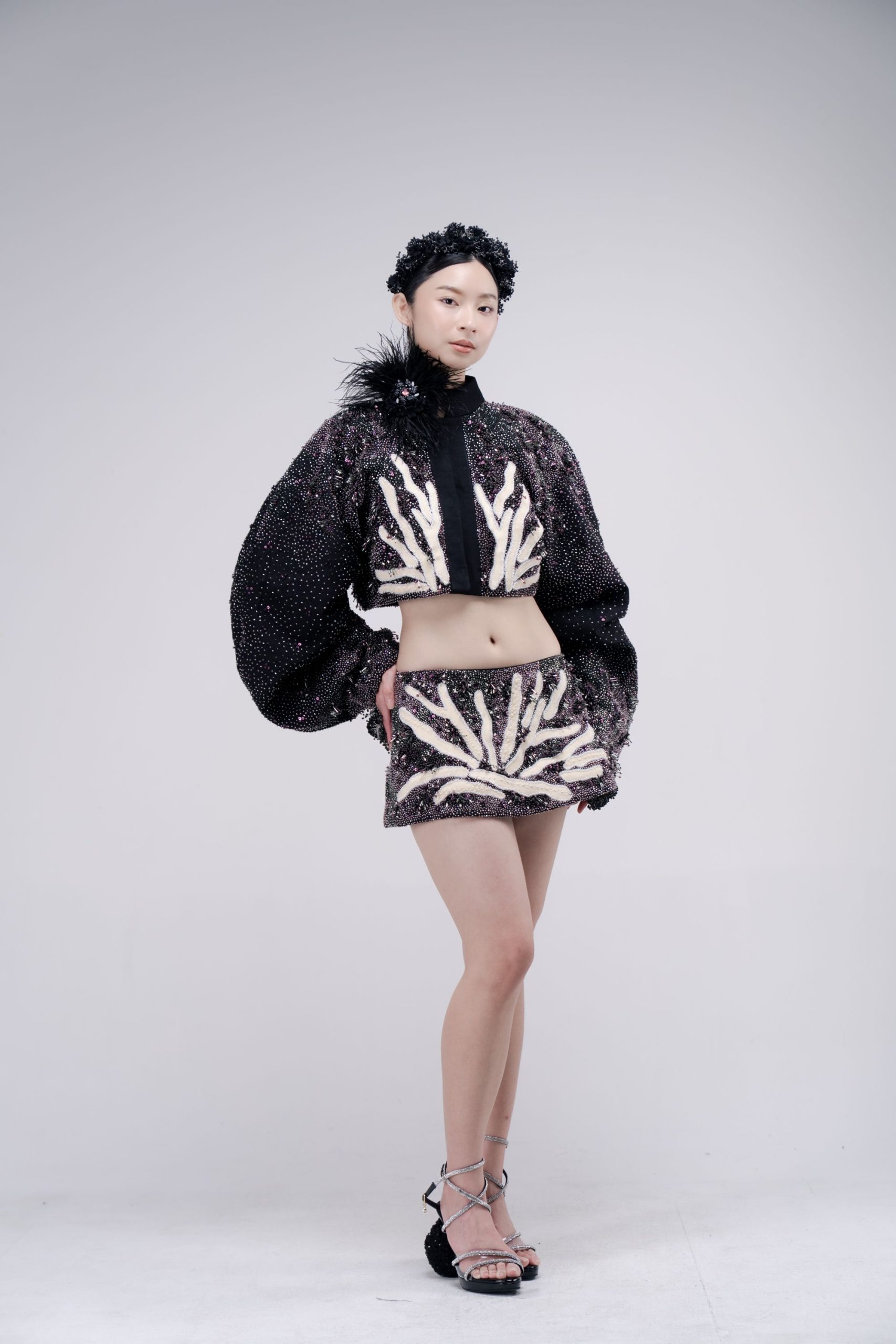
Inspired by the novel Laut Bercerita by Leila S. Chudori, and set against a pivotal period in Indonesian history where student activists were abducted and thrown into the sea, this collection uses the concept of marine decomposition to explore transformation through material. A nod to the novel’s cultural context, it employs traditional embroidery and tactile development to investigate how materials can be manipulated and reworked, reinterpreting cultural narratives and craft.
Related article: The Pre-Fall 2026 Collections To Have On Your Radar
Auralai by Ayesha Mahmood
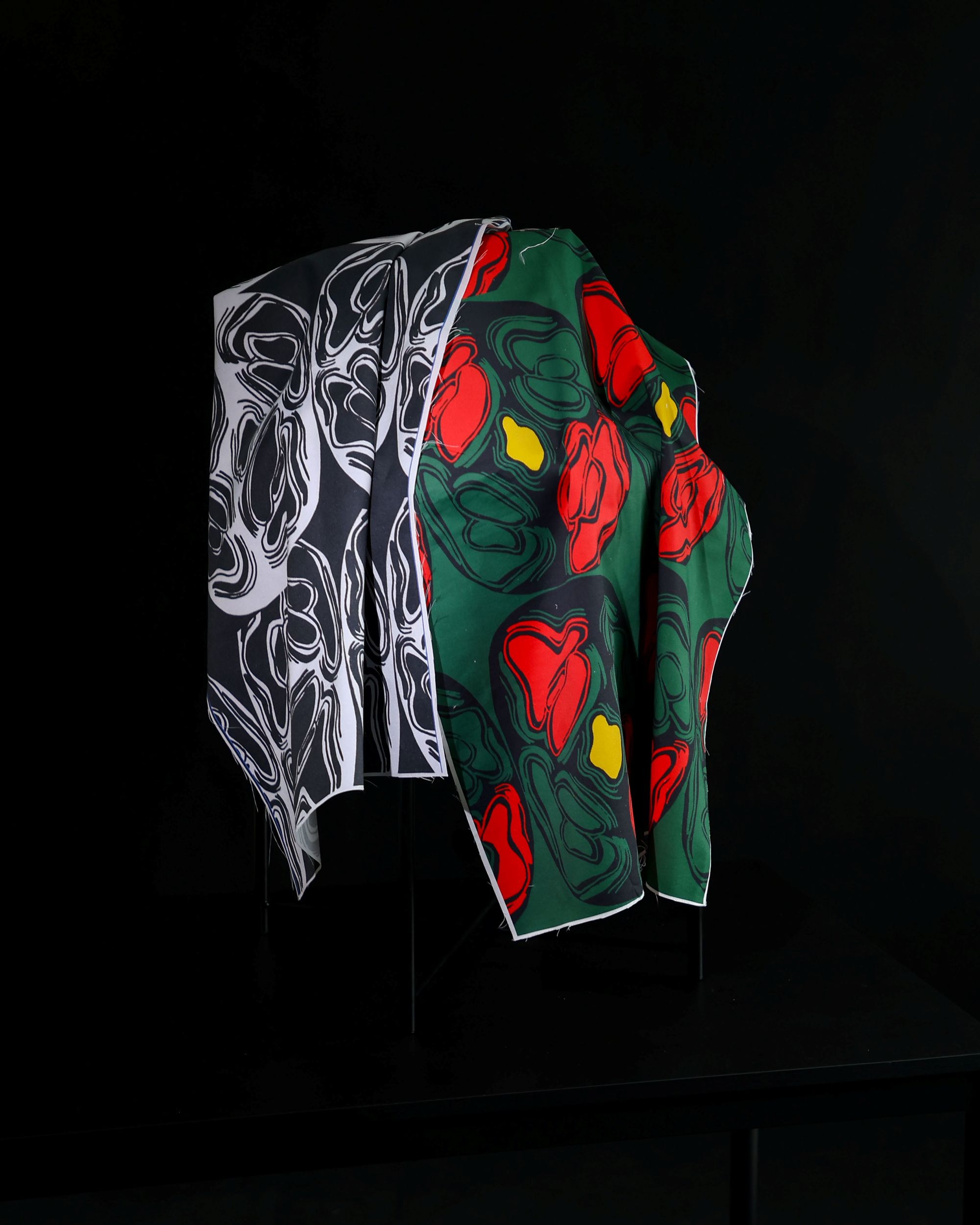
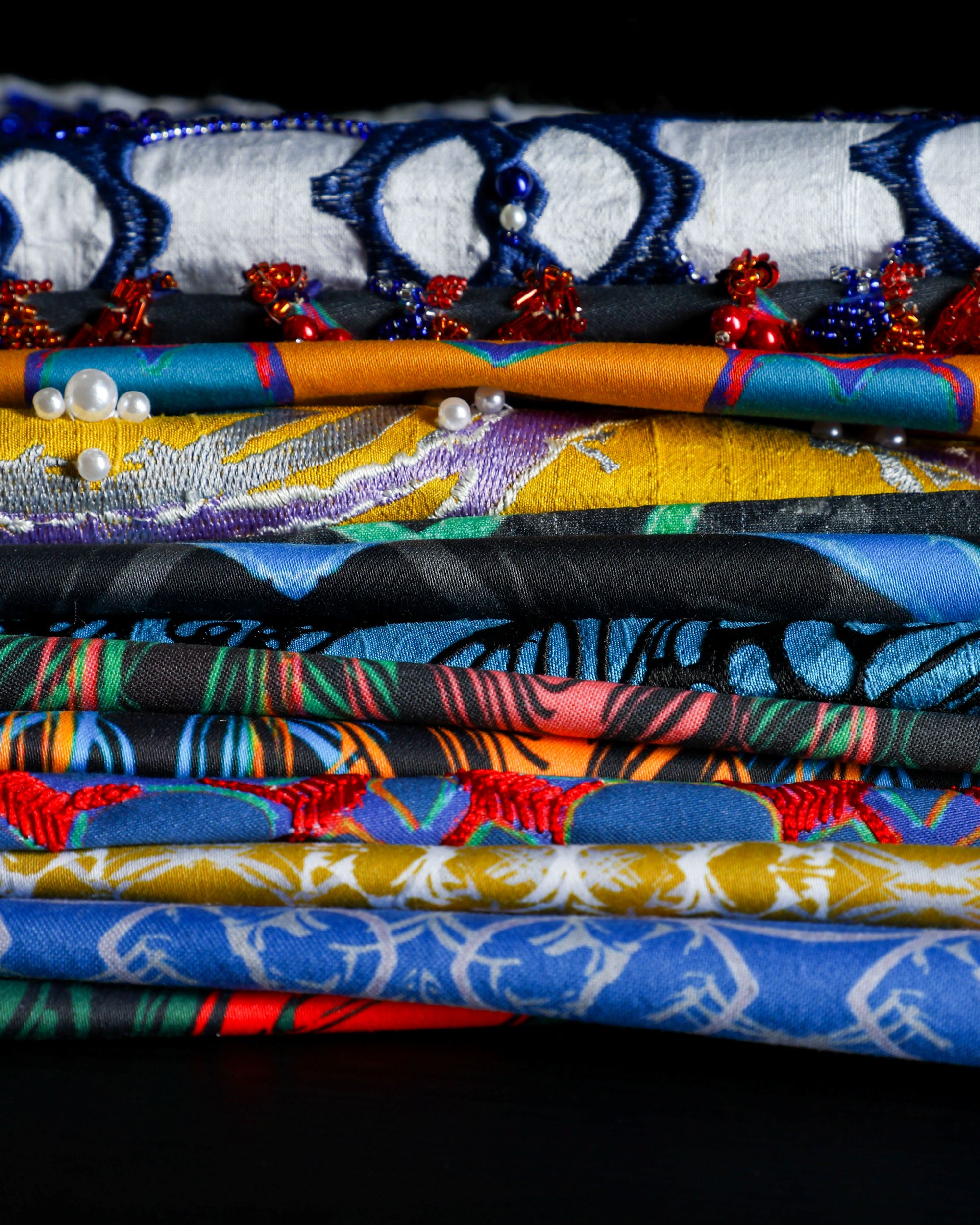
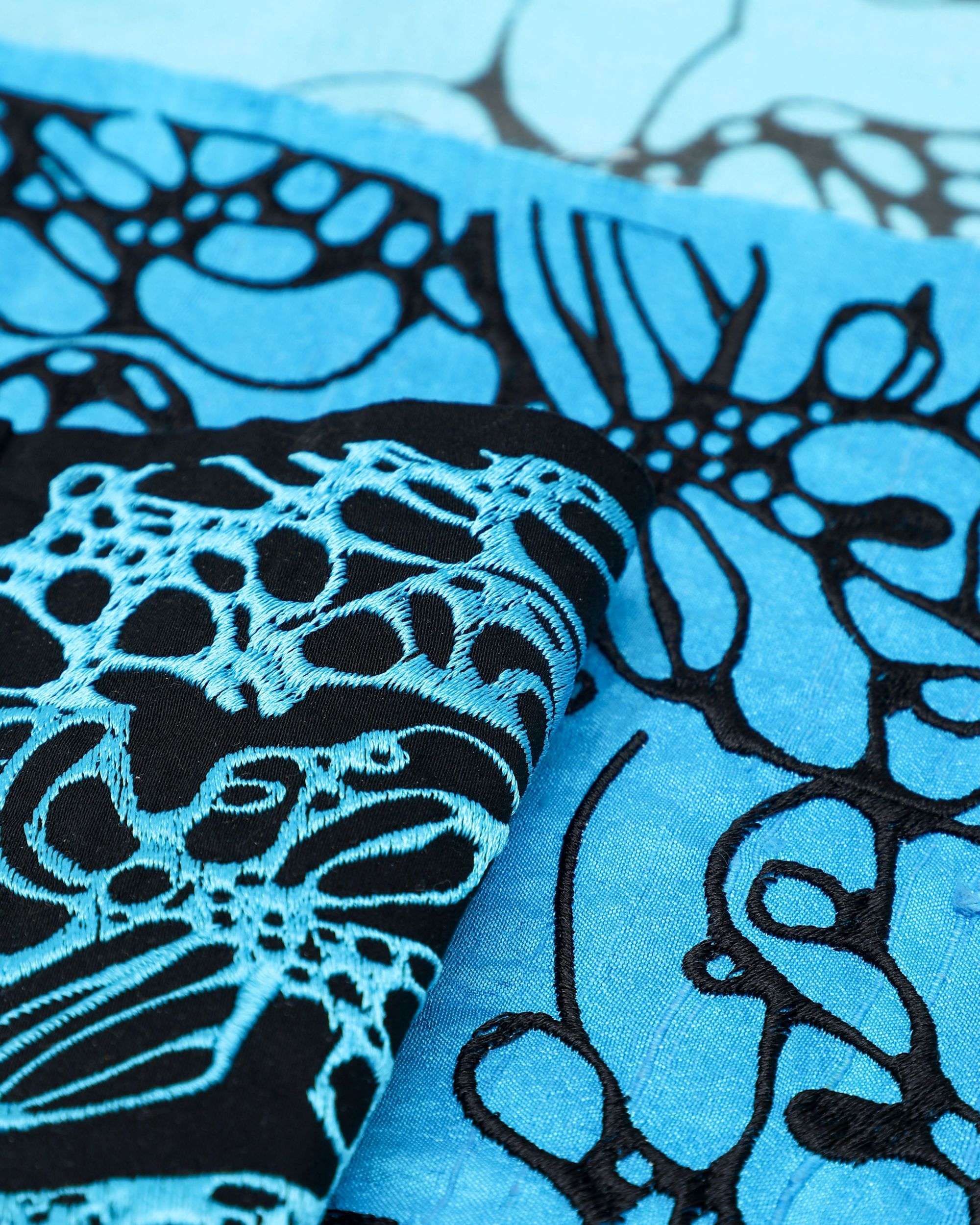
Meaning “hearing through multiple senses”, Auralai brings the Carnatic composition Gowrimanohari to visual and tactile dimensions using scientific experiments like Chladni patterns, where sound is made visible through vibrations. Informed by Mahmood’s family connection to the Little Angels School for the Deaf in Chennai, it is an experimental, immersive collection that uses fashion as a medium to convey emotion and meaning of sound into visual language.
DUAL by Kayla Adelia Rudiansyah
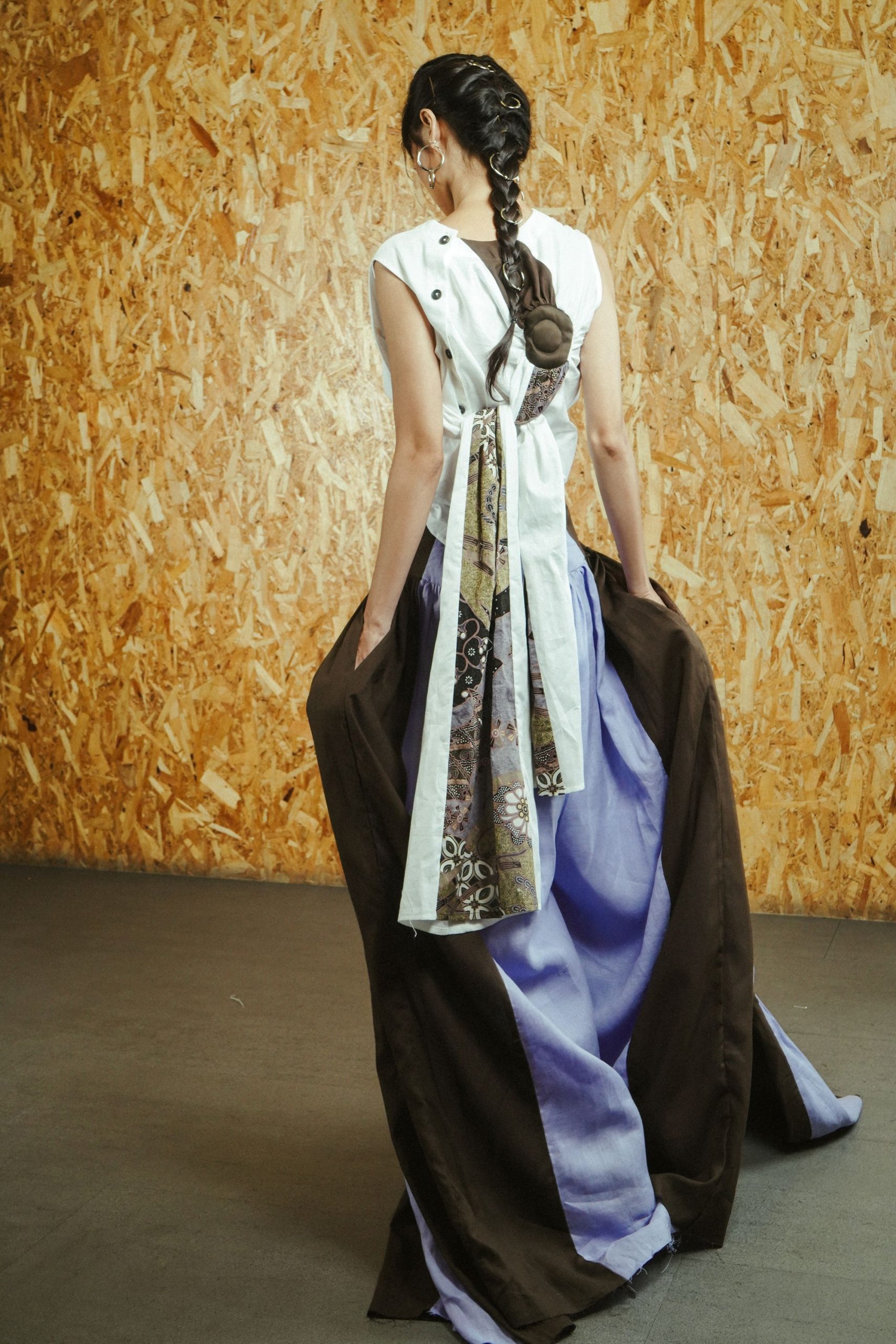
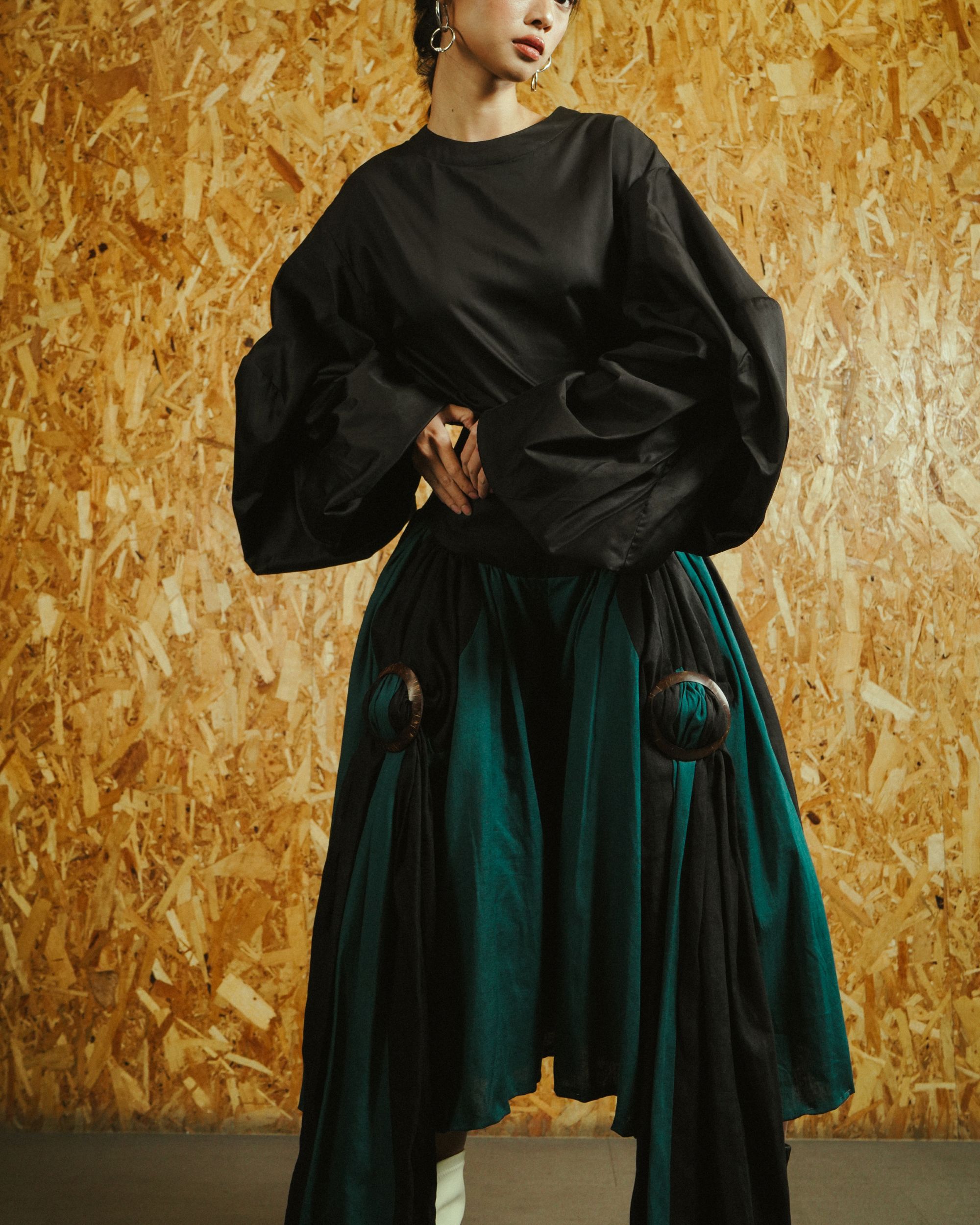
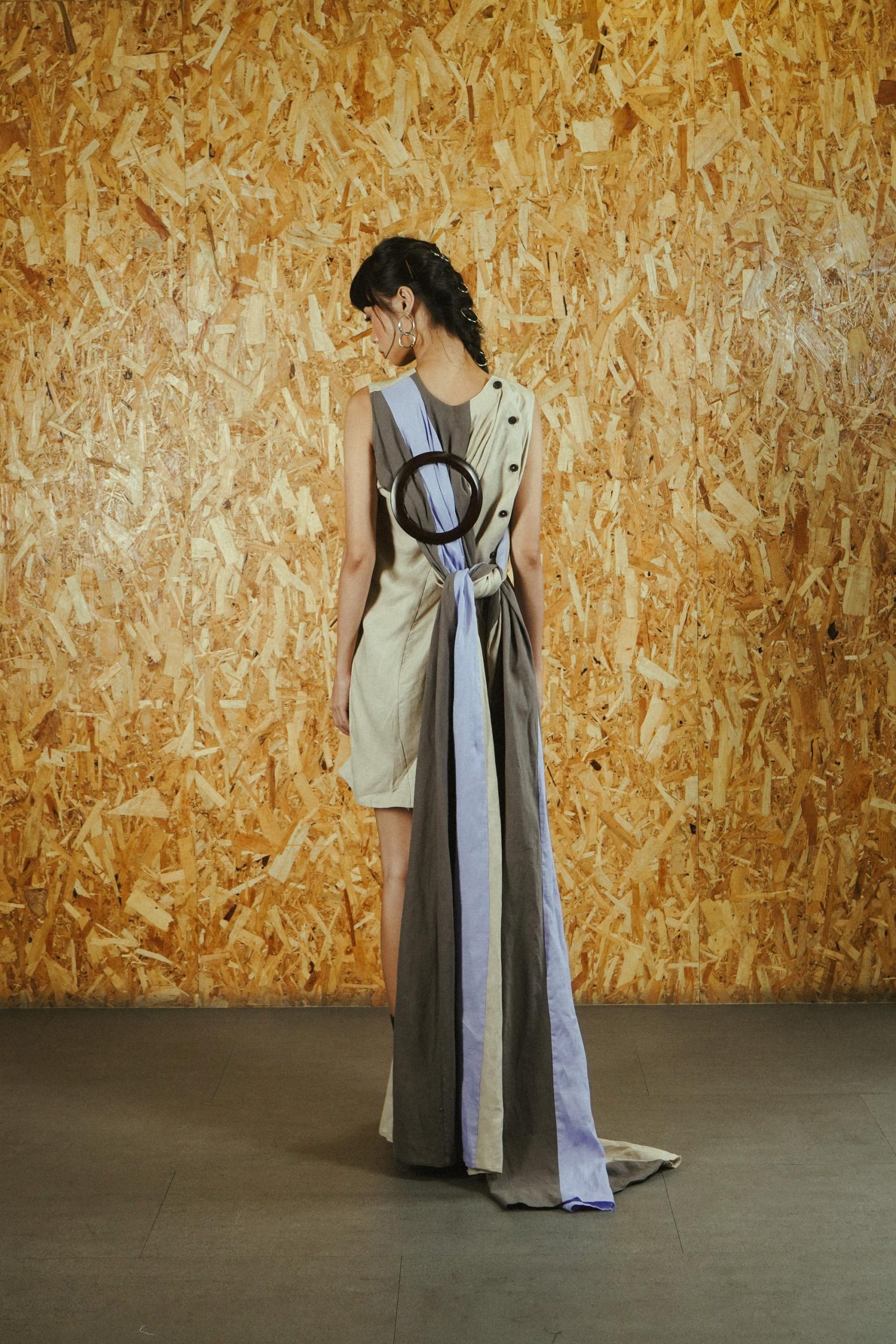
DUAL plays with the idea of the doppelgänger to explore the tension between duplication and opposition. Focusing on the inevitable distortions that emerge from the process of replication, the collection unveils how these contradictions coexist within these mimicked forms. By deconstructing classic Western and Eastern pieces using second-hand garments, it disrupts familiar cultural codes and connotations, transforming the identities they bear.
SILENT PIROUETTE by Ahmad Hanif Bin Ahmad Jamal
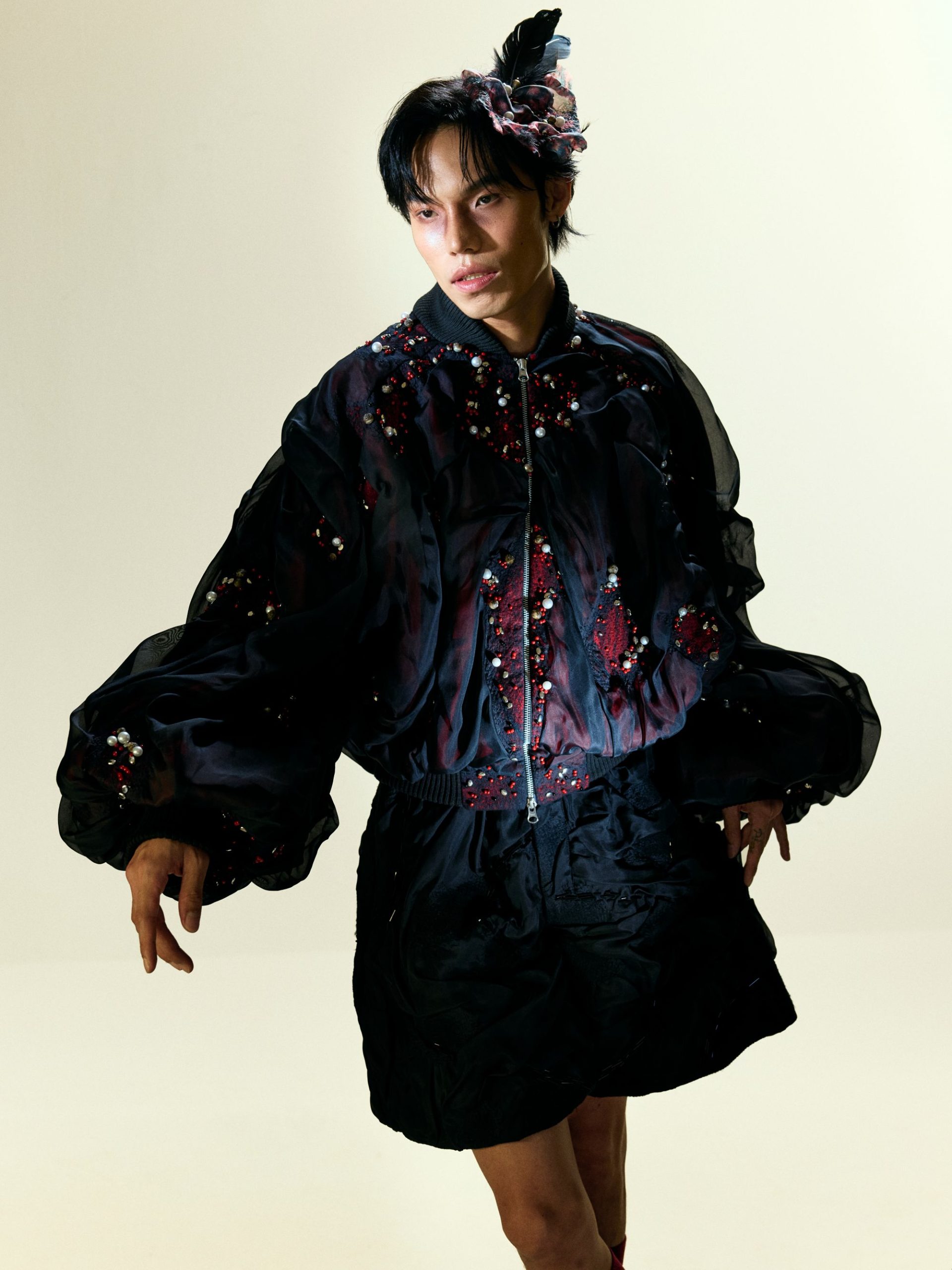
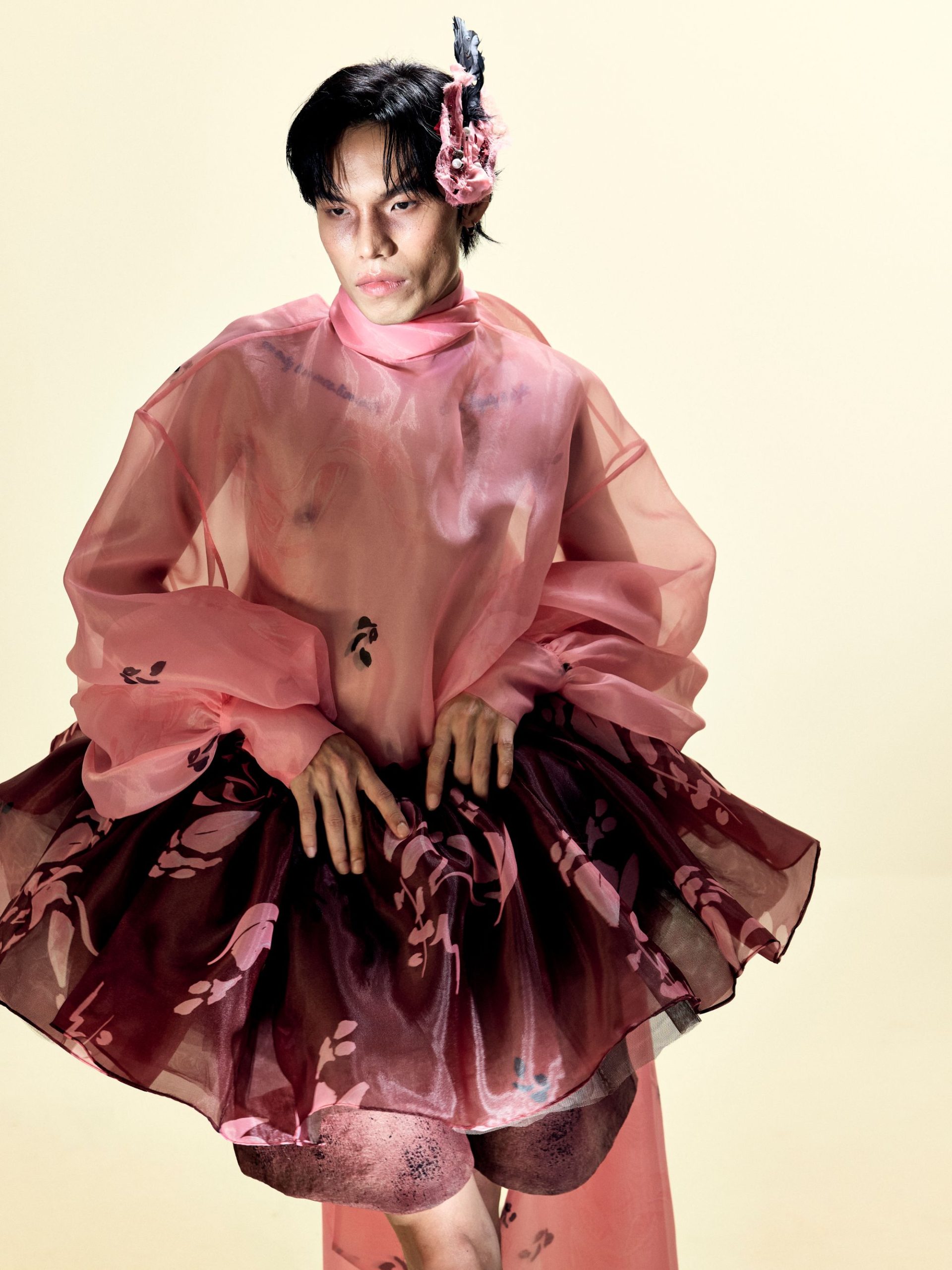
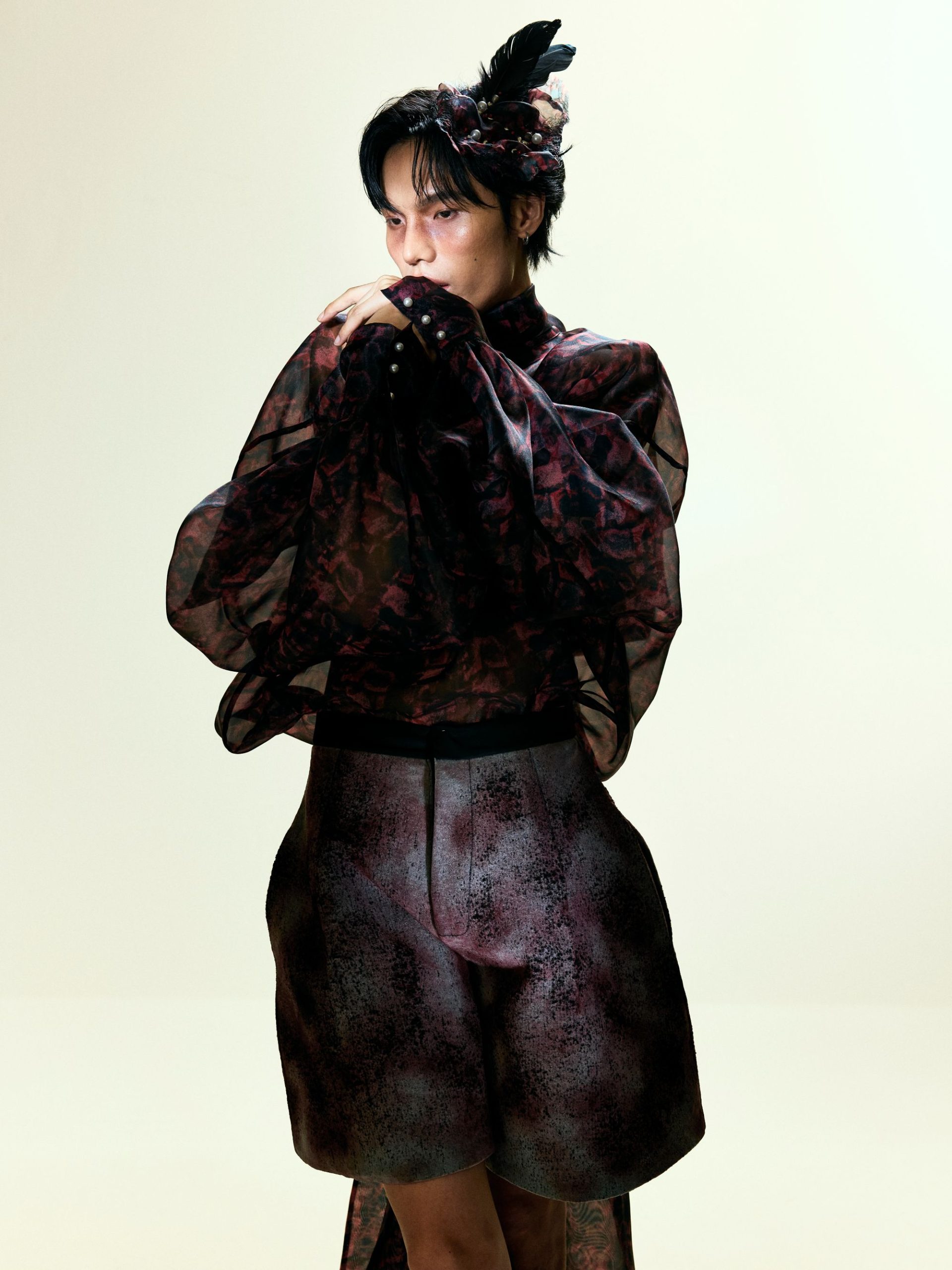
This collection turns inwards to the designer’s childhood dreams of becoming a ballet dancer, challenging the gendered expectations placed on the discipline on a broader level. It questions and bends the limitations of the feminine and masculine, calling attention to how personal identity can transcend traditional gender binaries.
FRAMEBOUND by Ashok Ramkumar Anchanaa
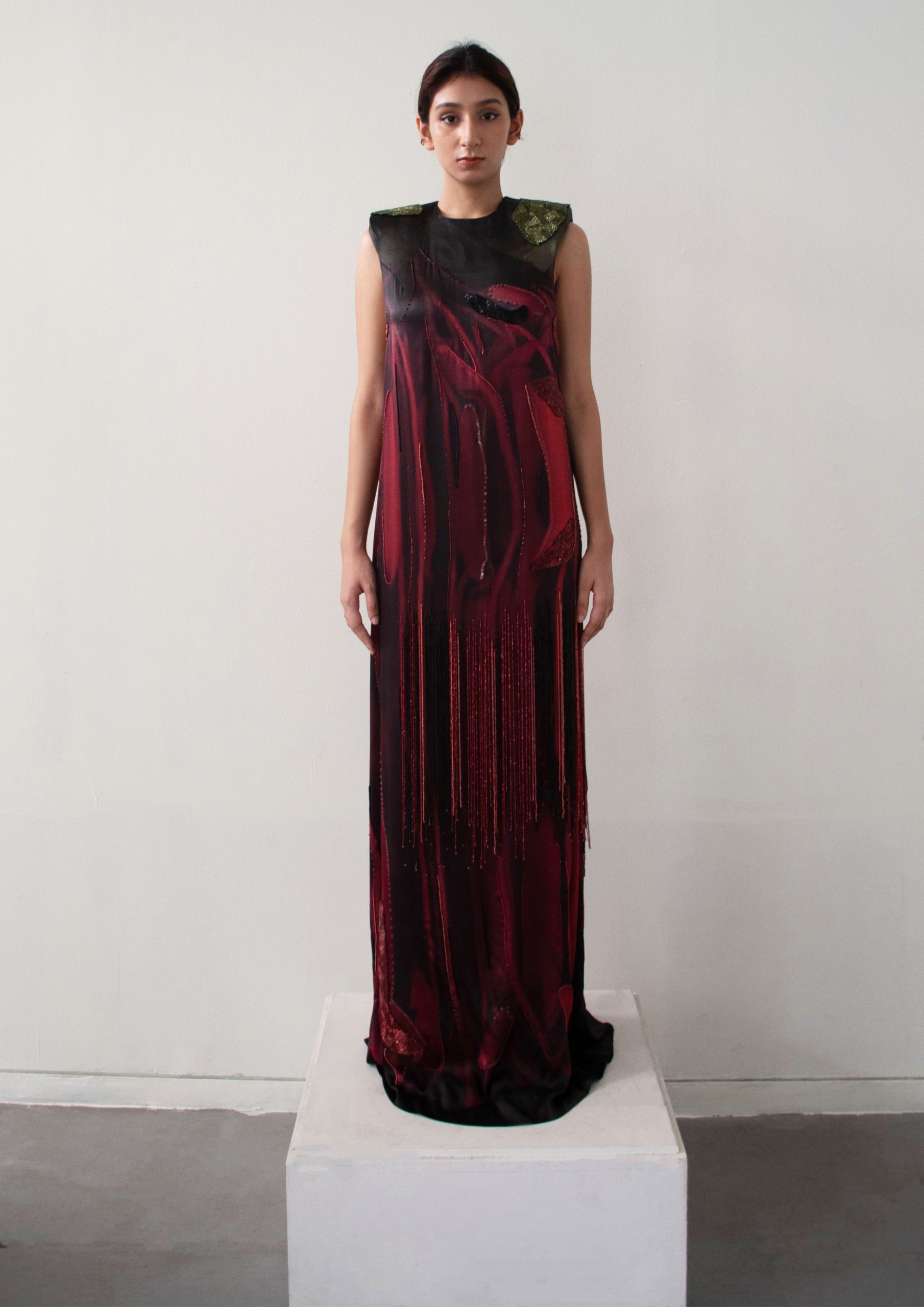
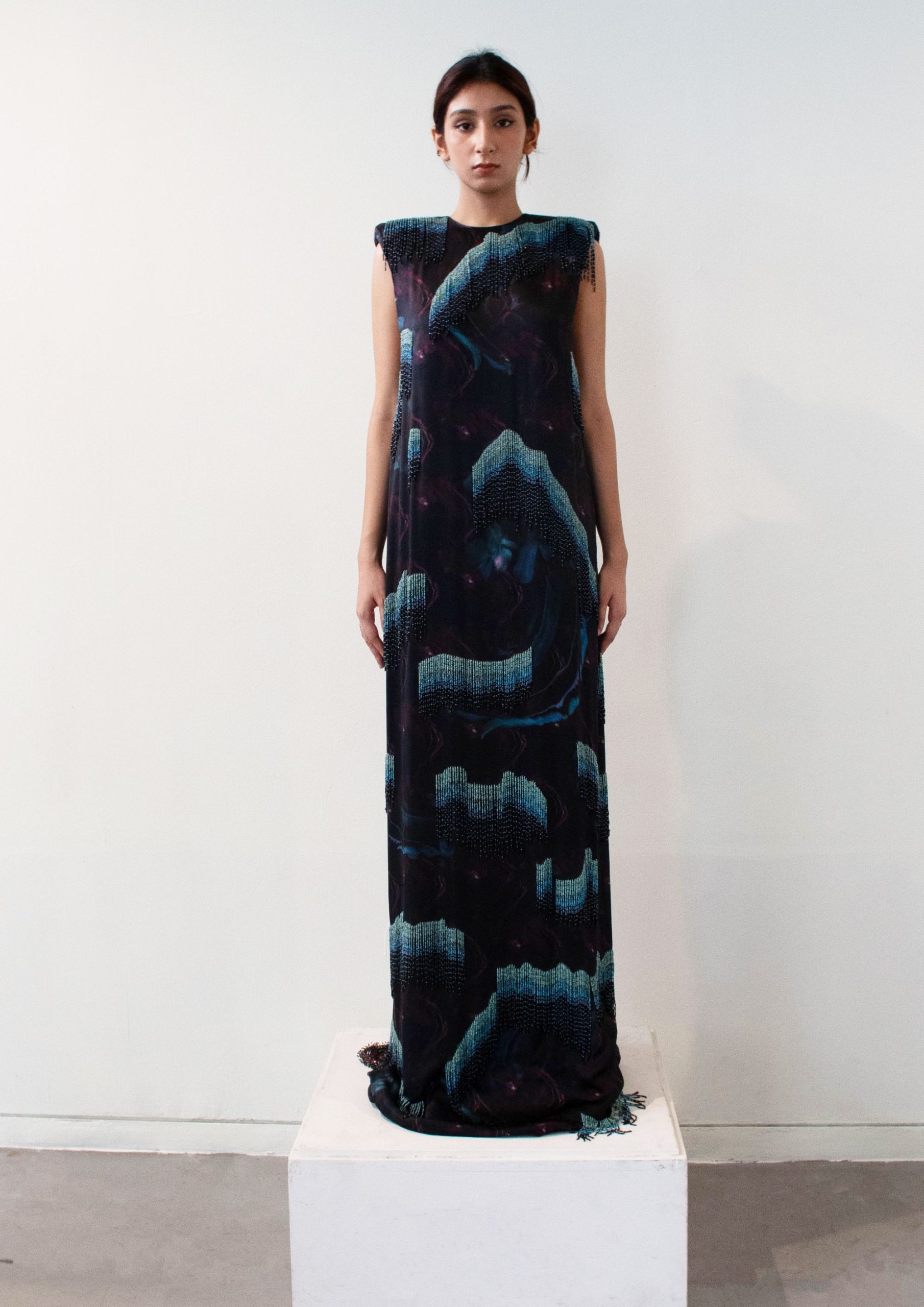
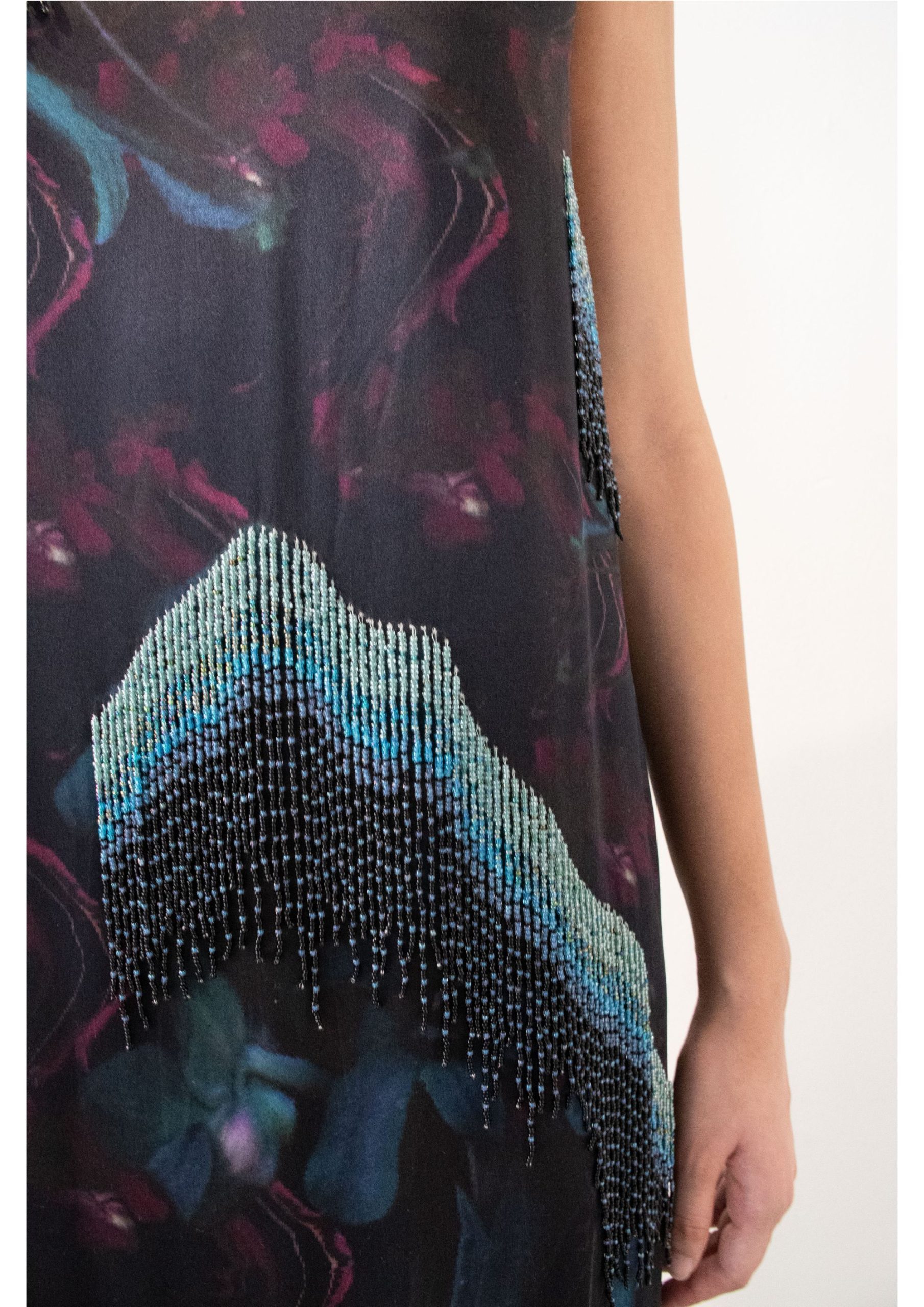
FRAMEBOUND centres on culturally sustainable collaboration with Indian artisans who bring digitally printed textiles into tactile layers with their embroidery expertise. The process focuses on enabling the continuity of traditional craftsmanship while supporting contemporary expression. Visually, the collection draws upon female expression in a conservative society, distorting and fragmenting traditionally feminine symbols such as florals to demonstrate the resilience and evolution of femininity.
Related article: Maximilian Raynor Has A Nack For Fantastical Storytelling
MISFOLD by Viola Veronika
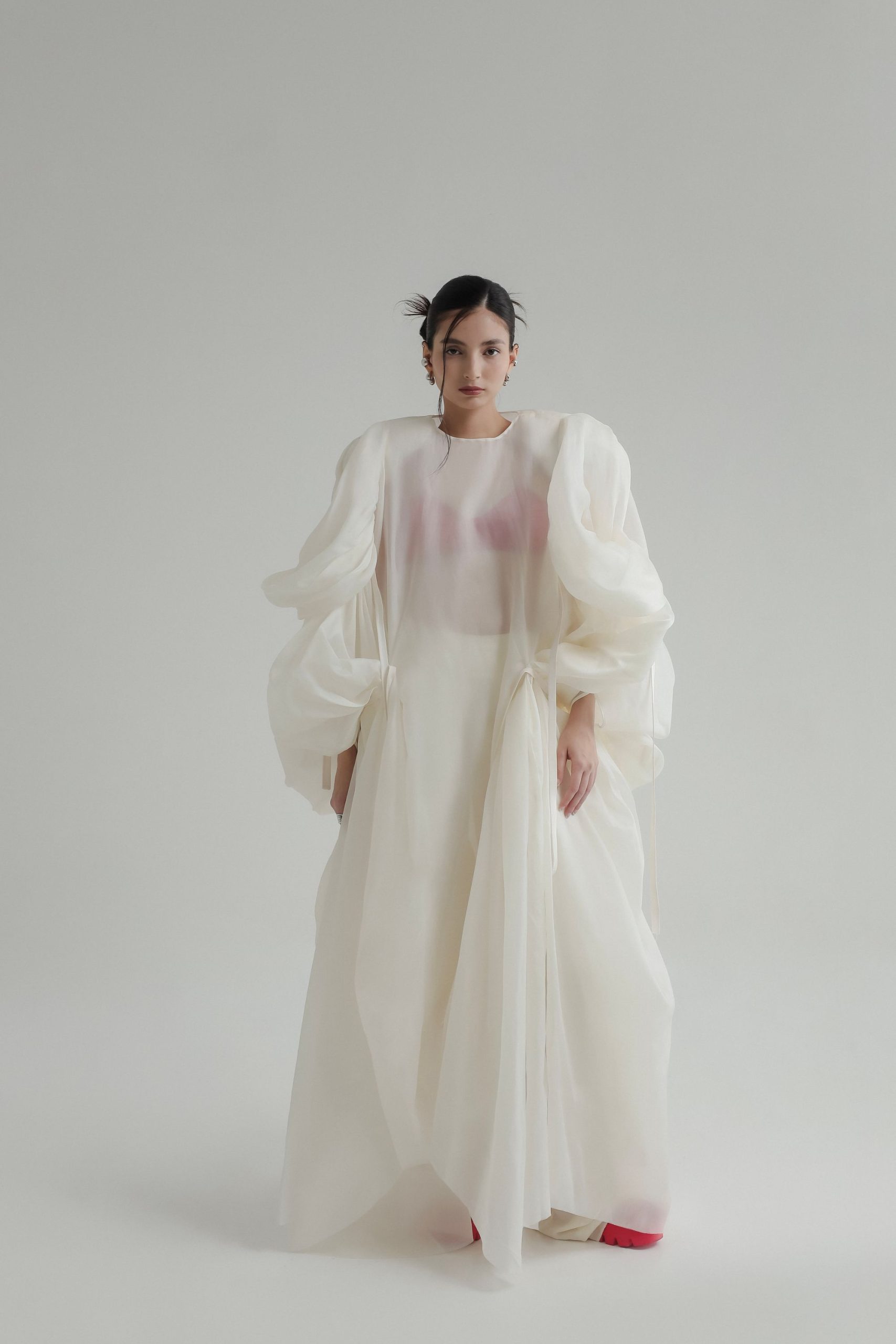
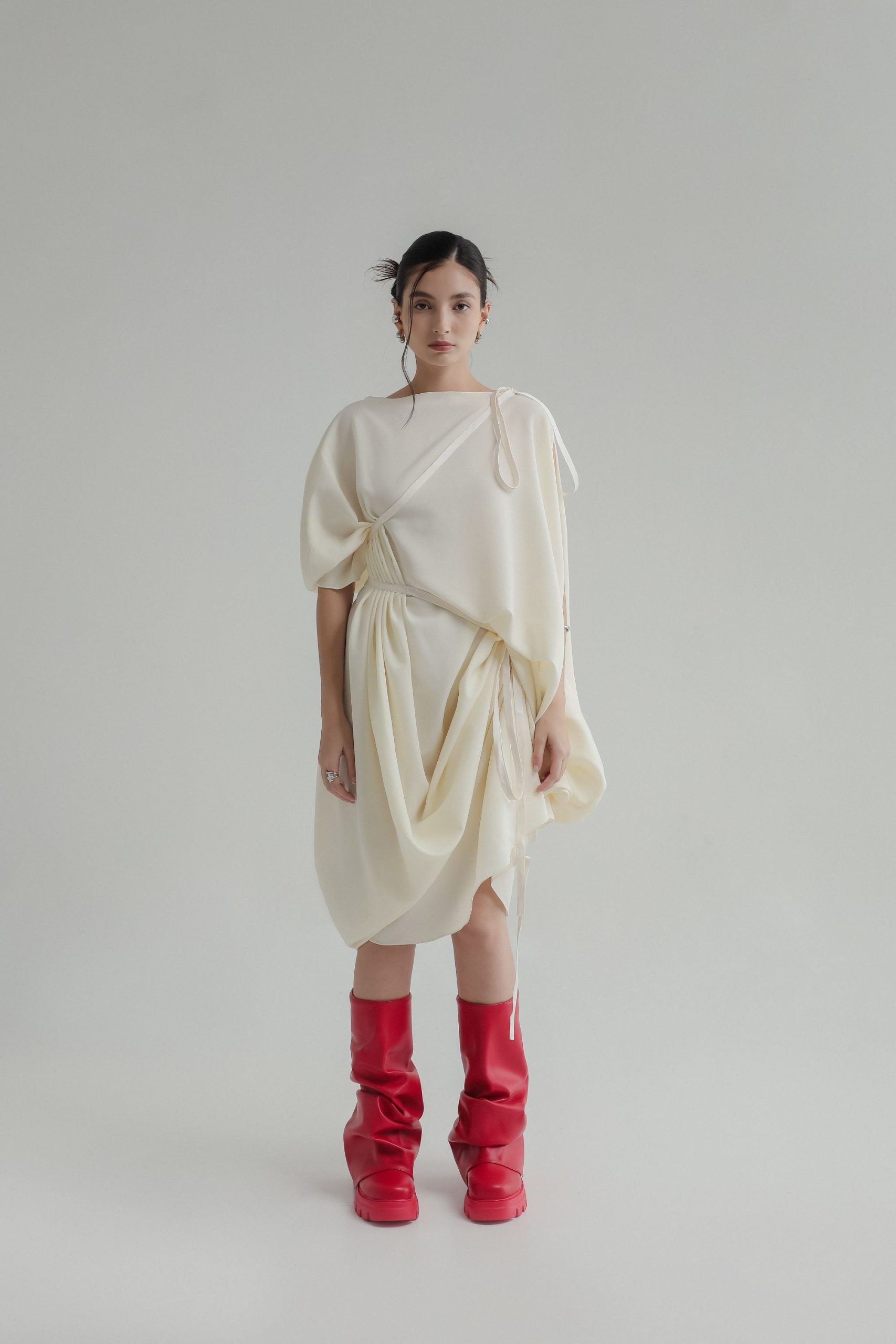
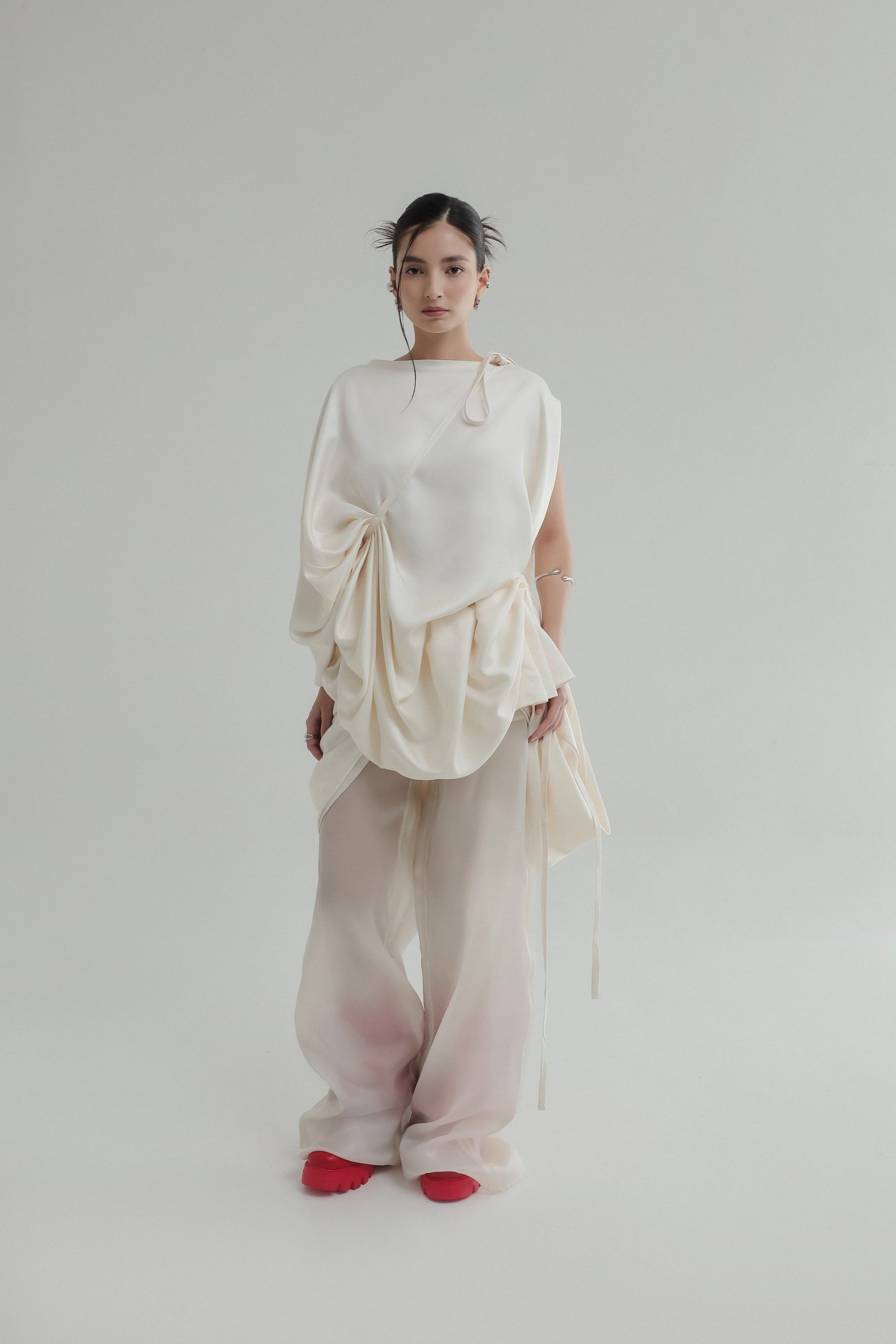
Veronika’s collection responds to the pressure for perfection and newness in the fashion industry by embracing imperfection and processes that minimise waste, pushing back against overproduction and disposability. Using the principle of displacement, the garments are shaped as evolving structures that shift with the wearer through less-waste draping and tension system, reframing their irregularity as a form of continuity, where the clothes and wearer shape one another over time.
Binar by Keila Zaneta Arifin
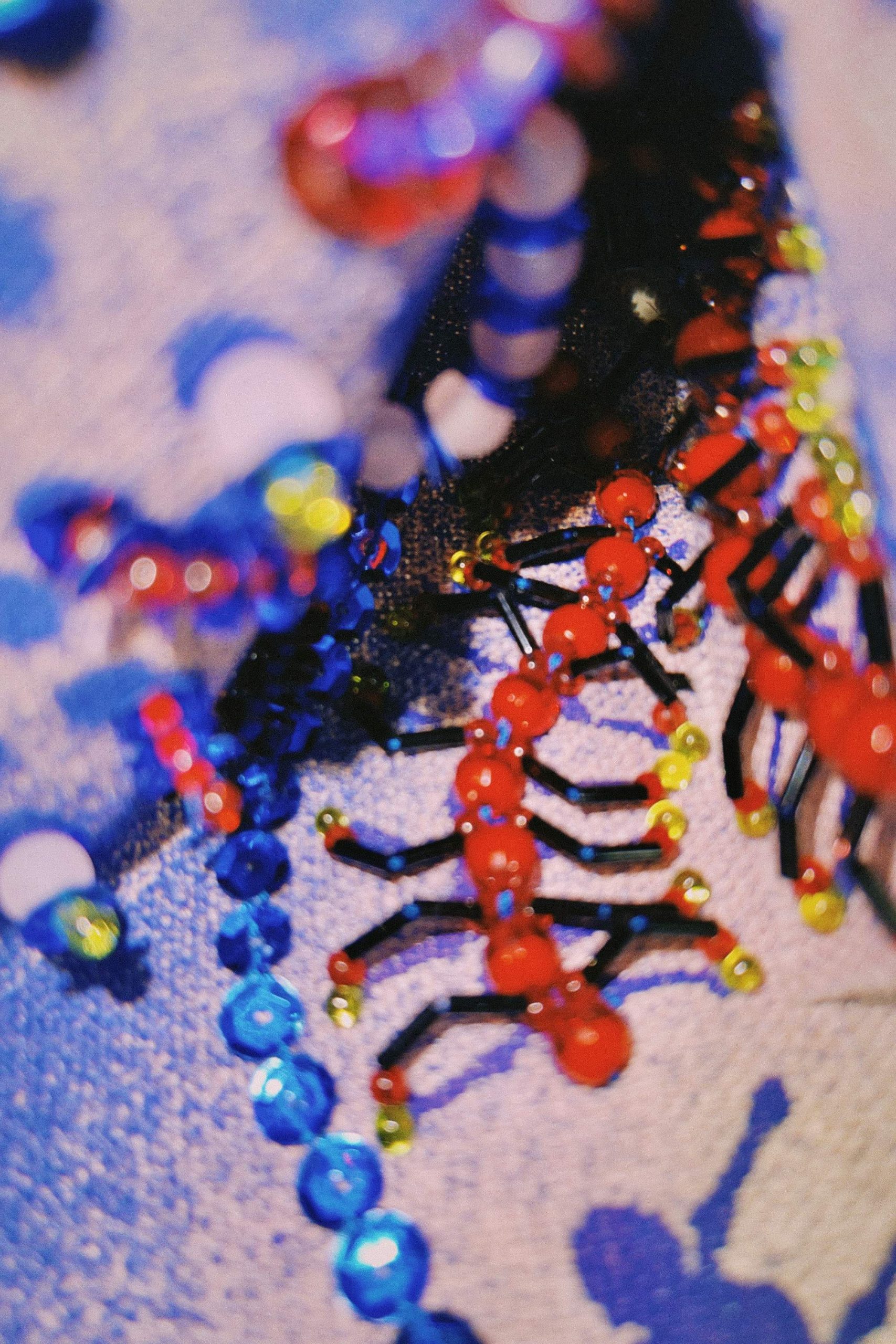
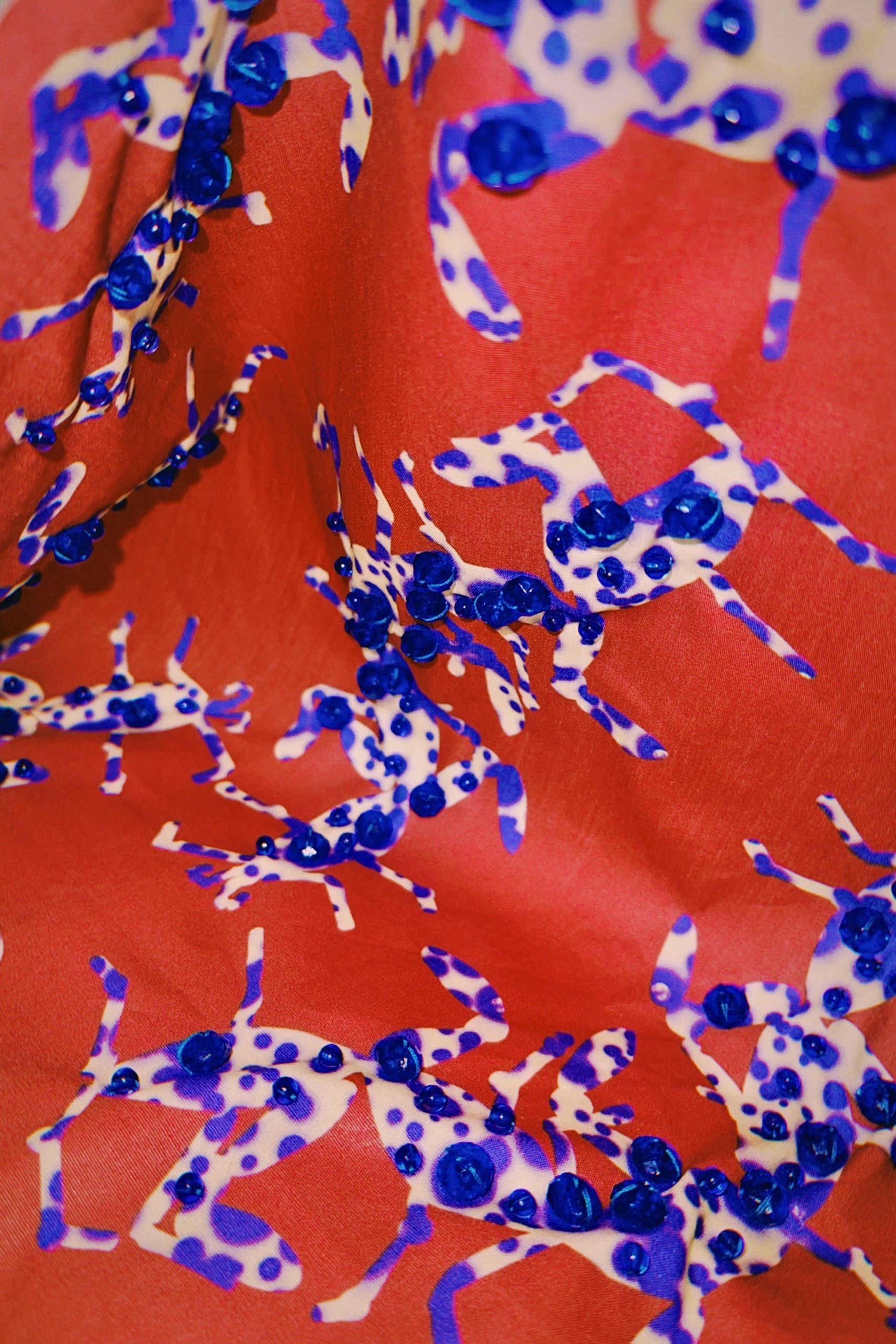
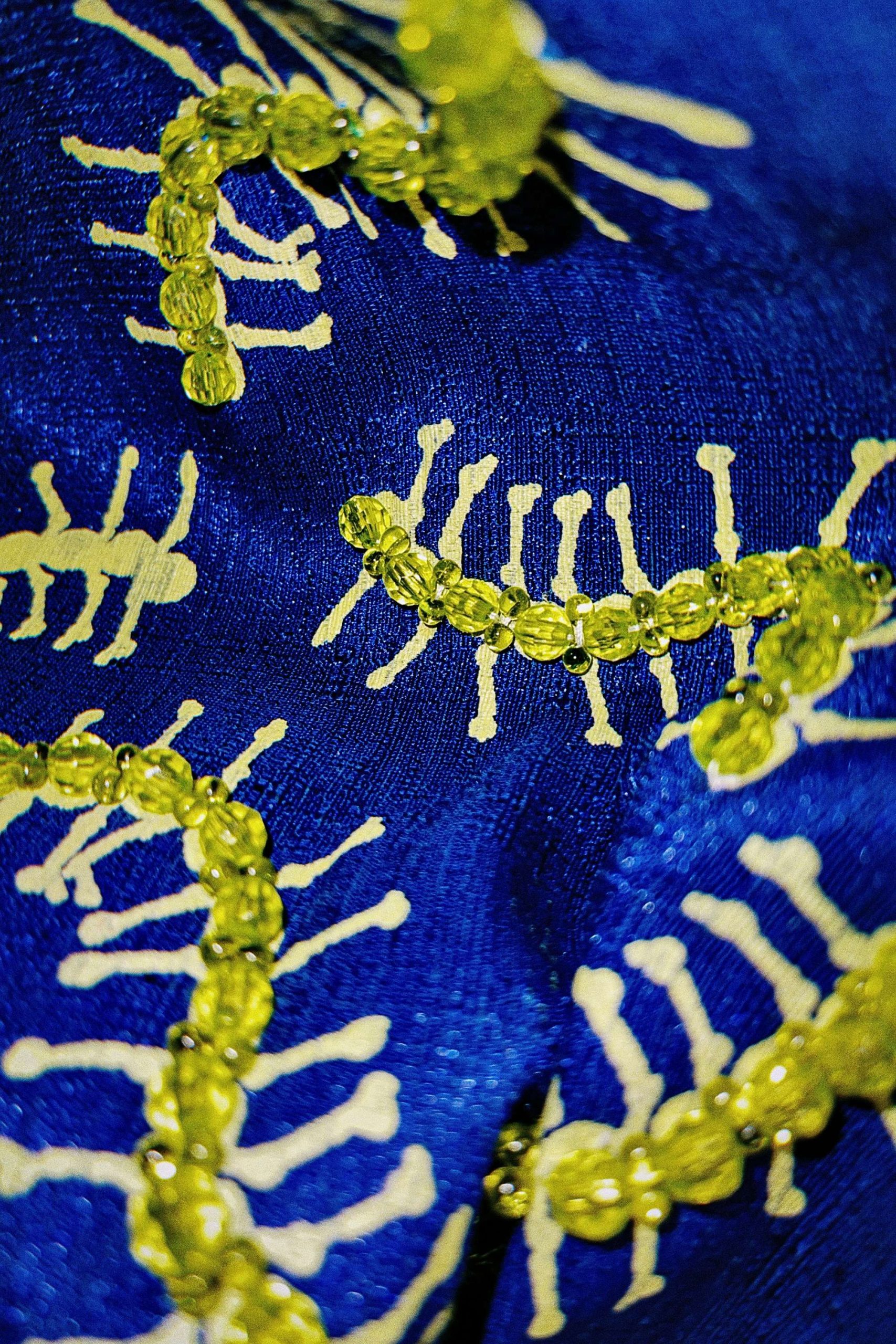
Inspired by Banjarese heritage, Binar examines how ethnic identities face dilution through migration, media and modernity. The collection’s design and textile direction draws from traditional Banjarese bridal attire, combining traditional hand beading and dyeing techniques with spray dye and silk-screen printing, allowing cultural continuity and modern design to go hand in hand.
REBIRTH by Quek Yu Tong
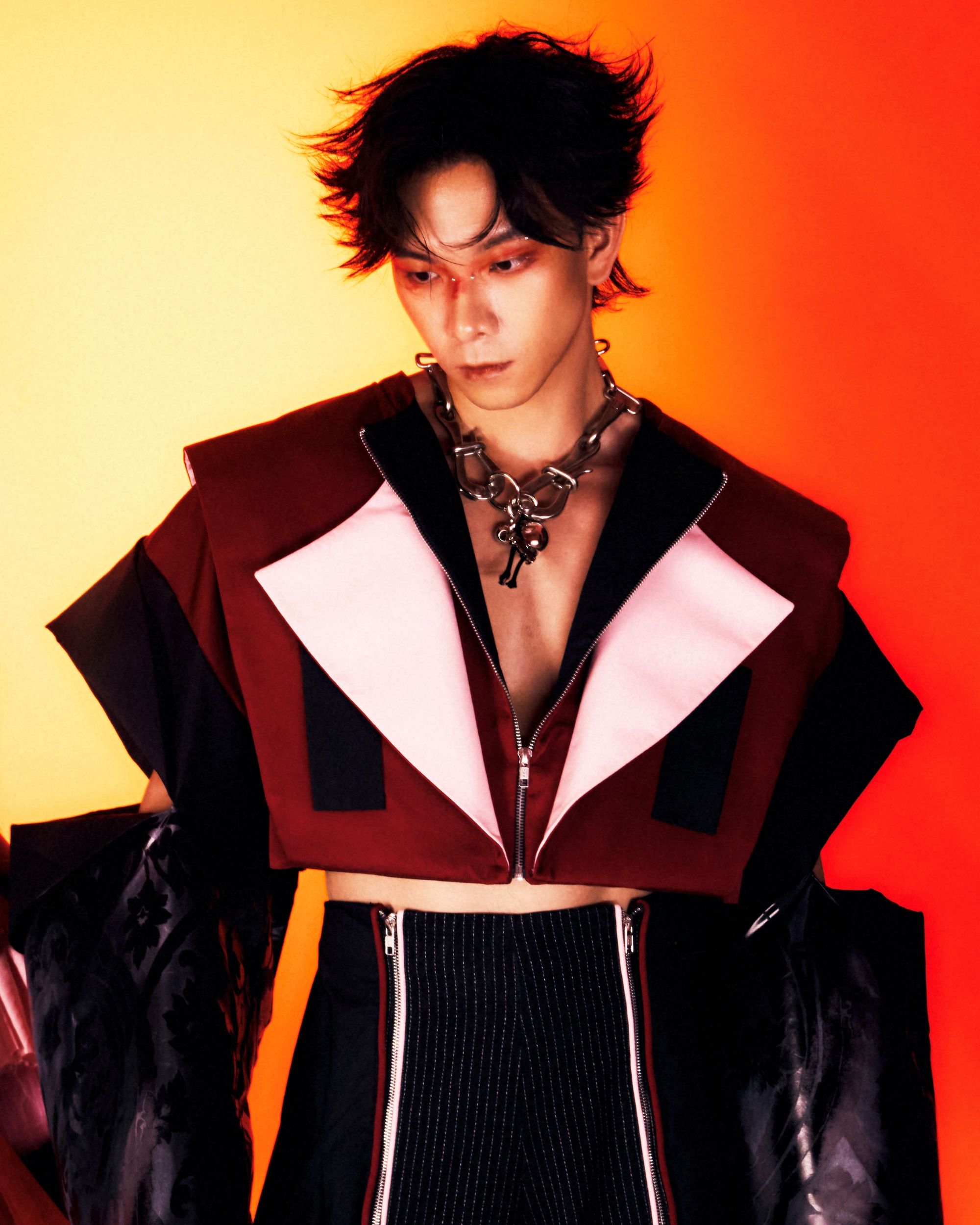
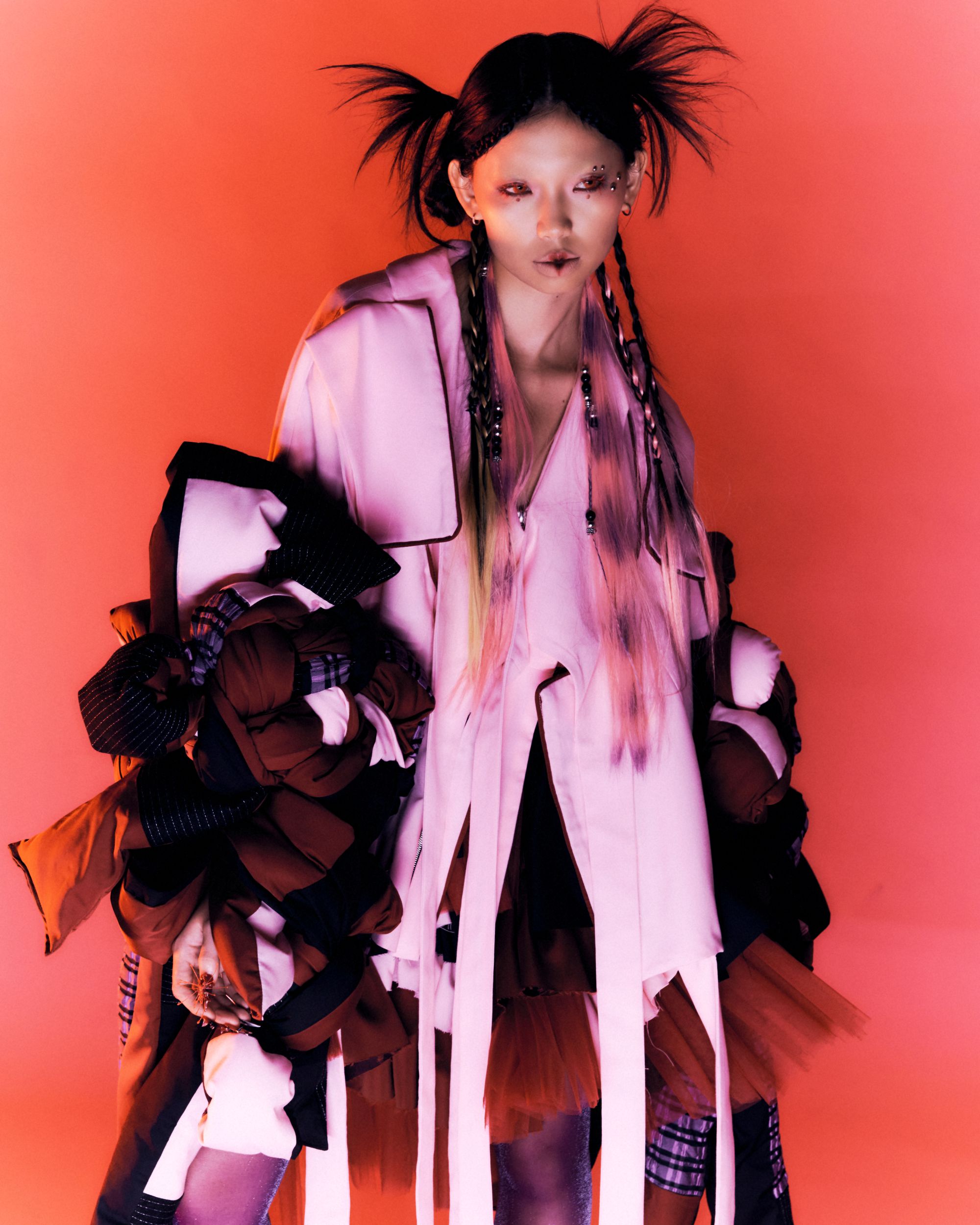
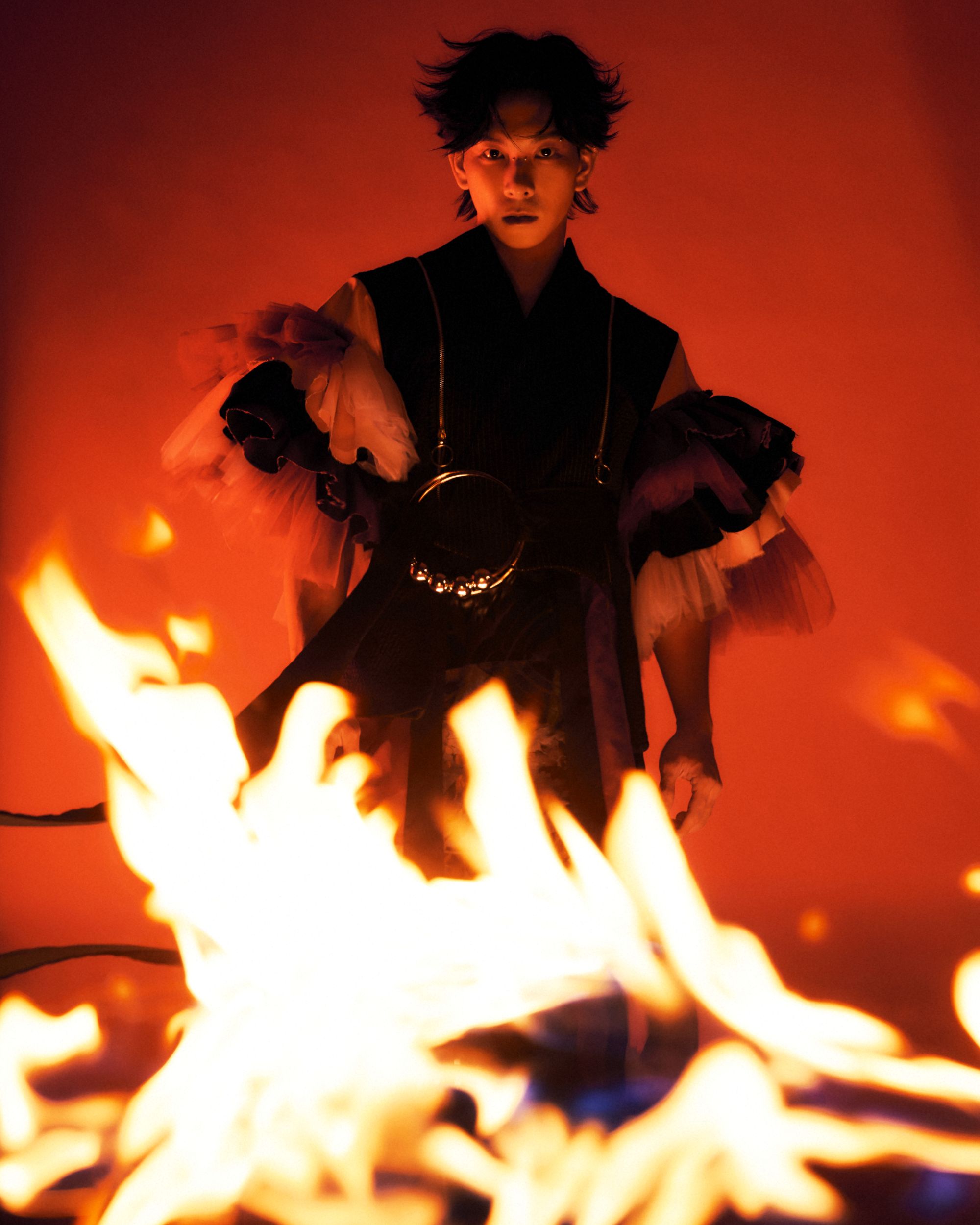
REBIRTH speculates on the future of cultural memory and identity in fashion a thousand years from now, reimagining the role of Chinese mythology in rebuilding cultural identity after centuries of erosion. Inspired by the myth of Ne Zha, this collection explores how self-determination can change the narratives of the future.
ORIGENES by Andrea Sanchez Guajardo
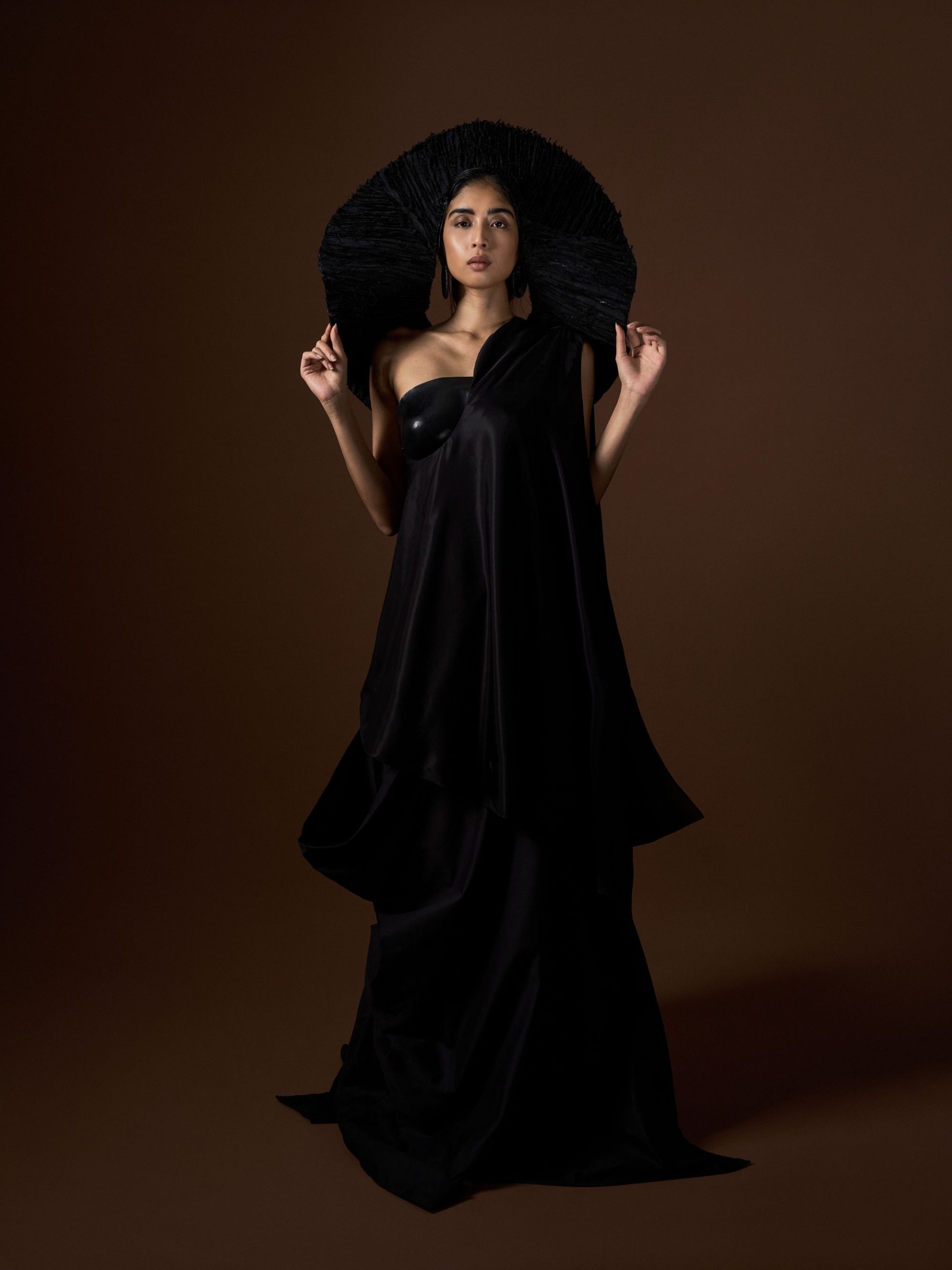
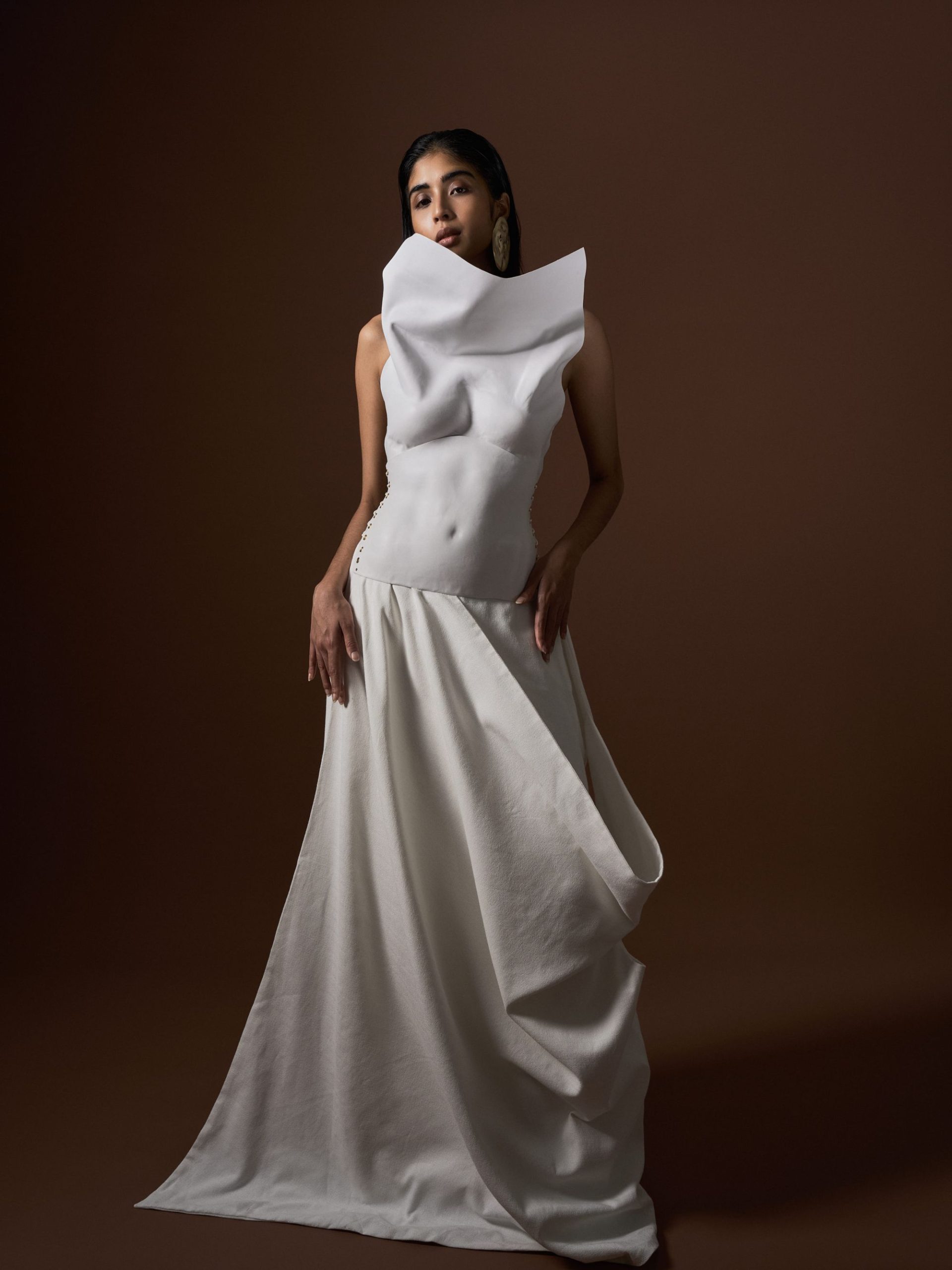
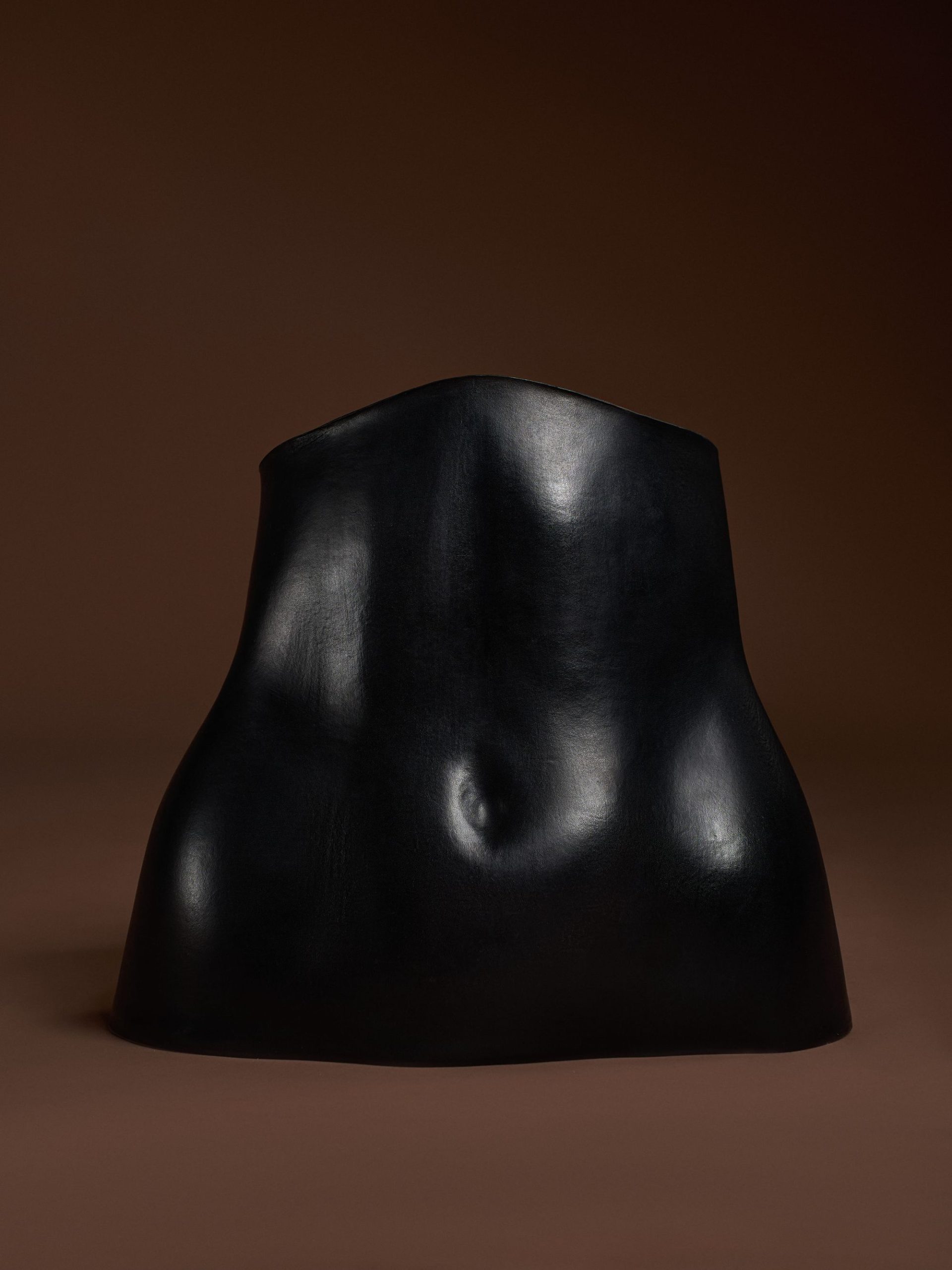
This collection uses leather body moulding and negative space to explore the female body as subject and medium, disrupting the boundary between body and garment. Through a focus on construction and materiality, it reimagines the female form as a wearable structure, challenging objectification and reclaiming control over how the body is perceived.
All photos: Courtesy of LASALLE College Of The Arts.