
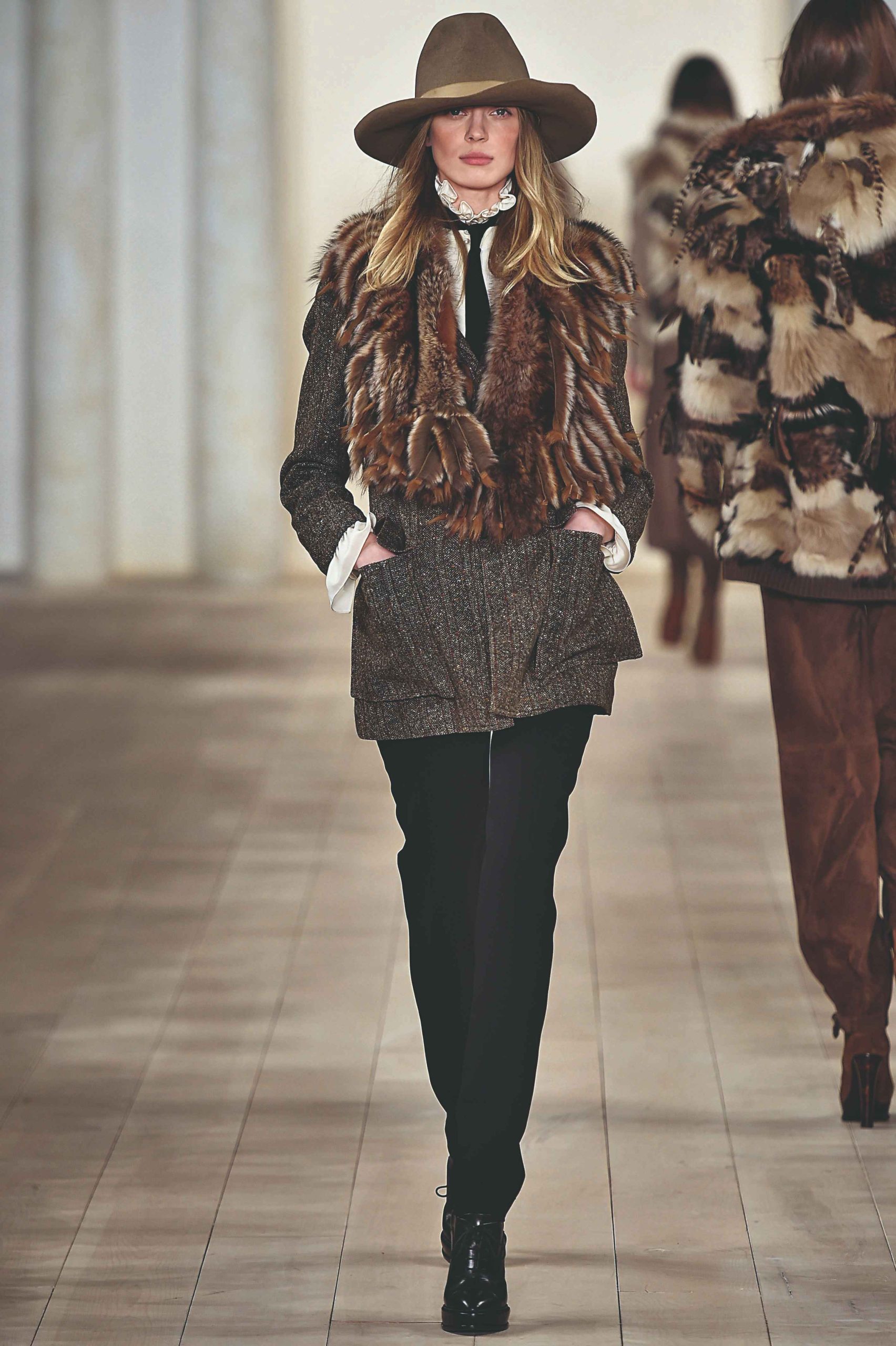
Ralph Lauren joins Thames & Hudson’s prestigious Catwalk series as the first American House to be featured. Spanning nearly six decades, the Ralph Lauren Catwalk, written by American journalist Bridget Foley, traces the designer’s journey from his 1972 womenswear debut to the brand’s position today as a global lifestyle empire defined by its authority on Americana, timeless design, and impeccable quality.
Related article: Selena Gomez Marries Benny Blanco In Princess-Worthy Ralph Lauren Gown
1972 to 1989: The Foundation
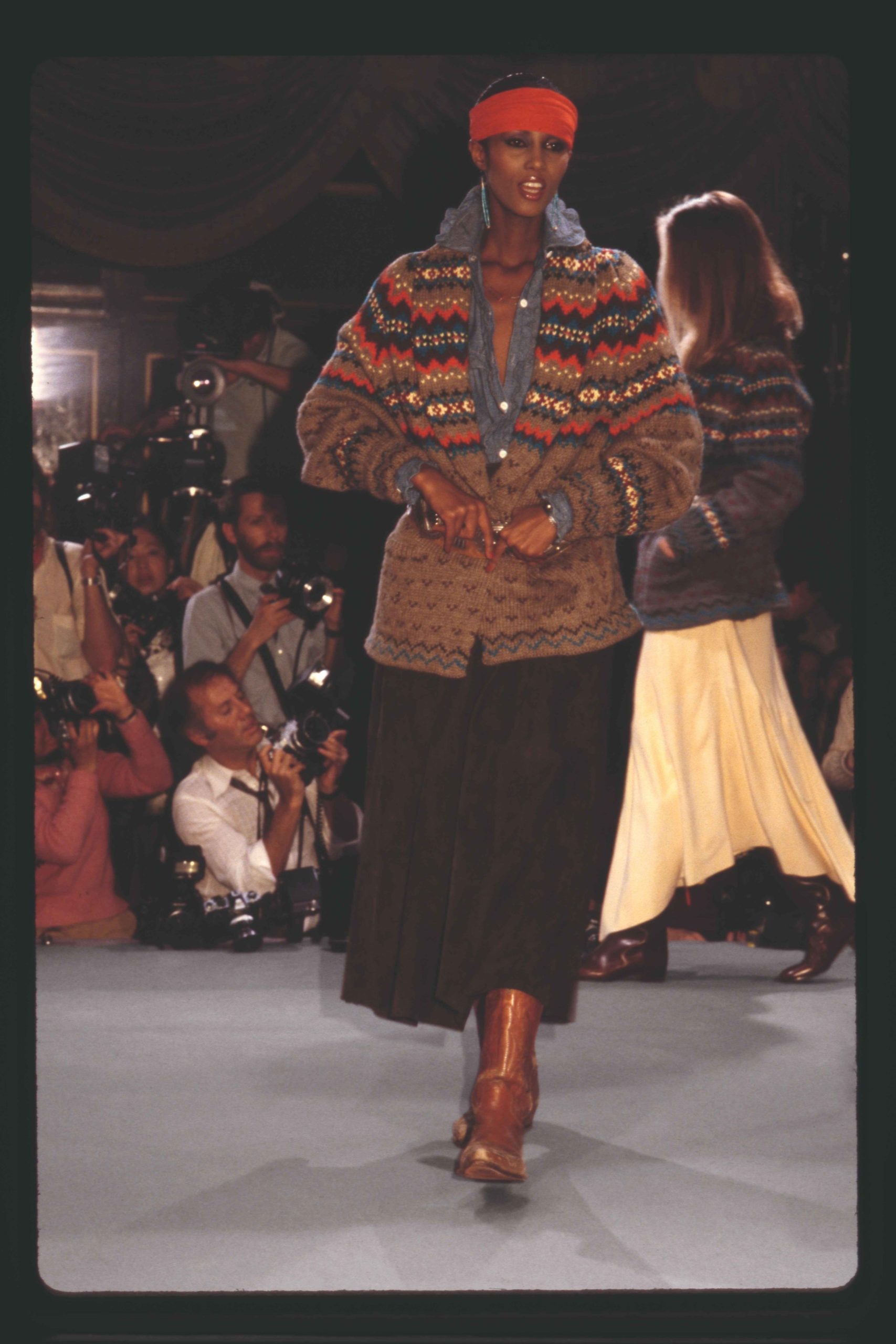
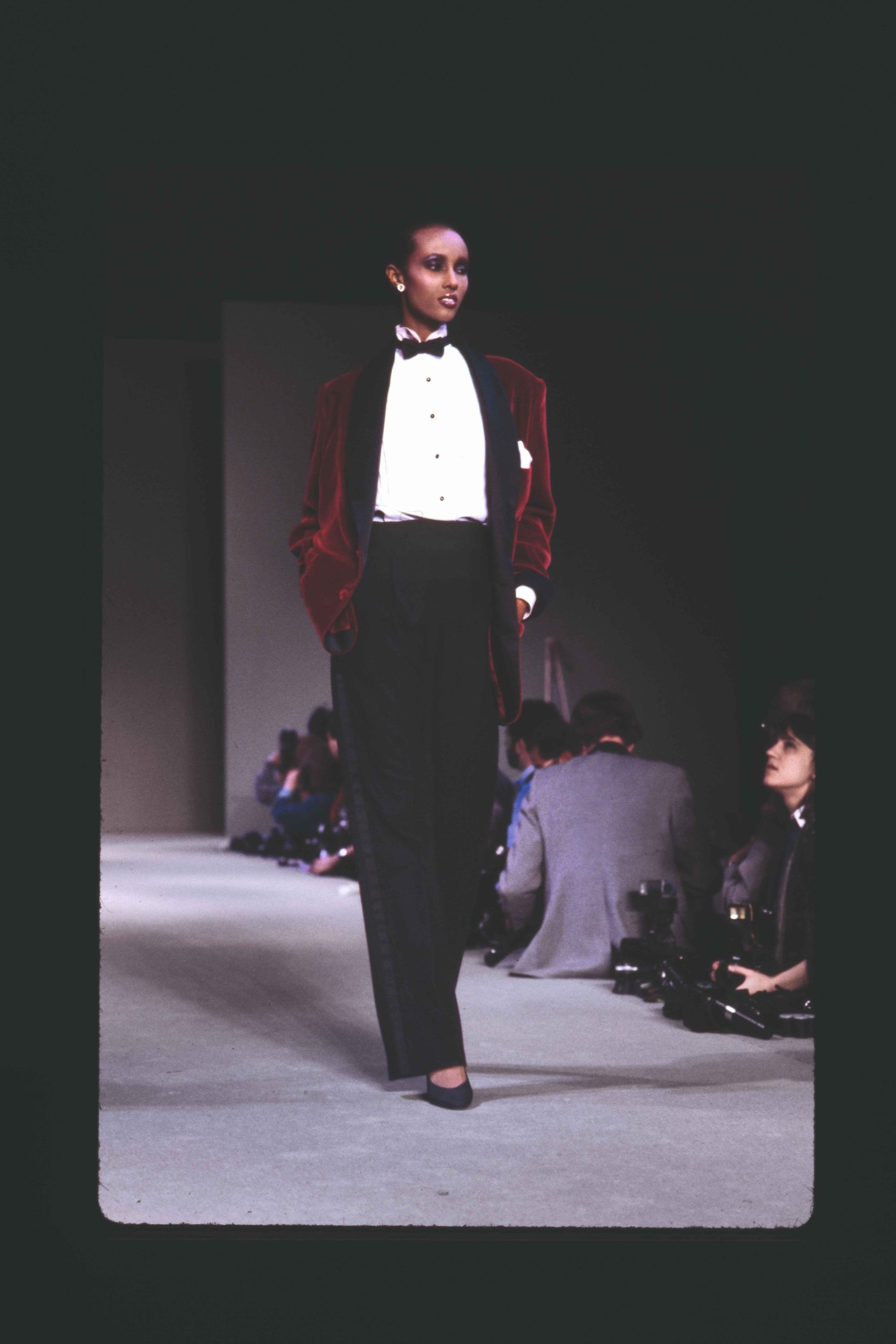
Ralph Lauren’s debut collection translated his menswear language—classic tailoring and tweeds, smart shirting, and jackets—into clothing for women, inspired partly by his wife, Ricky Lauren. His codes of British aristocracy and genteel collegiate prep were clear from the start, with Western codes emerging very soon after. By the 1980s, that vision expanded into fragrance and home. He also opened the doors to the Rhinelander Mansion—his first major New York flagship—a fully immersive retail space (ahead of its time) designed like a lived-in home. International expansion followed soon after as he opened stores in Paris and London. Despite the decade’s theme of excess, Lauren remained rooted in timelessness over trends.
1990 to 2009: The Expansion
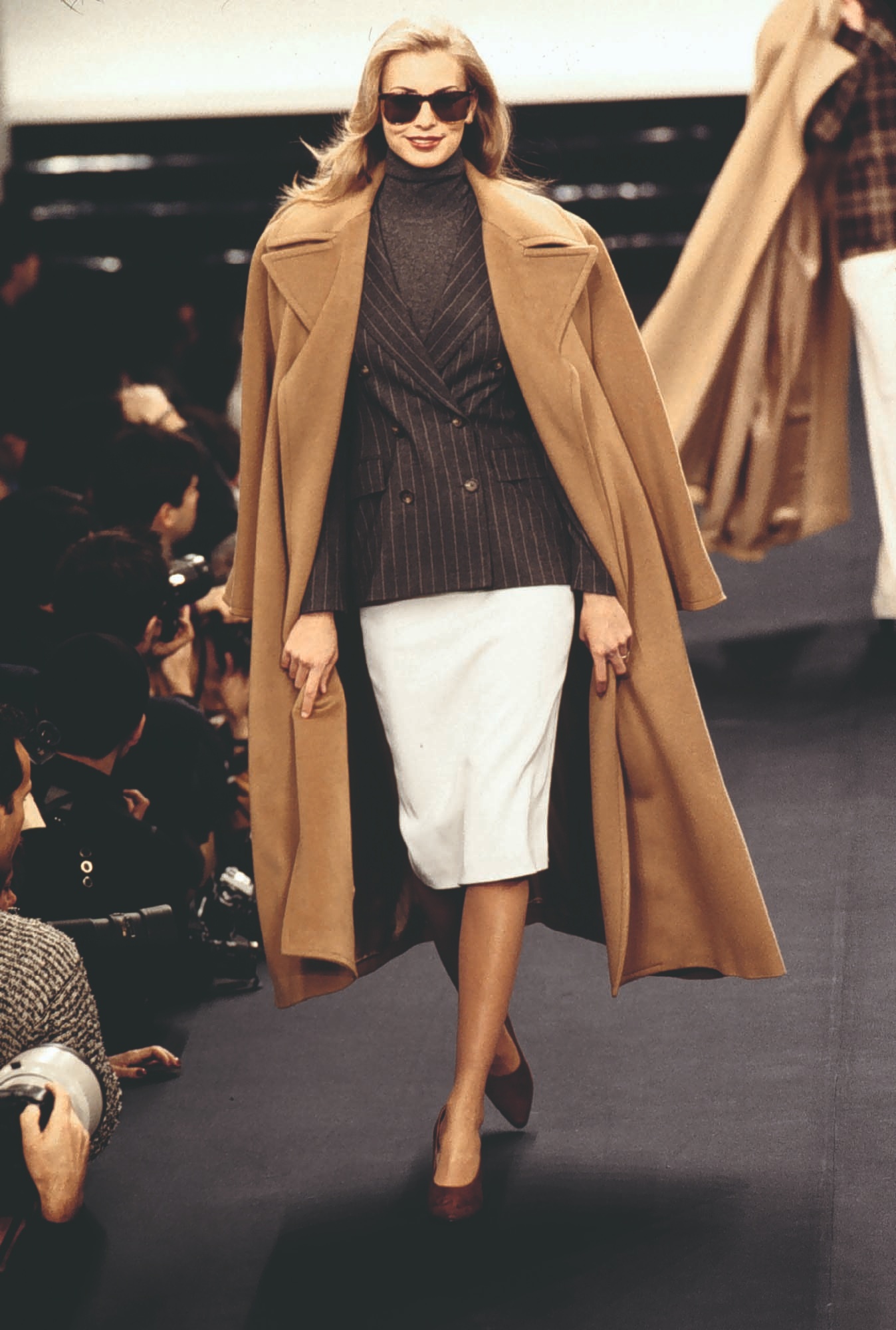
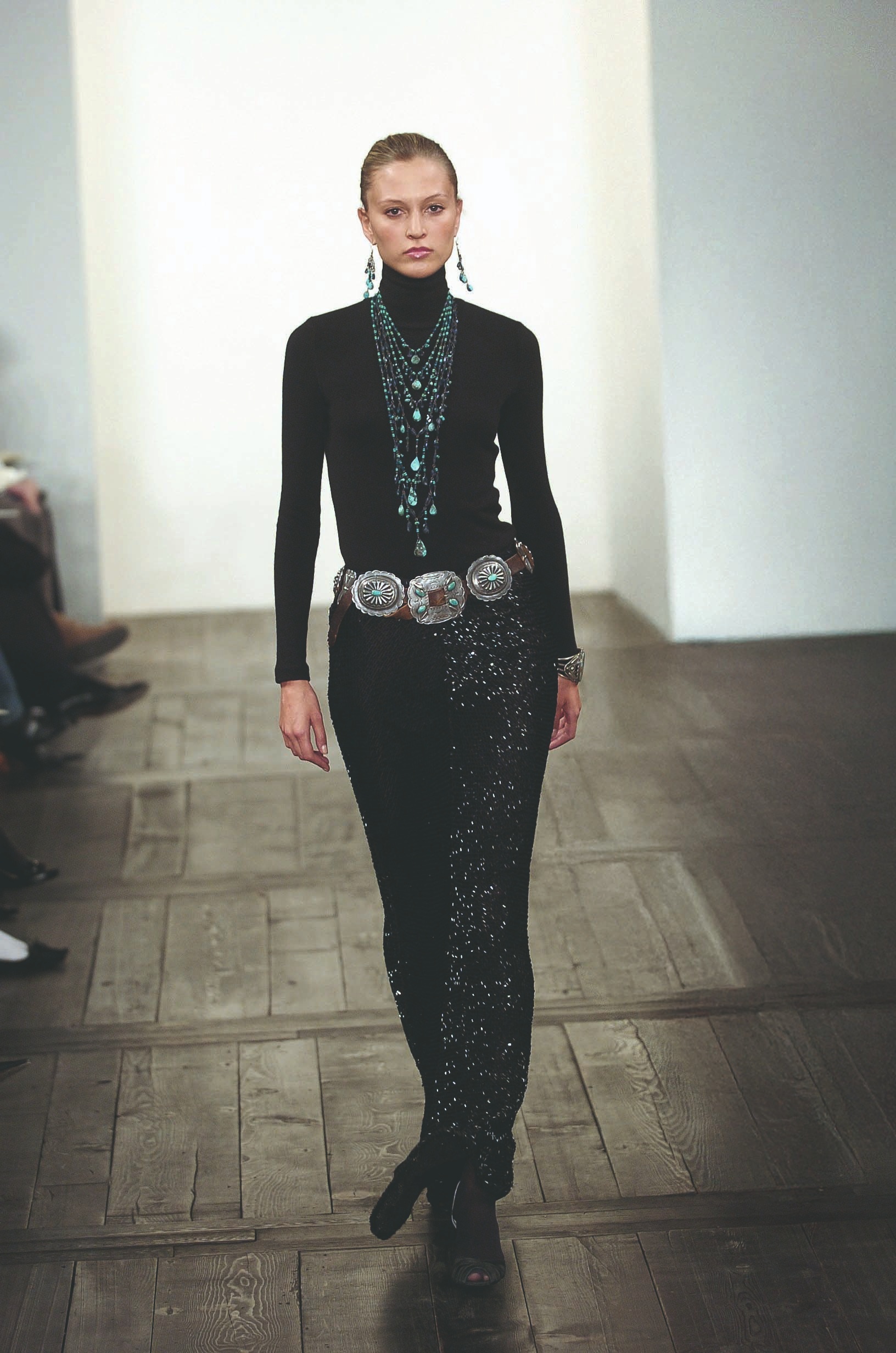
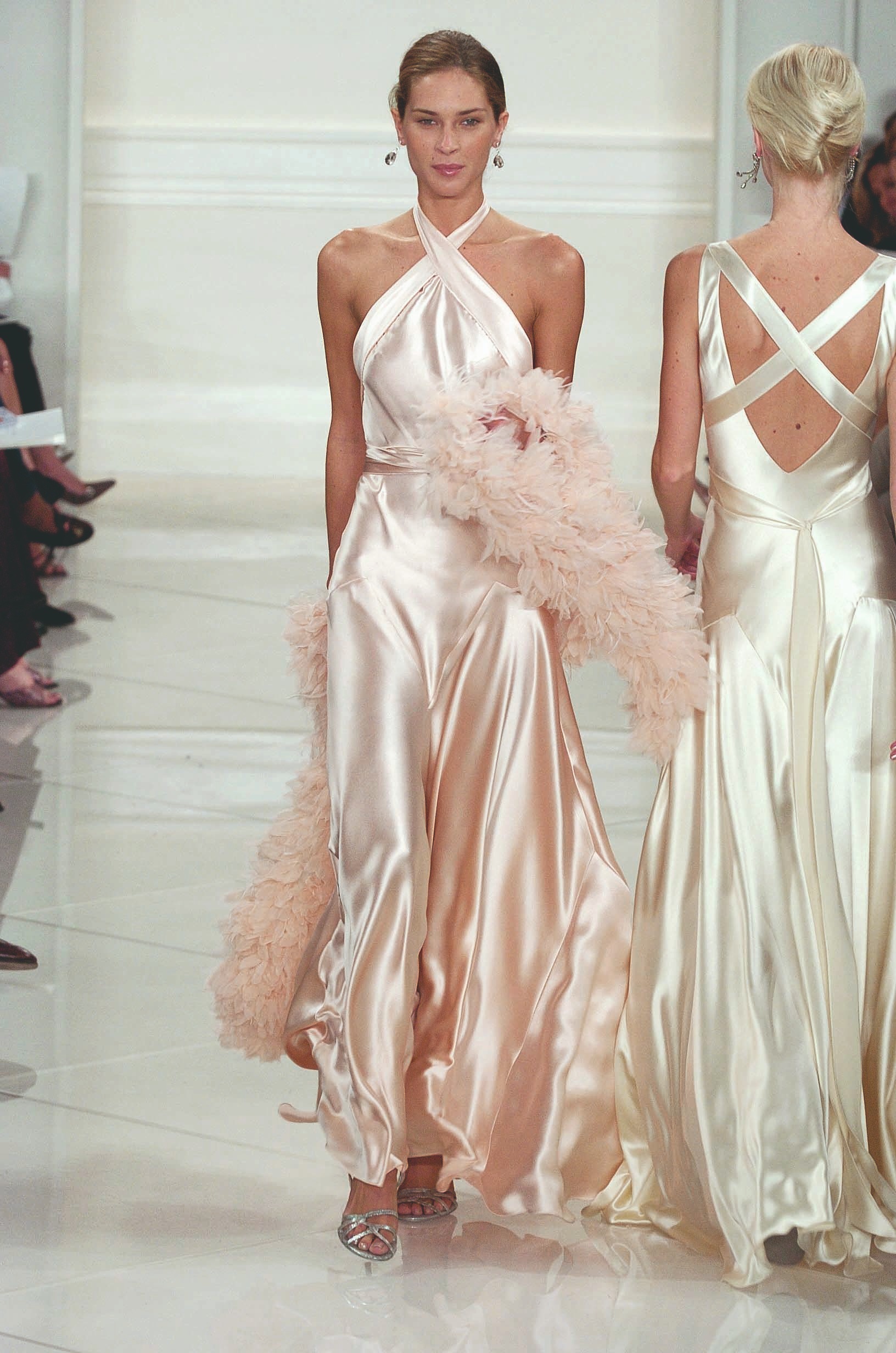
Growth accelerated as Ralph Lauren evolved into a multi-tiered brand. He introduced sports lines such as Ralph Lauren Golf and Polo Sport, while the Purple Label line elevated the brand’s menswear to a luxury tier. More accessible ranges like Lauren Ralph Lauren and Ralph by Ralph Lauren broadened the brand’s reach to America’s and the world’s mass markets. The brand also entered the lucrative hospitality industry with the RL Restaurant in Chicago, before expanding to The Polo Bar and Ralph’s Coffee. In 1997, the company went public, marking a major milestone for the House.
Related article: Ralph Lauren Puts A Polished Spin On Poolside Attire
2010 to 2026: The Legacy
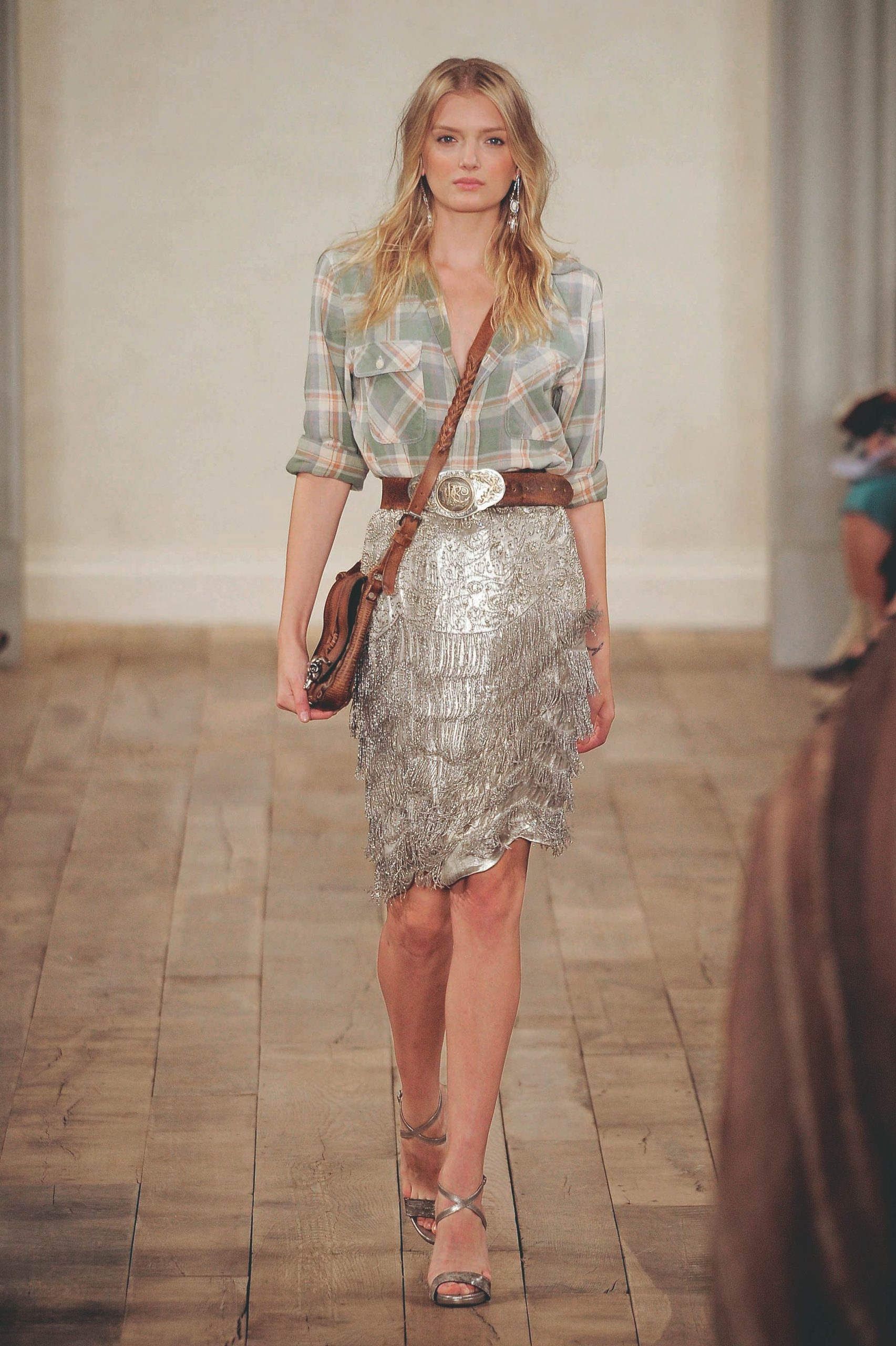
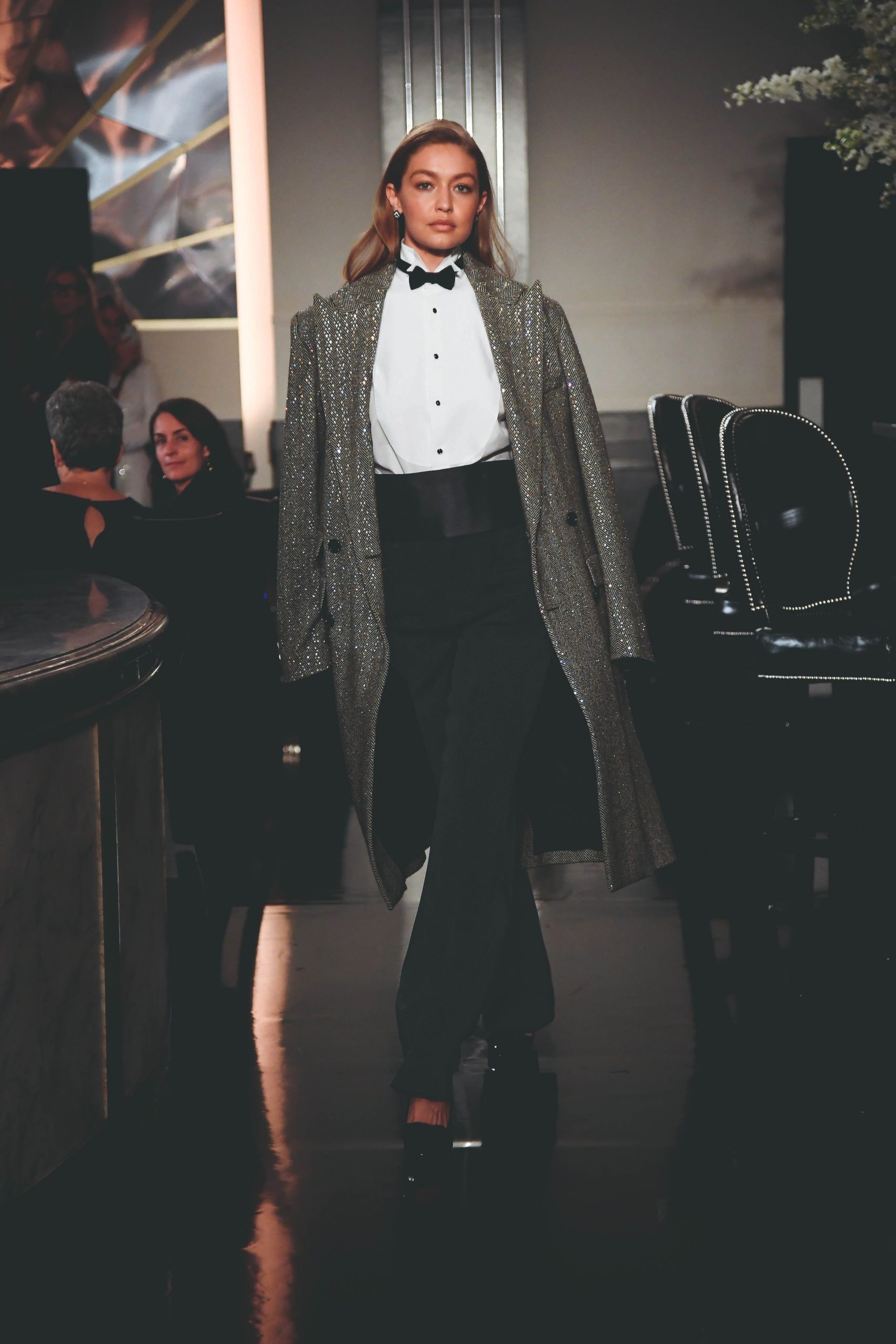
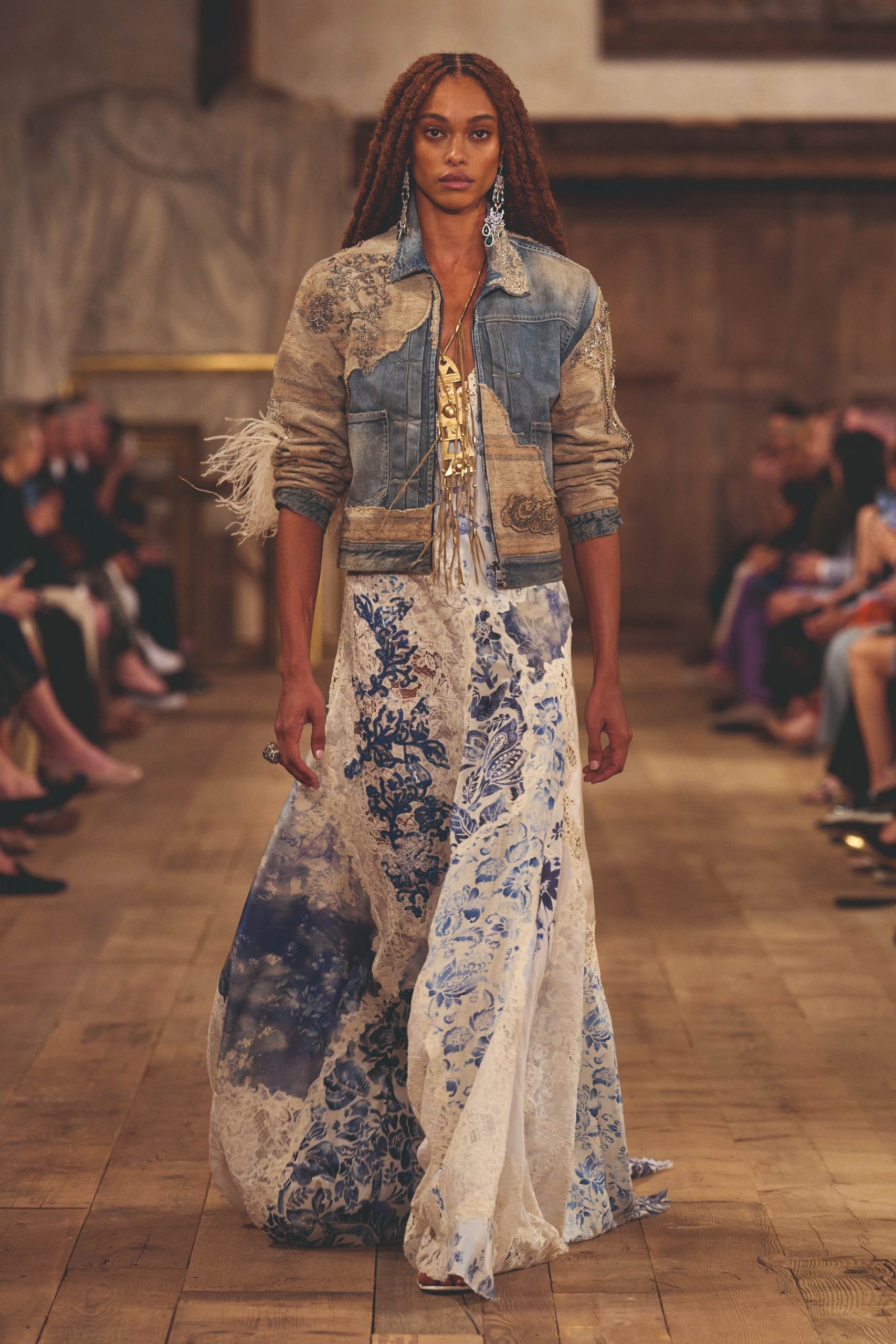
By the 2010s, Ralph Lauren’s work had become a global visual language and it became all about celebrating his legacy. Shows evolved into large-scale cultural moments, from the Lincoln Center runway with a live conversation with Oprah in 2011 to the 50th anniversary celebration in Central Park in 2018. He also experimented with format, adopting the then-new see-now-buy-now model for the fall/winter 2016 show. In recent years, the focus has shifted toward refinement as the brand revisits and distills long-standing codes with renewed clarity.