
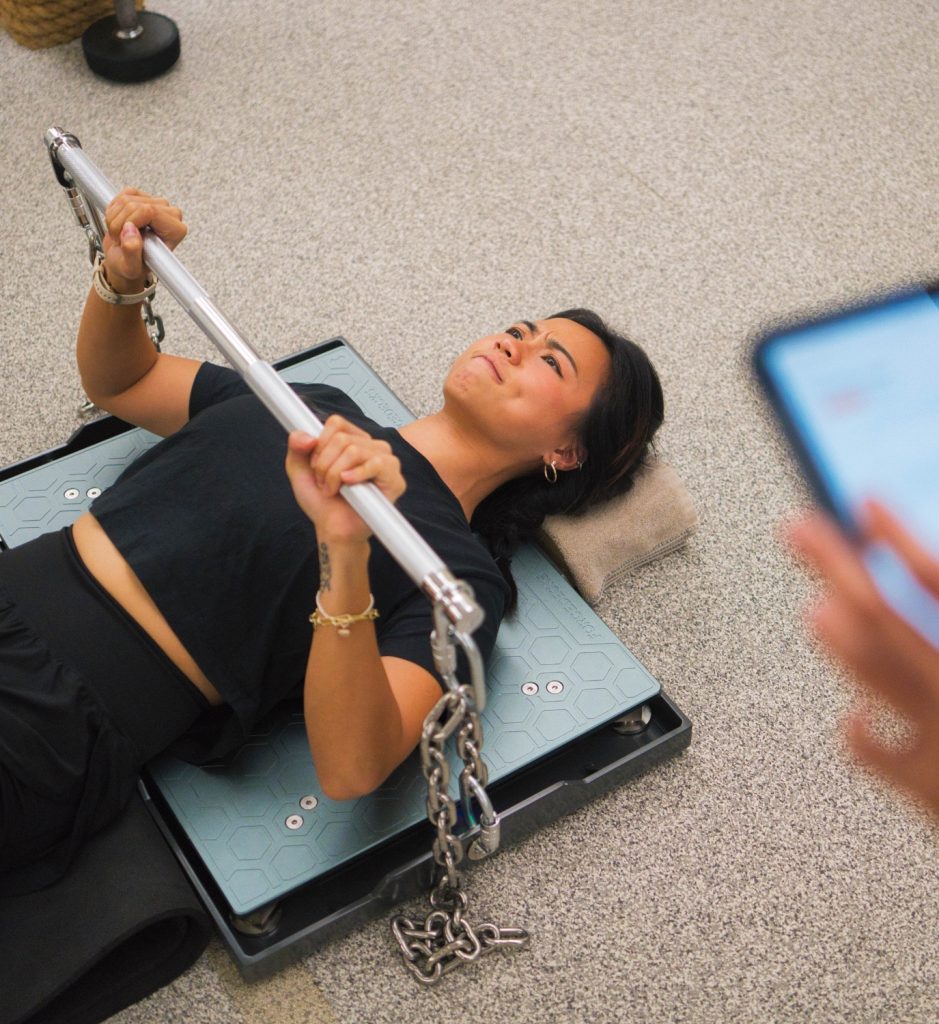
For years, I thought I was doing everything right. I worked out regularly (sometimes five times a week), reduced calories, pushed through high-intensity classes, and left each session drenched in sweat. If progress stalled, the answer seemed obvious: Try harder.
Perhaps the problem wasn’t so much about how much I was doing, but what I was doing. To challenge this theory, I tried two fit-check assessments at UFIT, Singapore’s largest integrated health and fitness provider combining gym training with clinical services. It also offers podiatry services, physiotherapy, and nutritional advice.
Related article: Kickstart Your Fitness & Wellness Journey With These 12 Hotspots
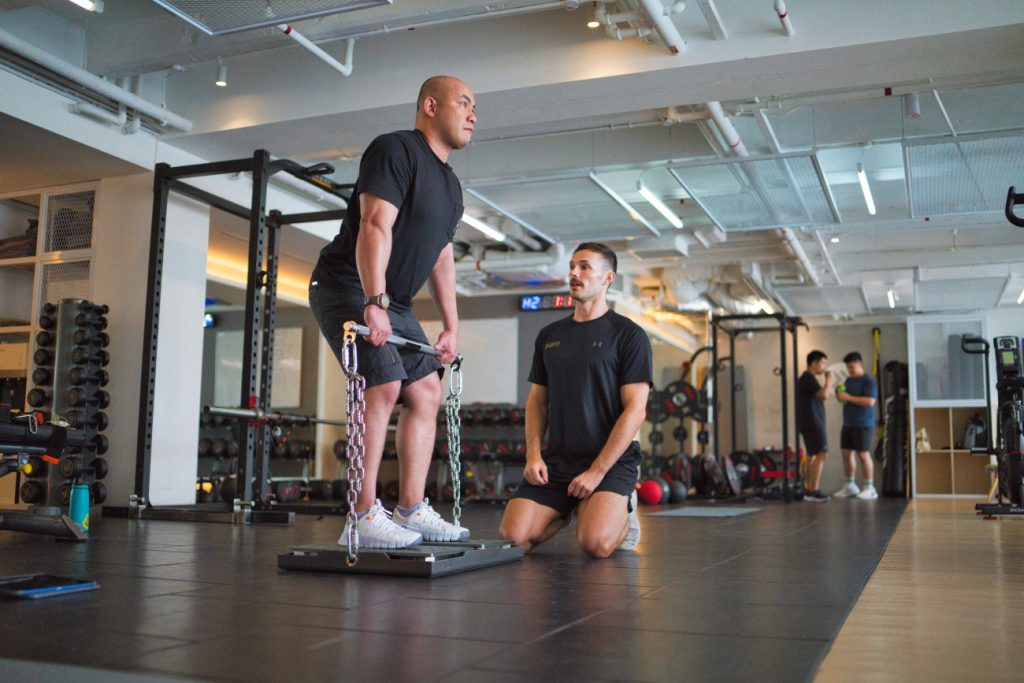
The first was a Physical Performance Screening: A series of eight controlled movements—jumping, squatting, pushing, and pulling—performed on force plates and measured with dynamometers to assess strength, balance, and how evenly my body produces force. The results were unexpectedly revealing: I was most assuredly strong, but my body was not moving evenly. One side was compensating for the other, likely a leftover from a past running injury (and also because I was a left dragon boater for eight years).
Related article: From Recovery Rooms To Champagne Nights, Here's Why You Should Visit A Holistic Fitness Studio
Related article: Why Hot–Cold Therapy Is Everywhere Right Now
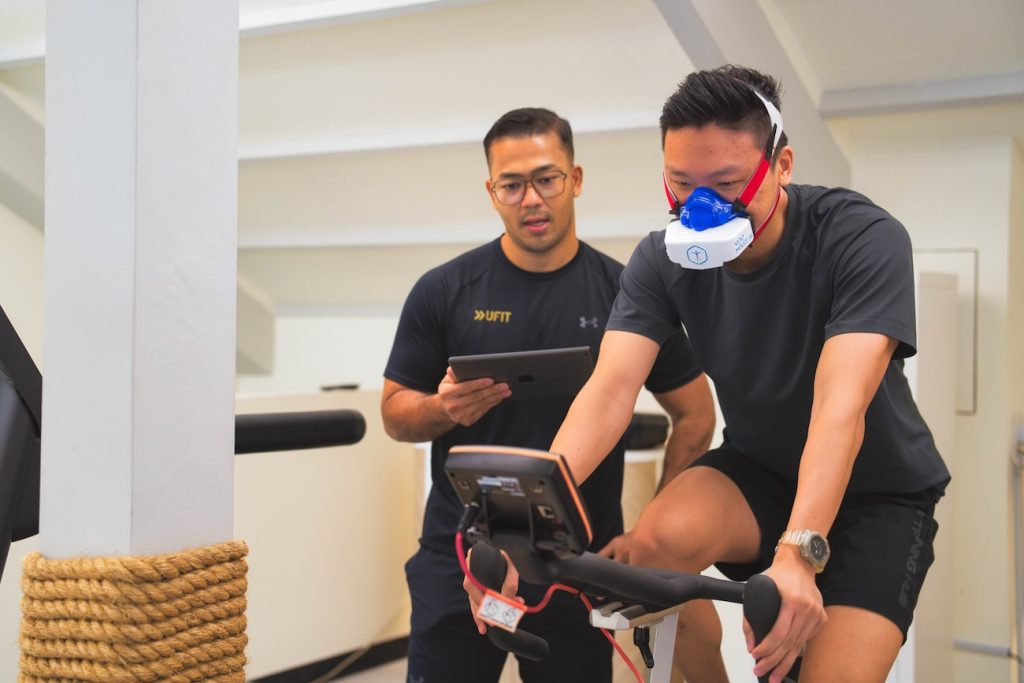
The next was the Metabolic and Cardiorespiratory Assessment. Wearing a mask that measures oxygen intake, I sat still to assess how many calories my body burns at rest, before moving on to a treadmill test that gradually increased in intensity to determine my VO₂ max and heart-rate zones. (I remember at a certain point, I felt my lungs in my throat from being completely out of breath). Here, I discovered that I had been training at the wrong intensity: My heart rate was sitting in a cardio zone rather than a fat-burning range, which explained the weight loss standstill.
Both assessments take about 45 minutes each and use measurable data to map how the body performs under stress and at rest. The takeaway was simple: Effort was not the issue. The problem was a lack of basic diagnostic insight. Here, Khai Jamilson, a personal trainer at UFIT Singapore, explains why, other than checking on your fitness, it’s important to do personal health assessments to future-proof your well-being.
You work with people who exercise regularly. Why do so many still hit a plateau despite being consistent?
Most people are consistent but not progressive. They train hard and sweat but they’re not getting the correct amount of stimulus to avoid plateau. Choosing random workouts at every training session does not allow you to track your training every week. Our body adapts fast. If there’s no clear progression in load, volume, intensity or energy system, the body has no reason to change.
What’s the biggest misconception people have about fat-burning workouts?
The biggest misconception is that sweating more means you’re burning more fat. Or a single workout burns fat directly. Another big myth is spot reduction and the idea that you can target fat loss in one specific area (like doing lots of ab exercises to lose belly fat). You can strengthen and build the muscles in that area, but you can’t choose where your body loses fat first. Fat loss happens across the whole body over time. Real fat loss comes from being in a consistent calorie deficit, training regularly, recovering well, and sticking with it over weeks and months, not from one fat-burning workout.
Why does pushing harder or training at very high intensity not always lead to fat loss or better results?
If you train hard all the time, you are keeping the stress hormones like cortisol constantly high. Having an acute rise in cortisol helps with alertness and mobilises energy, especially in the morning. However, chronic elevation slows down recovery, disrupts sleep quality, and increases inflammation. On top of that, it tends to increase hunger and appetite. Many people subconsciously end up moving less outside the gym because they’re constantly fatigued, which reduces overall daily energy expenditure.
How common is muscular imbalance from old injuries—and what happens if it’s left uncorrected?
Very common. Pain-free does not mean restored. What I often see from screenings are reduced force output on a previously injured limb, or restricted hip internal/external rotations causing side-to-side hip shifts during squats, deadlifts, lunges. If left uncorrected, the body compensates which, if under load over time, causes overuse injury. It may not show up immediately, but when intensity goes up, that’s when it surfaces.
For someone who looks fit and strong, what are the most common movement or strength gaps you see during performance screening?
I’d say the most common one would be the single-leg balance test with the eyes closed. We rely heavily on visual input to maintain balance so when vision is removed, we can better isolate and assess proprioception. If someone struggles with this test, it often points towards poor ankle and foot stability as well as poor neuromuscular control. It’s a valuable screening for identifying fall risks (leading cause of injury-related hospitalisation and deaths in Singapore) especially in older adults.
How does understanding VO2 max and heart-rate zones change the way someone should train for fat loss?
Understanding VO2 max on its own doesn’t directly impact fat loss. But identifying your heart rate zones from the test can help you train smarter and more optimally to support your goals. It helps you realise that you don’t need to push at 100 per cent effort, near your VO2 max, all the time. In fact, doing that constantly usually works against you. Building a strong aerobic base in Zone 2 improves cellular function, enhances fat oxidation, lowers stress response and supports recovery. When recovery improves, consistency improves.
If there’s one mindset shift you wish people in their 30s would make about fitness, what would it be?
Stop thinking about fitness as a short-term way to look better, and start thinking about it as an investment in your future health and independence. In your 30s, the goal shouldn’t just be aesthetics or fat loss, it should be building strength, cardiovascular fitness, mobility, and resilience so your body performs well for decades to come. The habits you build now have a huge impact on how you move, feel, and function in your 40s, 50s, 60s, and beyond.