
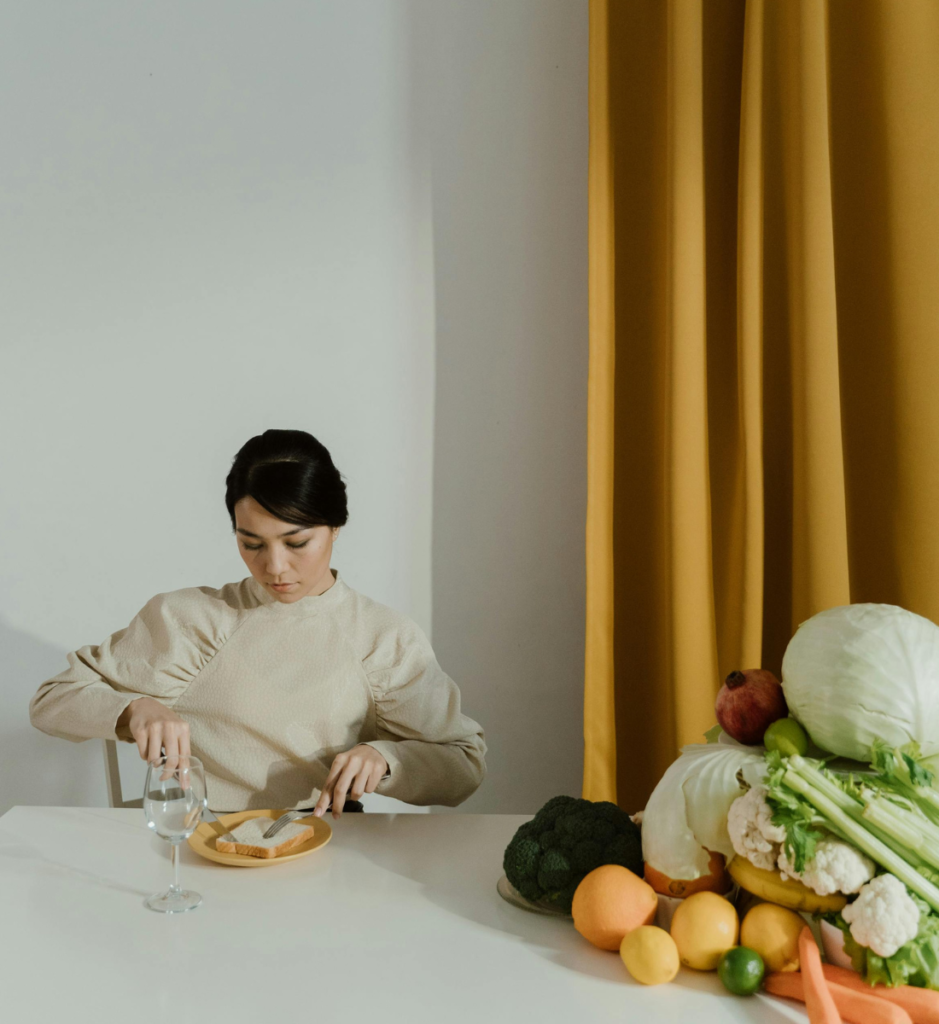
If you’ve ever so much as thought about losing weight, chances are your TikTok algorithm has already picked up on it. From trendy meal plans to newfangled superfoods, the digital world bombards us with information every day. While fad diets have long existed, the era of TikTok dieticians and alarming online echo chambers promoting disordered eating has made it especially difficult to pin down what is safe and effective. But amid the noise, the one thing that has caught this writer’s attention is volume eating.
Like many, I first encountered volume eating on TikTok, where a content creator was promoting her volume eating-based meal plans, (for a fee, of course) guaranteeing weight loss without compromising fullness and flavour. Dubious? Definitely. But the phrase intrigued me enough to set off on my own research spiral. While I had been struggling to drop a few kilos of stubborn pandemic weight gain, I could never commit to strict diets. Hunger gave way to fatigue and binge-eating, and study and work schedules made consistent meal prep tricky and time consuming. But volume eating, which is more a strategy than a regime, felt easily within reach.
Related article: Actress-Turned-Entrepreneur Cheryl Wee On Holistic Health & Sustainable Wellness
In the past three months, I've continued to eat the same foods in different proportions, and remained satisfied with my meals. I vary how closely I adhere to volume eating guidelines depending on my mood, energy level and menstrual cycle to avoid crash-and-burn binge-eating episodes. My post-lunch hour bloats faded quickly, and with time (and a bit of walking) my pandemic weight began to disappear, too. One local TikToker even shared that volume eating helped her shed 12kg in less than a year. Volume eating is no miracle diet, and it might not be for everybody. But it has helped me feel, look and eat healthier.
For the uninitiated, here's an introduction and guide to volume eating.
What is volume eating?
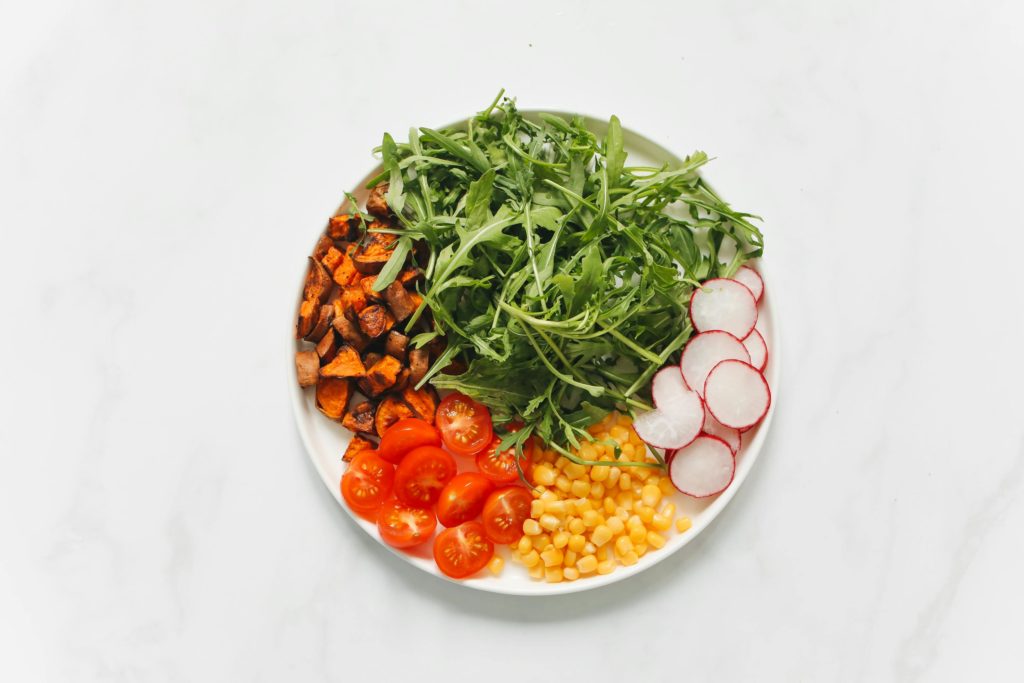
Unlike restrictive diets, volume eating is a strategy aimed at lowering your calorie intake without having to decrease the overall volume of your meals. This is done by prioritising foods that are lower in calories and higher in volume—typically comprising higher water and fibre content, like watermelon. The idea is to maintain a well-balanced diet and stick to your calorie intake goals, all while feeling satiated.
What I love most about volume eating is that it doesn't involve a complete overhaul of your regular diet, and can be implemented by simply adjusting the proportion of food groups in your meals. This makes for an easier transition into healthy eating habits and sticking to them, making it more achievable for those who struggle with strict diets.
Related article: From The Inside Out: The Guide To Managing Your Hormones
Who can benefit from volume eating?
While the recent popularity of volume eating stems from its potential to aid in weight loss, it can also be useful for those who struggle with binge-eating, health issues associated with overly-processed foods or food intolerances.
However, it is important to maintain a balanced diet beyond just high-volume low-calorie foods, as they may not be able to fulfil all your nutritional needs. Those dealing with vitamin deficiencies should exercise extra caution when experimenting with volume eating, and always speak with a board-certified physician or nutritionist to find out how try new diets safely.
Best foods for volume eating
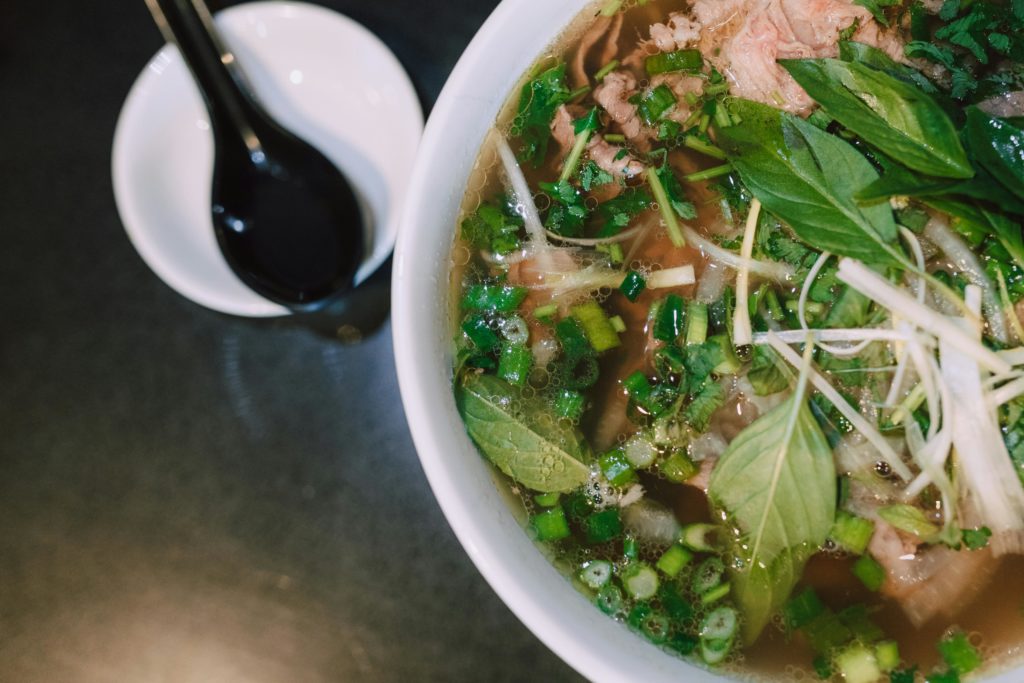
Leafy and cruciferous vegetables (like broccoli and cabbage), fruits and broths are great for volume eating as they're packed with nutrients and flavour. These are what you want to consume in larger portions, as they'll keep you feeling fuller for longer with fewer calories. However, it’s still important to maintain a well-balanced diet beyond these foods.
Moderately calorie-dense foods like lean meats, grains and legumes are an important source of proteins and carbohydrates, and should remain in your everyday diet. Some high-calorie foods like avocado and oily fish—such as salmon and tuna—also contain healthy fats and additional protein you don't want to miss out on.
Related article: 10 Of The Best Collagen-Boosting Foods To Eat For Better Skin, Hair and Nails
Tips for working adults
We don’t always have the best food options around us at work, which makes sticking to a diet especially difficult. We recommend adding bone broths and salads—whether from home or with your regular lunch order—which can help with volume eating. A good number of salad joints and build-your-own-bowl eateries in Singapore's Central Business District (CBD) provide customisable meals, where you can opt for more leafy greens, lean meats like chicken breast and healthier carb choices like wholegrain pasta or brown rice. Volume eating can also play into the types of condiments you choose. Adding a fresh salsa like pico de gallo, which is full of antioxidants and essential vitamins from the raw tomato and onions, is one way I like to upgrade my favourite burrito bowls.
If you have a preference for hawker food like I do, asking for extra vegetables, tofu and lean meat and a smaller portion of rice or noodles generally works with most dishes. For instance, adding extra cucumber, which is high in fibre and water content yet low-calorie with your chicken rice or nasi lemak can help with satiety. Opting for silken tofu instead of fried tofu, and rice-based noodles over egg or wheat-based noodles will also lower the overall caloric density of your meal. Practicing volume eating doesn't transform every meal into a healthy one, but applying it even to guilty pleasures like mala hotpot, makes them more nutritious and lowers the likelihood of overeating while still emotionally satisfying those cravings.
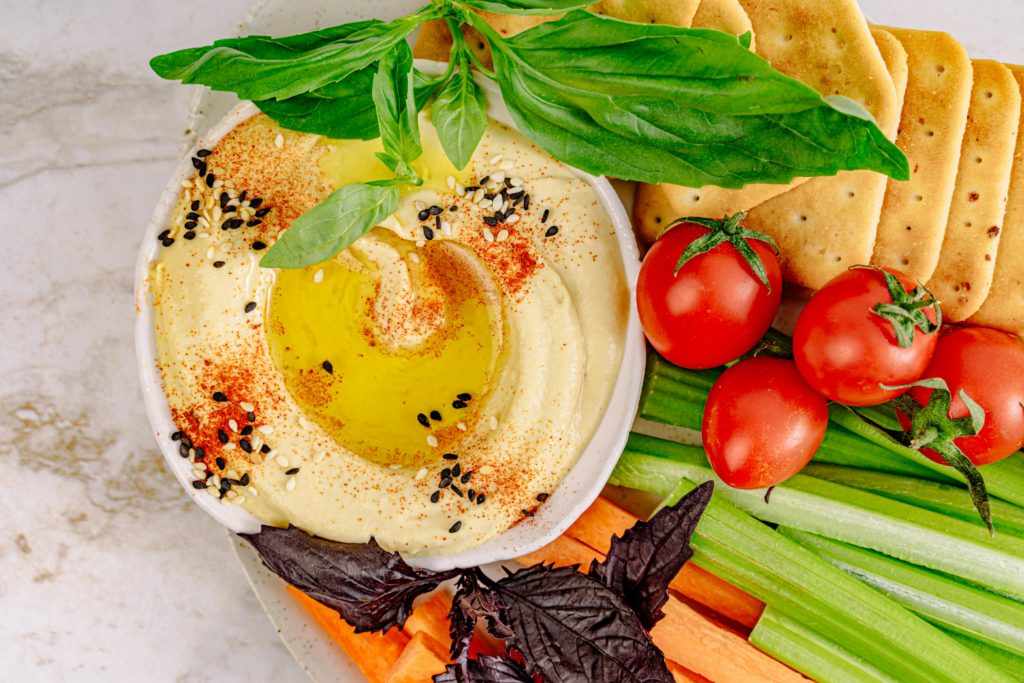
If you struggle with snacking, consider healthier alternatives like a small bowl of fruits to stay satiated between meals. Raw vegetables like carrots or celery paired with healthy dips like hummus and guacamole that are full of healthy monounsaturated fats also make for savoury, low-calorie snacks.
Sometimes, it isn’t just what you put on your plate, but what you eat first. I found it helpful to focus my attention on high-volume, low-calorie components of my meals first. With soup noodles, for example, having the vegetables while sipping on the broth early in the meal helps prevent me from eating more of the calorie-dense noodles to feel full. It's not an exact science, but it's easy enough to incorporate into your daily meals and achieve desirable results—if you're consistent over a long period of time.
This article is based on the personal experiences and research of the writer and is intended for informational purposes only. While the writer saw positive results from adopting a volume eating approach, individual experiences may vary. Volume eating—or any diet—may not be suitable for everyone, particularly those with specific medical conditions or a history of disordered eating. Before making any significant changes to your diet or lifestyle, it’s best to consult with a qualified healthcare provider, registered dietitian, or nutrition professional.