
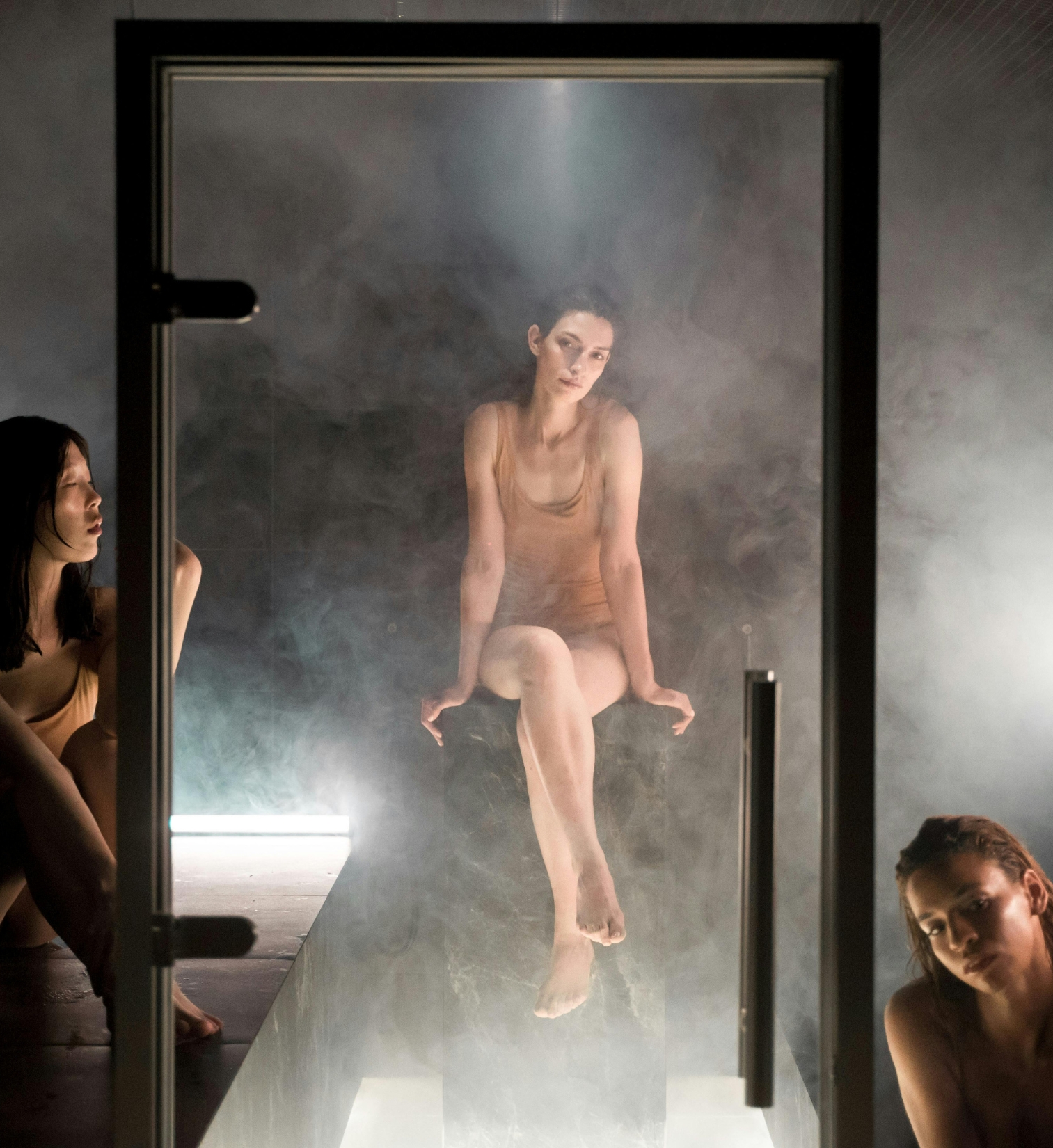
An ice bath followed by a steamy sauna might sound like a form of self-inflicted punishment. Yet across gyms, spas and wellness spaces worldwide, this hot–cold ritual has been warmly embraced as the modern woman’s answer to a total mind-body reset.
While contrast therapy may feel newly minted in the age of TikTok and biohacking, the practice itself is anything but modern. Long before cold plunges became Instagram fodder, alternating heat and cold was woven into cultural rituals. Scandinavian communities have long treated the sauna-sea plunge as a weekly rite. In Japan, purification rituals known as hi-to-kori—literally “fire and ice”—have been practised for centuries. Even the Romans understood the power of temperature contrast, moving deliberately through hot, warm and cold baths as part of daily life.
What’s changed isn’t the practice, but the context. As modern life accelerates—fuelled by constant stimulation, stress and sedentary habits—contrast therapy has re-emerged as a tool for recalibration. Today, it sits at the intersection of recovery culture, neuroscience and beauty’s growing fascination with circulation and cellular health.
Related article: What to Know About REKOOP, Asia’s First Social Wellness Club, Ahead of Its Launch in Singapore
Despite its intimidating reputation, contrast therapy isn’t reserved for elite athletes or wellness extremists. Its appeal lies in its accessibility to the general population. “It’s particularly beneficial for people dealing with chronic fatigue, insomnia, or the stresses of modern life,” says Steve Compagnon, coach and founder of Neurorecup. Caroline Arditti, founder of Paris Ice Club, also points to hormonal benefits. “We observe effects on mental clarity and cortisol regulation—the stress hormone,” she notes.
By triggering endorphin release, contrast therapy produces a natural analgesic effect that can reduce pain and improve mood. Metabolism may also receive a temporary boost as the body works to regulate temperature.
HOW DOES IT WORK?
Related article: 6 Wellness Retreats Around The Region To Recharge The Body, Mind And Soul
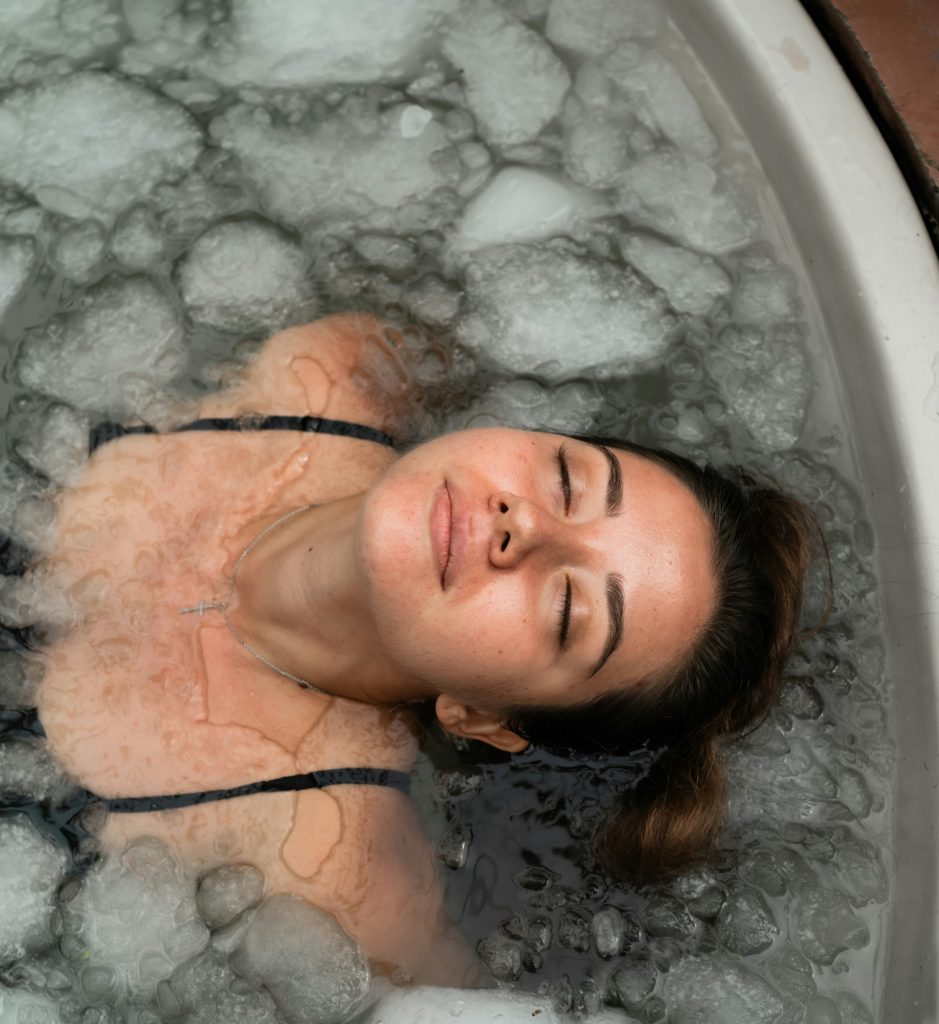
At its core, contrast therapy works by challenging the vascular system. Heat causes blood vessels to dilate, increasing circulation and oxygen delivery. Cold (usually at temperatures below 8°C), does the opposite, triggering vasoconstriction that reduces inflammation and swelling. Moving between the two creates a powerful pumping effect—one that flushes metabolic waste, improves muscle oxygenation and accelerates recovery. “When you move from a cold bath to a sauna heated above 50°C, you trigger a true vascular workout,” explains Compagnon.
This alternating expansion and contraction doesn’t just benefit the body. It also sends strong signals to the nervous system, encouraging a shift away from stress-driven alertness and towards balance and regulation. The result is often described as a feeling of mental clarity—sometimes even euphoria—thanks to the release of endorphins.
The benefits of contrast therapy tend to fall into three clear categories. First, recovery. Athletes have long used cold exposure to reduce muscle soreness and inflammation. Today, the same logic is applied to everyday bodies worn down by desk work, travel and long hours. Improved circulation helps muscles recover faster, making the practice popular in gyms and recovery labs.
Second, mental reset. Cold exposure, when practised mindfully, trains the nervous system to tolerate stress more efficiently. The controlled discomfort of an ice bath encourages breath awareness and presence—skills that translate beyond the tub. “After a stressful day or an intense workout, it instantly reboots the circulatory system,” Compagnon notes.
Finally, skin and glow. Increased circulation can temporarily improve skin tone, reduce puffiness and enhance radiance. It’s no coincidence that beauty brands and facialists have embraced cold tools, cryo-masks and cooling devices. While these effects aren’t permanent, they offer an immediate, visible payoff that aligns neatly with beauty’s love of instant gratification.
Related article: Spa Awards 2025: Best Spa-Cation - Oasia Spa
PRECAUTIONS NOT TO IGNORE
As restorative as contrast therapy can be, it isn’t suitable for everyone. Those with heart conditions, severe asthma, intense migraines, or who are pregnant should avoid ice baths altogether. Even for healthy individuals, moderation matters.
The key is gradual exposure and consistency rather than intensity. Arditti recommends starting with two to three sessions per week, alternating around 15 minutes in the sauna with just 30 seconds to a minute in cold water. Over time, cold exposure can be woven into daily routines—ending showers with a burst of cool water, for instance, or scheduling a weekly plunge. “You don’t move from sauna to ice bath—or the other way around—in the blink of an eye,” Arditti cautions. “The body needs time to adapt, along with controlled breathing between the two.”
Breathing also plays a crucial role. Rushing from heat to cold without adequate adaptation can overwhelm the nervous system. Slow, controlled breathing—deep inhales followed by long exhales—helps activate the parasympathetic nervous system, encouraging relaxation even in icy conditions.
Once out of the cold, passive rewarming is preferable to jumping straight back into intense heat. “A few squats and arm swings are enough to reignite the body’s natural heat and reactivate the intercostal muscles,” Arditti notes. This gentle movement encourages circulation without overstimulating the system, allowing the body to regain warmth organically.
Perhaps the real reason contrast therapy is thriving lies less in science and more in psychology. In a world defined by excess, hot and cold offer clarity. Approached thoughtfully, contrast therapy becomes less about endurance and more about awareness—a ritual that teaches the body how to adapt, recover and reset.
WHERE TO FREEZE & SWEAT
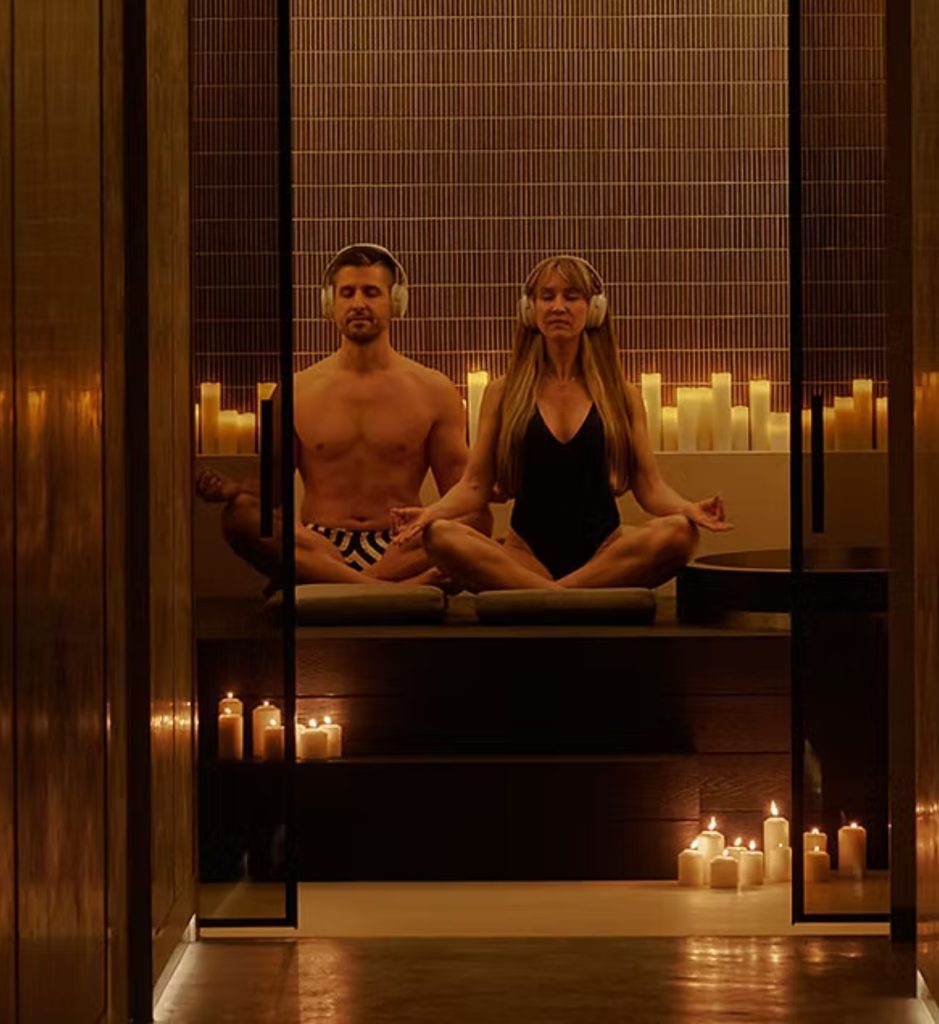
COMO SHAMBHALA SINGAPORE
COMO Orchard, Level 4, 30 Bideford Road, Tel: 6304 3552
HIDEAWAY
New Bahru, #05-07/08, 46 Kim Yam Road, Tel: 8939 6128 / 6518 9019
NOWHERE BATHS
14A Dempsey Road, Tel: 8923 6150
PLUNGE CLUB SINGAPORE
38 North Canal Road, Level 3, Tel: 9855 7611
REKOOP
18 Robinson Road, #04-01, Tel: 6022 1841 / 8057 4291
SHELTER BY RF
1 Raffles Link, #01-01, Tel: 8588 1785
THE ICE BATH CLUB
68 Duxton Road, Tel: 8851 5422