
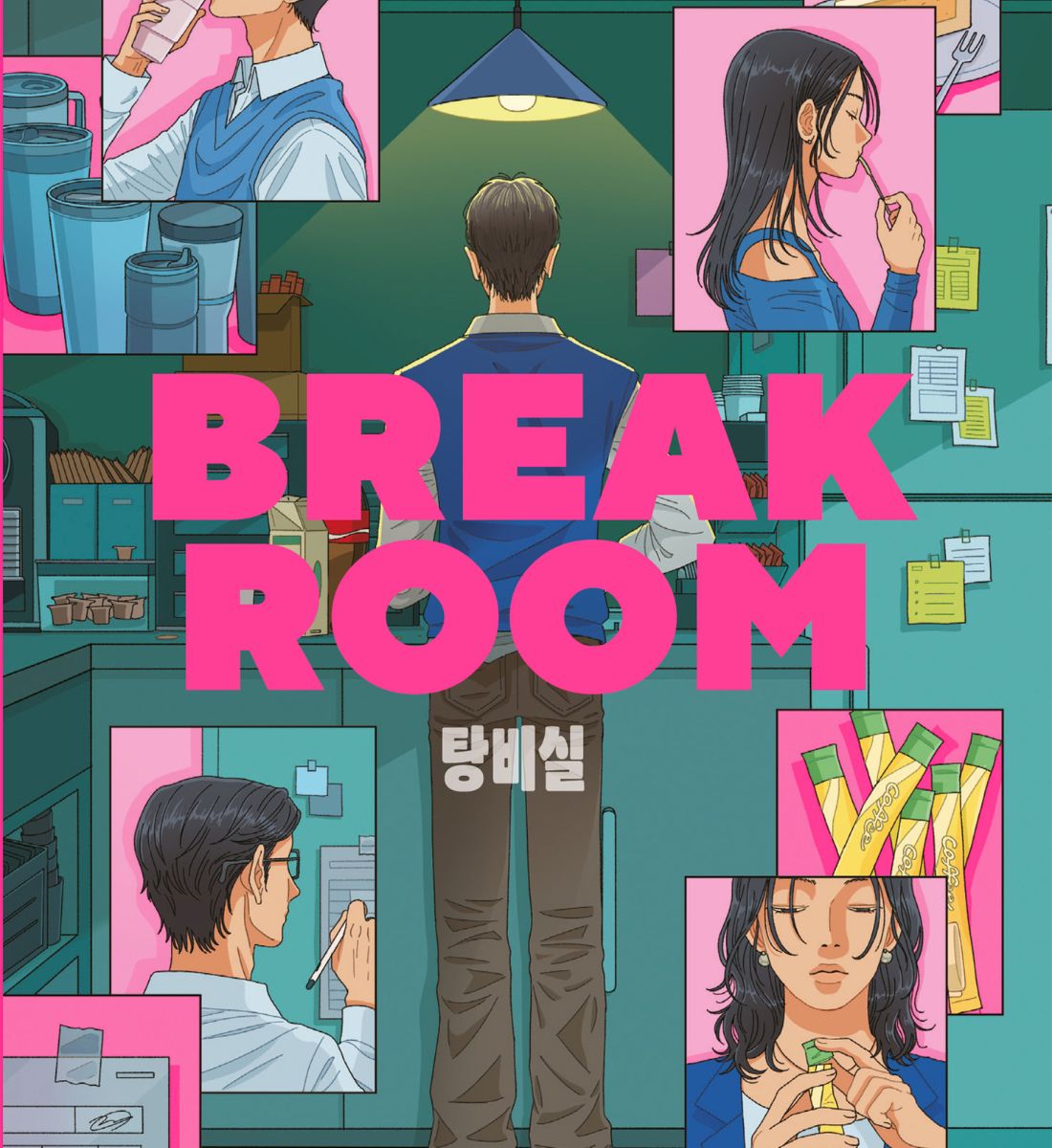
Over the last few years, you might have noticed Miye Lee’s novels—whether on the bestselling shelves of your favourite bookstore or from the BookTok community online. The Busan-born author debuted in 2020 with Dallergut Dream Department Store, its whimsical, magic realism setting captivating readers and selling over a million copies worldwide. After putting the Dallergut universe to bed with its sequel in 2024, the author is back with a new novella titled Break Room. While she was in town for her book tour—accompanied by English-Korean translator Sandy Joosun Lee—the author sat down with ELLE Singapore to discuss the success of her debut, Break Room and what is driving South Korean authors to new international heights.
Related article: Exclusive: Amanda Lee Koe’s New Novel Is “A Lap Dance Between Deviance And Conformity”
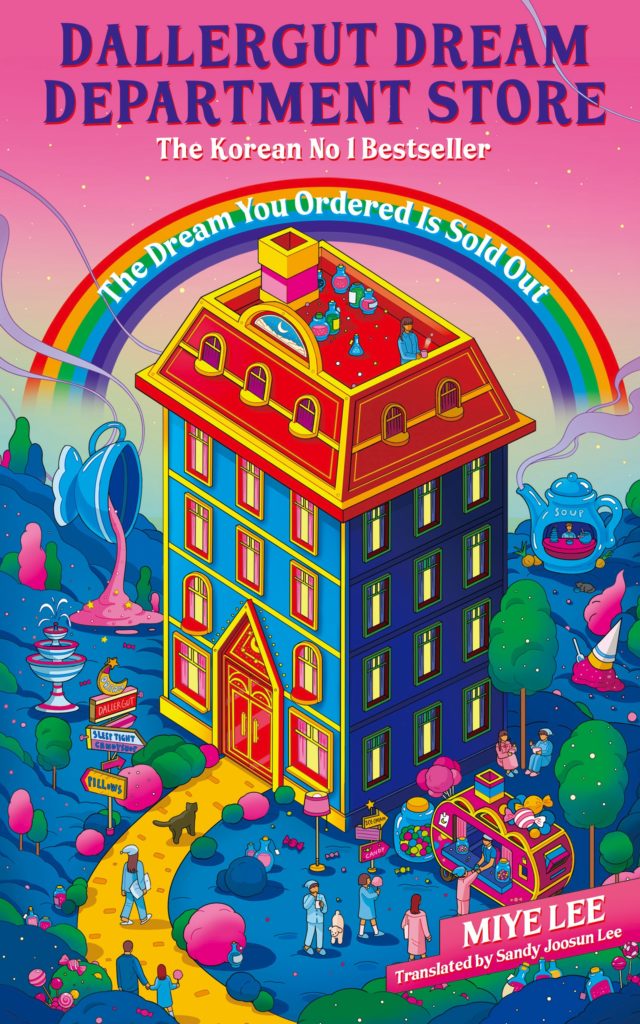
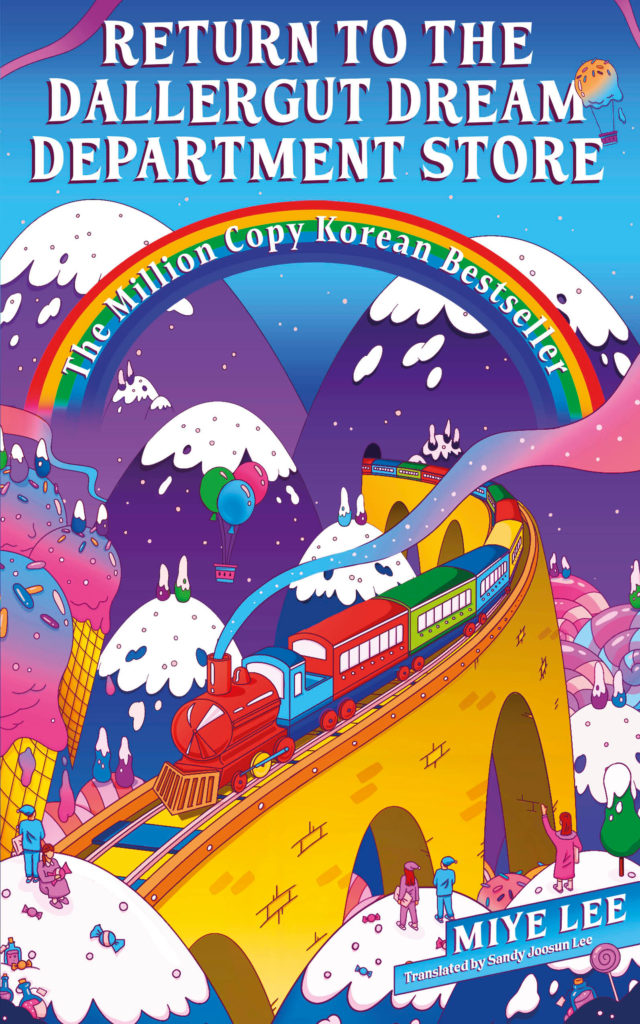
Best enjoyed with a cup of warm tea, Dallergut Dream Department Store follows Penny, a new hire at a department store in a magical alternate universe where people shop for dreams after falling asleep. “I think it was received so well because it deals with subject matter that everyone across the globe can relate to,” says Lee. Each customer Penny serves is in search of something—whether its comfort, clarity or inspiration, to help them cope with the events of their waking lives. And so, despite its magical setting, it’s easy to see how this thread of humanity and empathy that runs through the Dallergut duology has touched the hearts of so many readers.
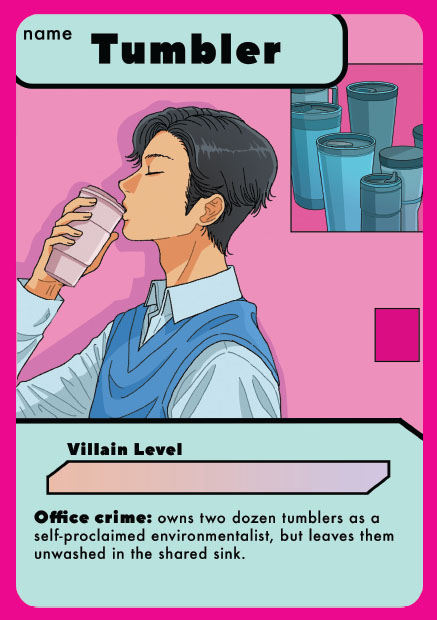
Lee might have struck gold on her first two novels, but the author continues to expand her horizons, delving into fresh territory in her new novella, Break Room. An incisive exploration of workplace dynamics, it details the happenings on a reality game show where five contestants—nominated by their own coworkers as workplace villains—are forced to reflect on the behaviours that led them onto the show. “I wanted to lay bare the subconscious dislikes and preferences people have, and put out that discourse in this imagined setting,” she says.
Related article: Exclusive: First-Time Author Jemimah Wei Reveals The Long, Tumultuous Journey Behind The Original Daughter
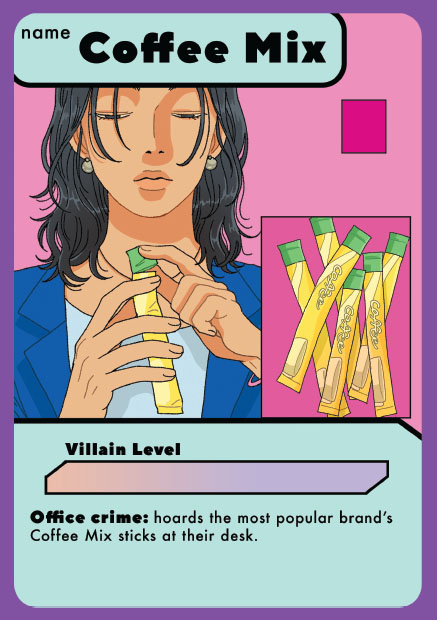
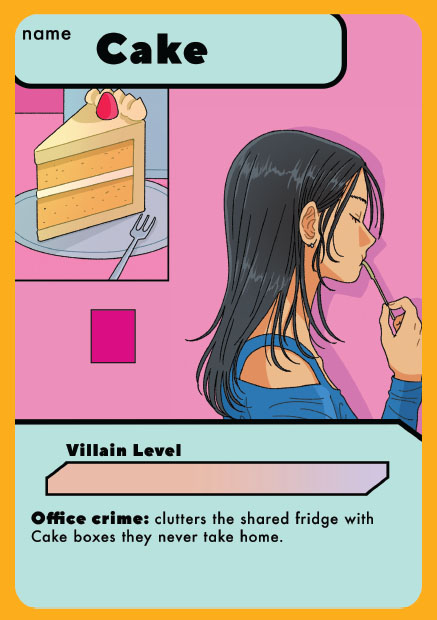
While some readers might be surprised by its dark, psychological quality, Lee shares that it was easy to flip that tonal switch. “They are both part of who I am. There are sides of us that can be very positive, but others that are darker,” she says. “I could be watching The Walking Dead yesterday, and watching a bright anime today, right? If we can consume different types of genres, I think the same goes for writing stories.”
Even so, the author admits she had concerns that readers would be disappointed by Break Room, especially after the success of the Dallergut duology. “In a way, it became my representative work,” she explains, adding that she has been paying attention to responses. Despite a few disappointed fans, she shares that many were pleasantly surprised by the shift, and appreciated her ability to take on a new style. “It’s only natural to go in a different direction, rather than confronting the exact same genre that I was loved for,” she says with a laugh. “I think it’s safer, in a way. Otherwise there would be too much to compare. In a way, my best work could be my biggest enemy.”
Related article: Exclusive: Bestselling Asian-American Author Elizabeth Lim Is Painting The Future—Literally and Literarily—With Her Latest Novel
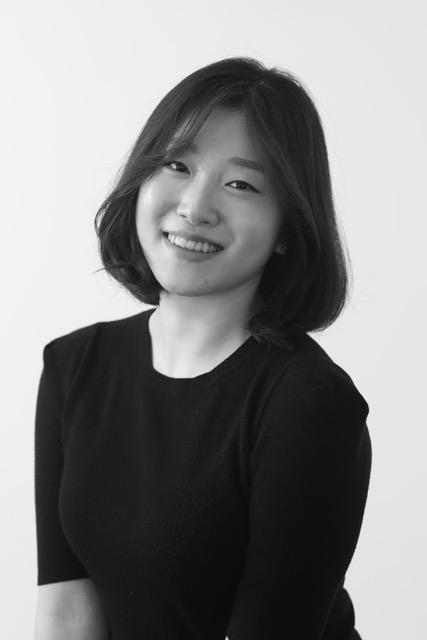
While the two projects differ dramatically, a closer read also reveals Lee’s unchanging focus on universal human experiences and emotions. This, she adds, is a commonality she shares with fellow authors from South Korea. “[Many of them] are great at finding universal themes that really connect to other parts of the world, even if the stories are told in a Korean setting. I think Korean authors have managed to find this middle ground, where readers and authors across the board really resonate with.” she explains.
As for the recent rising international popularity of Korean literature—Lee’s own raring success, as well as the late Baek Se-hee’s hit memoir I Want to Die but I Want to Eat Tteokbokki and 2024 Nobel Prize winner Han Kang’s novels immediately come to mind—she also credits the nation’s cultural appetite. “I think, and this doesn’t only revolve around literature, it’s about the way Korean people consume culture. We consume a lot of it, and we’re very quick to move on to find the next new thing,” she explains.
“We get bored easily, so we are really quick in hopping on to new trends,” she laughs. “That really impacts authors to come up with different, diverse and fresh stories that Korean readers would enjoy. I think it’s something about our culture, where consumers are really hard to appease.” She might be just five years into her literary career, but Lee has certainly succeeded on that front.
Related article: 8 Must-Watch Book-To-Film & Series Adaptations For Fiction Lovers
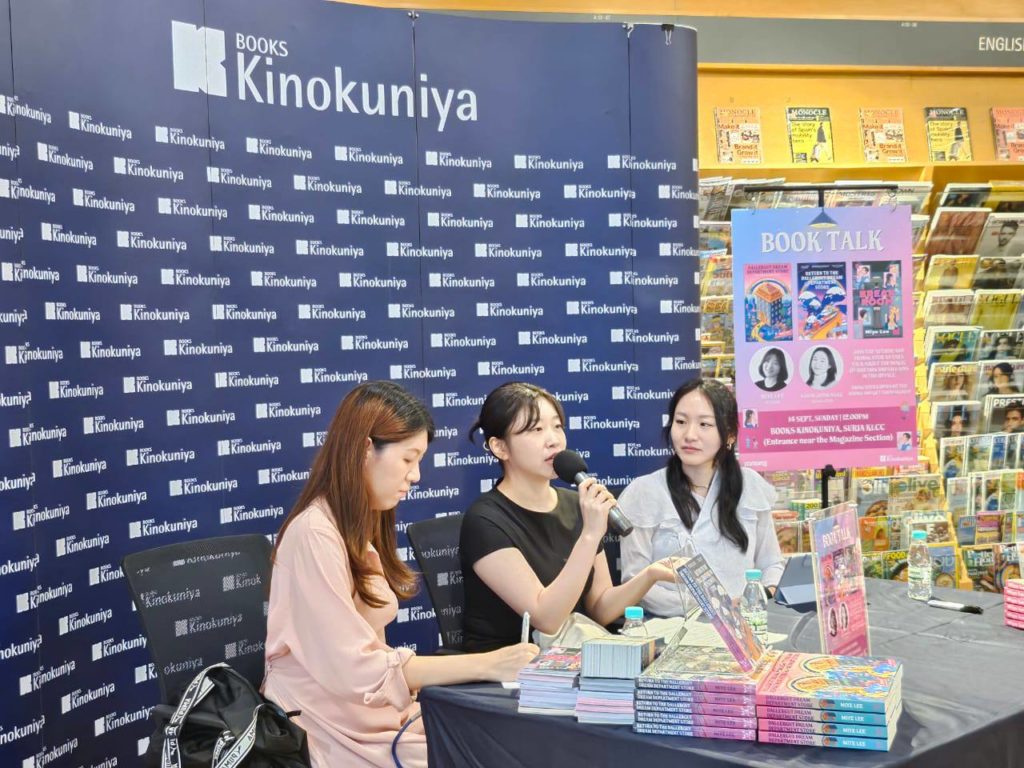
Moving forward, the author hopes to continue writing stories that resonate with the experiences of the masses, but with the same imaginative touch she has so deftly wielded in her existing work. While she remains tightlipped on her next project, she touches on the topic of protecting one’s cultural identity as one she would like to explore. “I’d also like to explore the feelings of getting falsely blamed for something,” she says, adding that she is especially intrigued by the strong emotions that arise in such situations. “We all go through moments in life like that, and it’s never something we expect to happen to us. It’s like getting into a car accident, almost. Those kinds of delicate emotions are something I want to explore.”
When asked about her long-term career goals, Lee states one simple wish: To continue writing as long as she lives. Here, Joosun Lee chimes in that it has been a joy working with the author. “I’m always excited to see what she’s cooking next. I hope to be on her journey, as long as she keeps writing,” says the translator. As our time together draws to a close, Lee concludes neatly: “I think my goal now is not really to achieve big successes, but to avoid any big failures and have a peaceful life.”
*This interview has been edited and condensed for clarity.