
Being a woman can be hard. Not only because of the circumstances into which one is born, or how little education or money one has, but because womanhood has always existed in negotiation with power. Some women grow up navigating immediate, visible danger, while others learn to live with subtler forms of control—gaslighting, manipulation, financial dependence—fears that leave no bruises but still cut deep.
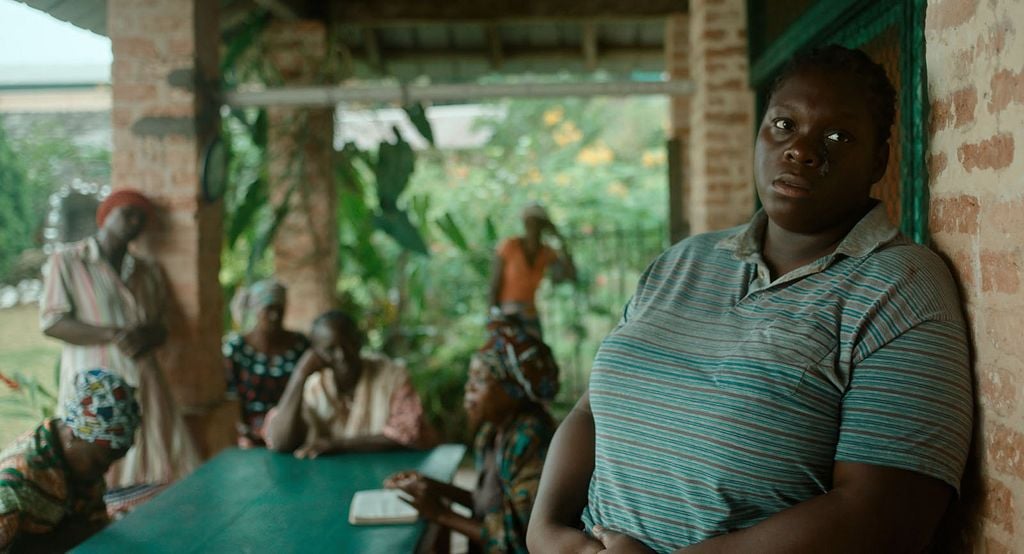
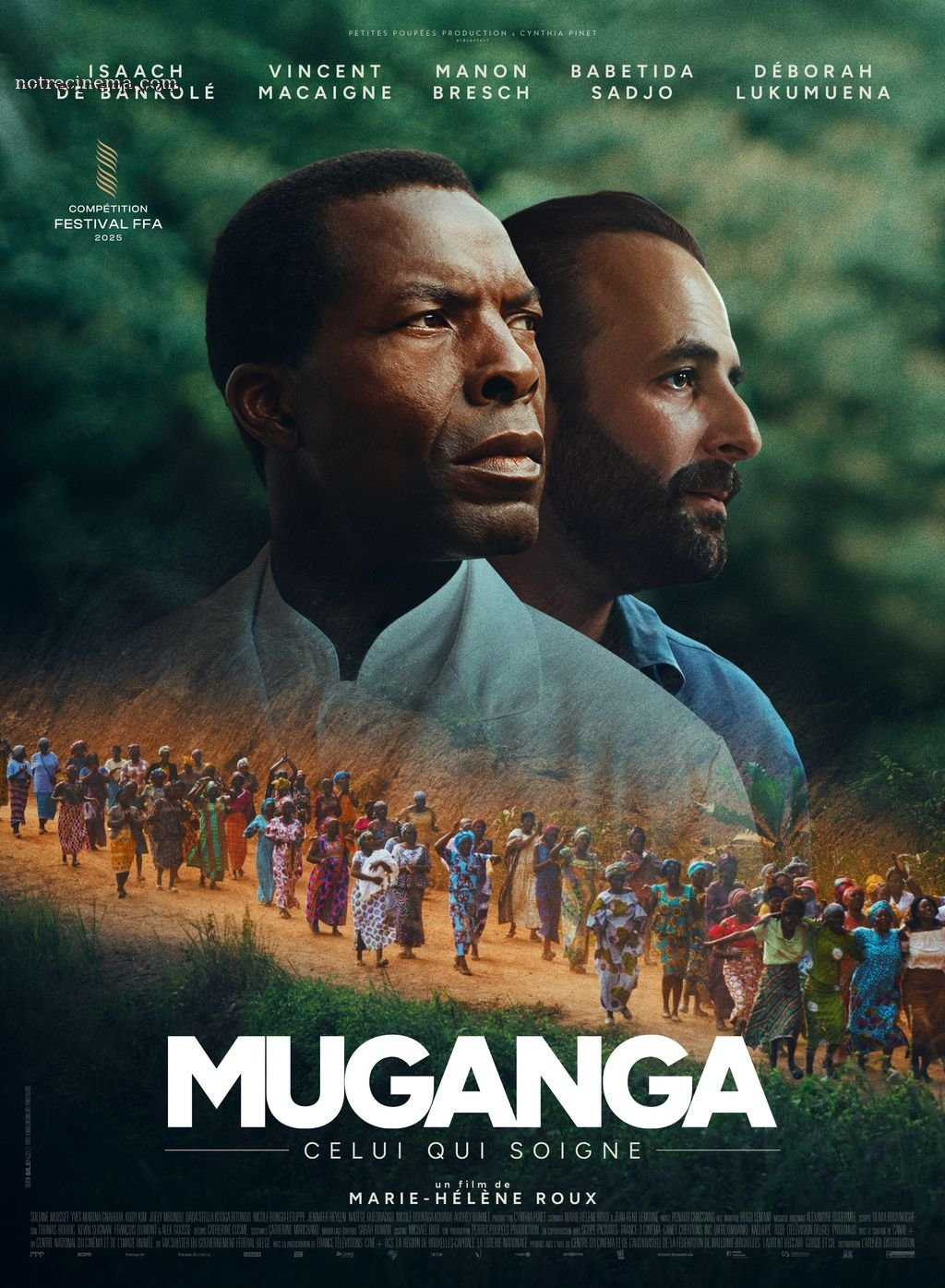
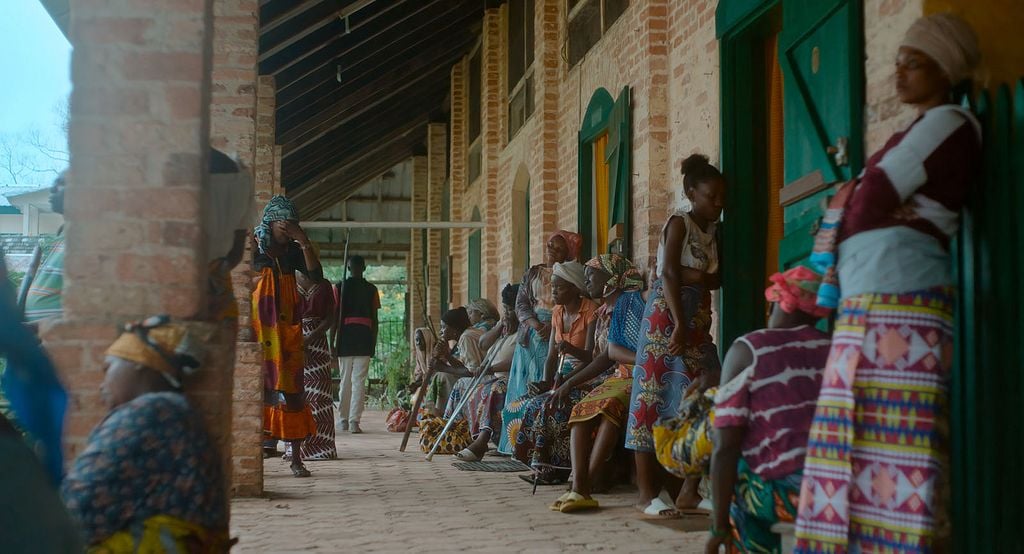
I was reminded of this while sitting in a darkened room at Alliance Française de Singapour, watching Muganga: The One Who Treats, a French film co-produced by Angelina Jolie, about sexual violence against women in the Democratic Republic of Congo. Based on true events, it documents how rape and genital mutilation have been used systematically as weapons of war—deliberate acts designed to terrorise communities and force families off the mineral-rich land.
At the centre of the film is the work of Dr Denis Mukwege, the Nobel Peace Prize–winning gynaecologist who has spent his career treating Congolese survivors while demanding accountability from a world that has long looked away. His work is not framed as heroism, but as insistence: That what has been normalised must never be accepted, and that repair, however slow, is itself an act of resistance. As the film’s director Marie-Hélène Roux noted during a post-screening discussion, Mukwege is careful with language. “He doesn’t use the word ‘victim’. They are not victims. They are survivors,” she said.
Related article: The "It Ends With Us" Legal Drama Is Proof That There's No Such Thing As A Perfect Victim
Roux described the violence depicted in the film as strategic rather than chaotic. “Women’s bodies are used to inject fear,” she explained. “With fear comes control—of land, of resources, of people. And because of stigma and shame, this becomes a silent war that can last decades.” Making the film, she added, required confrontation rather than comfort. “There is no healing without looking with truth, with eyes wide open, at something disturbing but necessary.”
The screening, held during the vOilah! French Film Festival, coincided with the United Nations International Day for the Elimination of Violence against Women, as well as the anniversary of the Singapore–France Support Centre, a pro bono legal clinic for women facing abuse. The timing felt deliberate—an invitation to consider how violence against women persists everywhere, even though it might take different shapes.
Related article: Here’s Why Women Should Go for Regular Health Screenings
Related article: What Should You Do if You Still Love Your Ex?
It is tempting to believe that what happens in the Congo belongs to a different moral universe, one that is riddled by war and instability. But violence against women does not disappear in modern societies. It refines itself. As Chloé Vialard, practice development lawyer at A&O Shearman, observed, “This is universal: The objectification and domination of women, using gender as a way of controlling individuals and populations.”
Also at the panel discussion were a doctor, lawyer, psychologist, and academic researcher, who outlined the many forms of abuse they encounter professionally. Dr Melissandre Noël, a Canadian physician practising in Singapore, spoke of violence as a spectrum. Physical abuse is only one expression. Psychological violence—intimidation, belittlement, control—is often more pervasive. Sexual violence tends to be overlooked, especially when it occurs within intimate relationships.
She also described what she called “technologically facilitated violence”: Partners tracking phones, monitoring messages, and surveilling movements create a constant state of vigilance. Financial violence, she noted, is particularly common among expatriate women in Singapore: “Having their finances controlled, receiving tiny allowances, being prevented from working, and being prevented from leaving.”
Listening to her, I was struck by how easily non-physical violence is underestimated—the absence of visible injury often makes this type of suffering easier to dismiss. Yet one of the hardest truths is that many women do not leave abusive situations not because they are unaware, but because the barriers feel insurmountable: Fear, shame, children, immigration status, financial dependence, love.
Psychologist Amélie Boutry shared the story of a woman who reached out for help only after finding her torn dress and strands of her own hair in the rubbish bin—physical evidence of a violent night prior. Even then, leaving was not her goal. “She loves her husband. She doesn’t want a divorce. She will not divorce,” Boutry reiterated.
Another truth that emerged was that privilege does not protect women from violence. Abuse cuts across professions, education levels and social circles. In Singapore, foreign women—particularly those on dependents’ passes—face distinct vulnerabilities. Their legal right to stay here is typically tied to their spouse. Language barriers deepen isolation, and without an independent income, leaving can feel legally and financially impossible.
The panel also underscored something we rarely think about: Violence against women is a public-health issue. According to Mariana Losada, a visiting senior research fellow at the National University of Singapore, only two per cent of global medical research is dedicated to women’s health. “Violence against women has very real long-term impact but there is very little research looking at how it contributes to specific illnesses or chronic symptoms,” she said. This doesn’t even account for the psychological fallout, which ranges from anxiety and depression to chronic pain, trust issues and reproductive complications.
Even if a woman is not ready to take legal action, it is crucial to document injuries and incidents early, Dr Noël urged: “Those records can completely change what becomes possible later.” From a legal standpoint, Pramnath Vijayakumar, Deputy Director of Community Legal Services at Pro Bono SG, was clear-eyed about the realities survivors face. “Often, when violence is happening, there may be no capacity or desire to gather evidence,” he noted. “But evidence is what allows survivors to access protection later.”
Singapore law does offer various forms of protection, including anti-harassment legislation, protection orders, criminal prosecution and trauma-informed police units. Organisations such as Pro Bono SG and the Singapore–France Support Centre provide confidential legal guidance, particularly for women whose vulnerability is compounded by immigration status or financial dependence.
Even for those of us who have never experienced violence firsthand, we should not to look away because the subject makes us uncomfortable. As Boutry reminded the room, “You belong to a community, whether you are a neighbour, a colleague, a friend. If something feels wrong, it matters. Even just encouraging someone to make one phone call can change a life.” Staying present, recognising the signs, and knowing where to direct someone for help may feel small, but for someone living in fear, it can be the beginning of a way out.
Contact the Singapore–France Support Centre at 9779 3178, the National Anti-Violence Helpline at 1800 777 0000, or Pro Bono SG at 6536 0650.