
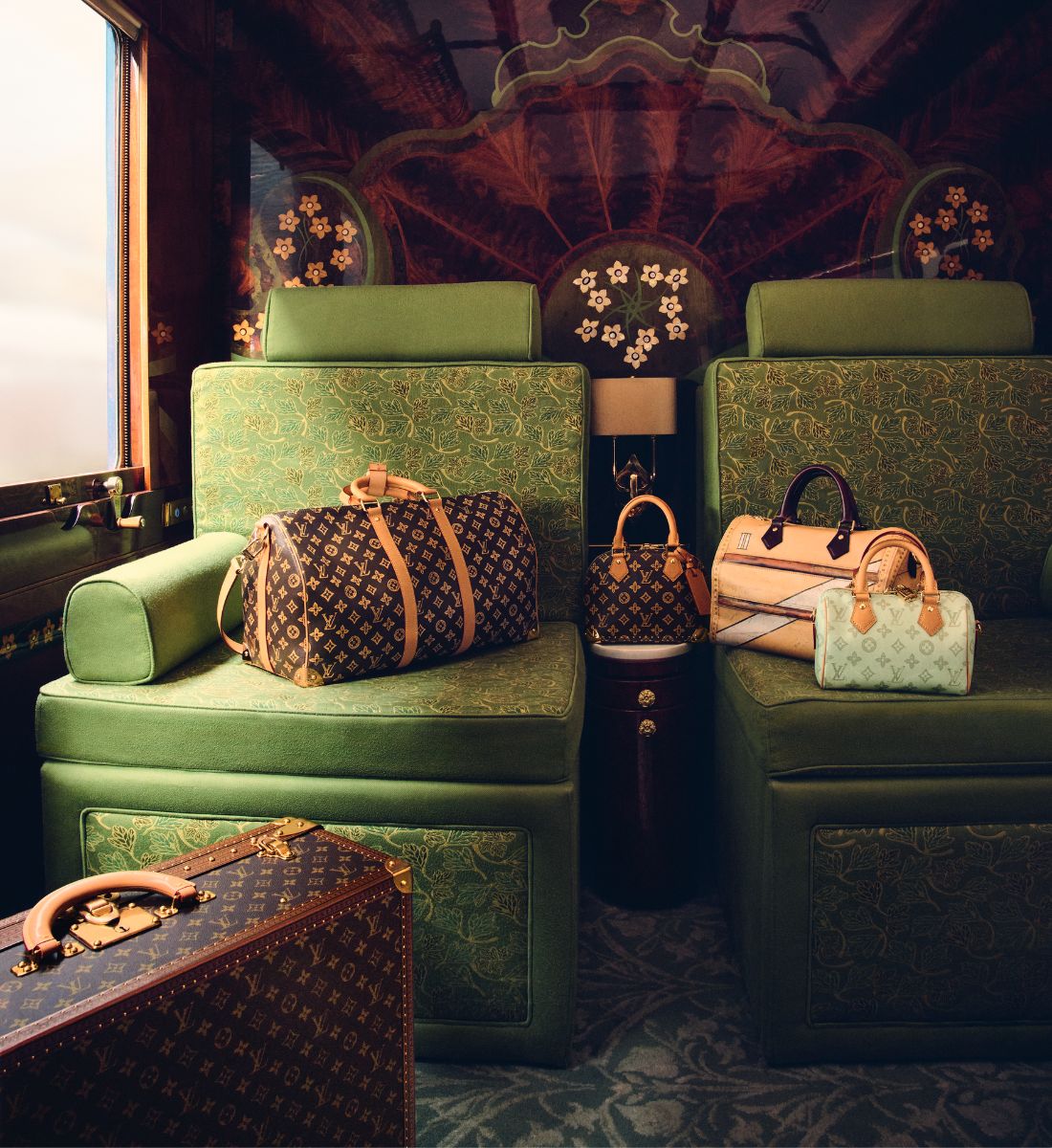
Where does inspiration come from? Most ideas arise from careful observation of everyday life. A small, insignificant detail that we see every day eventually catches our attention and becomes the starting point for something bigger. This may have been the case when Georges Vuitton, son of Louis Vuitton, founder of his eponymous fashion house, created the famous Monogram. This now iconic pattern, which has stood the test of time to become a staple of pop culture, was originally designed to protect the French fashion house from counterfeiting.
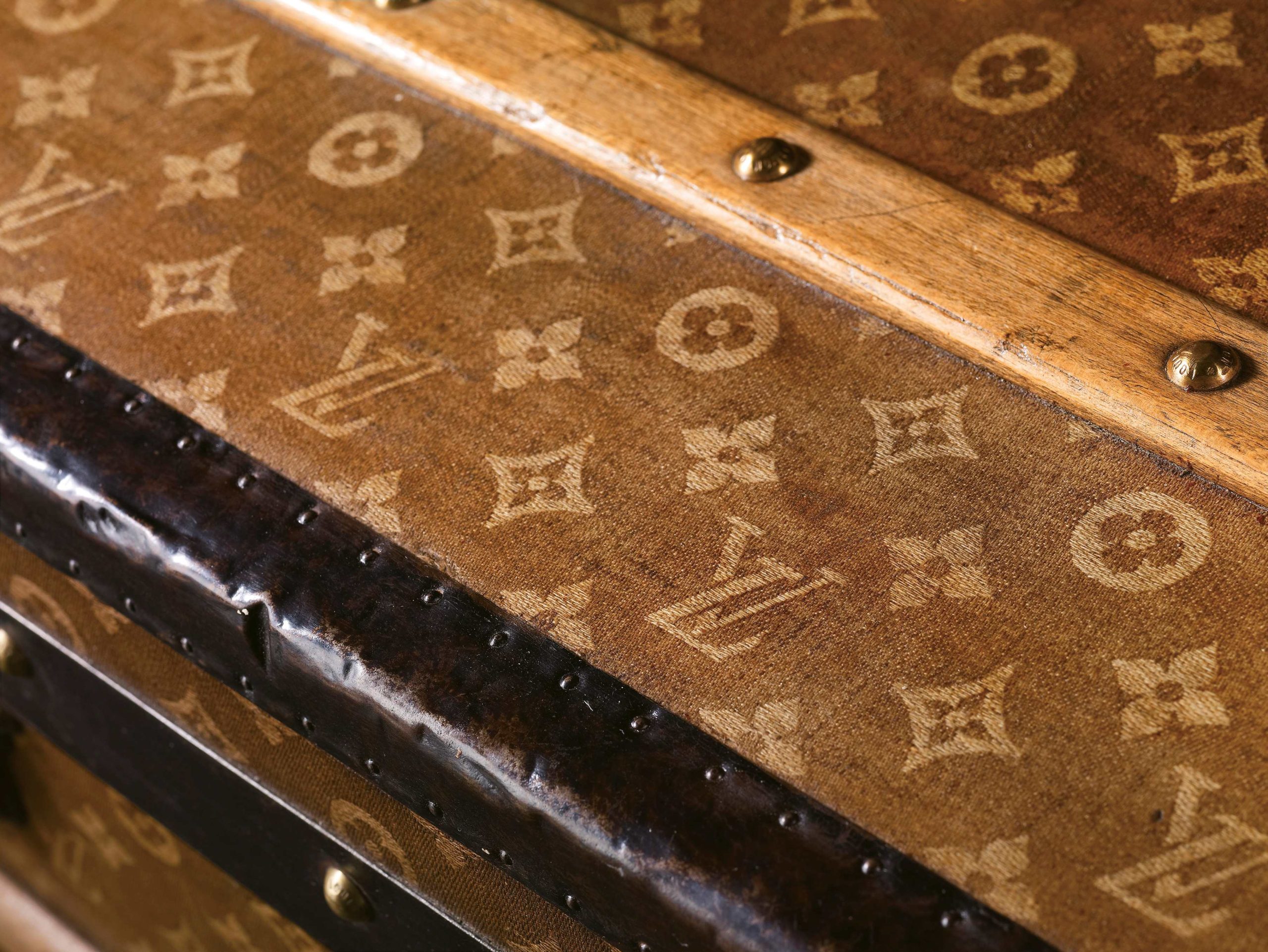
The year is 1896 and Louis Vuitton has been dead for four years. His son, Georges, continues the family luggage-making business with a renewed desire to stand out. This led him to design this very distinctive monogram, two intertwined initials—LV—accompanied by flowers and stars with geometric lines. While he positioned the four-petalled flowers and initials with precision, he gave no indication of his inspiration.
Related article: Meet The Panda Clutch: Murakami’s Masterpiece For Louis Vuitton's Artycapucines VII Collection
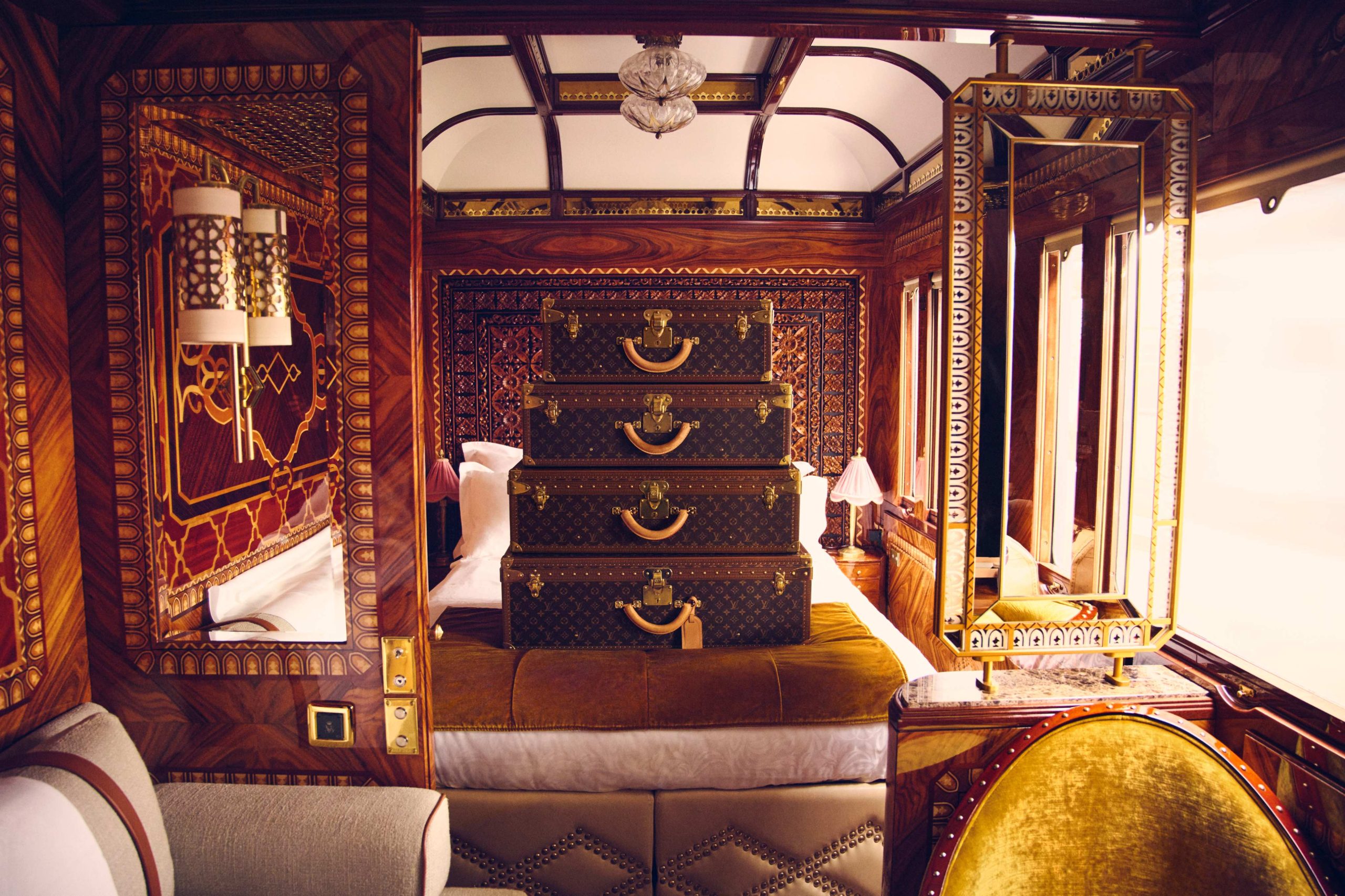
Given the historical context, it is thought that he drew inspiration from neo-Gothic ornamentation, as four-petalled flowers were common in churches. Other inspiration came from Japonism, a movement that emerged with the opening up of the Land of the Rising Sun to the world, and its influence on Western artists and writers. Another more pragmatic explanation can be found in the kitchen tiles of the house in Asnières, the headquarters of Louis Vuitton, which featured thistles, four-petalled flowers and the instantly recognisable diamond pattern. The kitchen has been remodelled since the family moved out, but ceramic tiles, signed by the famous Gien pottery, have been reused to recreate this room during travelling exhibitions. This heritage was preserved, thanks to Joséphine Vuitton, Georges’ wife, who lived in the house until she was 103, without ever carrying out any renovation work. Perhaps it was from the daily ritual of Georges drinking his morning coffee that one of the most recognisable contemporary motifs was born.
Related article: Louis Vuitton Said Sweatpants Can Be Whimsical, Too
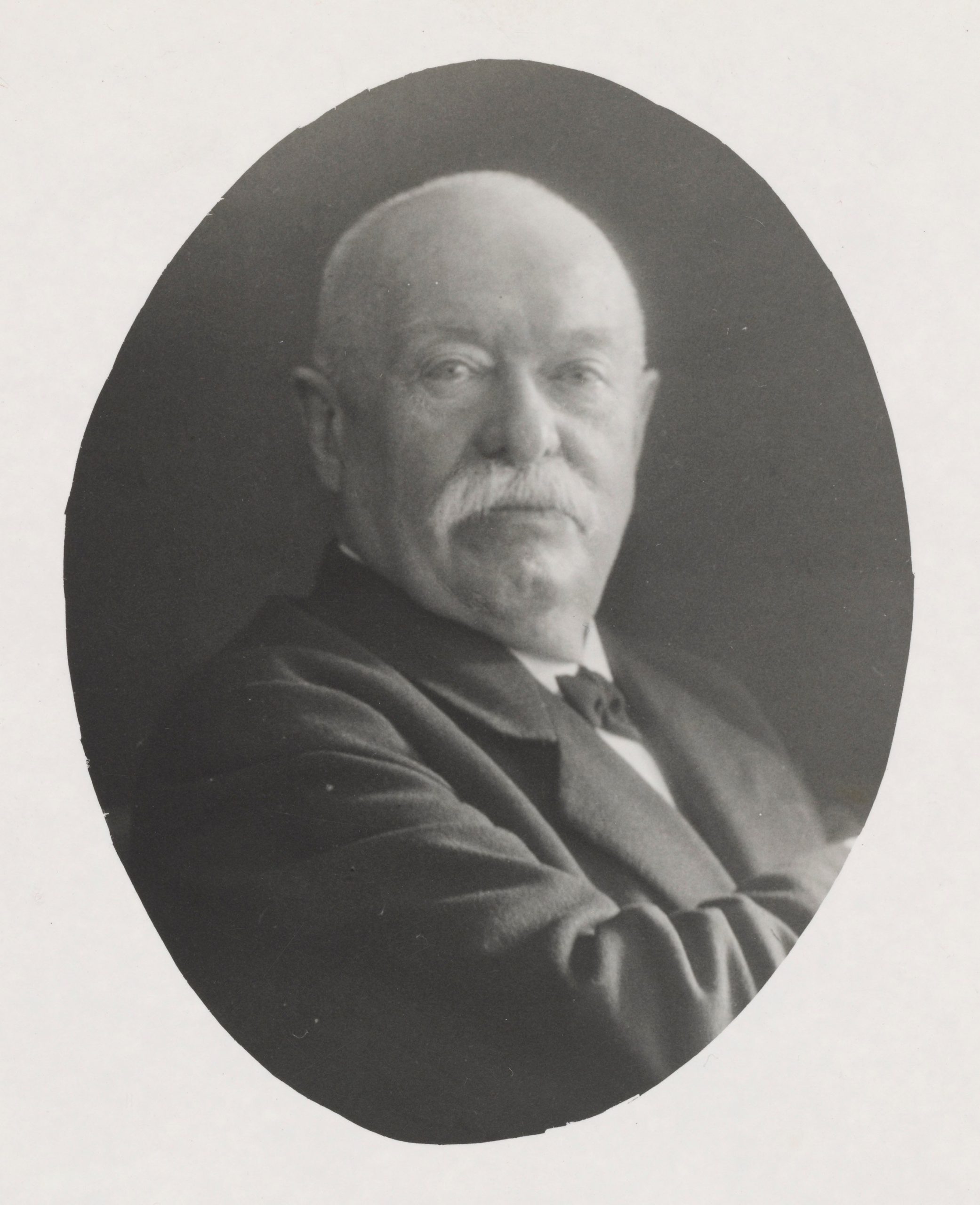
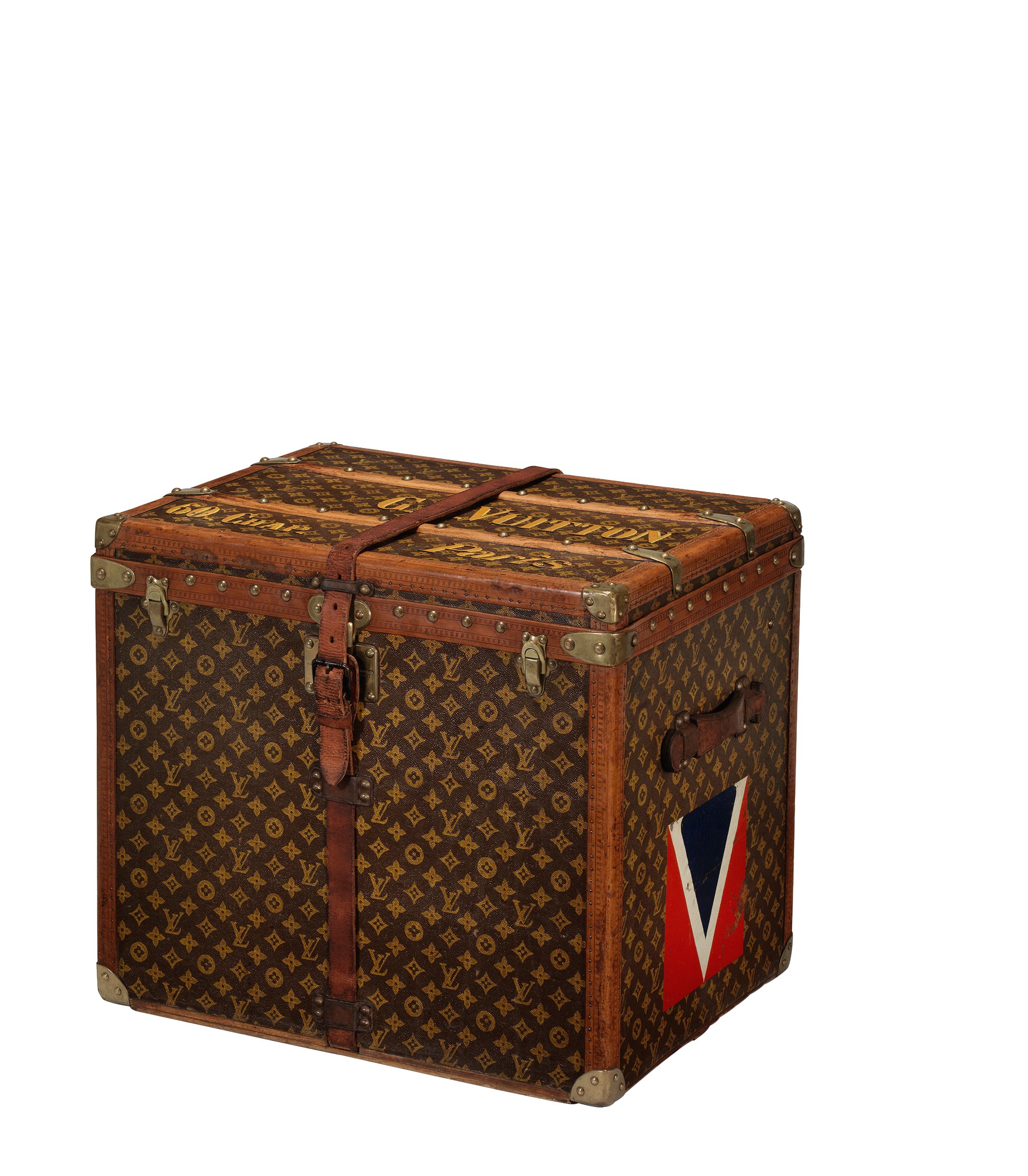
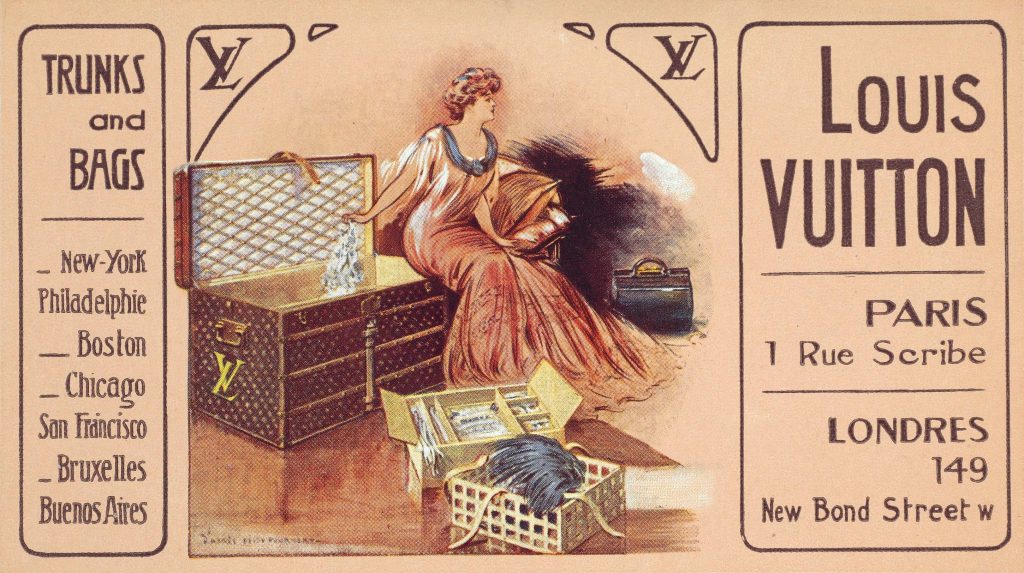
If this Monogram is being celebrated in 2026, it is because it also bears witness to the inventiveness of the illustrious house, marked by the very history of Louis, who left his native Jura in 1836 at the age of 14 for Paris. Hired as an apprentice by a trunk maker and packer, the young Louis learned how to protect the belongings of the world’s elite as they travelled.
“It was the dawn of the train and tourism, and people were travelling to the mountains and the sea. This was also the beginning of the Colonies, with some people travelling to Africa and India. Trunks were used as luggage and were often made to suit what people wanted to transport, as clothing in the 19th century was complicated. People had to change clothes often and have outfits for each specific time of day,” says fashion historian Xavier Chaumette.
Related article: Visage Vuitton: Louis Vuitton's First Ever Make-Up Collection Is Here
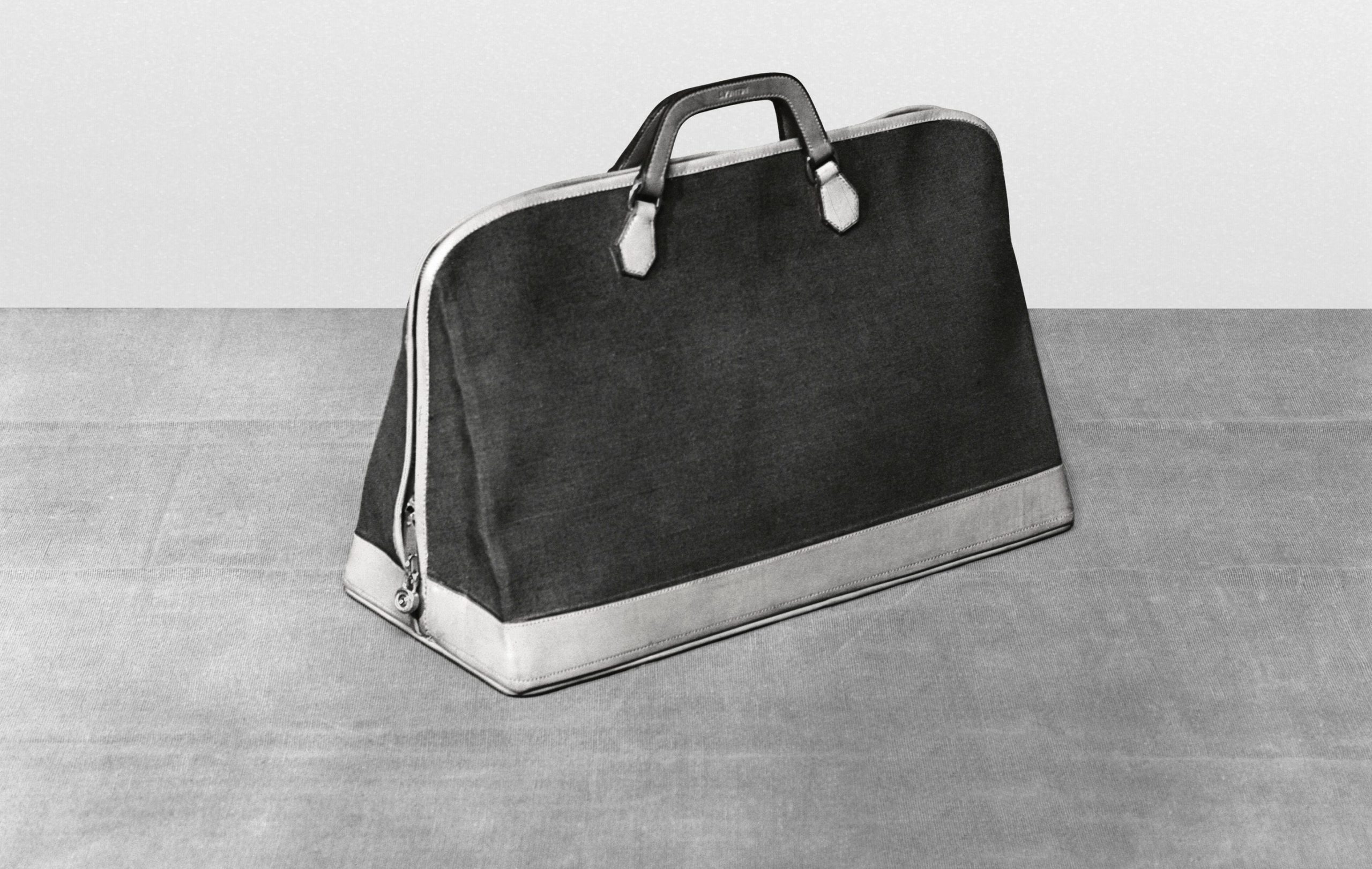
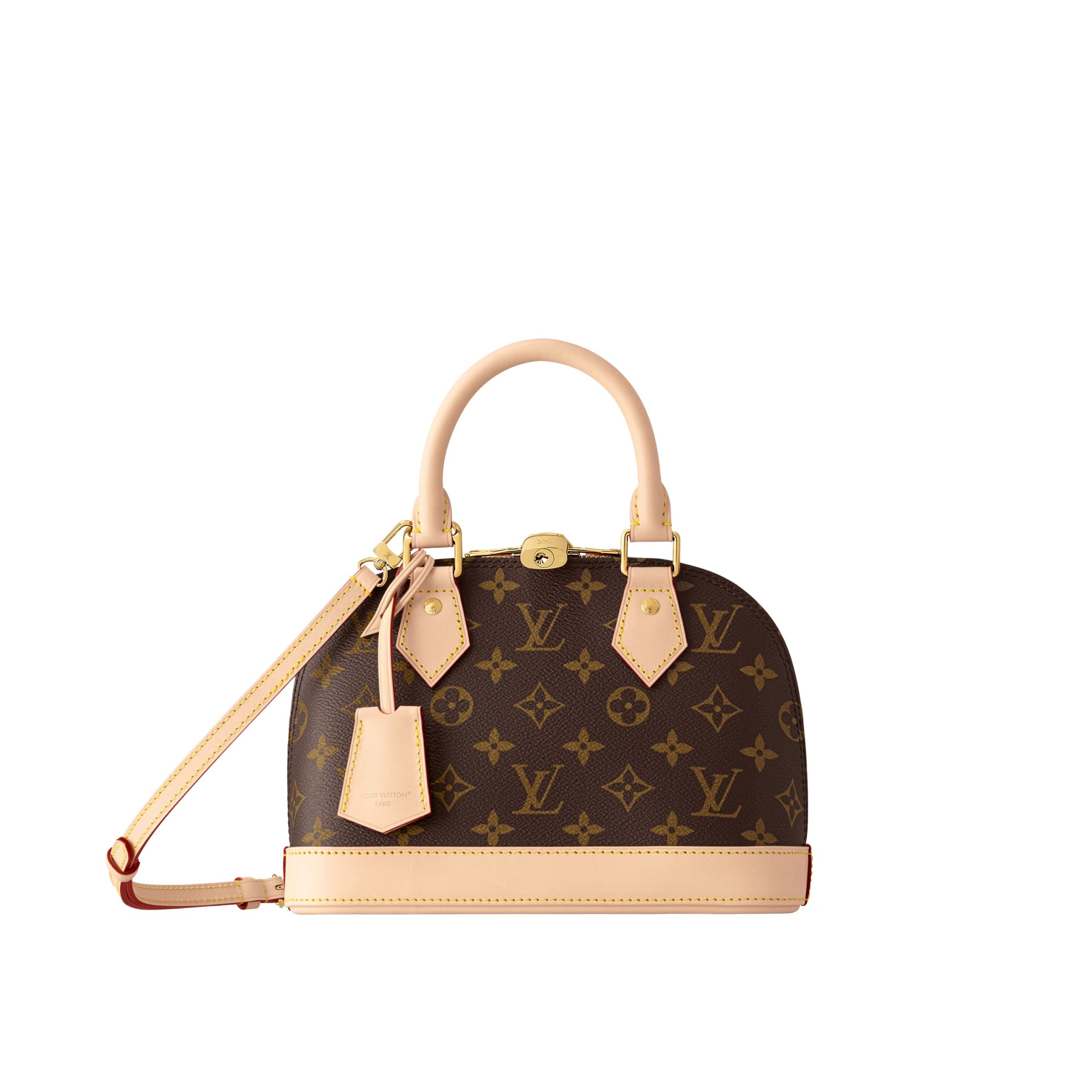
When Louis Vuitton launched his company in 1854, his trunks were grey like everyone else’s. They were identified by the discreet ‘LV’ logo found on some of the metal handles. “When he started his business, he quickly sought to differentiate himself from the competition. He wanted to be the best,” notes Pierre-Louis Vuitton, a sixth-generation descendant of the house’s founder.
Louis began by offering flat trunks. At the time, the lids of trunks were curved, making them impossible to stack. To further distinguish himself, Louis Vuitton created the striped canvas in 1872 and the Damier in 1888. Then came the Monogram, hand-painted on jacquard-woven linen canvas, which was to become the most popular of them all. “It’s quite an ingenious invention. Louis Vuitton was one of the first to turn his monogram into a pattern that could both conceal and highlight his designs, while also protecting them at a time when idea theft was rampant,” explains Chaumette. This was followed by a period of research and development during which the Monogram was refined using a stencil technique, then printed on more resistant pegamoid-coated canvas.
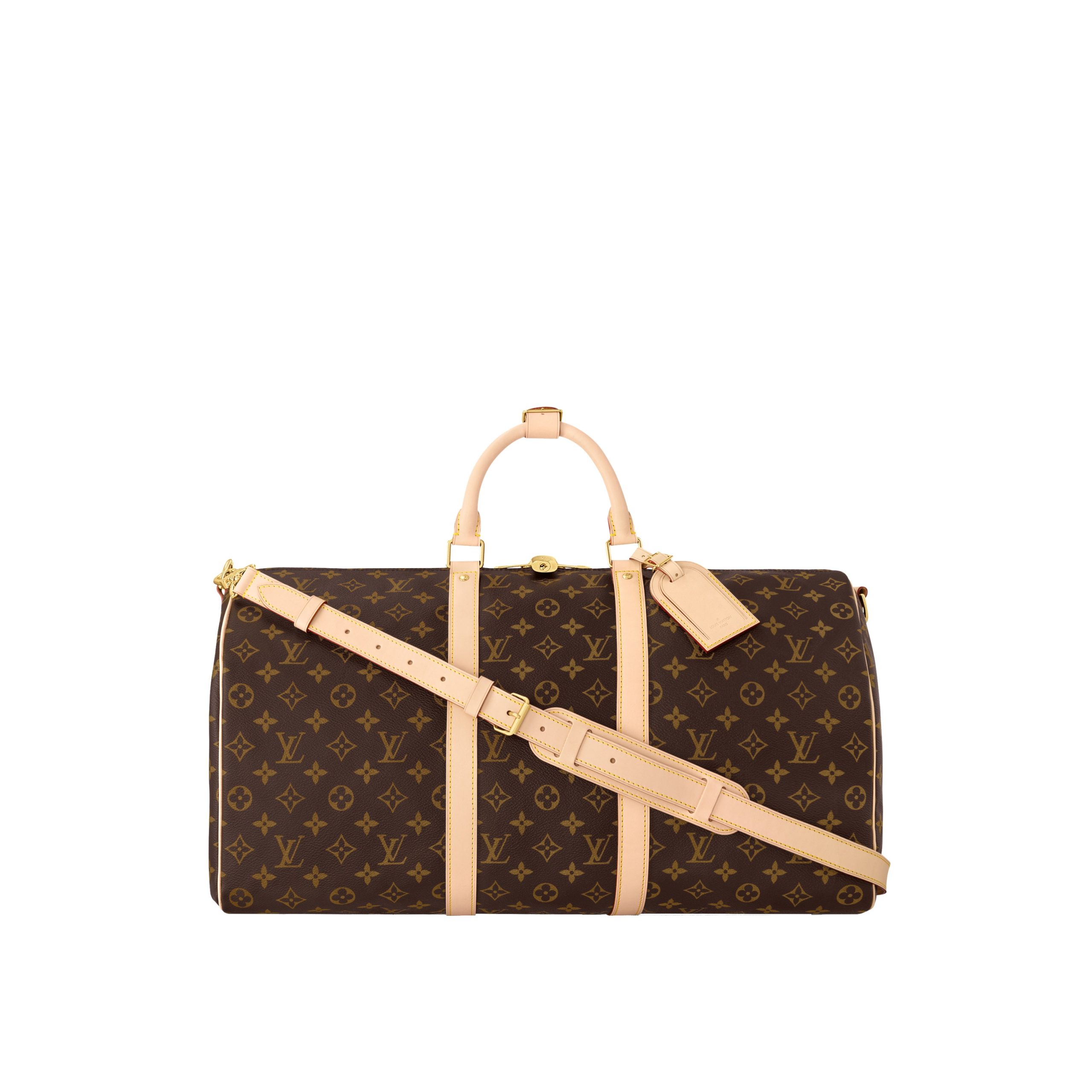
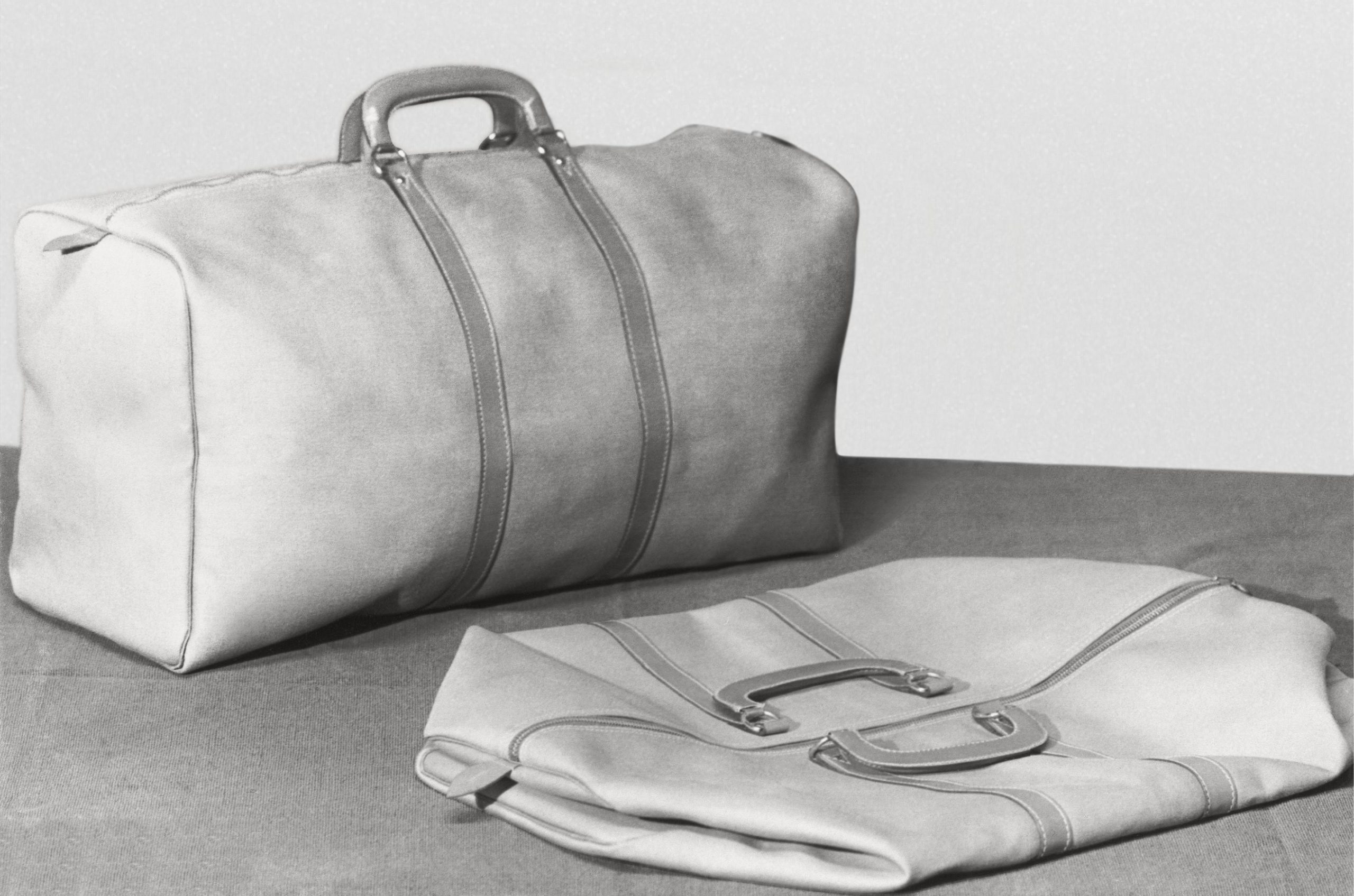
“In the 1950s and 1960s, with the advent of aviation, hand luggage and suitcases appeared, as trunks were much more difficult to take on board,” says Chaumette. The French fashion house innovated once again and developed another coated canvas, the famous Monogram canvas we know today. More flexible and resistant, it does not crack like the previous fabric when used to make the Speedy or Keepall bags, both created in the 1930s. “The logo began to appear despite the codes of the time, which dictated that the signature of what one was carrying should be hidden. However, it remained for a long time the preserve of Louis Vuitton and luggage makers,” adds Chaumette.
Popularised by actresses such as Audrey Hepburn and Catherine Deneuve in the 1960s and 1970s, the Monogram became a staple among the world’s rich and powerful, and the brand conquered new markets, such as Japan. “Today, it is one of those brand symbols that can be distorted, stretched, expanded, destroyed… LV, this signature, this name, is so strong that it no longer constrains the brand to be consistent,” notes semiotics expert, Professor Luca Marchetti of Sorbonne Nouvelle University in Paris.
So how did the Monogram manage to transcend the world of travel to become a worldwide cultural icon? “It’s a logo that has a function, an origin, but it also has great decorative value. These two letters have become a sign, a graphic architecture that lends itself very well to the play of all-over patterns,” explains Marchetti. “The LV logo is so identifiable today that almost no one says Louis Vuitton anymore, they say LV.”
At the end of the 1990s, the Maison’s late CEO Yves Carcelle saw art as a new opportunity. To mark its centenary celebrations, the fashion House invited designers and artists, including Vivienne Westwood and Azzedine Alaïa, to revisit the Monogram. Then in 1997, Marc Jacobs, a 34-year-old New Yorker steeped in counterculture and a keen art collector, became the artistic director of Louis Vuitton Men and Women’s collections. Jacobs furthered these artistic collaborations.
In 2001, the canvas became a medium for visual artist Stephen Sprouse, who superimposed his monochrome, hand-painted graffiti onto it. In 2003, Takashi Murakami was invited to play with it. The Japanese artist repainted the brown and beige Monogram in a myriad of shades. The New York Times wrote in 2008 that this collaboration generated sales of several hundred million dollars. Pierre-Louis Vuitton recalls, “It was a real technical challenge because there were 26 different colours, each of which required a single print run on the canvas. The slightest misalignment meant that the entire canvas had to be thrown away.”
Over time, other contemporary artists—Richard Prince in 2008, Yayoi Kusama in 2012 and 2023, and Jeff Koons in 2017, under Nicolas Ghesquière, Creative Director of the women’s collections (from 2013 to the present)—have amalgamated their vision with the aesthetics of the Monogram, further establishing these bags as something exceptional.
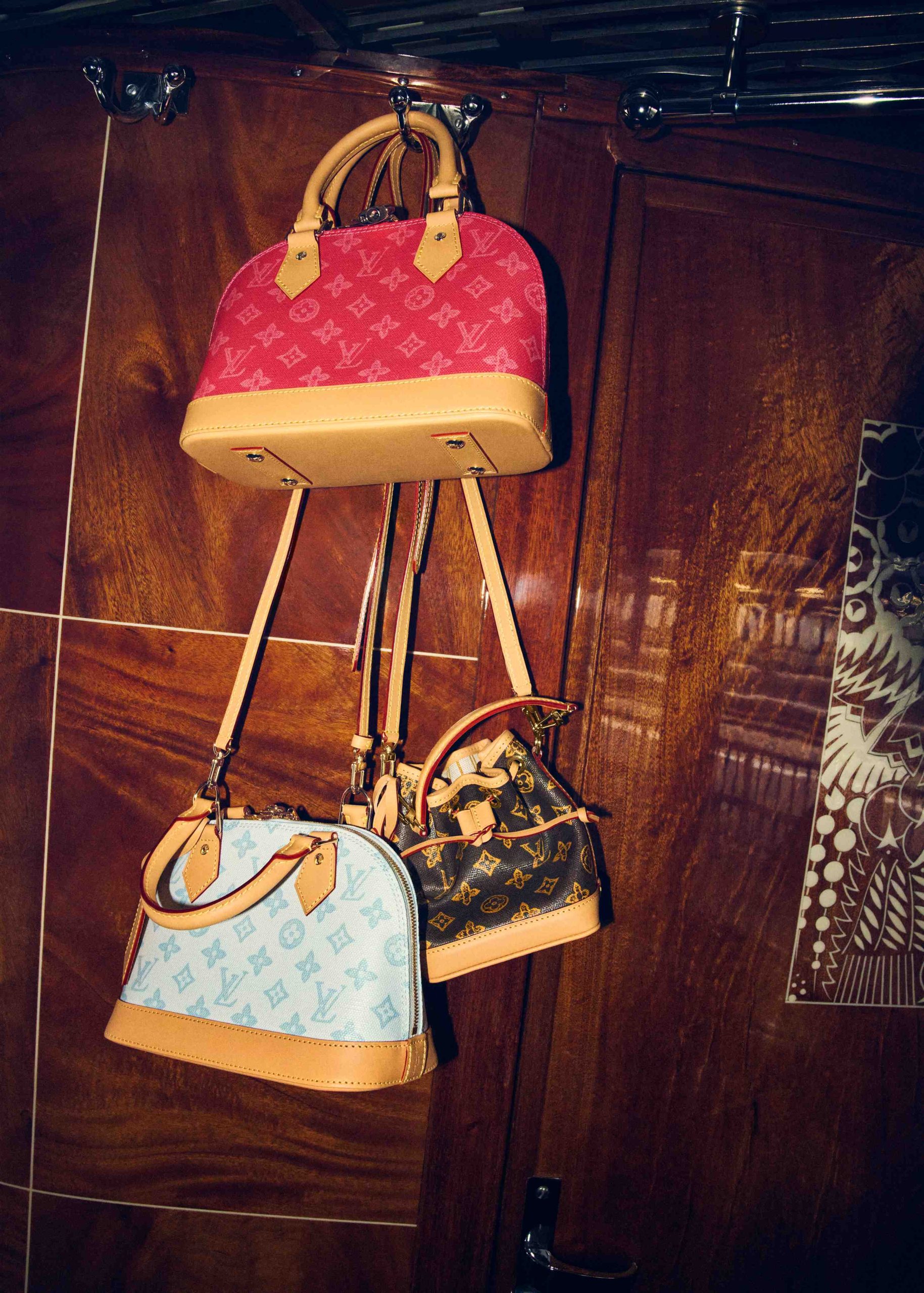
From January 2026, Louis Vuitton will celebrate 130 years of the Monogram with a series of activations planned throughout the year, new collections, and dedicated window displays, starting with a tribute to its most iconic creations: the Speedy, the Keepall, the Noé, the Alma and the Neverfull. The House will unveil its new Monogram Anniversary collection through three limited-edition capsules, with unique pieces bearing an exclusive label.
The first, Monogram Origine, inspired by the cover of a client registry found in its archives, will revisit jacquard canvas in pastel shades. The second, VVN, will pay tribute to its leather goods heritage, emphasising the quality of its natural cowhide leather and its artisanal finish. Finally, the last capsule, Time Trunk, will play on artistic illusion, with trompe-l’oeil effects that reproduce the textures and metallic details of its historic trunks. A remarkable Monogram that, after having travelled alongside explorers and the bold and beautiful on carriage rides, ocean cruises, automobiles, planes, bicycles, or simply on foot, will continue to accompany us on our future adventures.