
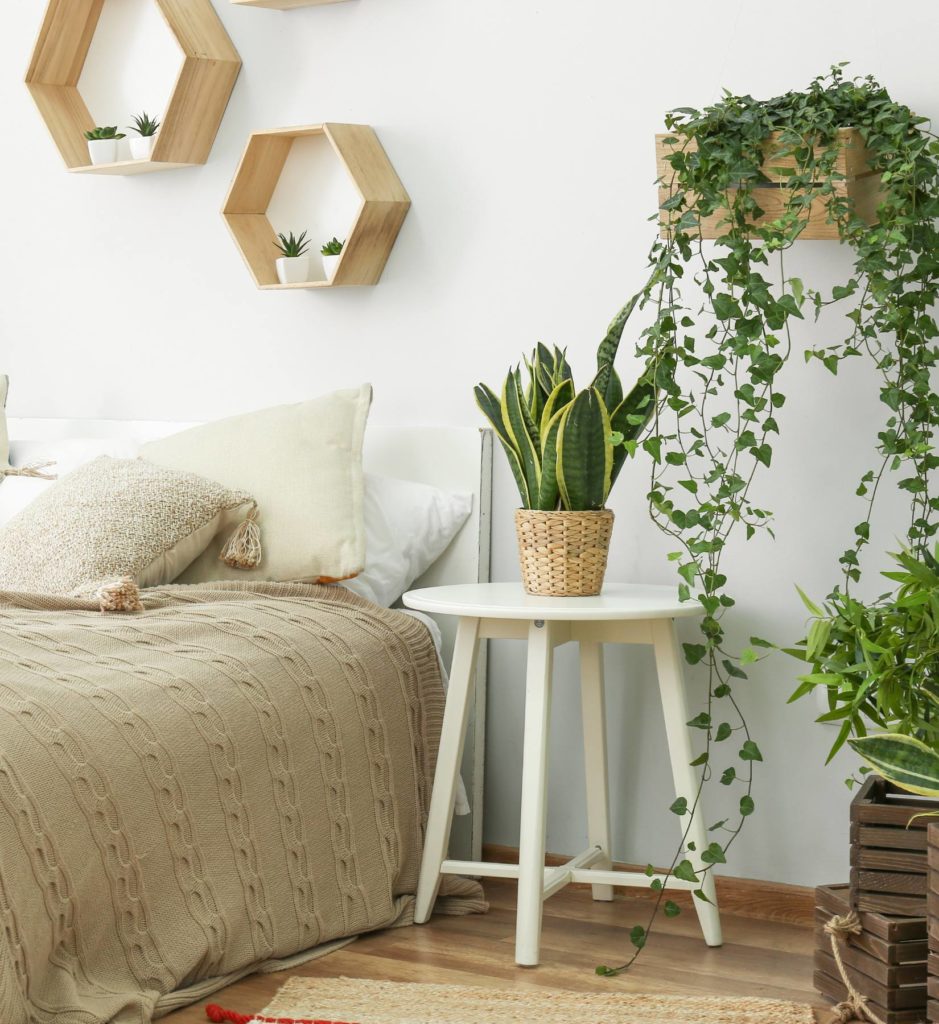
The restorative benefits we feel outdoors often fade in the very spaces where we spend most of our time. Whether you’re decorating a new home or simply refreshing your current one, introducing houseplants is an effortless way to reconnect with nature and uplift your surroundings. Beyond their obvious beauty, houseplants can enhance your wellbeing by boosting mood and reducing stress—and while they won’t be replacing your Dyson air purifier anytime soon, they do help filter certain indoor pollutants, adding a subtle but meaningful touch of freshness to your home.
Beyond their health benefits, greenery adds texture, colour, and vibrancy to any room. A bold, sculptural plant can become the focal point of your living area, while a small, trailing vine can bring quiet charm to a bathroom shelf. The right plant in the right spot has the power to transform a space.
Choosing the perfect houseplant, however, requires a little thought. Consider how much care each variety needs, the benefits it offers, and how it complements your interiors. If you’re just beginning your plant journey, here are some beautiful and functional options worth exploring.
Related article: 6 Ways To Transform Your Office Vibes Using The Art Of Feng Shui
Spider Plant
With slender, white and green (or sometimes yellow) striped leaves that arch backward in a graceful, fountain-like shape, the spider plant is a classic for a reason. Its cascading leaves are are especially striking in hanging planters that makes as much of an impact on tabletops as it does on shelves.
Low-maintenance and forgiving, the snake plant thrives in bright, indirect light and requires only occasional watering. According to a study by NASA, it’s also known to filter harmful compounds such as formaldehyde, xylene, and toluene—often found in everyday products like paints, adhesives, and even nail polish. That makes it a smart (and stylish) choice for newly refreshed spaces with a fresh coat of paint.
Related article: 7 Gilded Age Homes Where You Can Live Like The Astors
Snake Plant
Another low-maintenance favourite—and a perfect choice for beginners—is the snake plant. With its sturdy, sword-like leaves streaked in shades of green and yellow, it stands as a striking natural sculpture in any home. Resilient and adaptable, it thrives even in low-light conditions, making it an ideal addition to cosy corners or narrow entryways.
However, pet owners should keep this plant out of reach, ideally on a high shelf or stand, as it can be toxic to cats and dogs. Beyond its sculptural appeal, the snake plant also helps purify indoor air by filtering out common toxins such as formaldehyde, benzene, xylene, toluene, and nitrogen oxides, making it as functional as it is beautiful.
Related article: Cozy Up With The Best Gifts for Homebodies
Peace Lily
With its elegant white blooms and glossy green leaves, the peace lily adds a graceful touch of colour to any space. Low-maintenance and adaptable, it thrives in indirect sunlight and can withstand the occasional dry spell. Its sculptural flowers make it a striking focal point on a coffee table or console, brightening the room with ease.
The peace lily also earned its reputation as a natural air purifier thanks to a well-known NASA study, which found that certain plants could filter out pollutants like formaldehyde, benzene, trichloroethylene, xylene, and ammonia. While later research suggests that houseplants play only a modest role in improving air quality compared to proper ventilation, their presence still contributes to a healthier, more calming atmosphere at home.
Aloe Vera
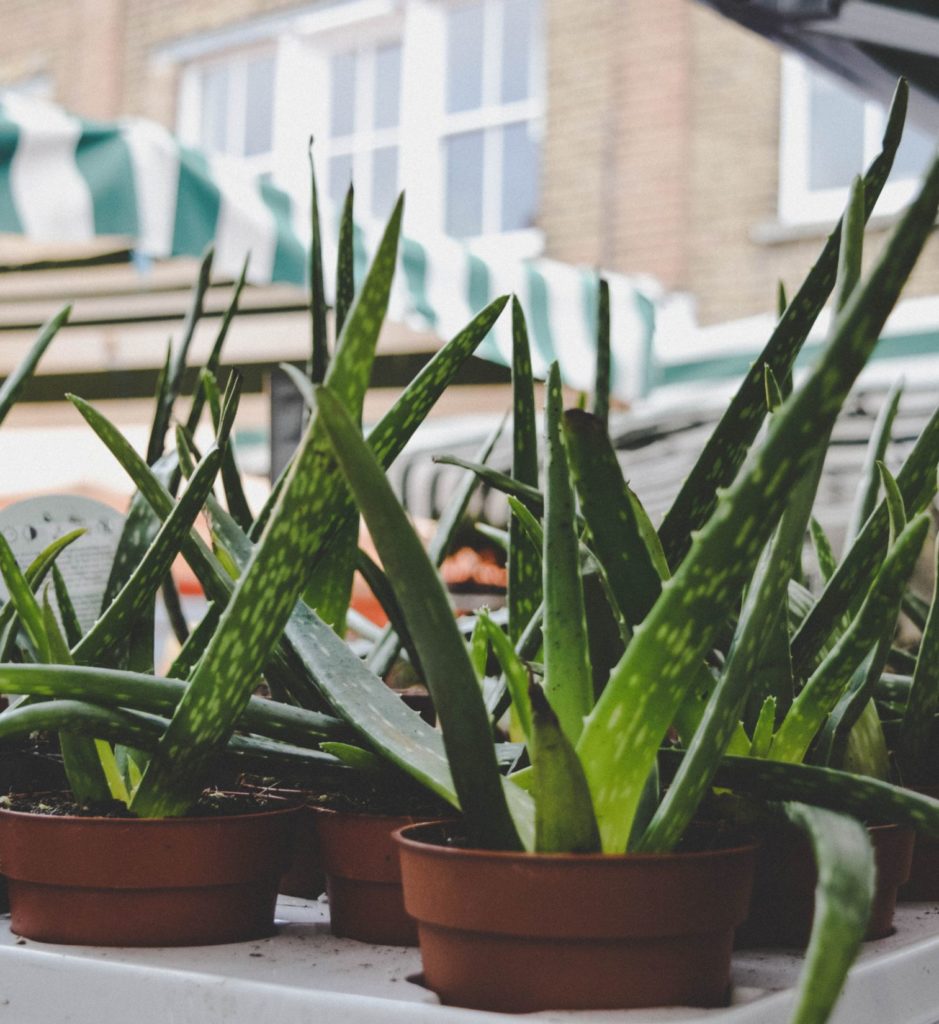
Aloe vera is a versatile plant known for its medicinal properties. This succulent, with its fleshy leaves and jagged edges, is popularly placed in individual pots around the house. From sunny windowsills and shelves to bathroom countertops, aloe vera brings a fresh, natural touch to any room. Besides needing minimal water and tolerating indirect light, it also comes in handy for the soothing gel found in its leaves—just cut off a leaf and scoop out the gel for minor burns and cuts.
Another reason to love this plant: It actively absorbs carbon dioxide and releases oxygen at night, making it perfect for indoors. It’s also known to help remove formaldehyde and benzene indoors. With its blend of practical benefits and clean, sculptural appeal, aloe vera is a must-have for any home.
Boston Fern
The Boston fern is the perfect houseplant for Singapore’s warm and humid climate. This plant thrives in such conditions (unlike us in this weather!) and doesn’t require much water. The weeping nature of its lush, feathery green fronds makes it ideal for hanging planters or trailing from shelves. Short on surface space? Hang it in corners or mount it on walls, letting its vibrant greenery cascade beautifully over the sides. Beyond its sculptural appeal, the plant’s ability to remove formaldehyde and xylene from the indoor environment adds to its charm.
English Ivy
English ivy is an evergreen climbing vine that makes a beautiful hanging accent for any home. It comes in varying shades of green and leaf shapes, making it easy to complement your interior style. Drape it in a hanging planter near a window, let it spill over bookshelves, or use it to create a living wall that adds a fresh pop of greenery to your space.
While it isn’t particularly sensitive to temperature, English ivy thrives in typical room conditions with moderate light and consistently moist soil. Other than the occasional pruning to keep its vines tidy, maintenance is fairly easy. As a bonus, it also helps purify the air.
Gerbera Daisy
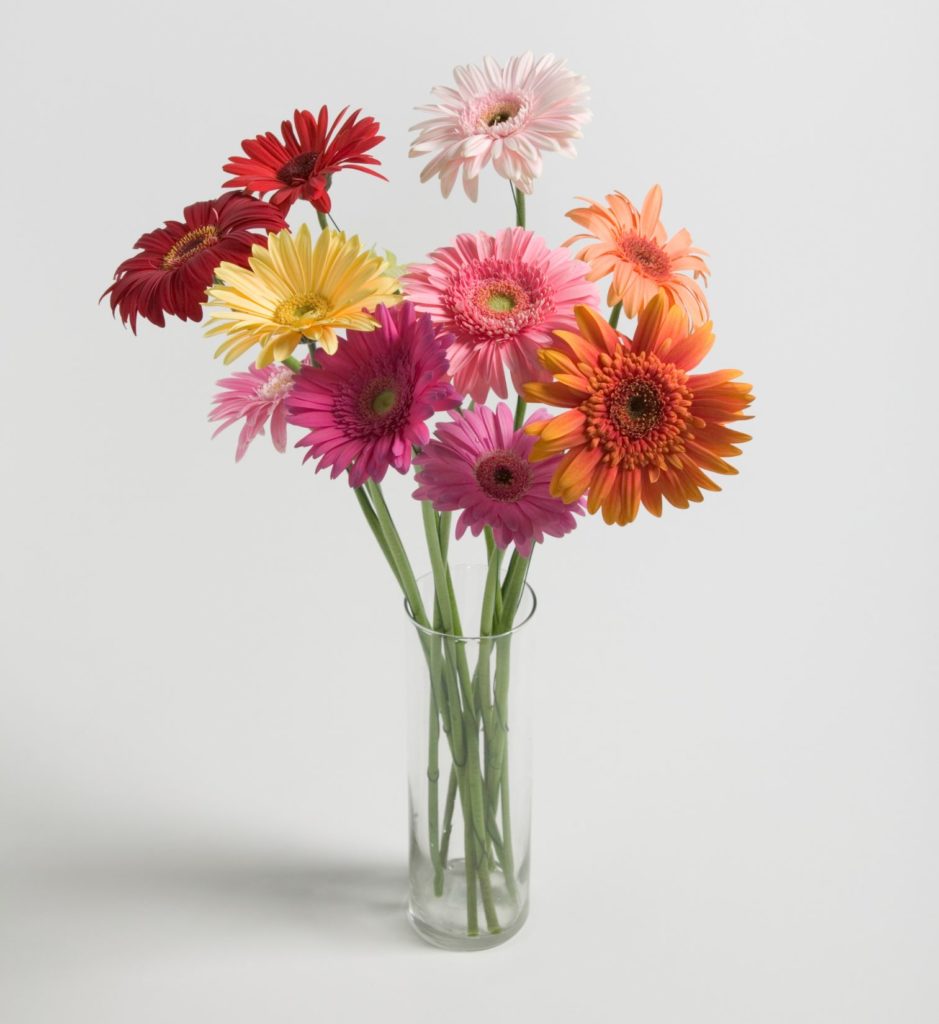
Looking to add a pop of vibrant colour to your indoor greenery? Gerbera daisies come in shades of red, orange, coral, pink, and yellow, making them perfect for brightening coffee tables, dining areas, or sunny windowsills in decorative vases. Their large, showy blooms make them natural focal points, especially in spaces with bright, indirect light.
While they love sunshine, they also appreciate afternoon shade and do best away from heat-reflecting surfaces like stone walls and concrete foundations. These flowers also help remove benzene and trichloroethylene from the air. To extend their blooming period, prune the flower stems down to where they emerge from the leaves to encourage fresh growth.
Bamboo Palm
The bamboo palm gets its name from its long, thin stems that resemble bamboo and its green, feathery fronds, which can typically grow 90–150 cm long. With its lush, tropical appearance, it brings a calming, natural feel indoors. Caring for it is simple: it thrives in moist, well-drained soil and can tolerate anything from semi-shade to bright, indirect light. Placing it in a corner of your living room near a window with sheer curtains helps brighten the space while providing the light it needs. The bamboo palm’s ability to absorb formaldehyde, benzene, trichloroethylene, and xylene is just one more reason to welcome this houseplant into your home.
Rubber Plant
The rubber plant’s waxy leaves and low-maintenance nature make it a popular choice for indoor greenery. While the most common variety has dark green leaves, other varieties display variegation in shades of dark burgundy, pink, and cream. Its sturdy frame, which can grow up to 300 cm, adds character to corners of bedrooms and living rooms, complementing armchairs or couches. Smaller rubber plants, meanwhile, bring a refreshing touch to workspaces, windowsills, and countertops. Beyond its aesthetic appeal, the rubber plant also helps purify indoor air by removing formaldehyde. To thrive, all it needs is moist soil and six to eight hours of bright, indirect light each day.
Golden Pothos
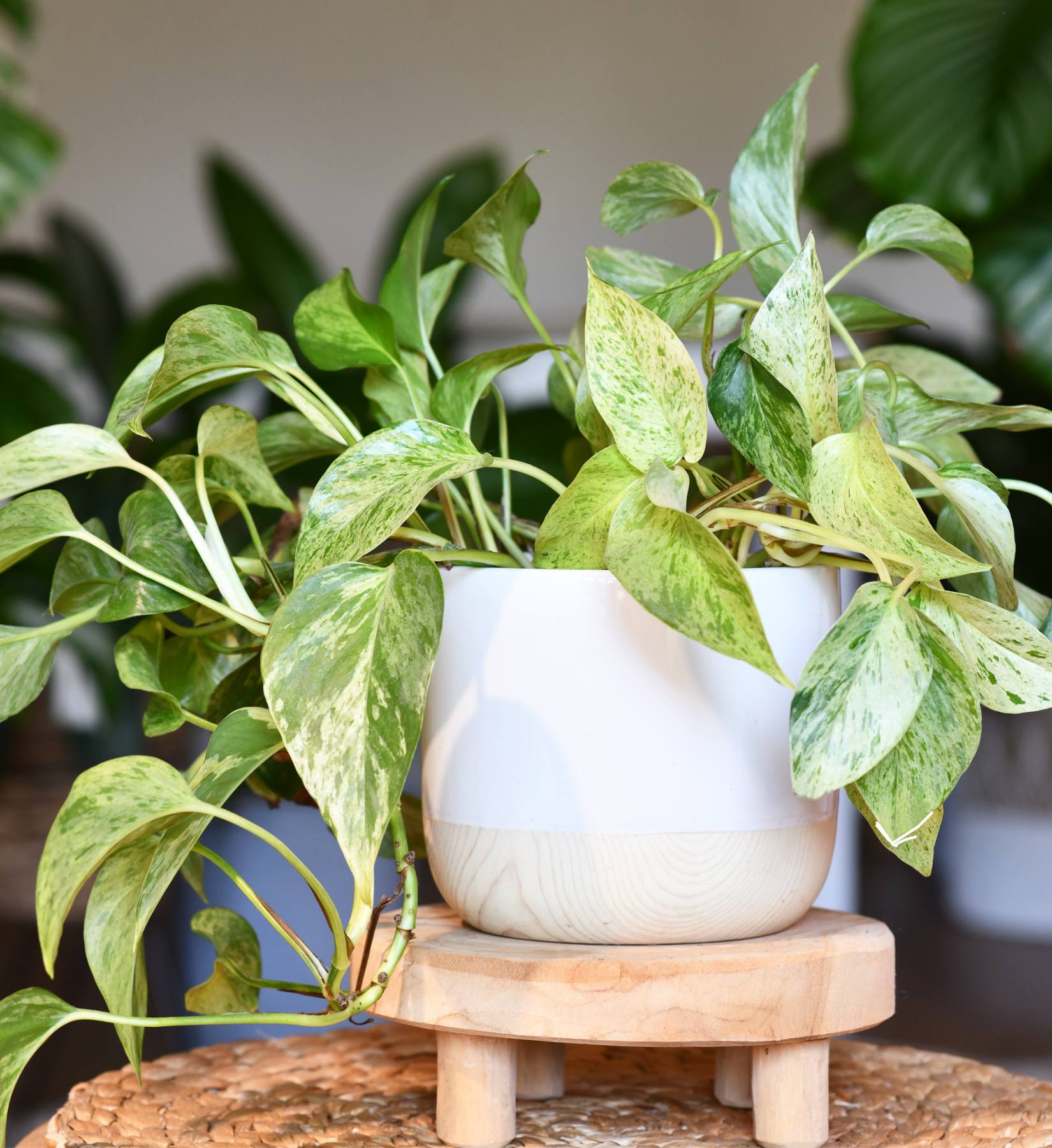
Popular for its heart-shaped green leaves streaked or splashed with golden yellow, the golden pothos is a highly adaptable plant that can refresh empty spaces in many ways. Ideal for hanging planters or draping over bookshelves, its trailing vines add a lush, cascading effect, and it can also climb walls or trellises to create a vibrant green backdrop. Low-maintenance and resilient, it thrives in medium light and prefers soil that dries out between waterings. Its ability to regulate humidity and remove indoor pollutants is part of what makes it a beloved houseplant.
Philodendrons
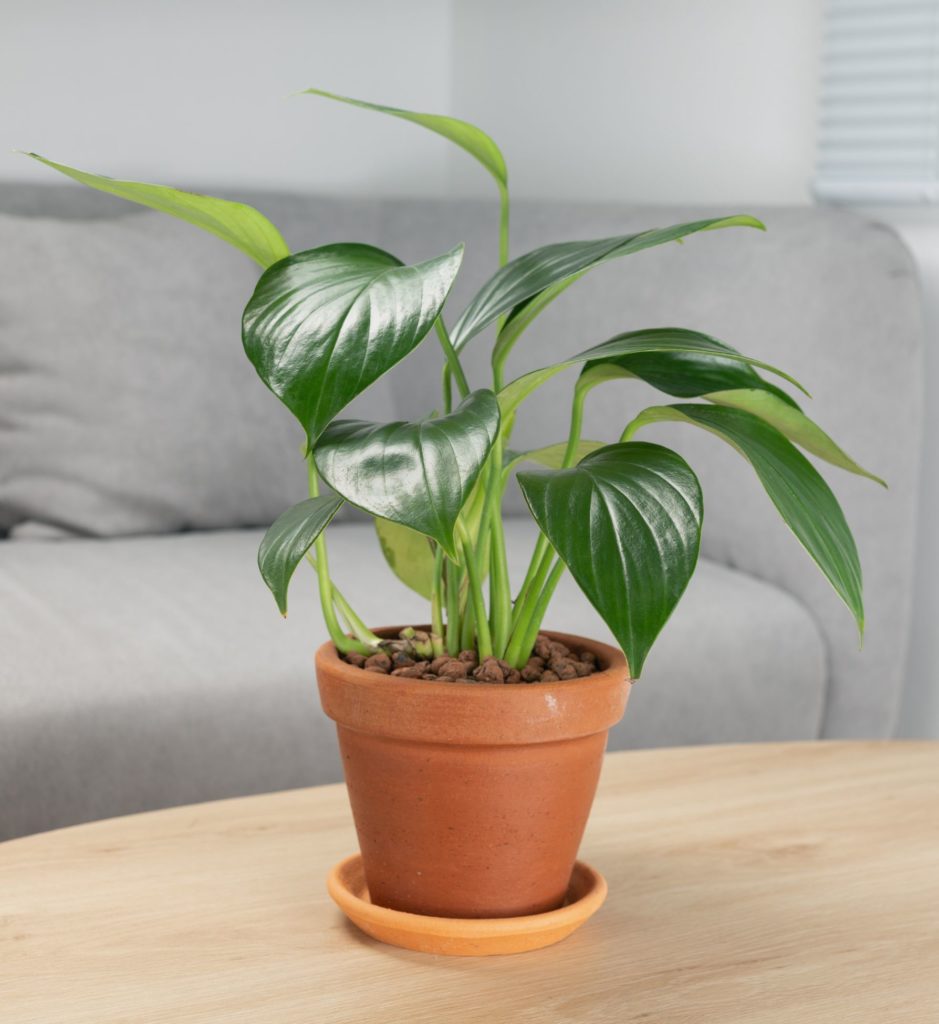
Philodendrons make a striking addition to any interior, with varieties that complement both contemporary and traditional styles. There are two main types, vining and non-climbing, with foliage ranging from jade green and lemon-lime heart-shaped leaves to silvery, sword-shaped ones. With so many options, the decorating possibilities are endless. While watering needs vary by species, philodendrons do best near a window where they can receive bright, indirect light. Beyond their aesthetic appeal, these plants also help remove formaldehyde from the air, making them both beautiful and functional additions to your home.
Weeping Fig
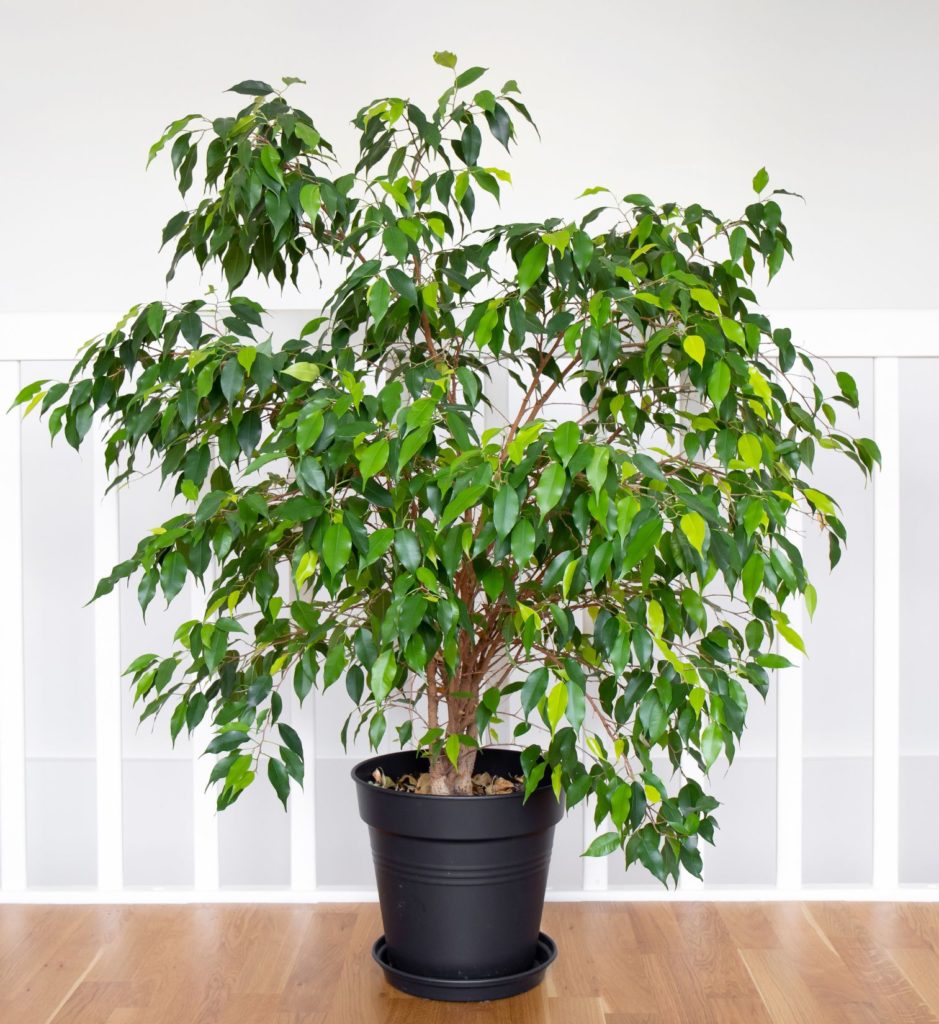
The weeping fig is known for making a statement with its shiny, green, violin-shaped leaves that droop gracefully from its branches. This versatile plant can be placed on a plant stand or simply on the floor to enhance any room. It thrives in bright, indirect light and well-draining soil, making it relatively easy to care for. As an added bonus, the weeping fig helps purify indoor air by filtering out unwanted organic compounds commonly found in products like nail polish, glue, and stain removers.
Chinese Evergreen
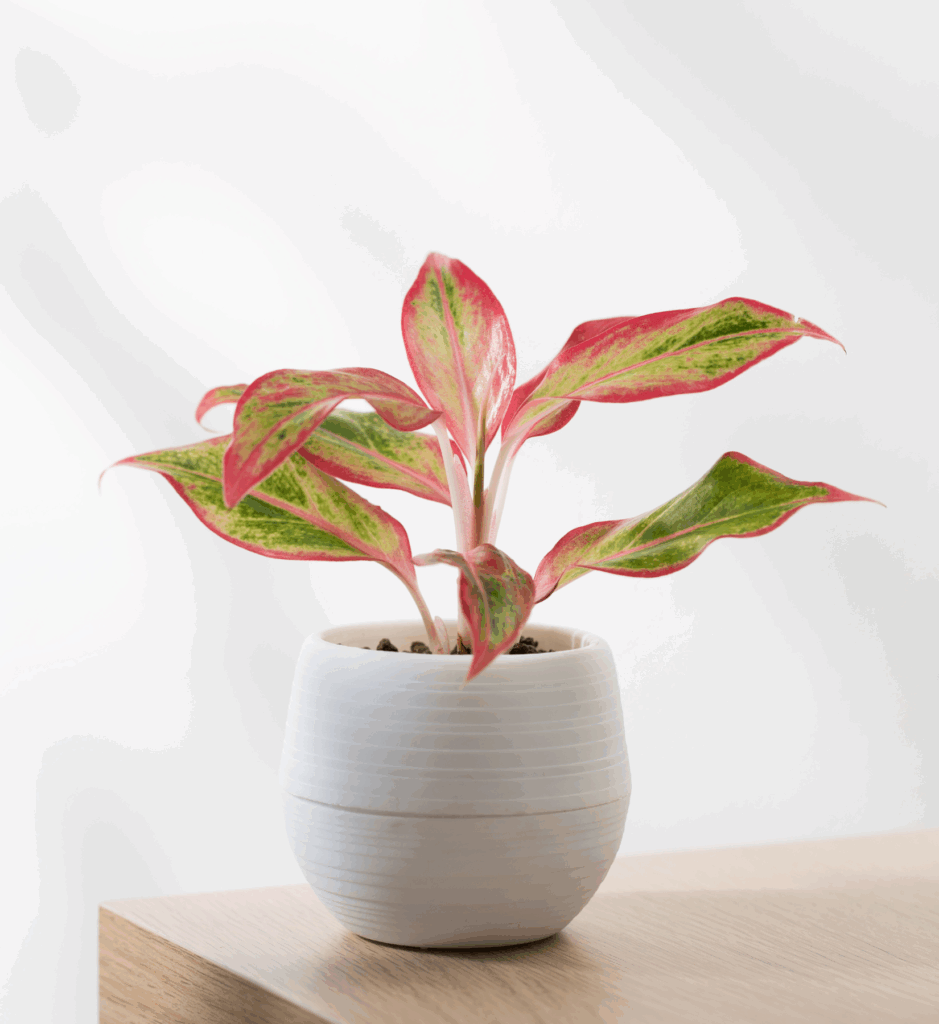
The Chinese evergreen brings both structure and style to any space, thanks to its bold foliage and colourful variegation. Its richly patterned leaves range from pale crimson splashes to curved cream stripes and silver streaks, making it an effortless way to elevate any interior.
Smaller varieties make beautiful accents on sideboards and tabletops, while larger ones create striking floor plants when placed in decorative pots. Relatively easy to care for, this plant prefers moist soil but should be allowed to dry out between waterings. Varieties with darker green leaves thrive in dim spots like hallways or cozy corners, while lighter ones do best in bright, indirect light near windows. Beyond its visual appeal, the Chinese evergreen also helps improve indoor air quality by filtering out formaldehyde and benzene.