

When you’re 25, it’s easy to feel invincible. Sure, you might deal with the occasional strep throat or period that shows up fashionably late, but unless something really hurts, you probably don’t see a doctor about it. The problem is that “feeling fine” does not necessarily translate to good health. And, according to the team at Prologue, your best shot at staying well long-term starts now, by establishing healthy lifestyle habits and routines.
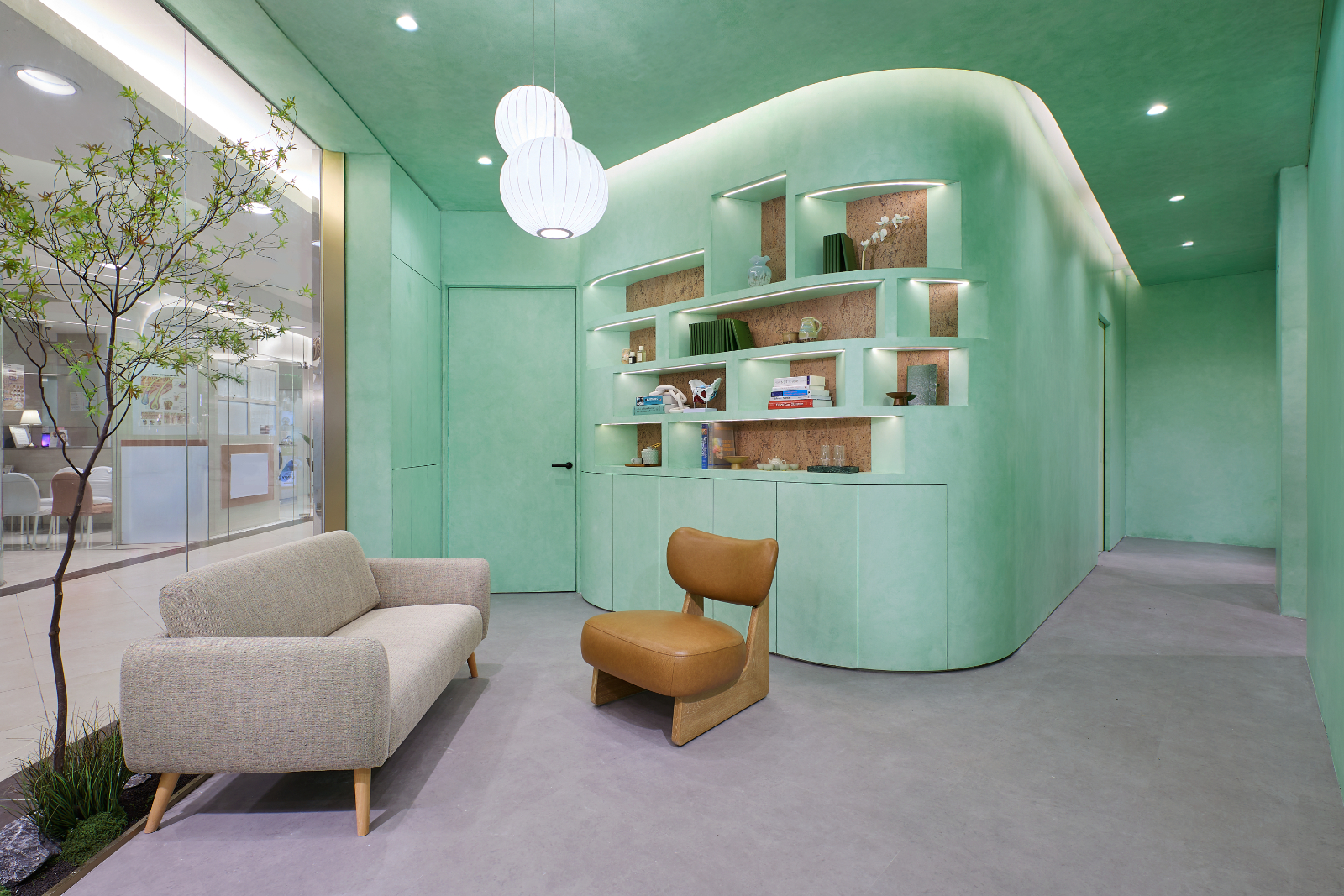
Prologue is a new kind of women’s wellness destination: A clinic where conventional medical care such as health screening, vaccinations and hormone therapy sit alongside curated lifestyle medicine programmes that address sleep disorders, stress, skin issues and weight management.
Related article: Here’s Why Women Should Go for Regular Health Screenings
Related article: Founding Director of the Global Centre for Asian Women’s Health Shares Why More Should Be Invested In Women’s Health
The centre has two arms: Prologue The Lifestyle Medical Clinic and Prologue Centre for Women’s Wellness. Together, they offer an integrative and preventive approach to healthcare that focuses on six pillars of longevity: Nutrition, movement, sleep, stress management, social connection and avoiding harmful substances. It’s a philosophy shaped by the world’s Blue Zones—geographic regions where people live exceptionally long lives—adapted for modern women.
Helmed by general practitioners, Dr Odelia Koh and Dr Sue Ho, Prologue feels more spa than clinic, but its approach is solidly underpinned by evidence-based medicine, and goes far beyond a typical GP consult. Ahead, Dr Koh shares what younger women need to know now to future-proof their health later.
Related article: 9 Must-Have Wellness Gadgets For A Healthier Happier You
What essential health screenings should young women do?
Your 20s is the best time to start your health journey. Focus on prevention, early detection and building healthy habits that support long-term well-being. Consider screening for high blood pressure, diabetes or cholesterol from the age of 18, especially if you are at a higher risk. Cervical cancer screening should start from 25 years of age if you are sexually active.
Health weight screening that includes assessing body mass index, waist circumference or a more detailed body composition analysis will all help you understand your body better. At Prologue, we provide a safe space for open conversations and self-discovery, with health coaches and wellness programmes designed to support you through every life stage, over weeks, months, and beyond.
What are some red flags that require medical intervention?
General health symptoms like unexplained weight loss or gain, fatigue that does not improve with rest, and menstrual health issues like irregular or painful periods. Two key areas often not talked about are frequent urinary tract infections (UTI) or abnormal vagina discharge. The former is defined as three or more UTIs in a year or two or more in six months. The latter is usually indicated by change in volume, colour or odour, or associated symptoms of itching, pain and spotting.
Do signs such as acne, fatigue or hair loss point to severe health issues?
We’ve all experienced acne, fatigue and hair loss to varying degrees and at different stages in life. Some indications that may require further assessment are if your symptoms do not improve with regular intervention like over-the-counter topicals for acne or supplements for sleep. If symptoms are severe, such as hair loss that exceeds 100 strands per day, or if they affect your mental well-being and quality of life, such as severe acne with nodules, cysts and scarring, you should consult a medical professional. There are also associated symptoms to consider: Fatigue with heavy menses and giddiness may point to symptomatic anaemia; acne with irregular menses and excessive hair growth may allude to PCOS (Polycystic Ovary Syndrome); while hair loss with weight imbalances may be associated with thyroid issues.
What to you is the epitome of “peak wellness” for a 25-year-old woman today?
Wellness today is more holistic. It’s not just about being disease-free, but about physical, mental and emotional balance. Someone who is “well” eats whole foods, engages in regular physical activity, has good stress management, enjoys restorative sleep, does not use risky substances, and nurtures social connections.
What’s your wellness non-negotiable?
Taking a pause and journalling. Life is relentless, and as a working mum with two young kids, I’m always preoccupied with different things—from thinking about patients at work, to planning how to keep the kids entertained on weekends. So whenever possible, I carve out quiet moments just for myself, sit down with a cup of coffee, and journal my thoughts and reflections. I find that it is so important to reset, filter out the noise, and refocus on the important things.
What’s one thing you wish more young women would start doing?
Build healthy habits that support long-term well-being. These healthy habits are not just limited to diet and exercise, but also restorative sleep, stress management and positive social connection—the key pillars of lifestyle medicine. It is important to start now because lifestyle changes do not happen overnight; you will need time to form new habits.
*This interview has been edited and condensed for clarity.