
There is a restaurant in Copenhagen where reservations run two years deep. Zach Du Chao booked the whole room for an afternoon—not to celebrate anything, but to show someone what excellence in a kitchen actually looks like. The restaurant is Noma, and Du Chao didn’t do it as a flex. Instead, he did it as a way to change a mindset; not merely through persuasion, but by putting people in the right environment to see something for themselves. It is a philosophy he has distilled simply: "Success isn't about putting yourself at the centre of every opportunity. It's about bringing the right people together, in the right place, at the right time, so they can see possibilities they never imagined."
At 37, Beijing-born and Singapore-connected, he has co-founded impact investment firm Felicity Ventures. He serves as a Global Philanthropy Mentor at NYU Shanghai and holds the honorary title of Champion for Children with UNICEF China, a designation he has maintained since 2020.
Related article: Why Zhang Linghe Is One of China’s Most Influential Actors Today
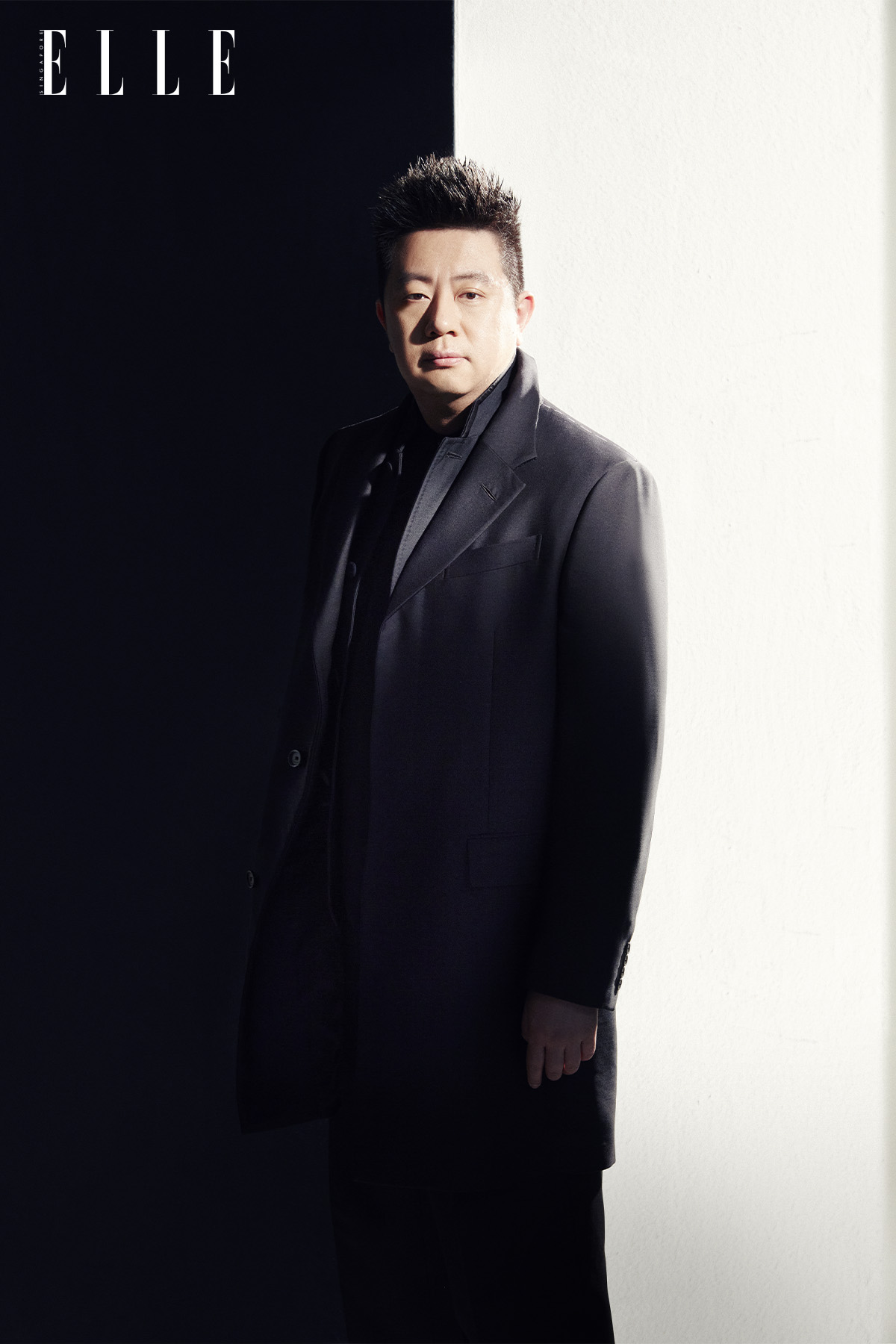
On paper, he is the kind of person who operates far from ordinary life. Then Covid hit, and when the World Health Organisation’s Solidarity Response Fund launched, his name appeared on the donor list alongside Google and Facebook. He was the only individual among institutions.
To understand who Zach Du Chao is, it would help to look at how his day is scheduled. Every morning in Beijing, he has the same routine. Reading the news from bed before having breakfast—and always the same things for the meal: Vegetables, yoghurt, green tea, watermelon juice. Lunch is for meetings, while dinner, for business. Breakfast, however, is solely his. Between scanning the headlines and catching up on the latest news, it is the one hour of the day that belongs to him entirely.
It’s no surprise then that a man with such steadfast routines, and business dealings around the world, would invest in the one wardrobe item that would carry him through it all: Shoes. He owns twenty pairs of the same design, Zegna Triple Stitch, in different colours. As much as the sneaker’s design appealed to him, it was what they stood for that made him a bona fide fan. The brand's Oasi Zegna project protects and restores a 100-square-kilometre nature reserve in the Biellese Alps of Piedmont, Northern Italy. Every step that Du Chao takes in those shoes supports the brand’s long-standing commitment to give back to nature.
Getting dressed, for Du Chao, has never been purely about appearance. Two years ago, before a meeting in London with a senior Richemont Group executive to discuss sustainability, he arrived at Dunhill two hours early and got a haircut from the in-house barbershop. It wasn’t because of vanity. Showing respect before the meeting starts, before a word is spoken, is his form of persuasion. The outcome, as he puts it, was a “win-win”. And with that, he unwittingly proved the wisdom of Iris Apfel’s words, “if your hair is done properly and you're wearing good shoes, you can get away with anything.”
Related article: Song Weilong: One Of The Hottest Leading Men Taking Over The C-drama Scene
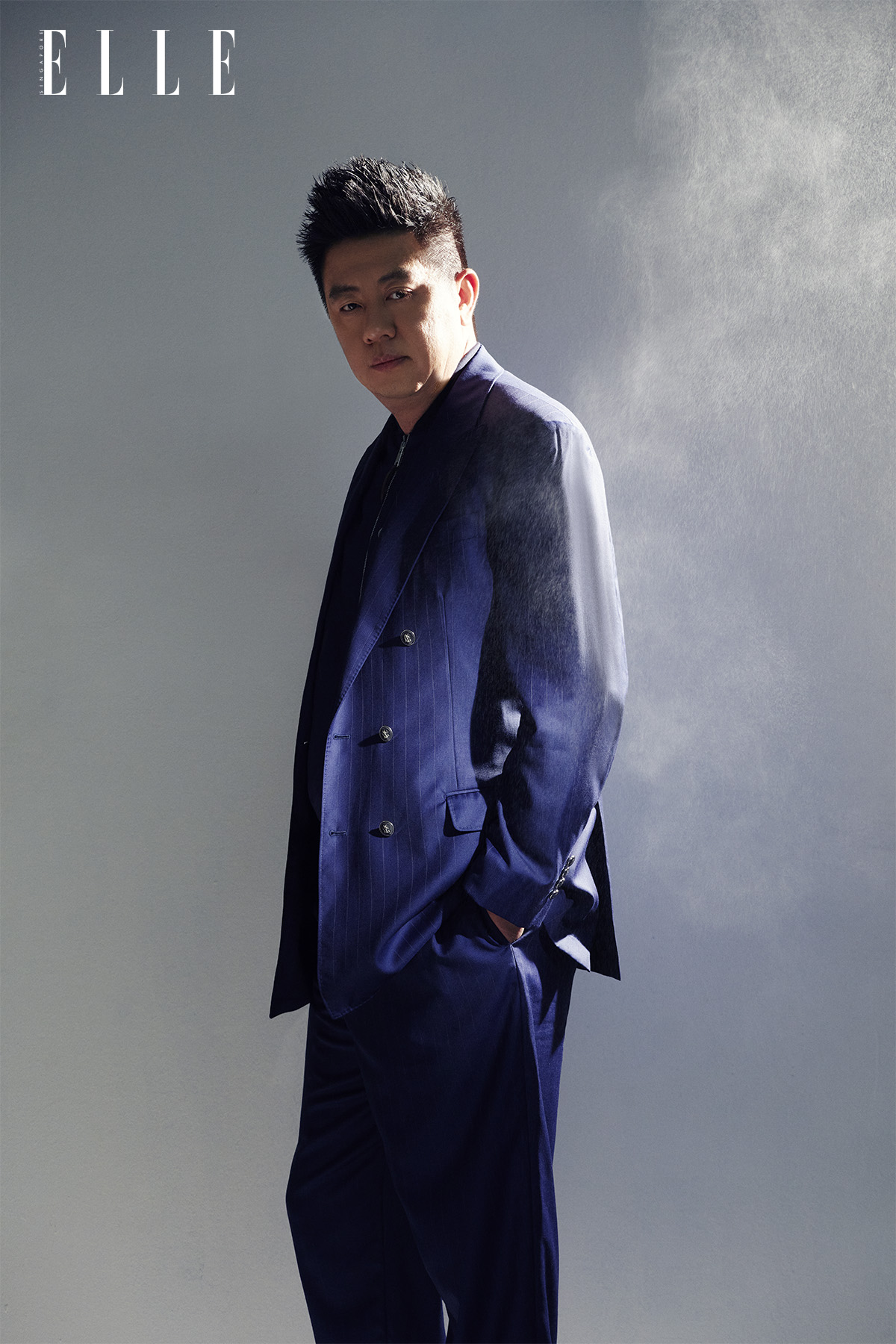
The Noma booking, the Zegna shoes, the two-hour early arrival. These are the choices of a man who understands that the environment you create can be key to winning the argument. Nowhere is this more apparent than in what happened at that restaurant in Copenhagen.
The son of a family friend dreamed of becoming a chef. His father had a different plan, one that went somewhere along the lines of Morgan Stanley, Goldman Sachs, and the safe, proven Asian finance path. Du Chao already knew he wanted to support the dream, but he also knew that words alone would not sway the mighty oak tree. So he arranged a trip to Copenhagen and booked the entire Noma for one afternoon, just for the three of them.
Before visiting Noma, he had never imagined a restaurant could command that kind of devotion. People waiting months, even years, for a single meal. Yet that was exactly what made it the perfect place to show a sceptical father that a career in food and beverage could hold the same level of admiration as one in finance.
Once the father understood the seriousness of craft at that level and the respect it commanded, he changed his mind. His son went to Le Cordon Bleu in London. The Beijing restaurant he later opened is now on the Michelin promotion list.
It is also what Felicity Ventures is all about. The impact fund he co-founded with Jung Kyu Kim and Christopher Yan doesn't back ideas. It backs companies that already work, already have customers, already have proof of concept, in cleantech, sustainable agriculture, and food innovation across Southeast Asia, Japan, and Korea. The logic is the same as the Noma reservation: Find the room where the right thing is already happening, and make sure it doesn't disappear. "In my heart, Felicity is bigger and more important than myself." The fund, like everything else Du Chao builds, is designed to outlast him.
Related article: Pangdemonium’s A Mirror Is A Reflection Of The World Around Us
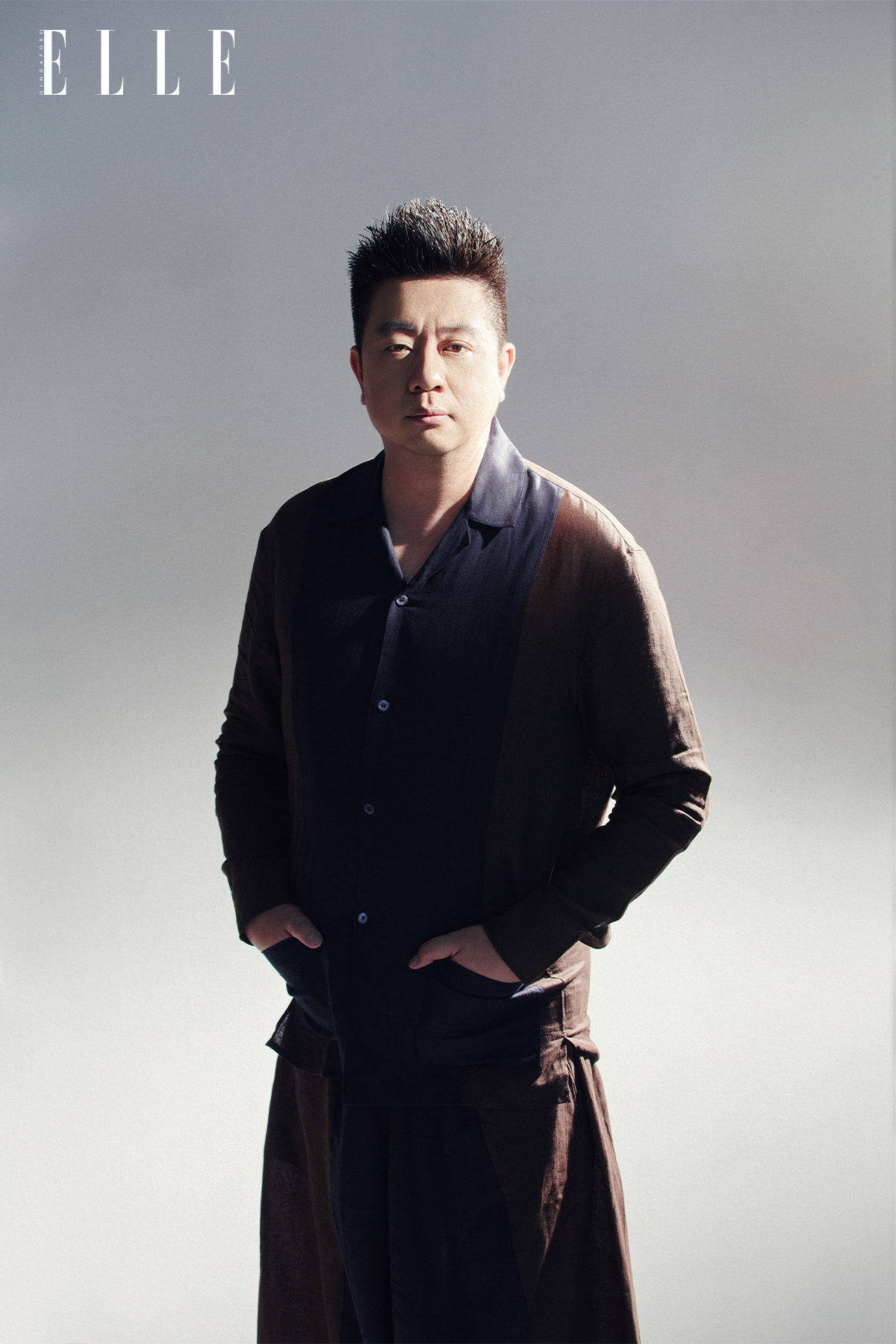
The most important decision of his life was made alone, against the people who loved him most. Accepted into a top Chinese university, he dropped the offer and flew to the United States, against his mother's wishes and without her blessing.
"You only have one life," he says by way of explanation. He says it quietly, the way you say something learned the hard way and at a cost. In China, he had always had what he calls an umbrella, his family's protection, his father's name, the infrastructure of a life arranged around him. As he says, as much as he needed it, he also needed to step out from under it. “I need support and the freedom to grow."
When asked about the Western institutions he has been part of over the years, he pauses. He’d rather speak about his work with the Forbidden City and his admiration for Chinese history; about what it means to walk through a place that holds five thousand years in its walls. "It's like history's living room," he says. It is a signal that the need to prove himself in Western rooms has given way to something closer to home.
When he is truly alone, he thinks about his father, "my real model for my personal life." Not the foundations, the fund, or the councils of museums and concert halls. Just the man whom Du Chao is still, quietly, trying to emulate.
It is a lifelong mission and one he is still working on for answers.
Hair DORENE LOW/Tress & Curvy using Balmain Hair Couture
Grooming GREGO using Shiseido