
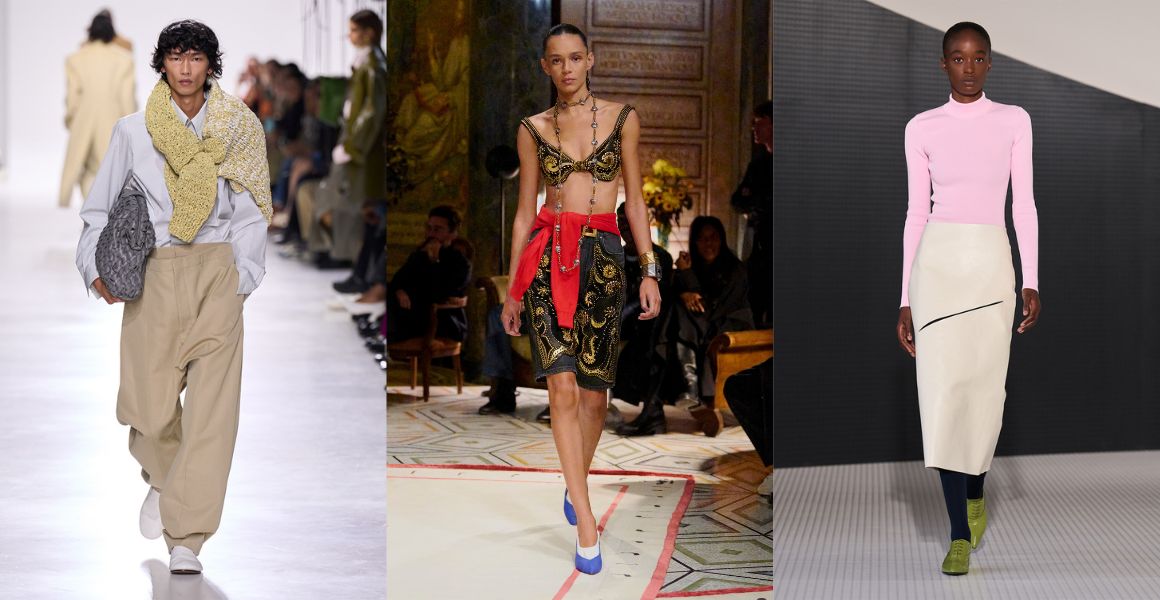
The spring/summer 2026 season is a pivotal one for fashion, with creative reshuffles at many of the biggest Houses. This sea change kicks off proper in Milan, with Demna arriving at Gucci, Louise Trotter taking the reins from Matthieu Blazy at Bottega Veneta, Dario Vitale succeeding Donatella Versace, and Simone Bellotti’s appointment at Jil Sander. While their aesthetics sharply differ, what they have in common are their cohesive visions and a laser-focus approach on letting the clothes do the talking. In years past, designers might have responded to a buzzy moment like this with some sort of spectacle around the show or in the front row, but this time, the most interesting ideas are on the runway—or in Demna’s case, the screen.
GUCCI
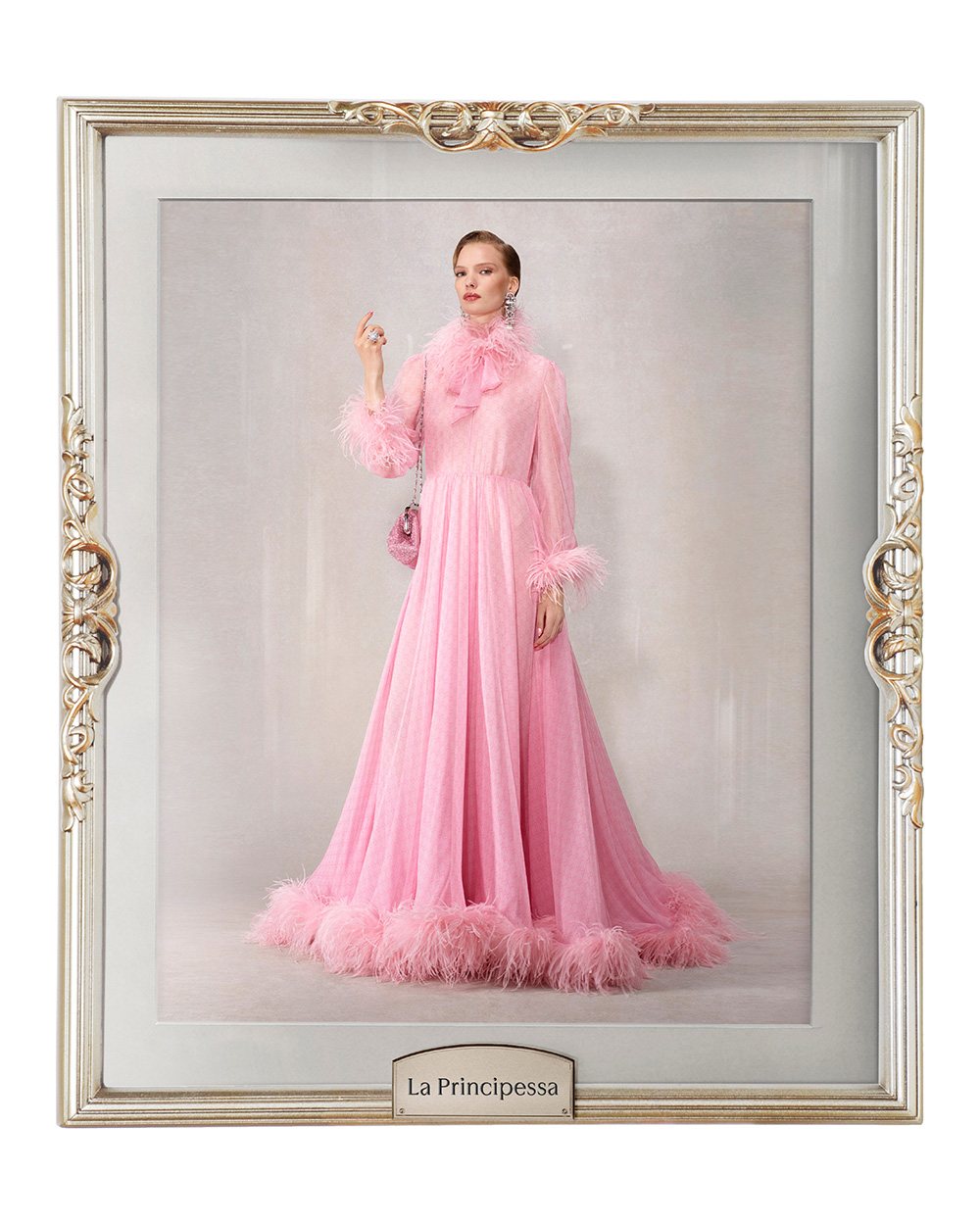
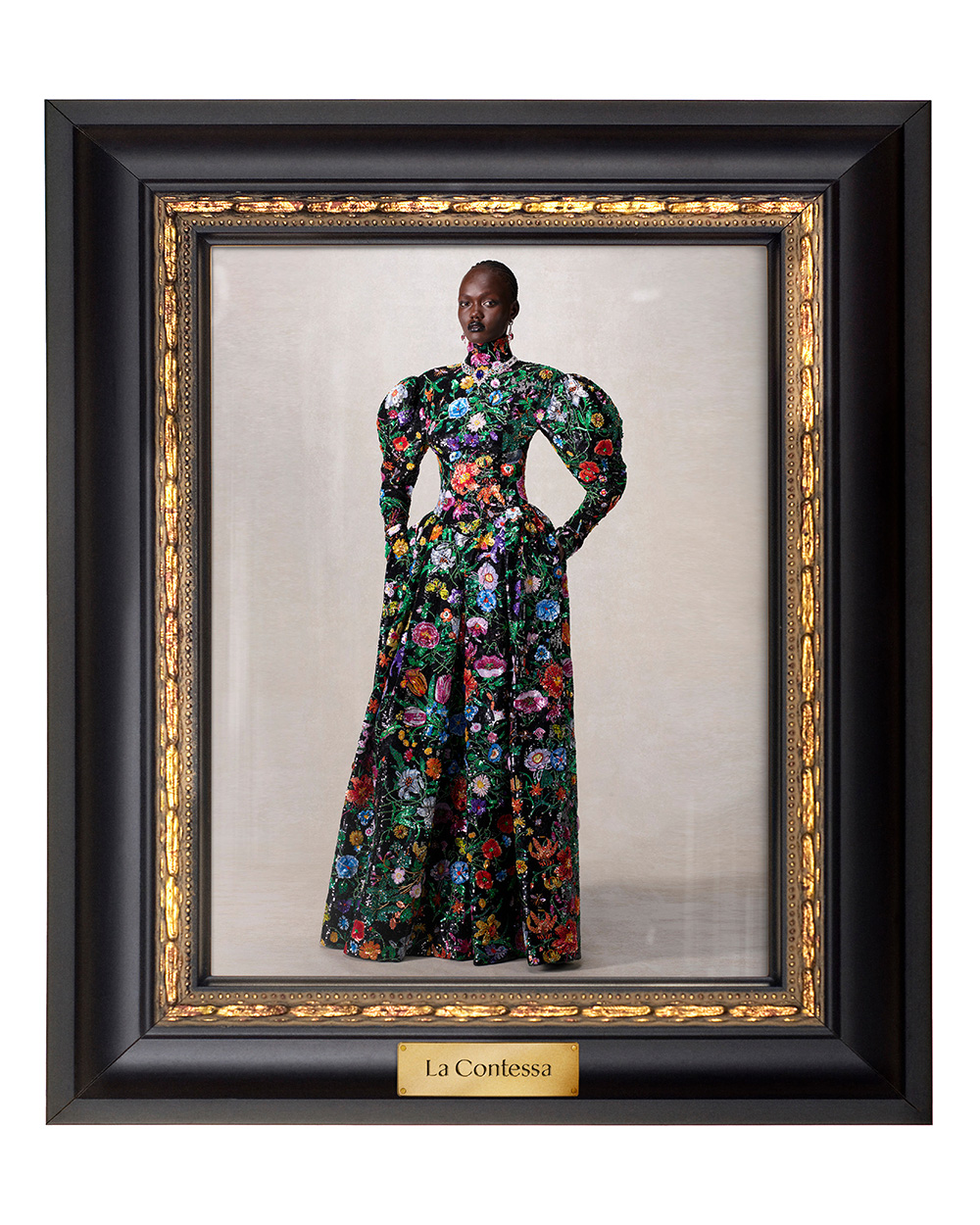
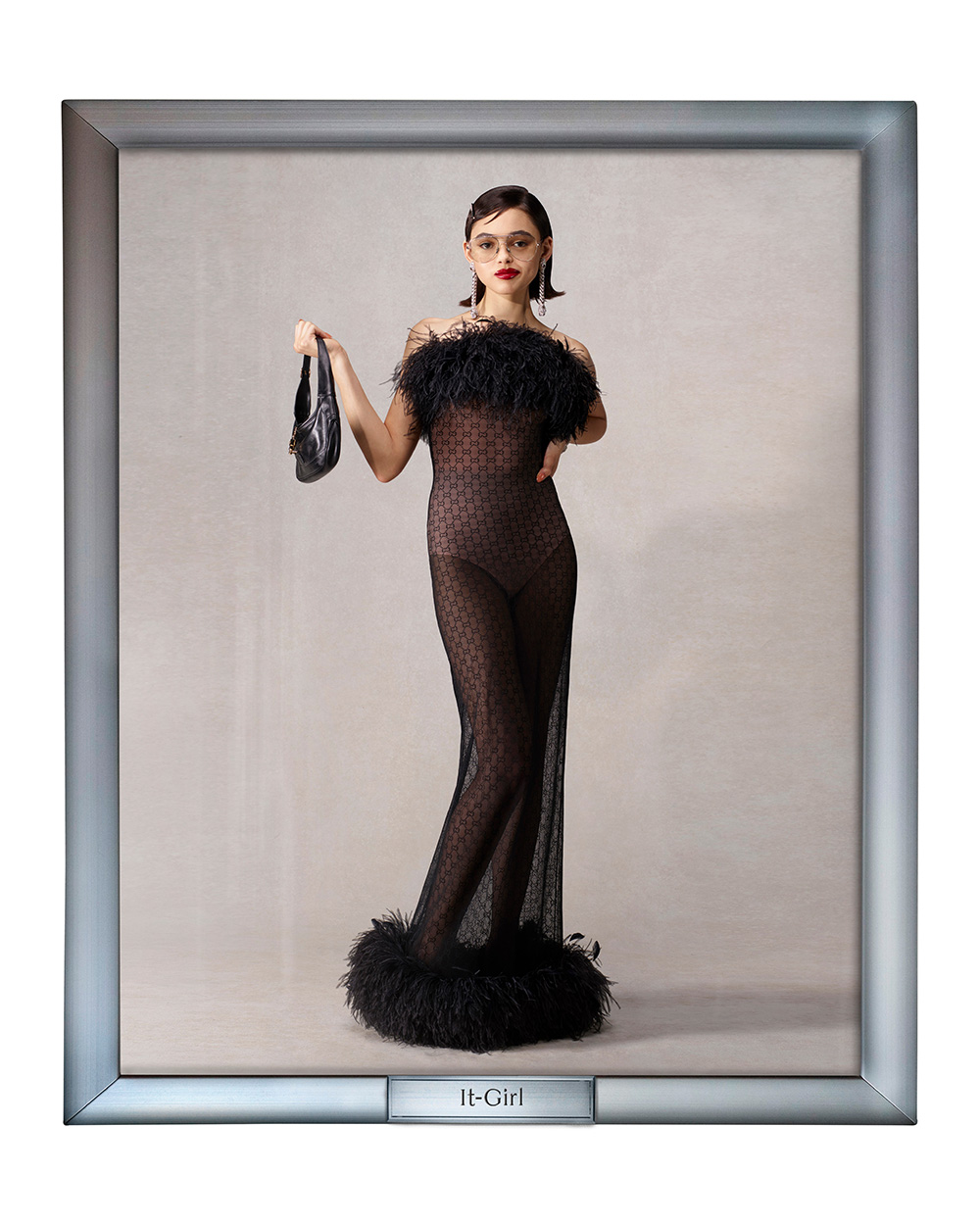
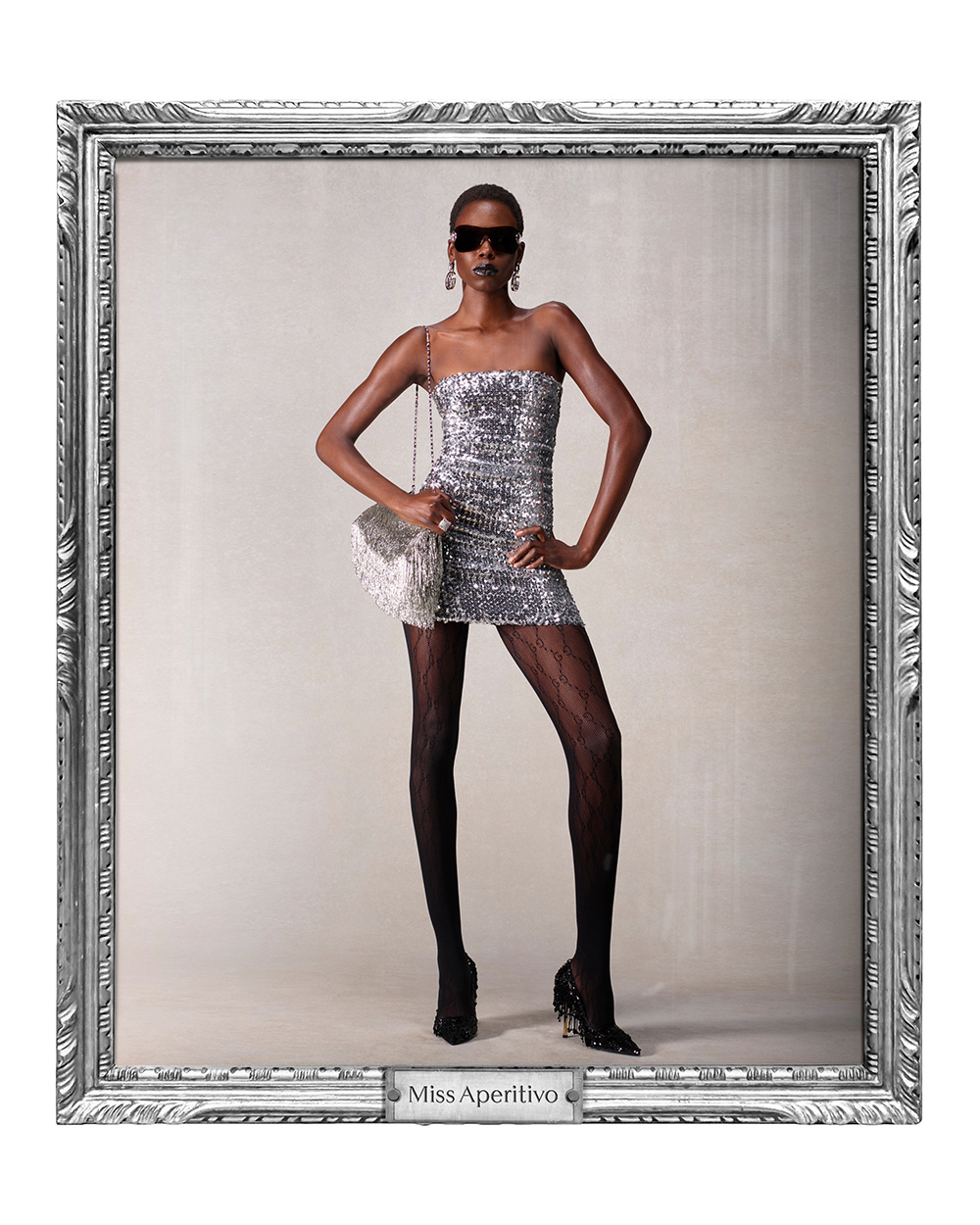
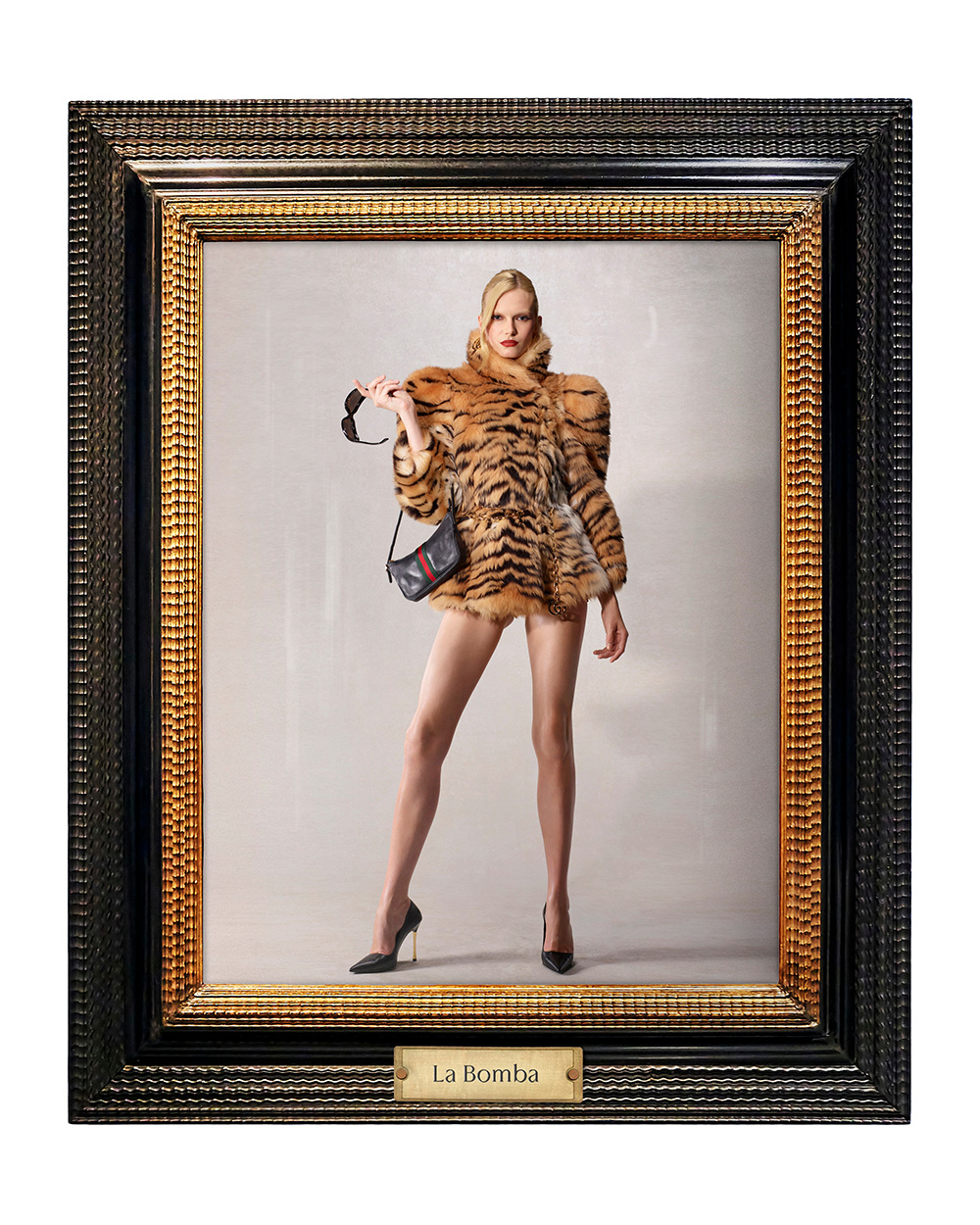
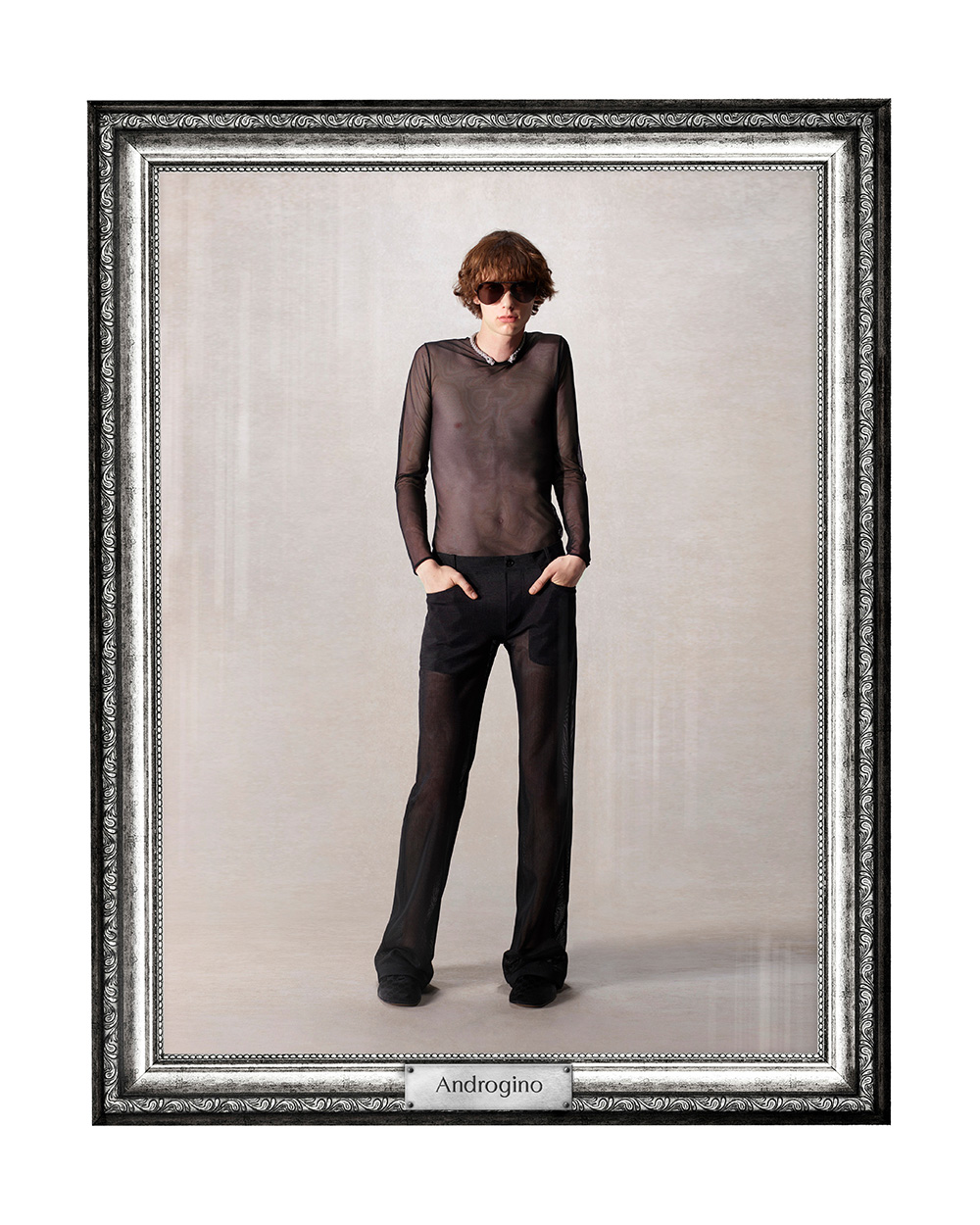
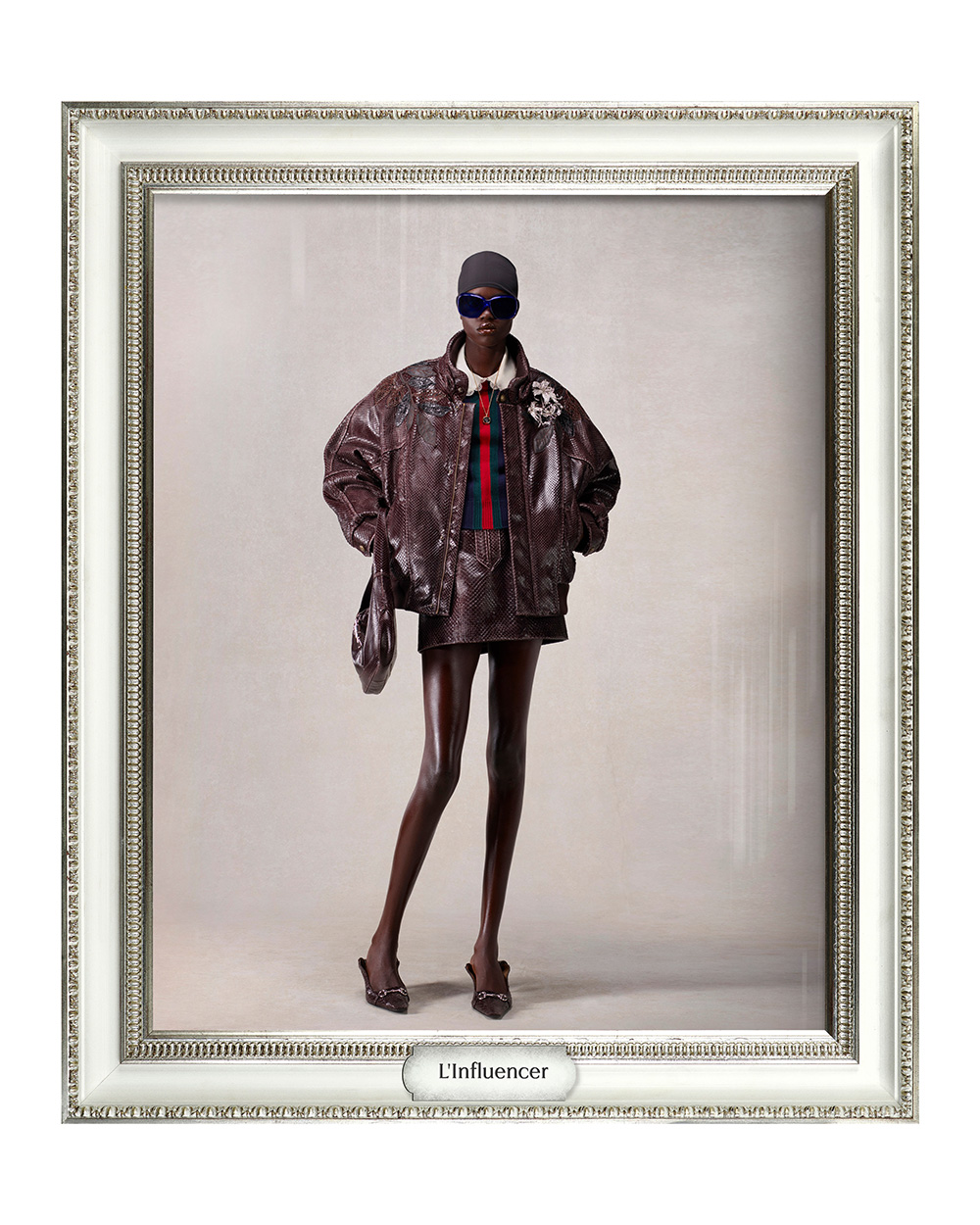
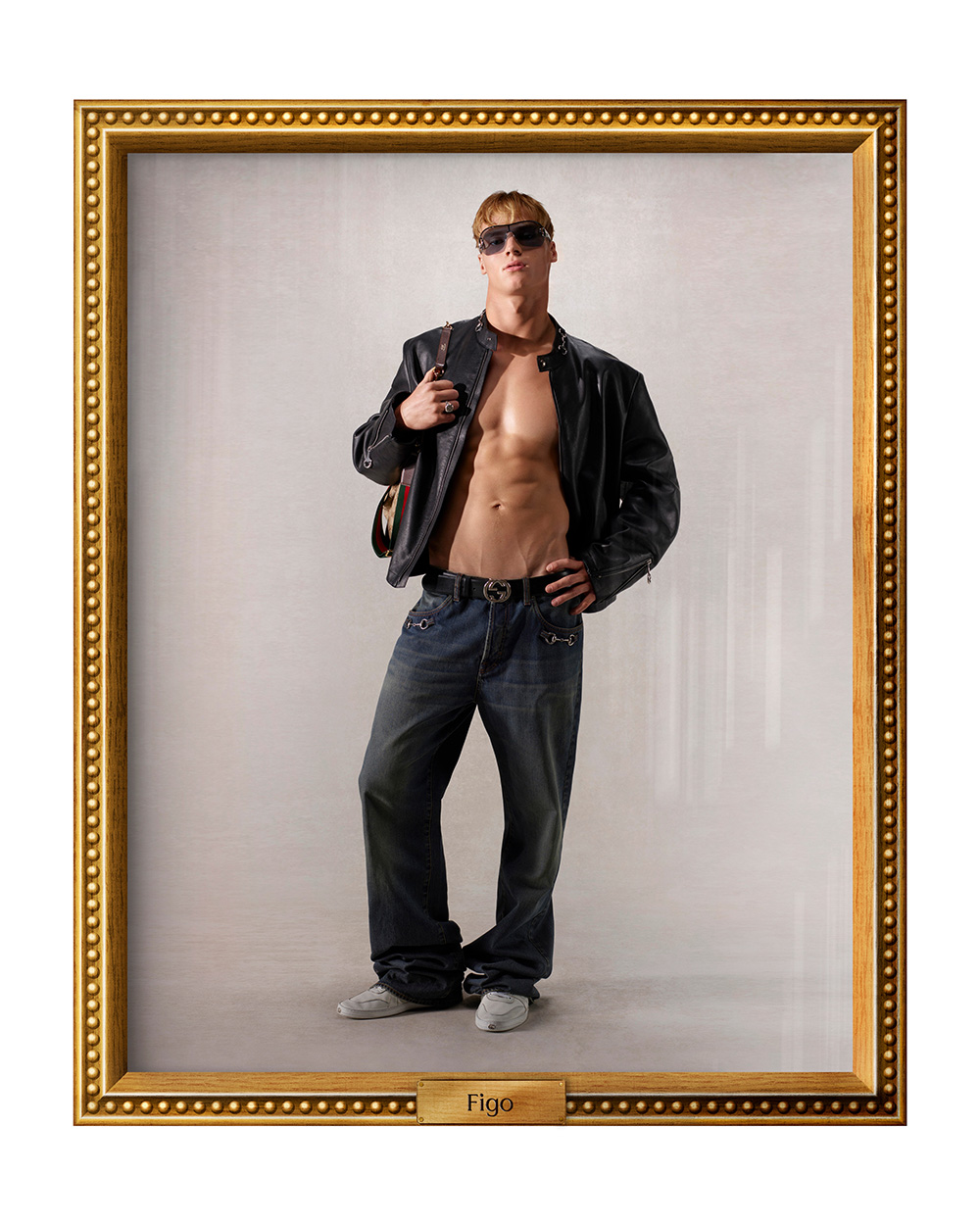
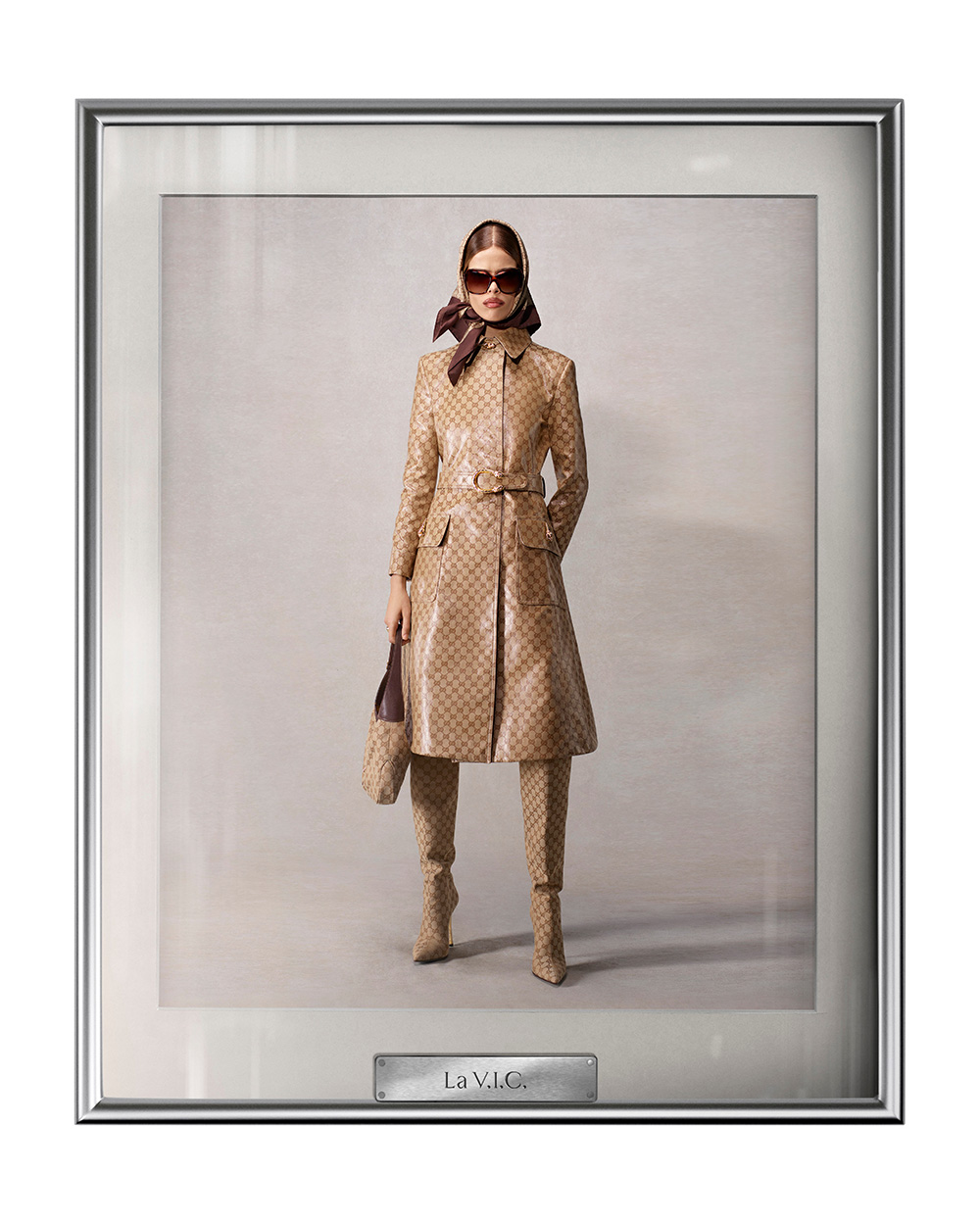
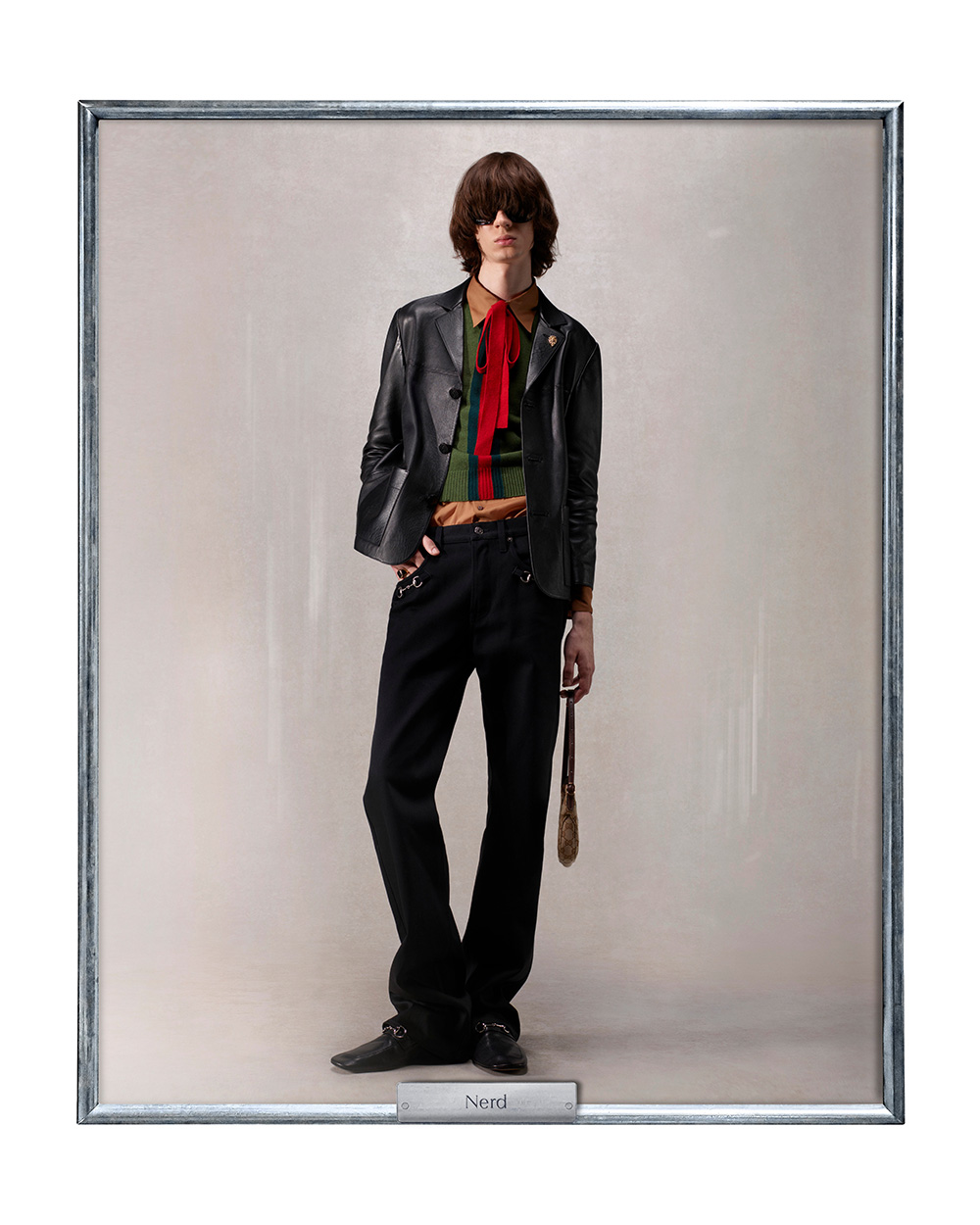
In a season filled with big debuts, Demna’s at Gucci has been high up there on the ones to watch. But having just joined the brand in July, the designer decided to forego a proper runway show—that will only be happening come February—and instead surprise-dropped a see-now-buy-now collection via lookbook and short film. The collection is titled La Famiglia, and it is basically Demna’s character study of all the archetypes that make up Gucci. He’s broken them down into personas like La Principessa, La Drama Queen, La Bomba, Primadonna, L’Influencer, It-Girl, Gallerista, Milanesa, Nerd, Androgino and Partyboy. Looks-wise, that meant Demna-fied takes on everything the House is and ever was—from Tom Ford’s sleek, bad-boy leathers and slinky gowns to Alessandro Michele’s exuberant, eccentric vision of glamour. There’s even a handful of classic, old-moneyed looks for which the jet-set crowd used to flock to Gucci in the ‘60s.
Those who questioned if Demna will just continue doing what he did at Balenciaga got their answer. This idea of fashioning characters has always been his approach, and he has his distinct ways with cut and print, but his Gucci has a lot more sex and sizzle. He gets the Italian va-va-voom quality at the heart of the House. He also understands the straight-up, full-blown glamour that is part of the Gucci mythology. This came through especially strongly in the accompanying fever dream of a short film directed by Spike Jonze and Halina Reijn, The Tiger. Though it is conceived as a showcase for the clothes, it is one of those rare fashion films that work; where plot, character and costume come together to become something greater than just a marketing exercise or a vanity project. Amongst a stacked cast, Demi Moore plays Barbara Gucci, the family matriarch and a fashion designer, and she dons a series of stunning, campy Old Hollywood gowns. As a teaser for what Demna will do with his first proper show, it is highly effective.
Related article: Jonathan Anderson Opens New Chapter At Dior
VERSACE
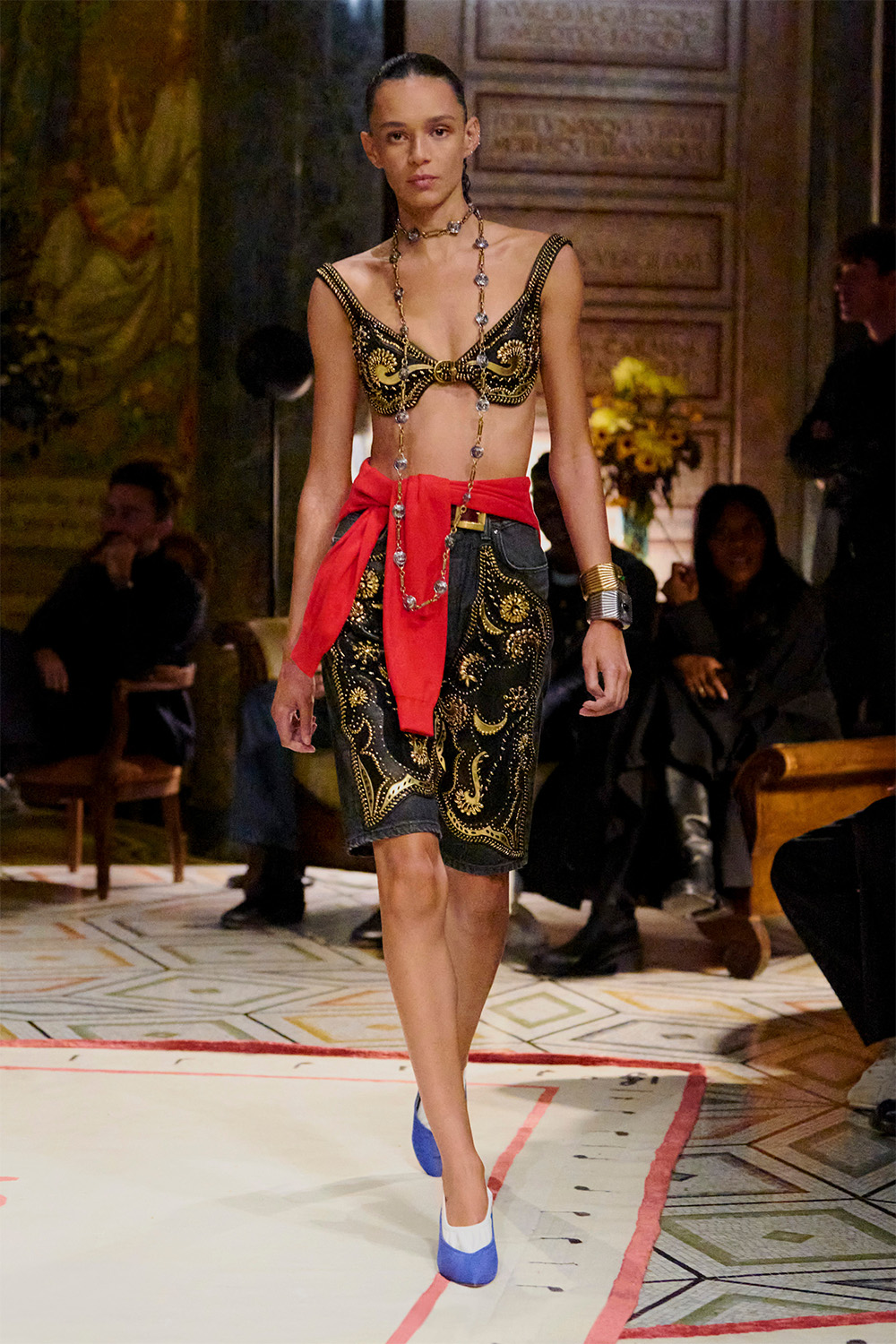
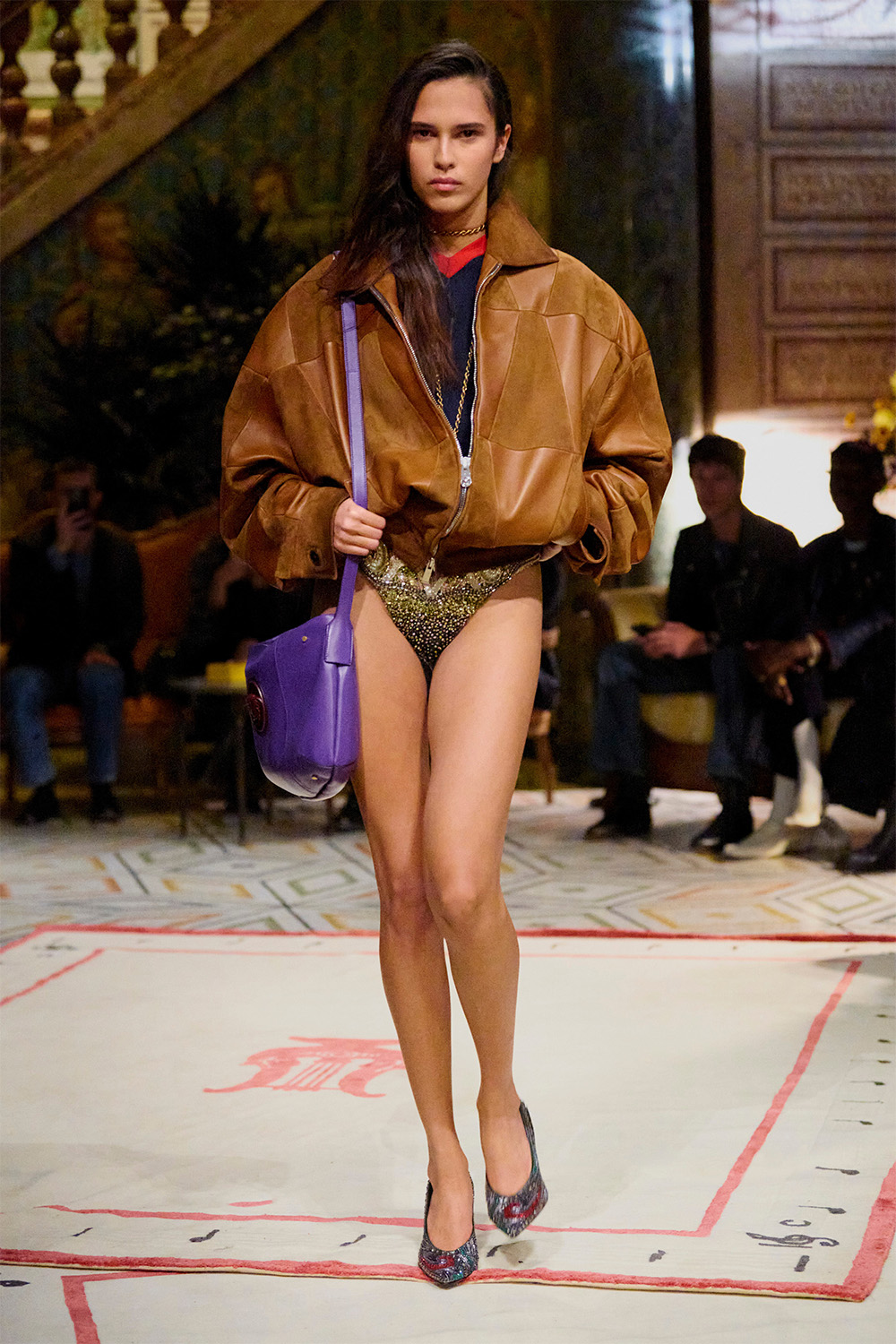
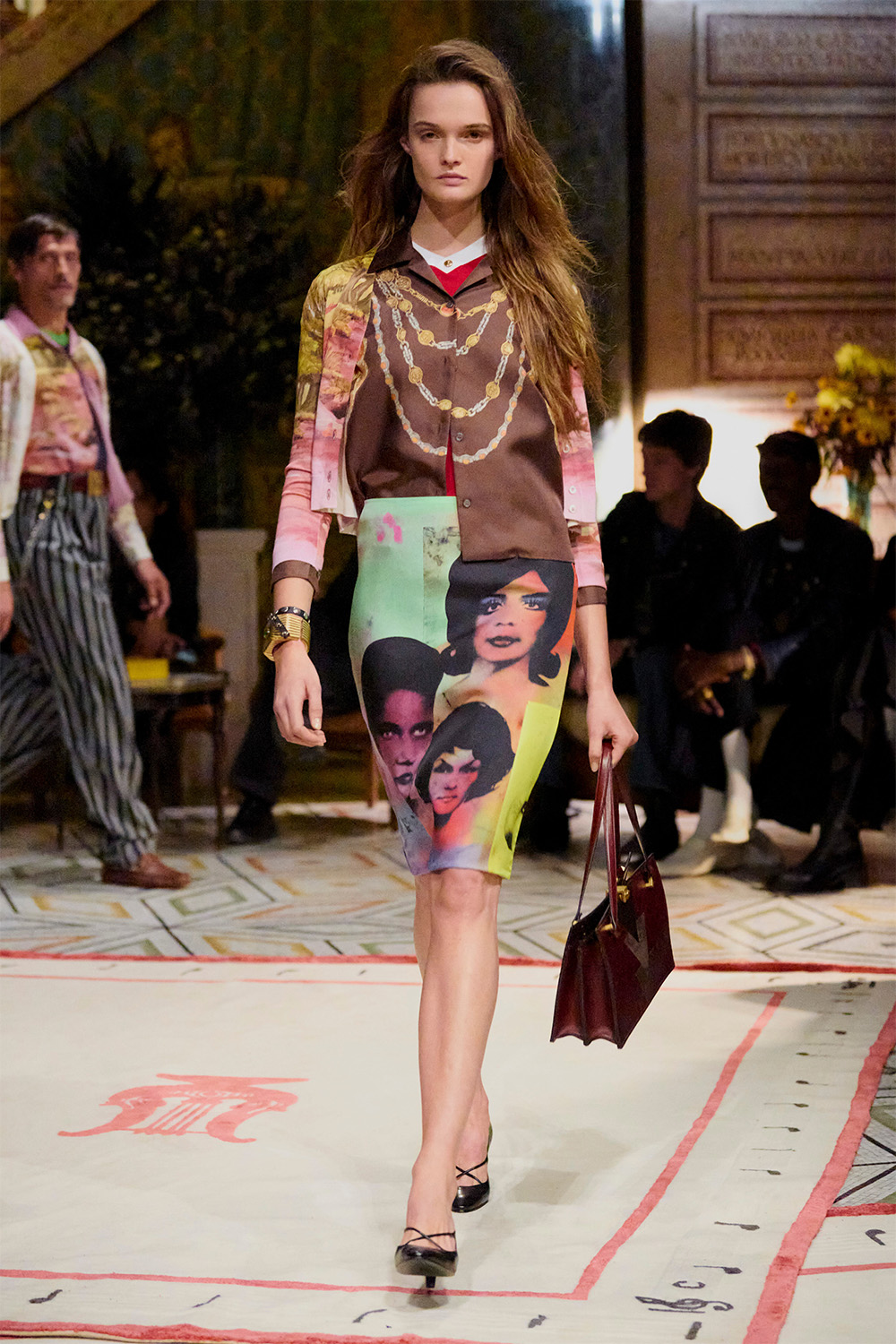
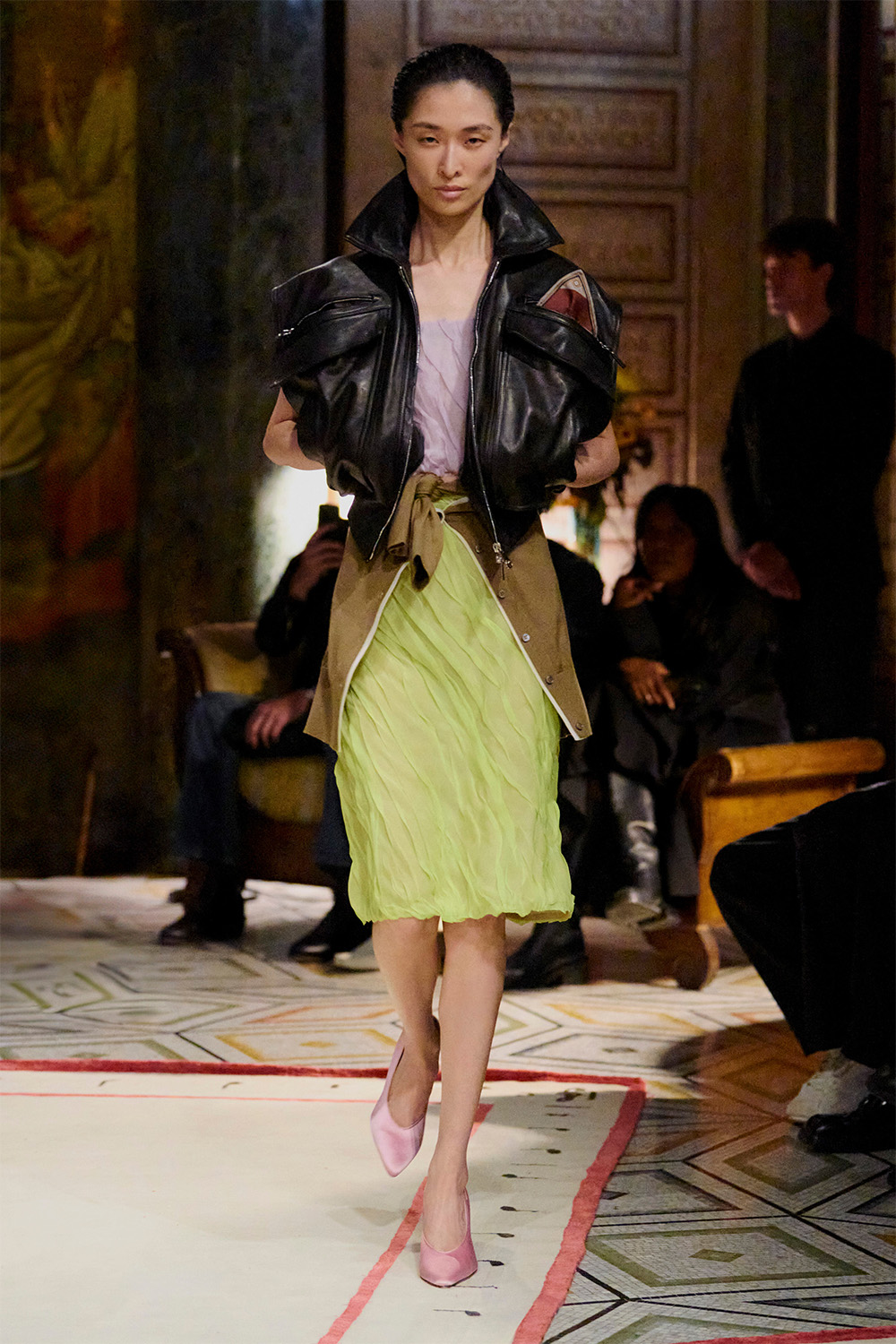
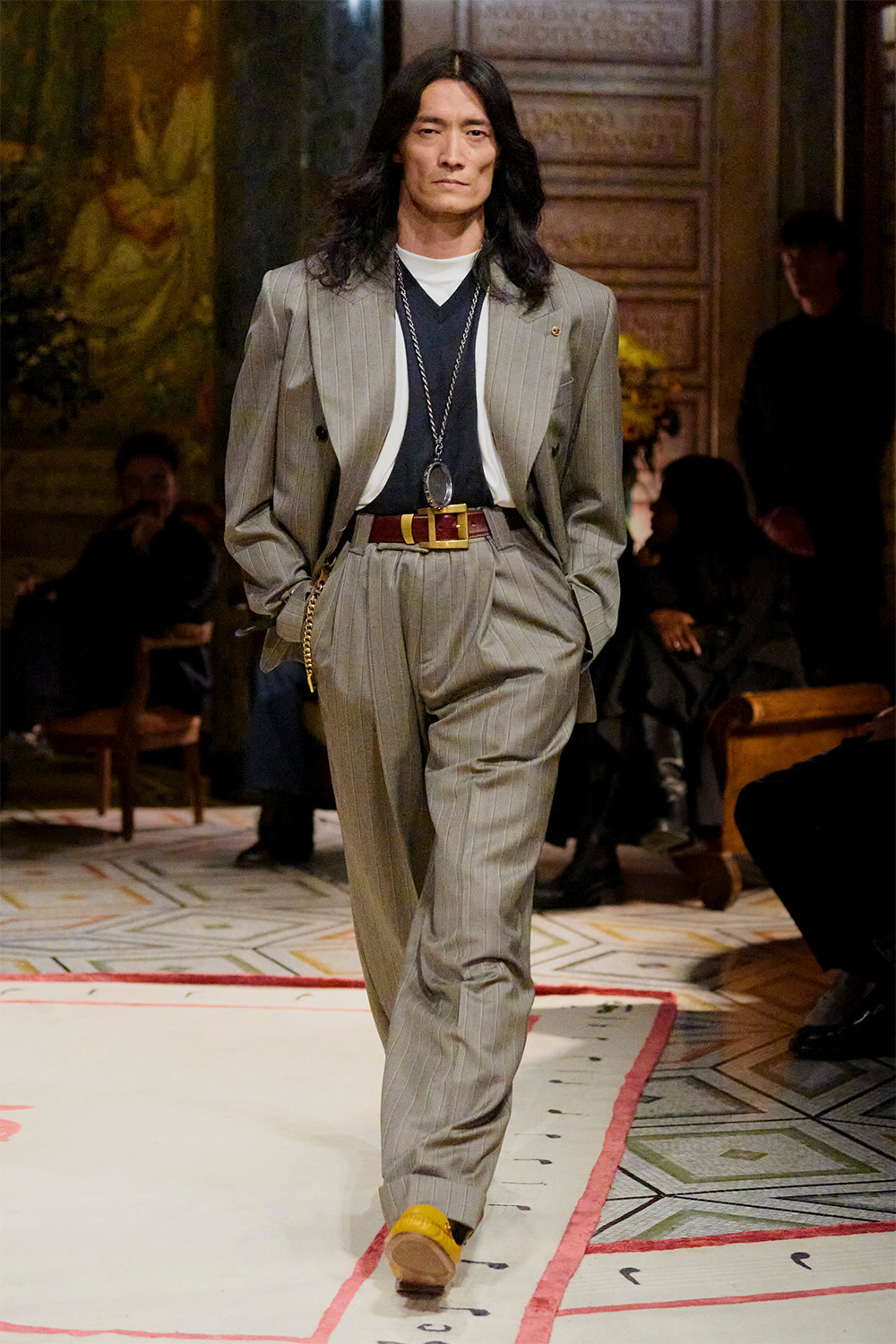
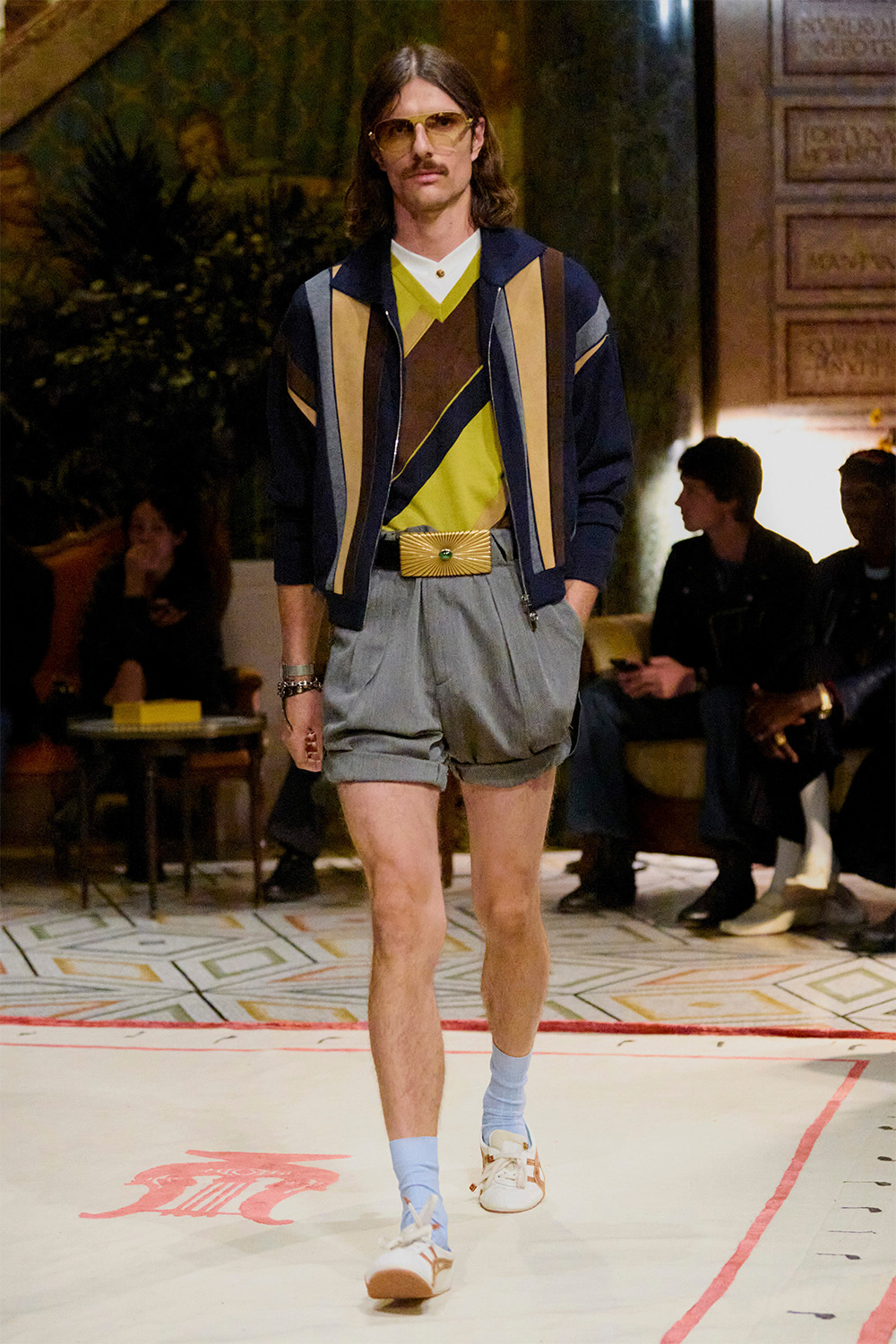
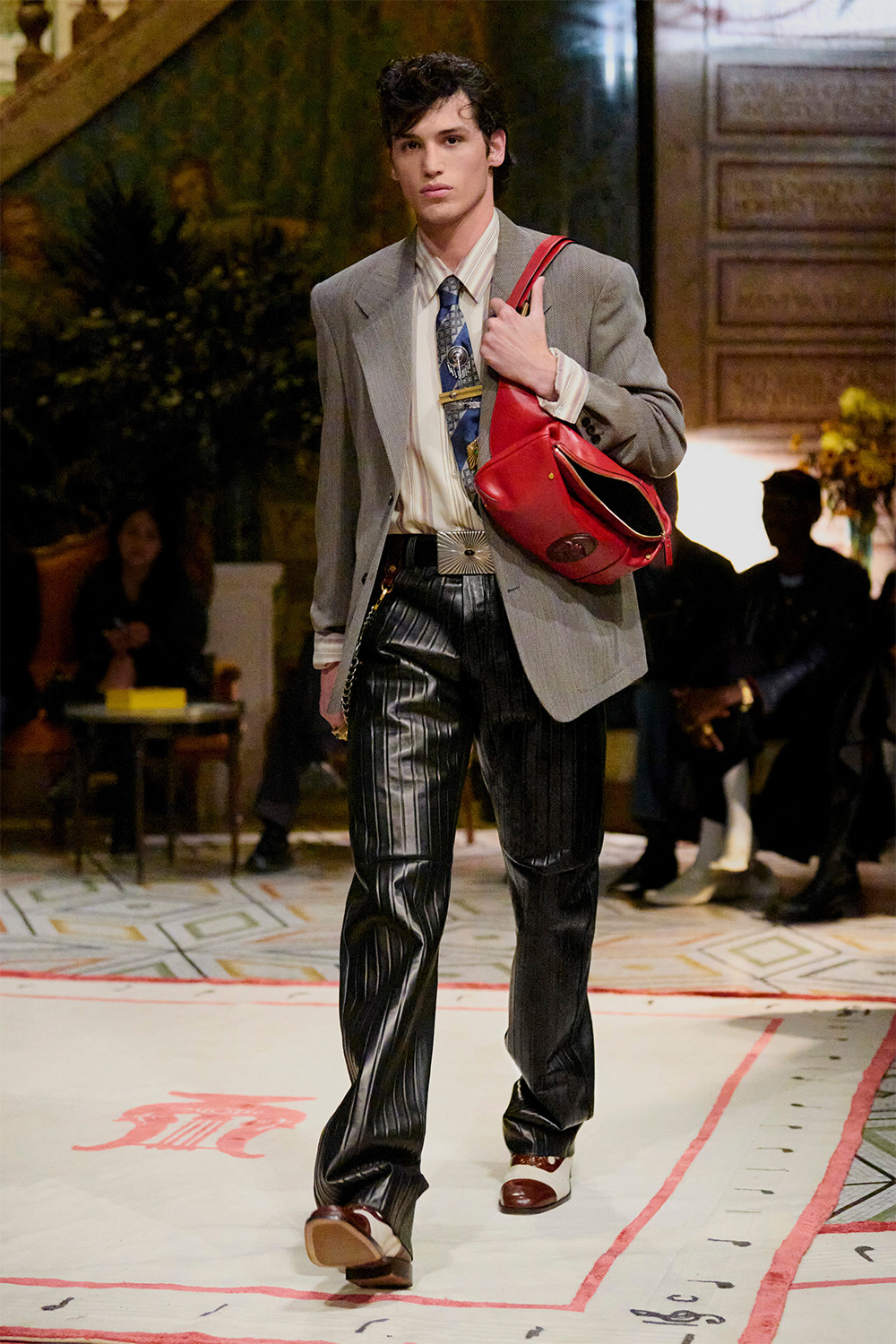
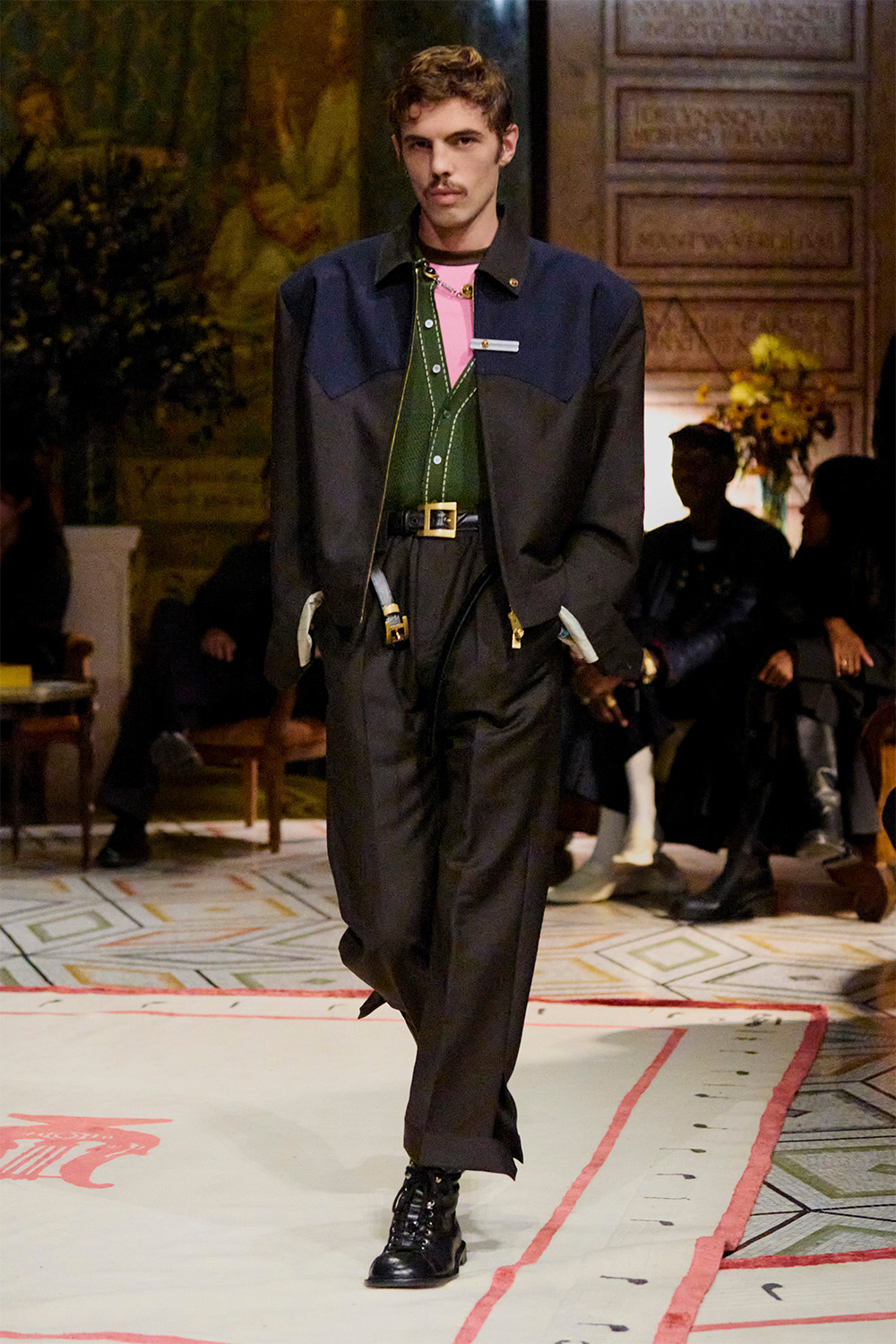
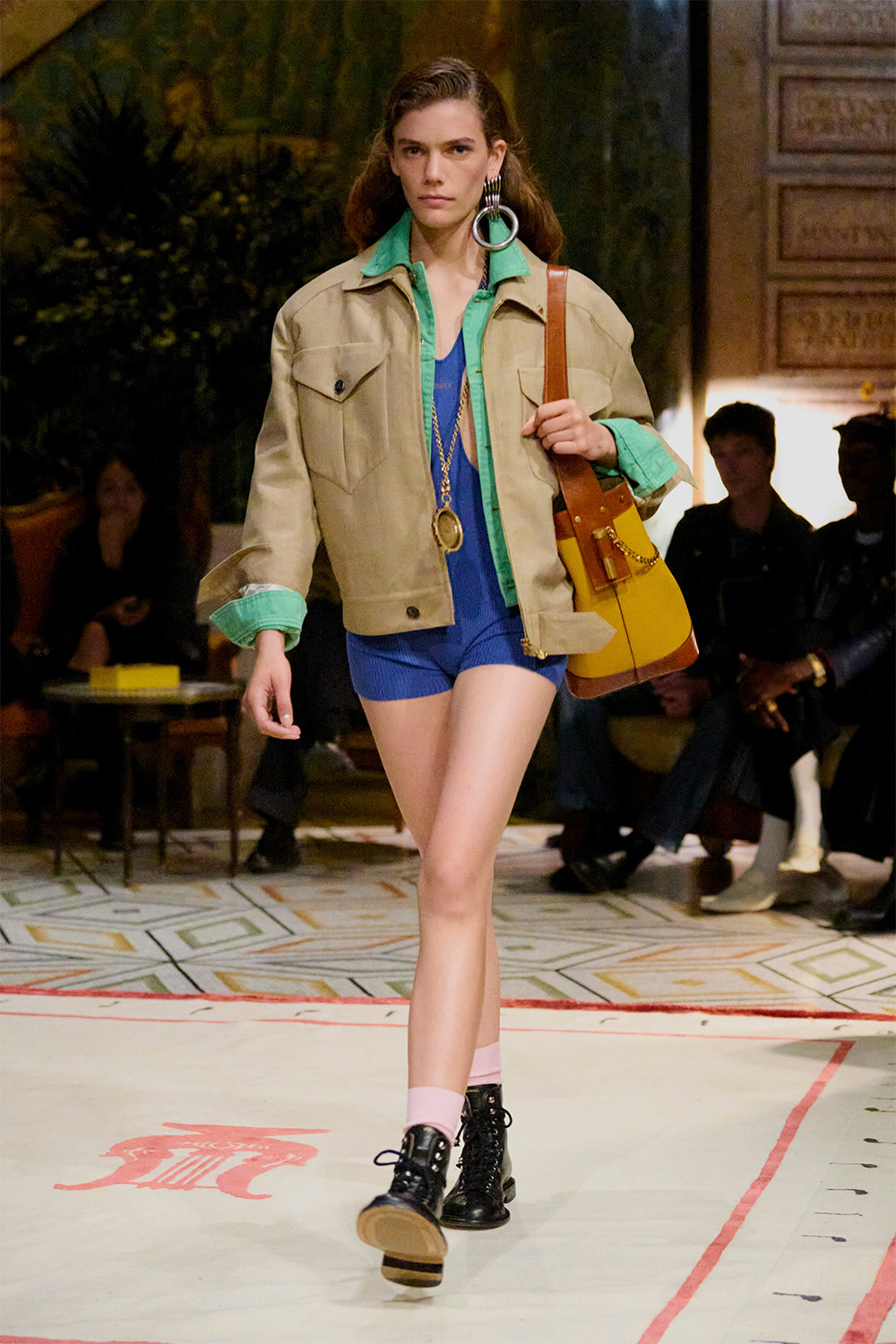
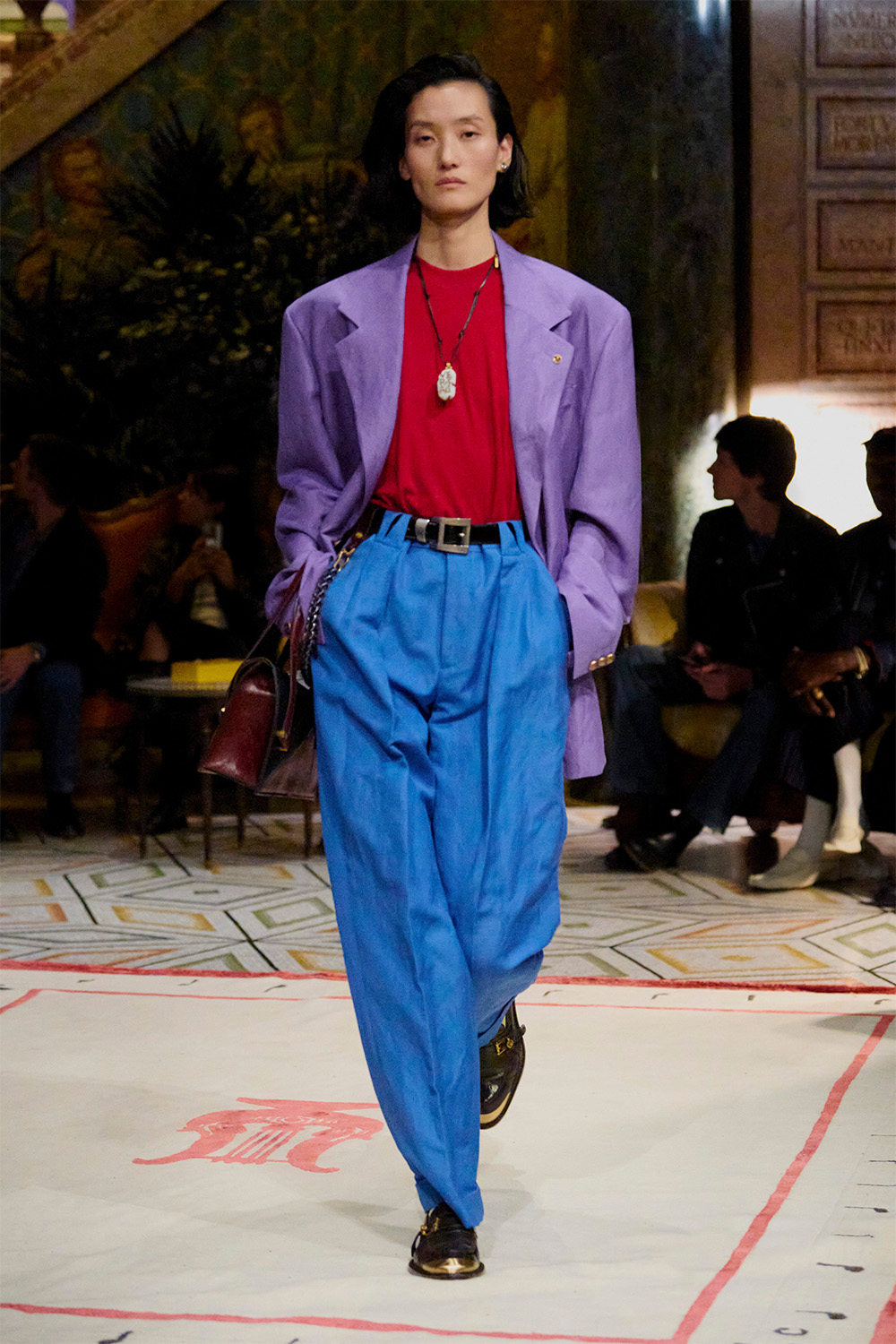
The Versace look is so well established at this point that it’s difficult to imagine a designer doing something different with it. It’s bombshells and supermodels in crystals and chainmail; it’s J. Lo in a plunging neckline, Elizabeth Hurley in a safety-pin dress; it’s Donatella herself in skintight looks and spiky heels. Dario Vitale smartly sidestepped all of that in his debut Versace collection. His Versace is still very much about sex, but he has reframed it in a completely new way—one that puts daywear front and centre. Vitale’s Versace isn't just for red carpets and cocktail parties; it’s for the streets.
Besides the focus on real-world pieces, part of what makes Vitale’s iteration fresh is that he has also tapped into the Miami Beach part of the Gianni Versace lore. The florid colours, the print-on-print, the bling, the big slouchy tailoring—Vitale captured and amplified all that. The strongest looks in the opening section are the ‘80s tailoring in wildly clashing colours. The suits look especially good worn with unbuttoned jean jackets, or shrunken knits and polos. A grey jacket and a cream striped shirt worn with a loudly patterned tie, a belt with a giant buckle, and leather pants is a prime example of how daywear can be Versace-fied.
The bedazzled party looks are still there, but now worn with a cardigan tied around the waist, or with a flash of sporty logo briefs. The styling was maximalist—there were muscle tanks and bodysuits and double-belts and polos under vests under cardigans. But take it all apart and there’s a lot of product that will appeal to a lot of people. It’s like what Vitale was doing at Miu Miu as design director, but a lot more flamboyant—it’s not for everyone, but it’s extremely assured.
Related article: The Fall/Winter 2025 Trend Report
BOTTEGA VENETA
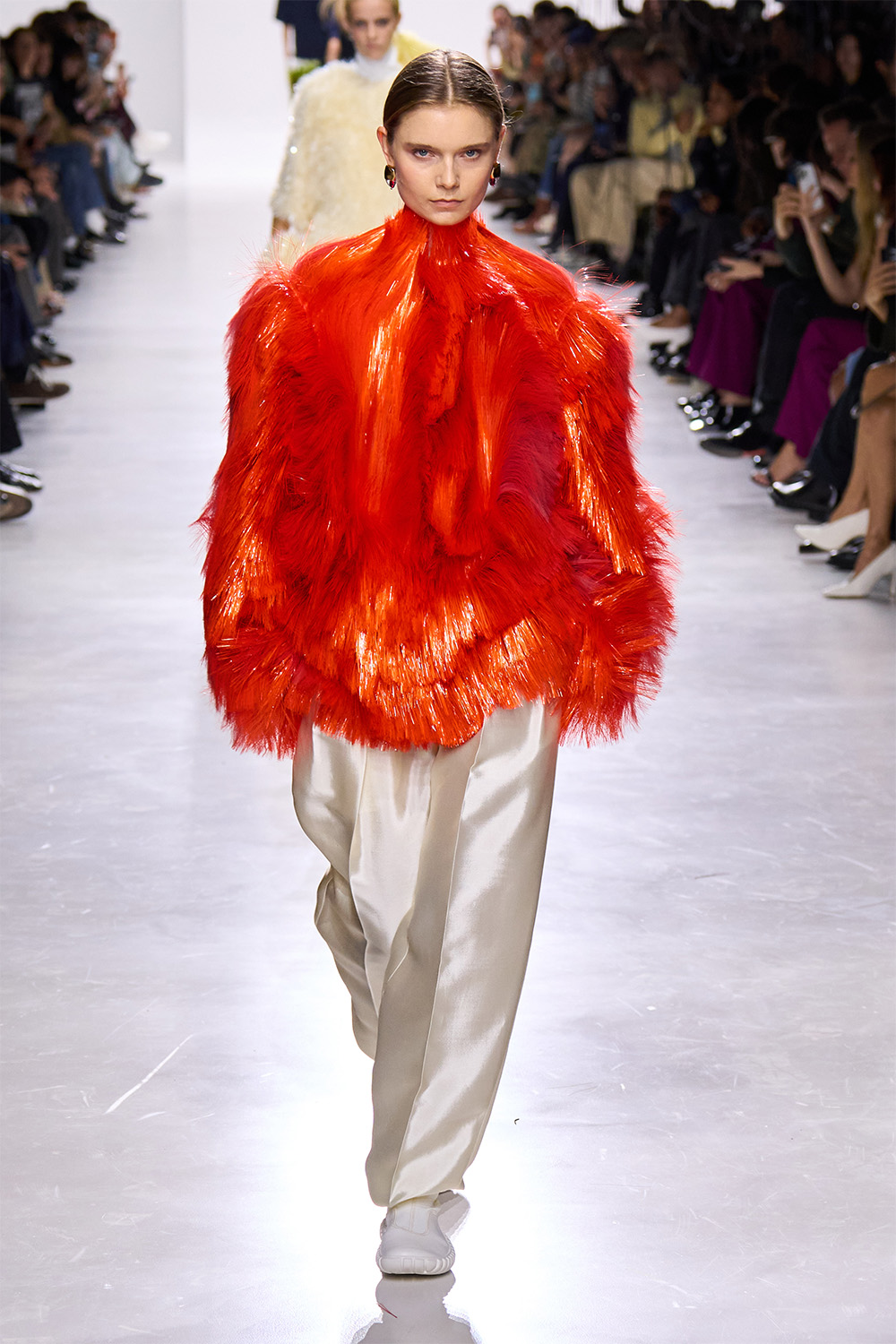
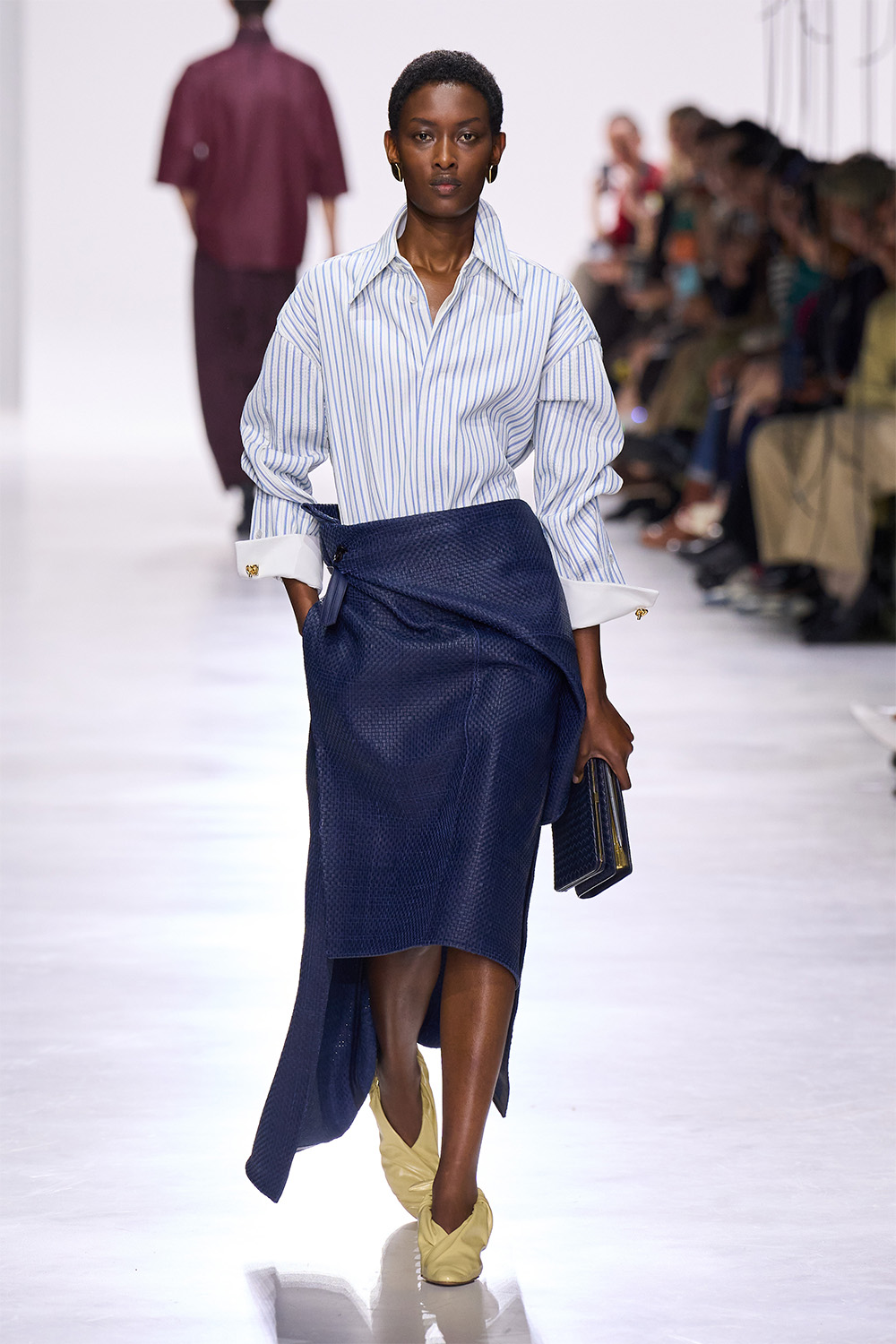
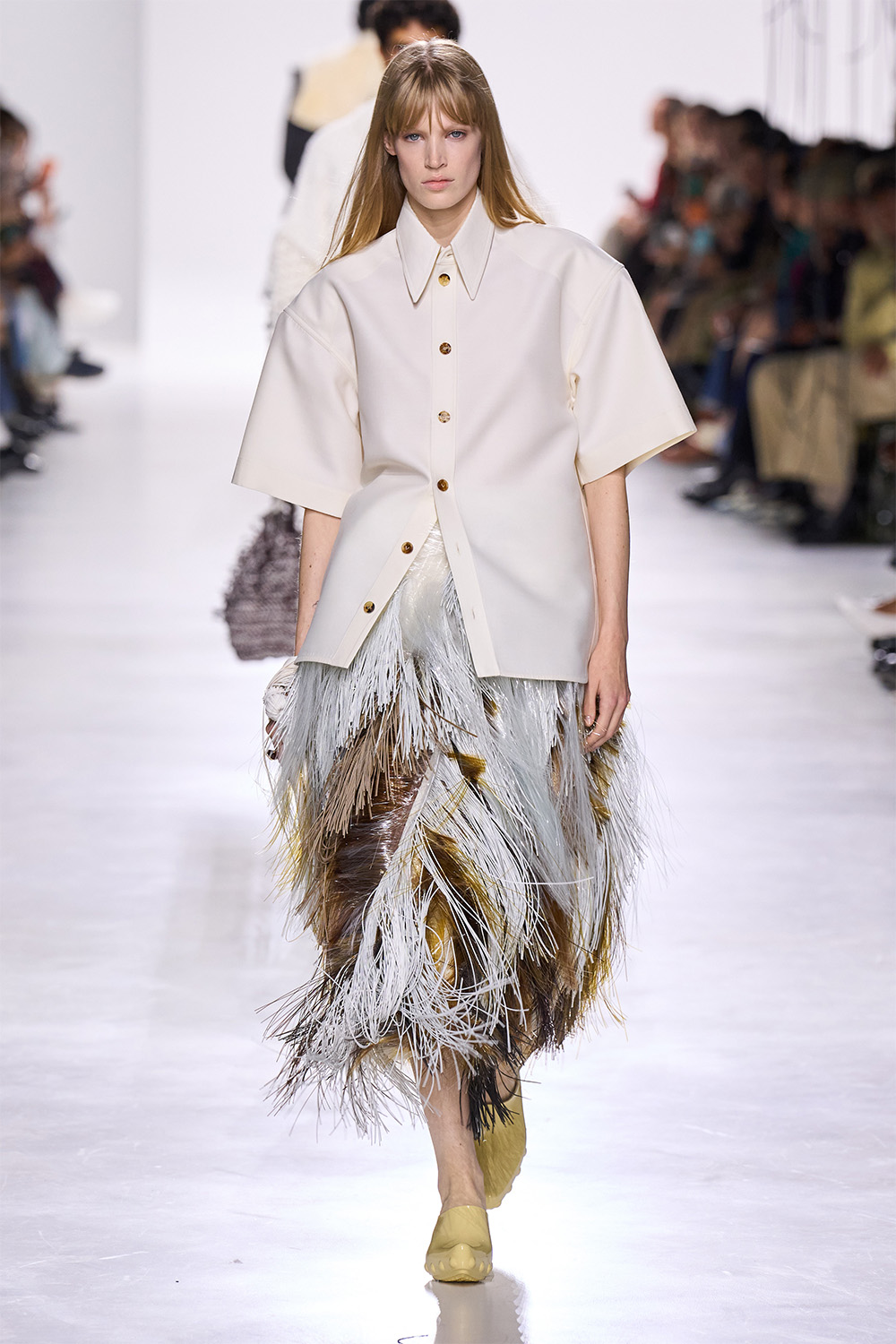
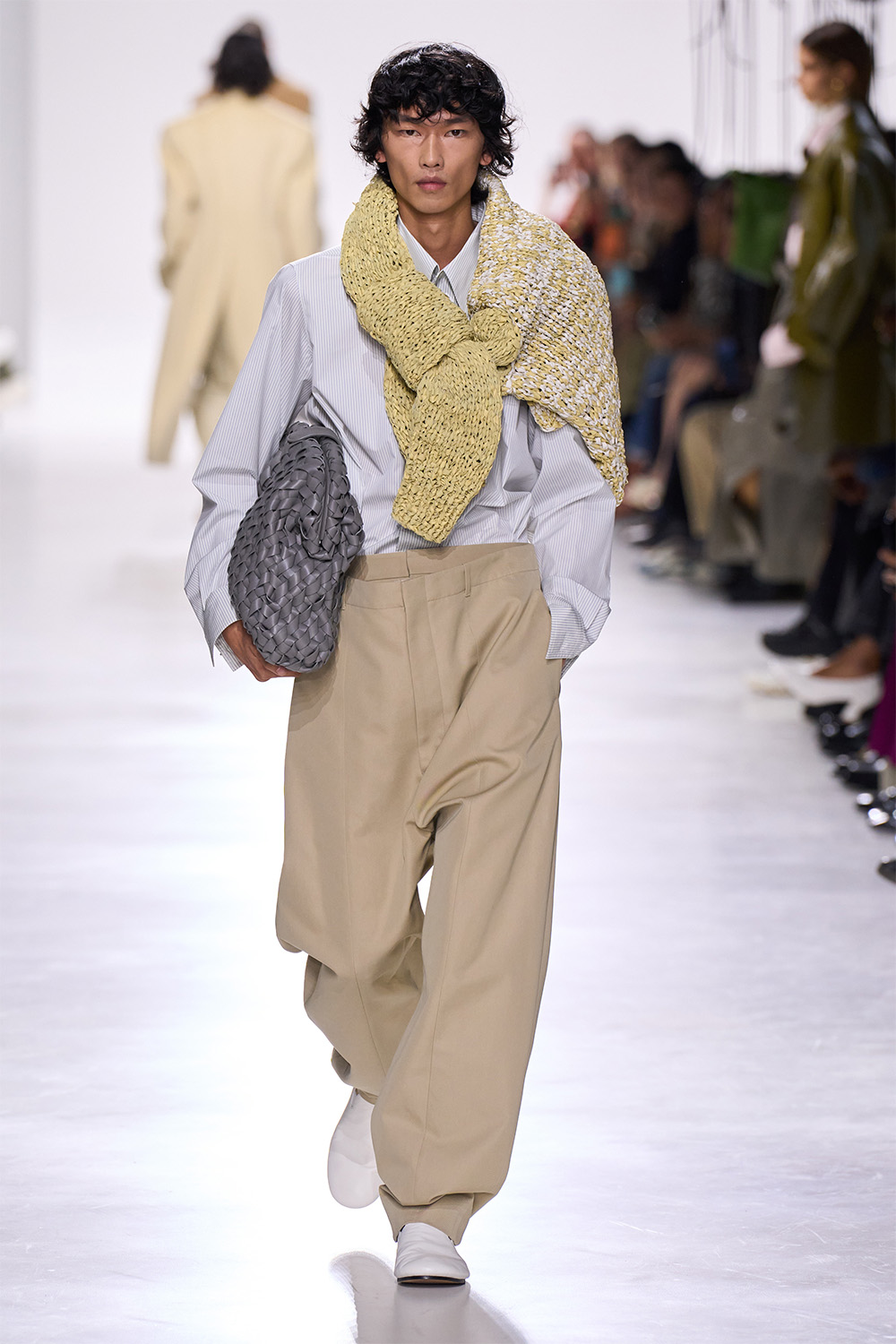
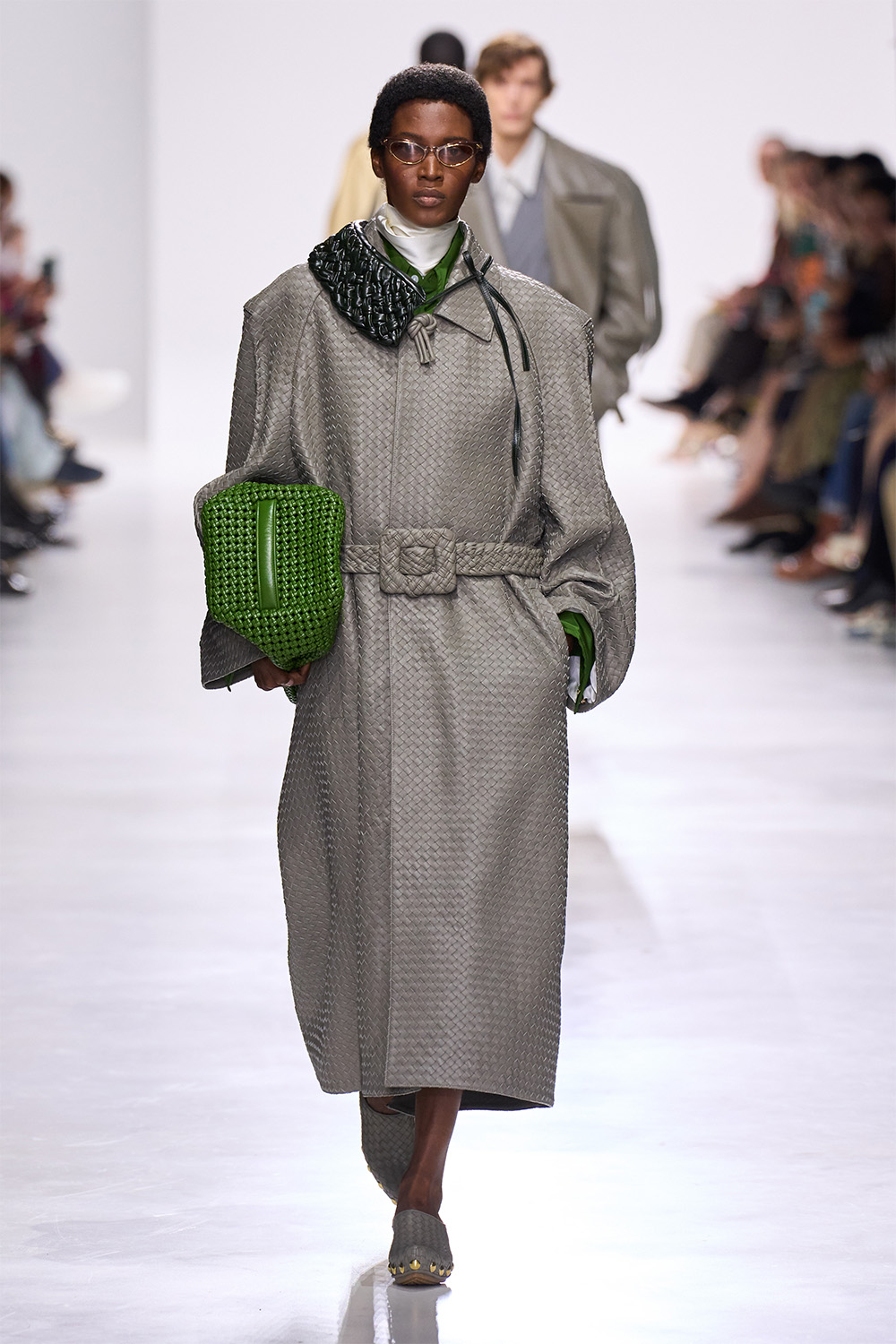
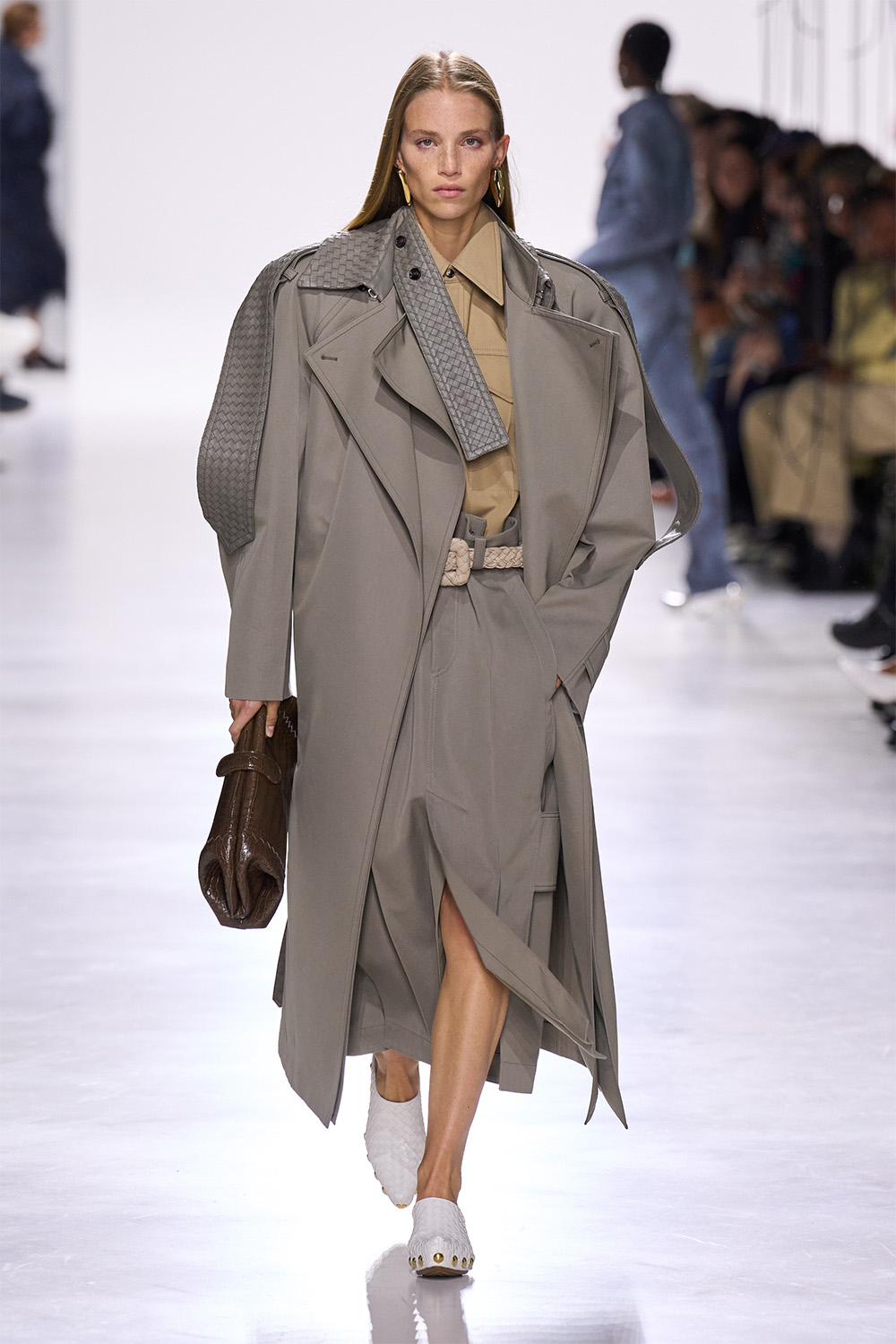
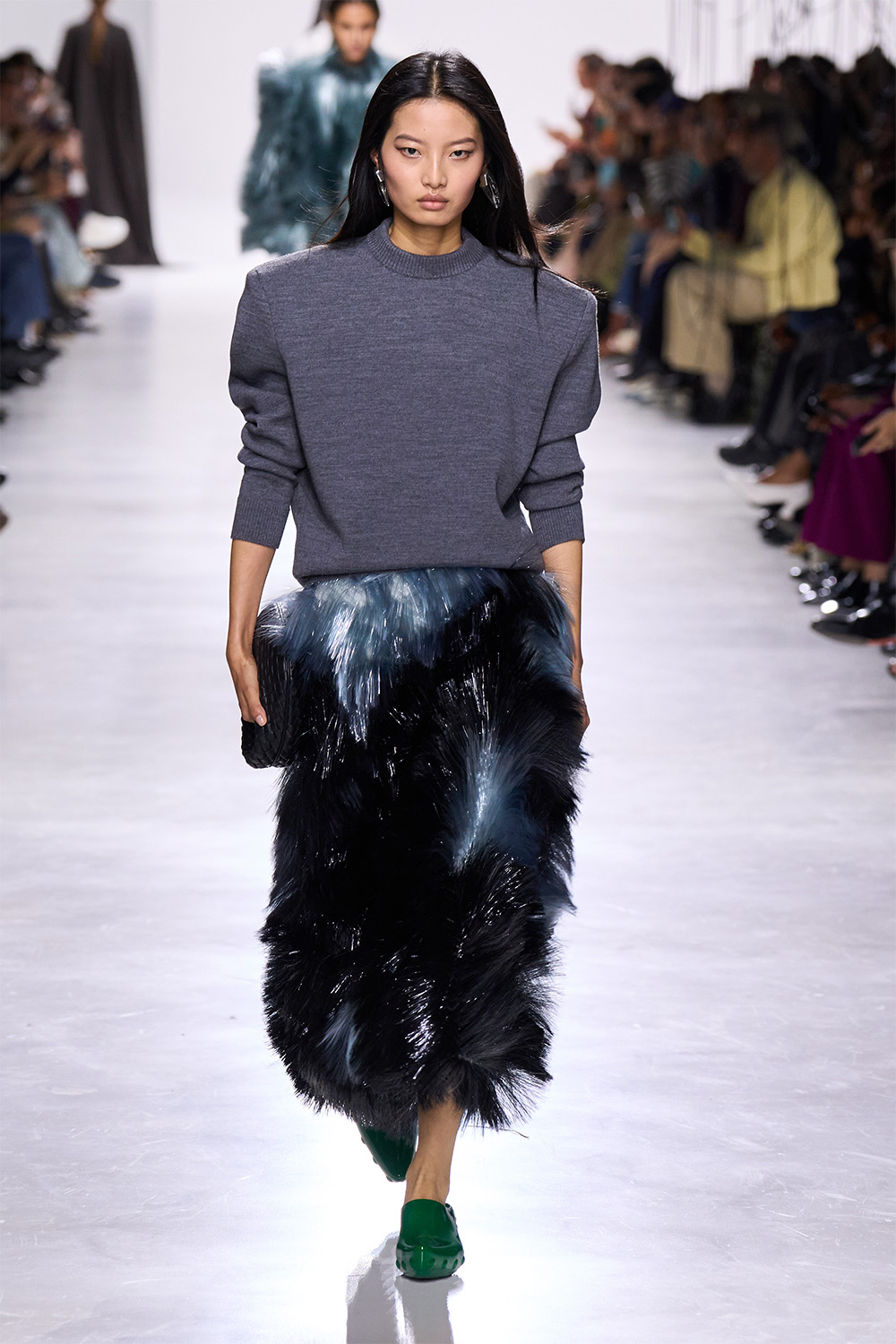
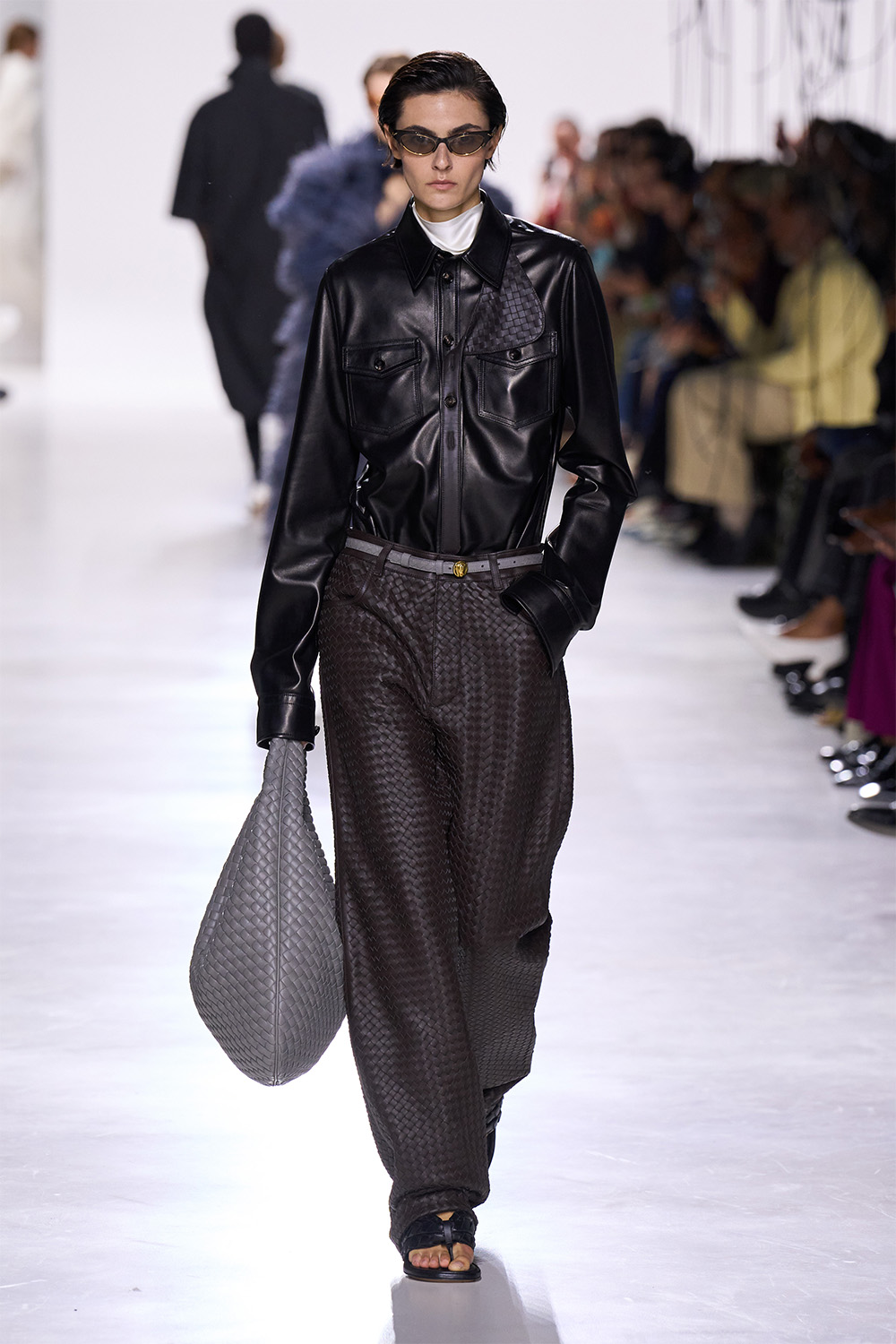
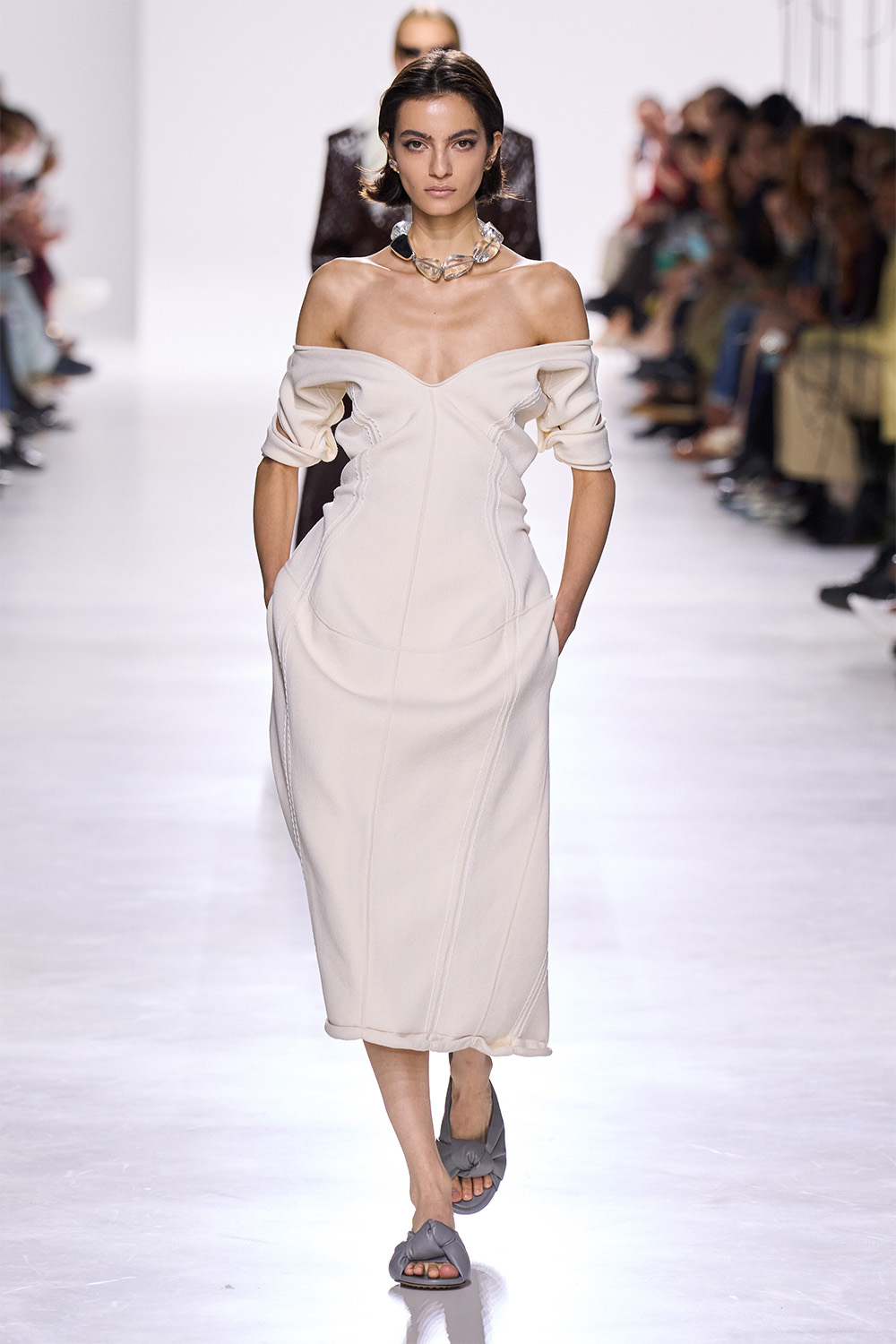
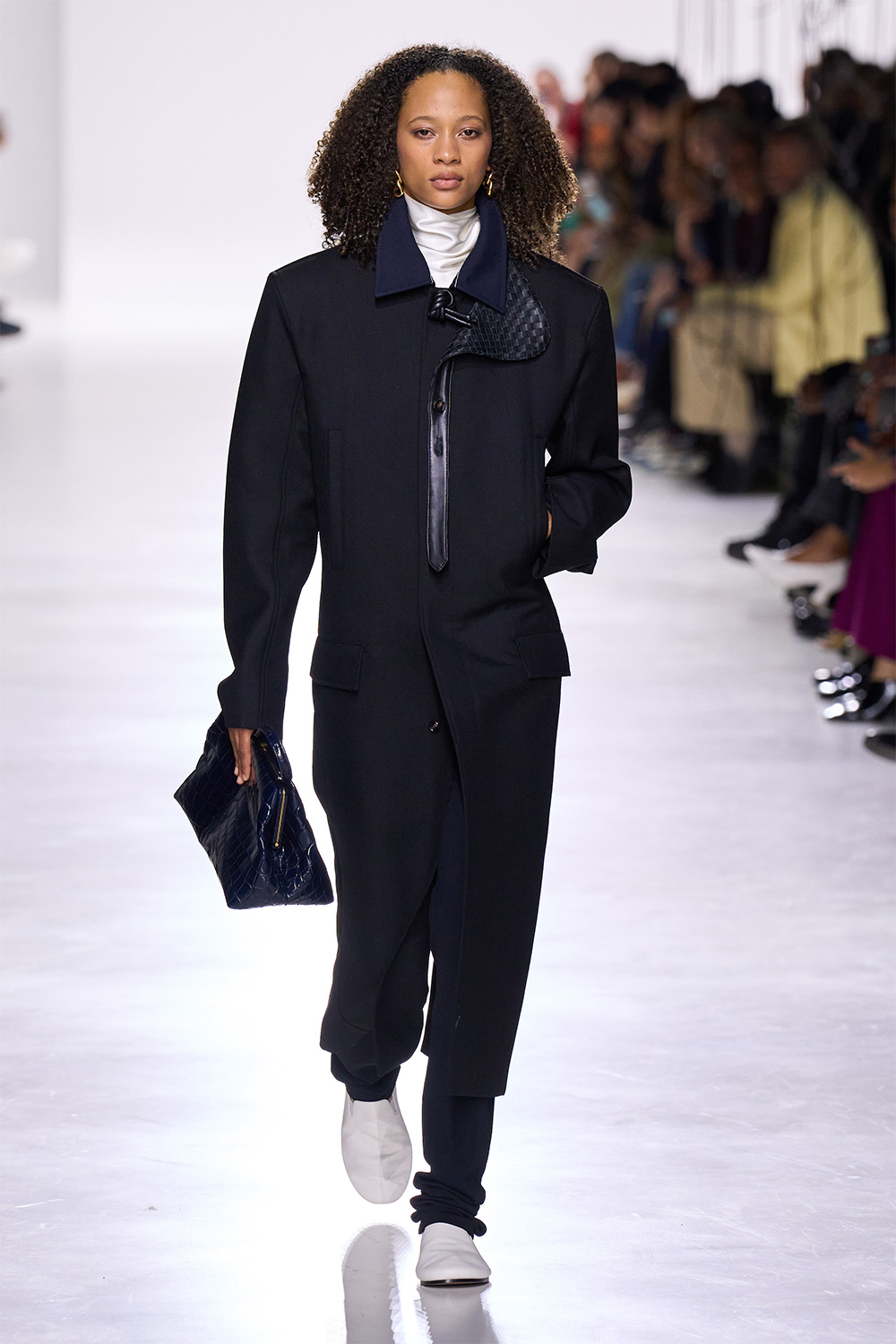
Louise Trotter’s appointment at Bottega Veneta makes her the only female designer heading up a brand in Kering’s stable, and it comes with weighty expectations as the brand has been on a hot streak the last few years. The evolution that Trotter proposed was gentle. She did not erase what came before—Matthieu Blazy built a solid foundation, after all—but stripped things way, way back to what she feels is the essence of the House: Tactility and materiality. She deployed the Intrecciato weave on ready-to-wear in a multitude of clever ways, most interestingly as detailing on outerwear—on pockets, lapels, epaulettes; sometimes scaling up into different sizes or spilling over into fringe. There was a series of coats and skirts that demonstrated the most exciting result of Trotter’s material-centric approach. Made from recycled fibreglass, they moved like lustrous fur but were also clearly not. It was impressive to see an alternative that wasn’t an imitation of the old thing but something new altogether. Generally, Trotter kept to strong, commanding silhouettes that were continuations of what Blazy had been exploring, which also meshed seamlessly with the style she has been honing at Lacoste and Joseph. We’re seeing clothes go really close to the body again, so Trotter’s swathing proposals are a pleasant counterpoint—especially because they are oversized in neither a retro ‘80s way nor in the streetwear style of a decade ago.
Related article: Louis Vuitton Said Sweatpants Can Be Whimsical, Too
JIL SANDER
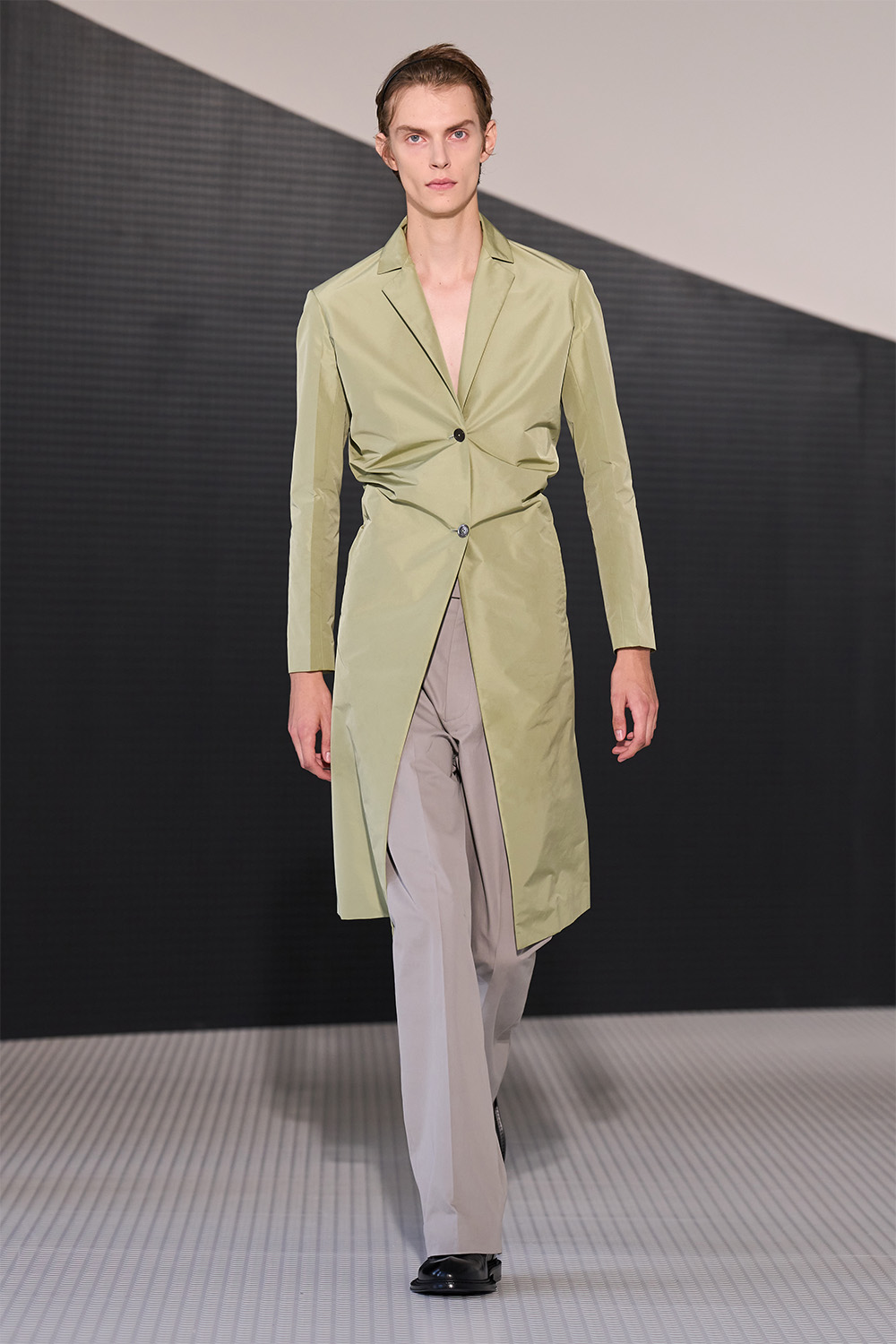
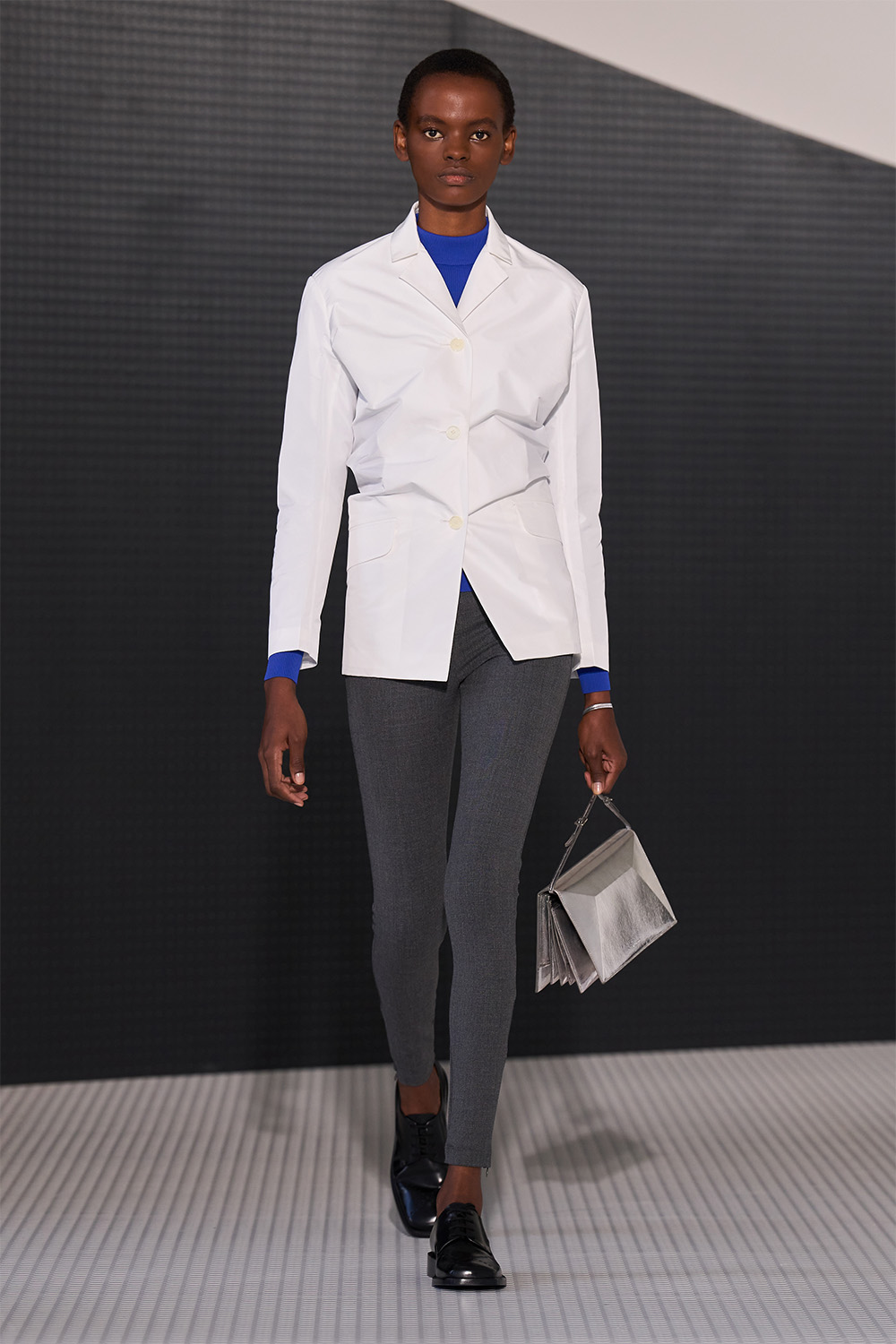
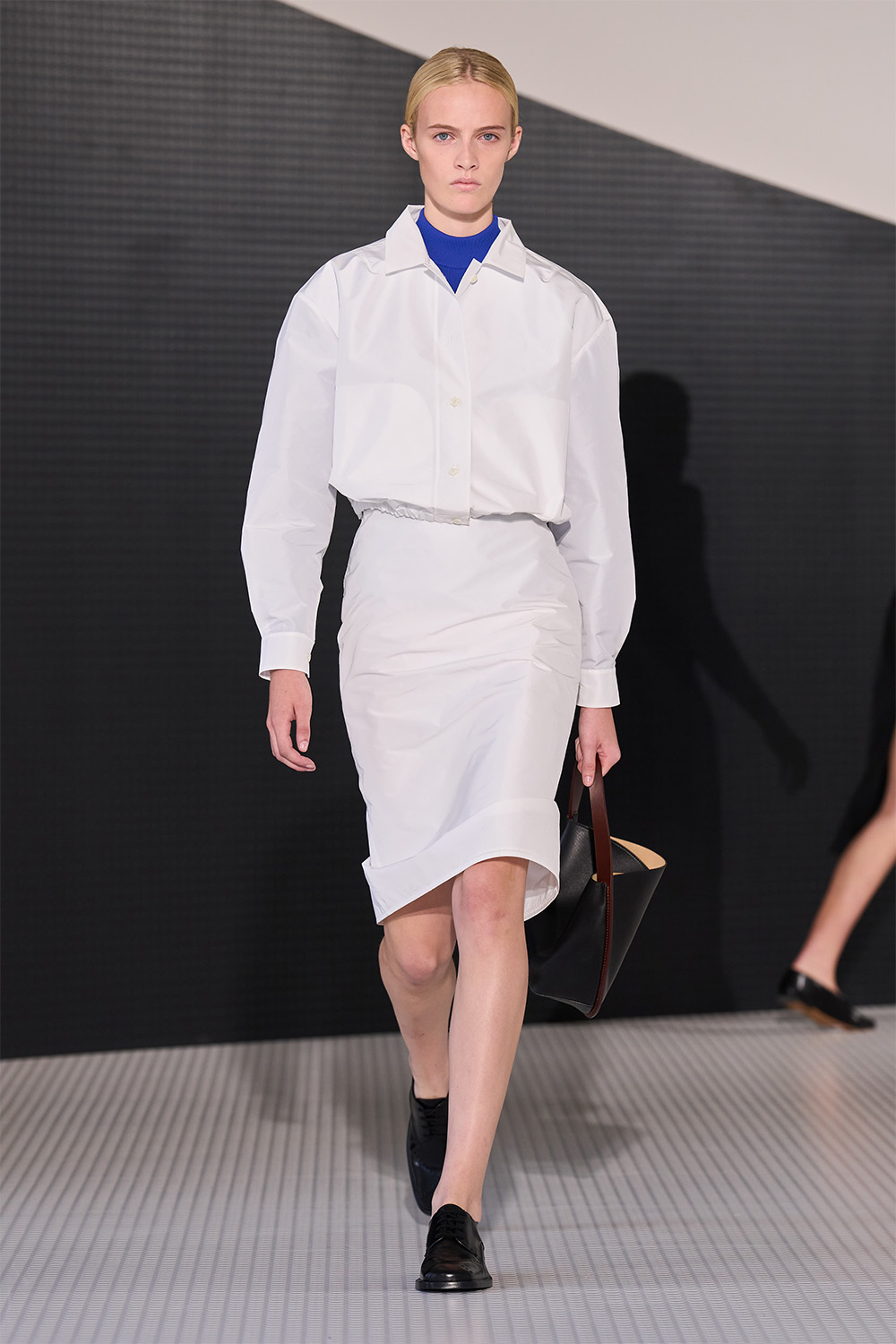
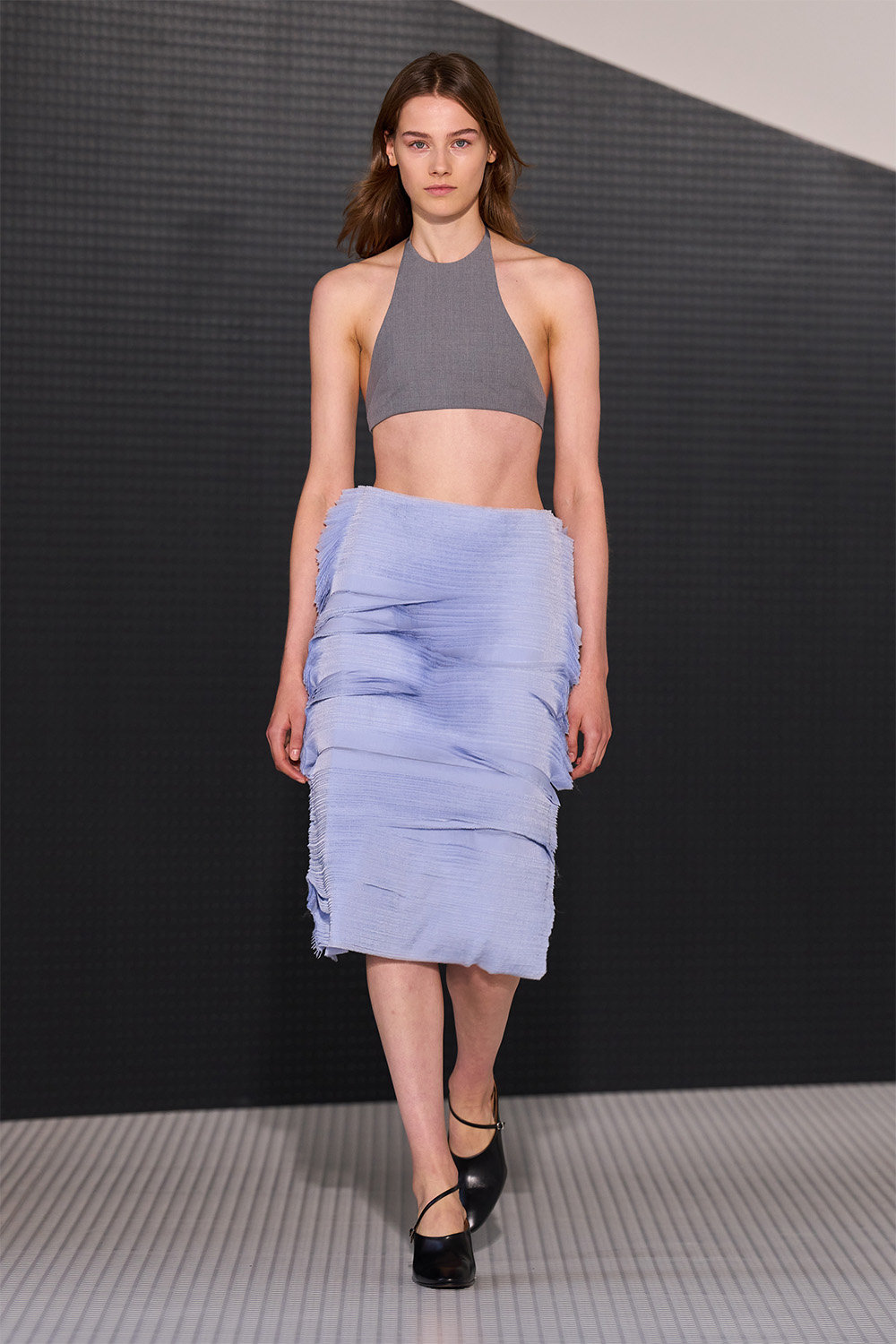
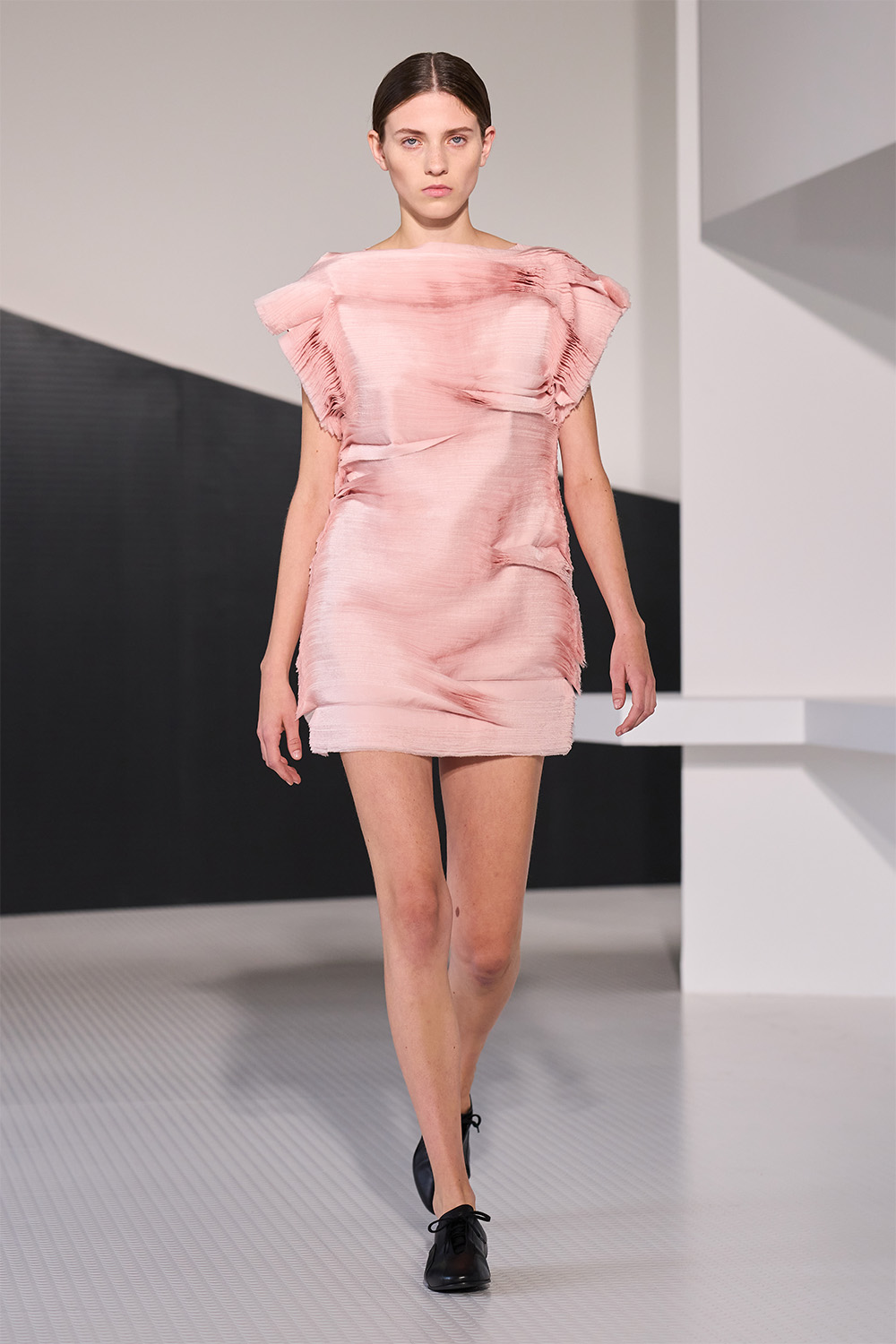
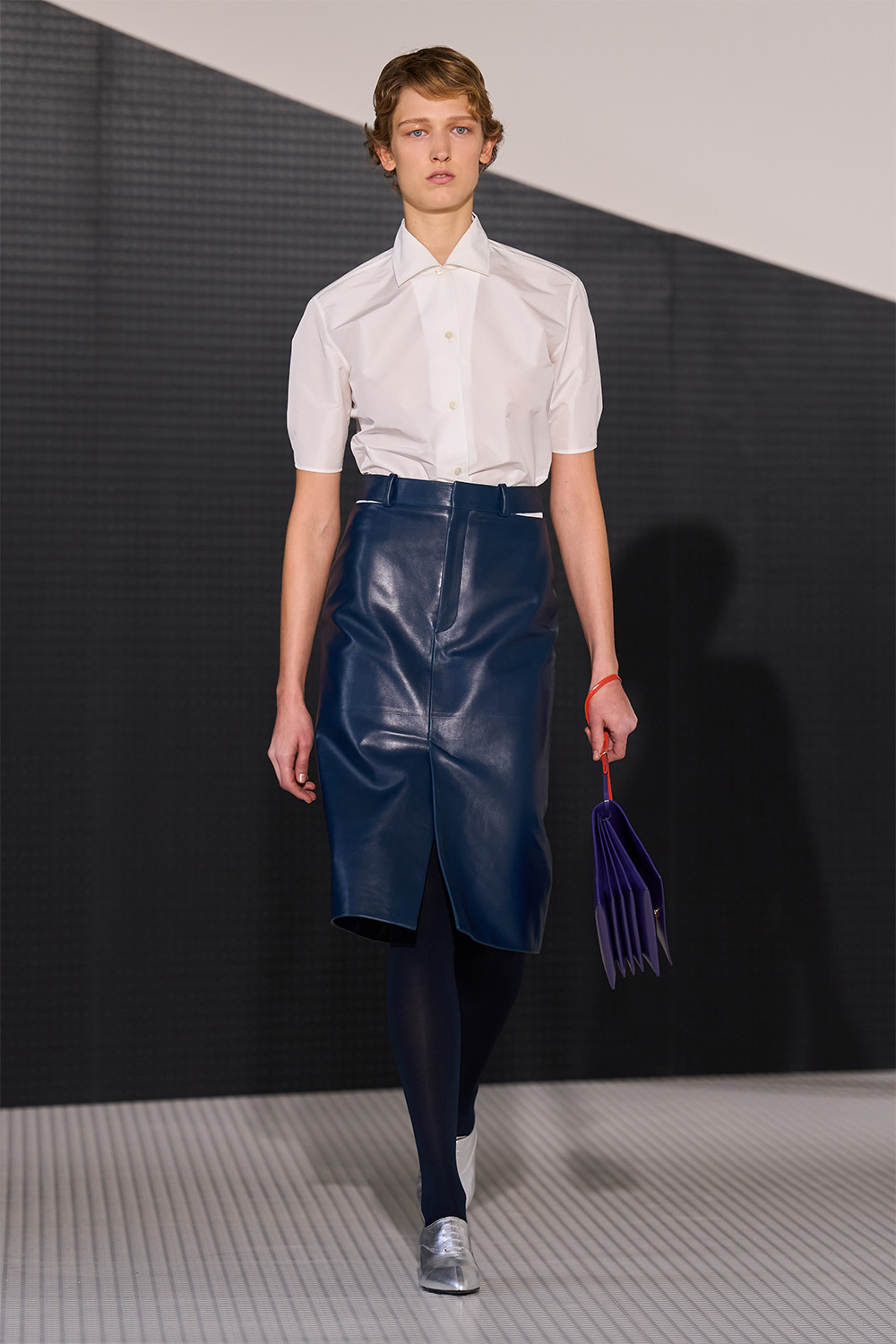
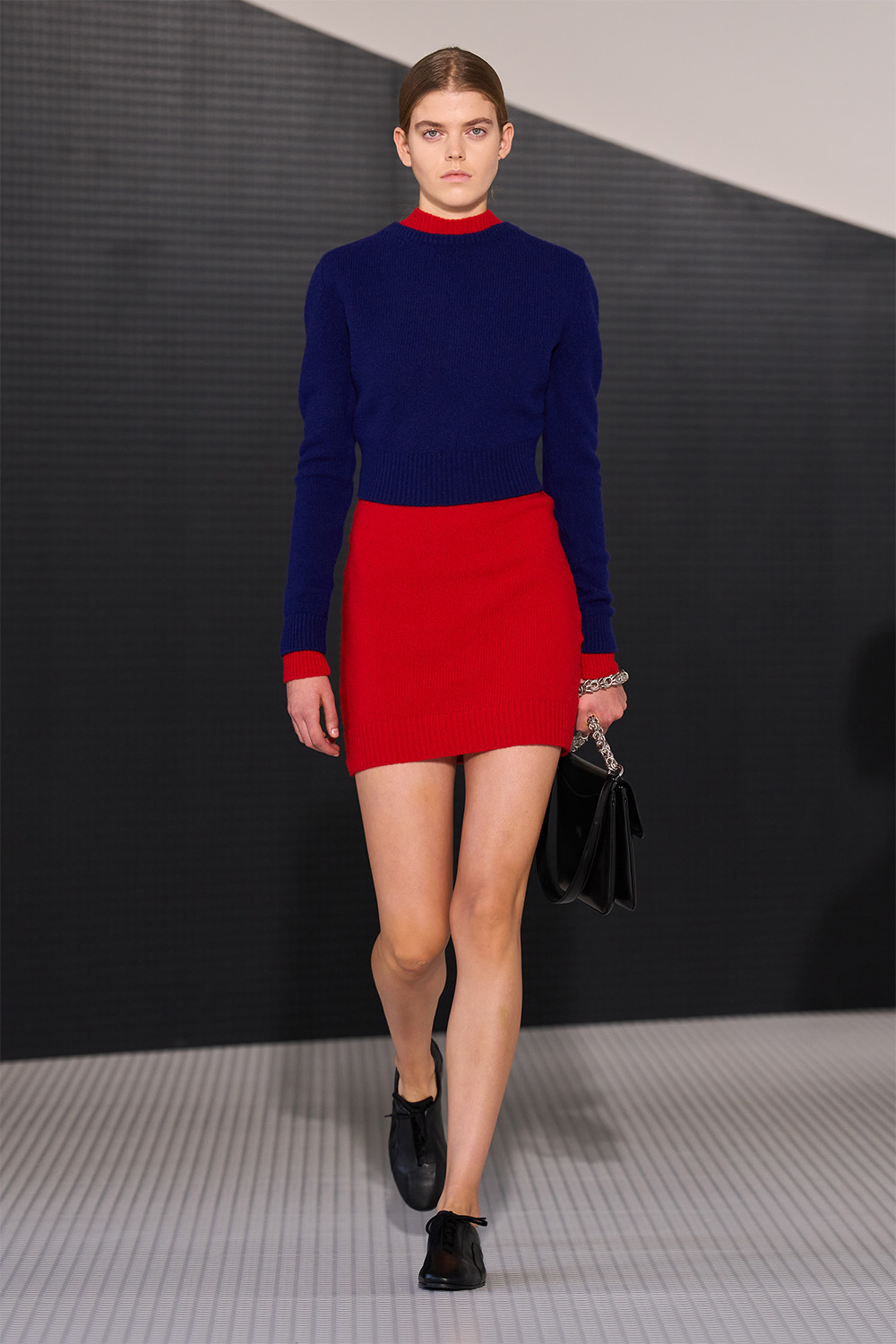
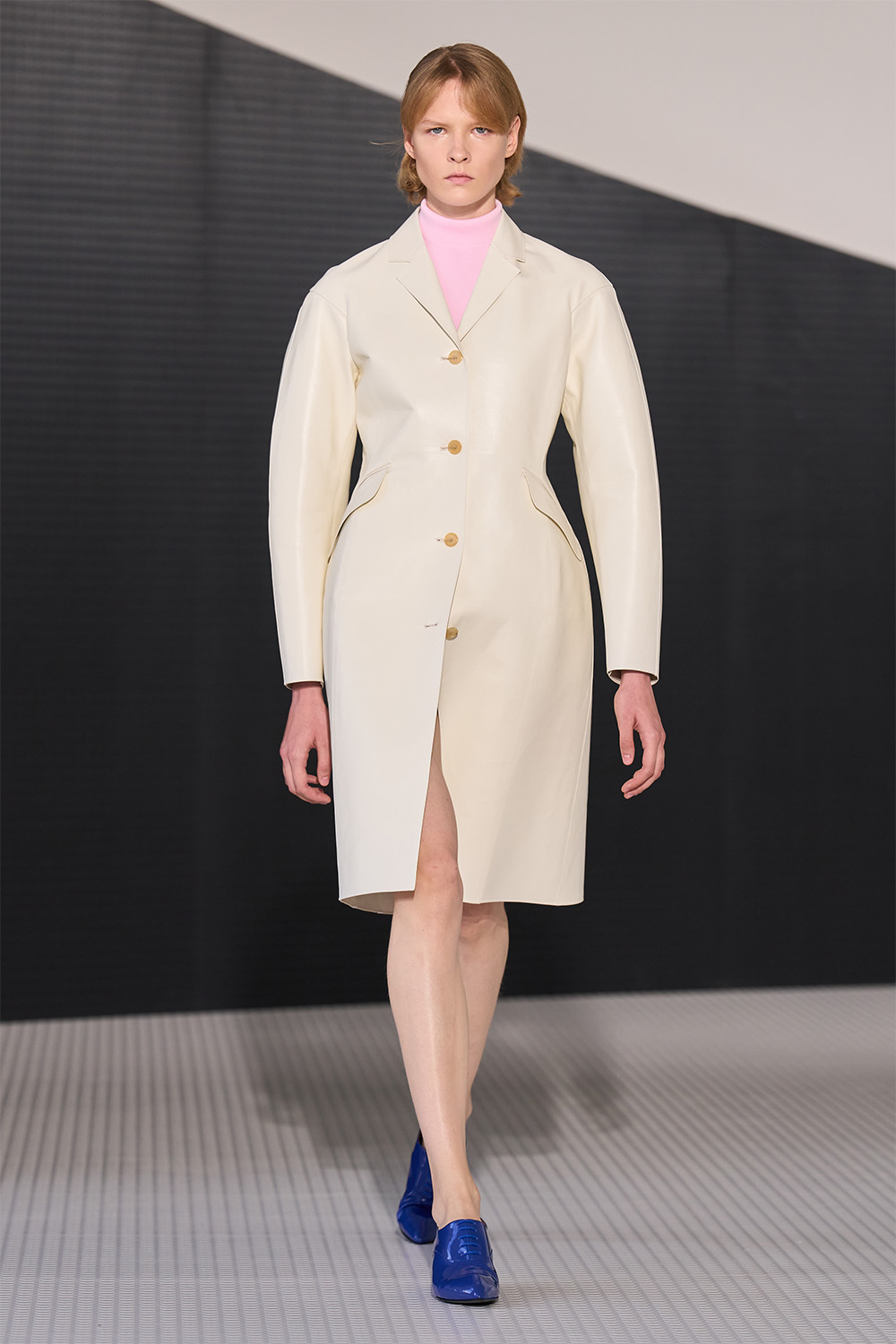
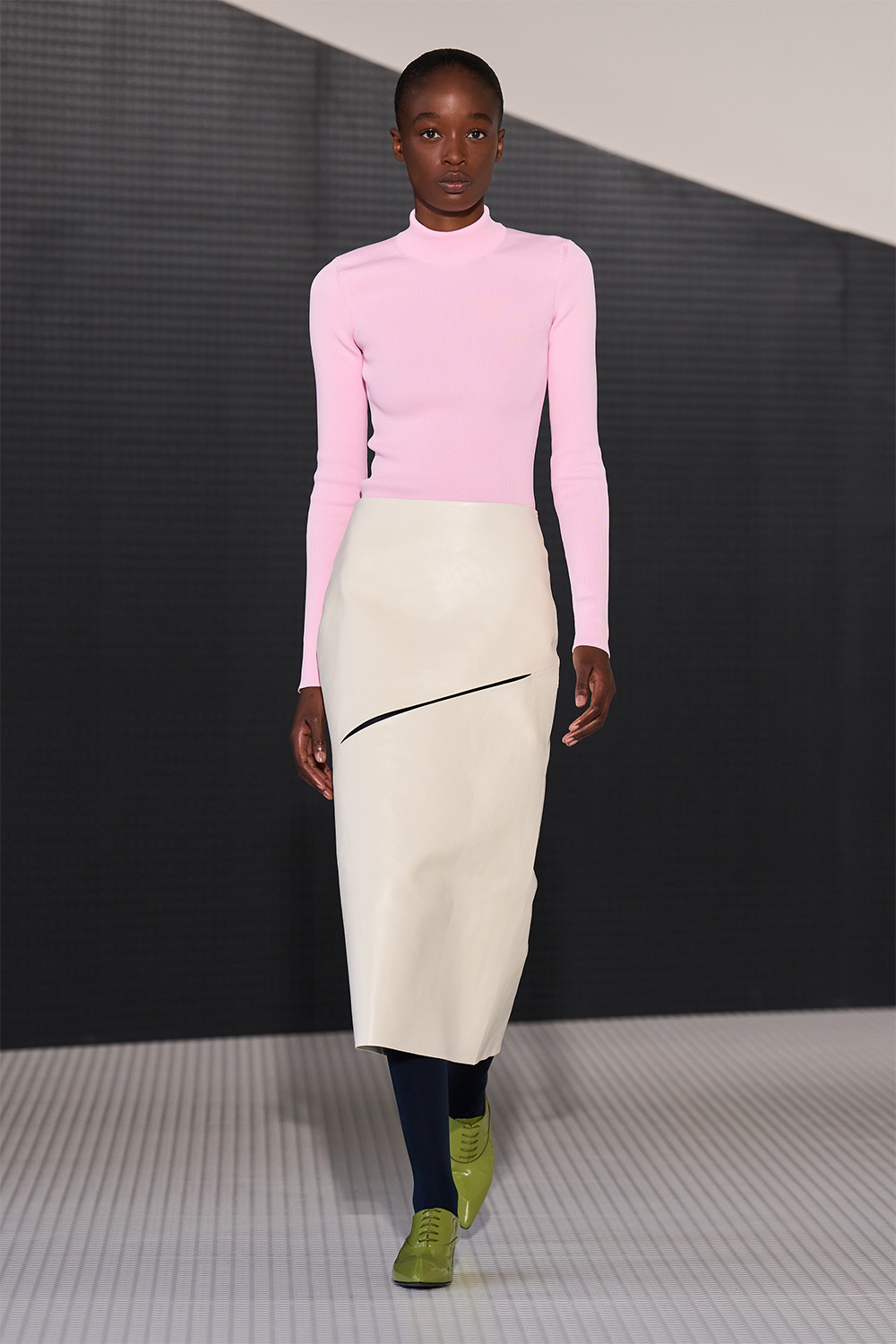
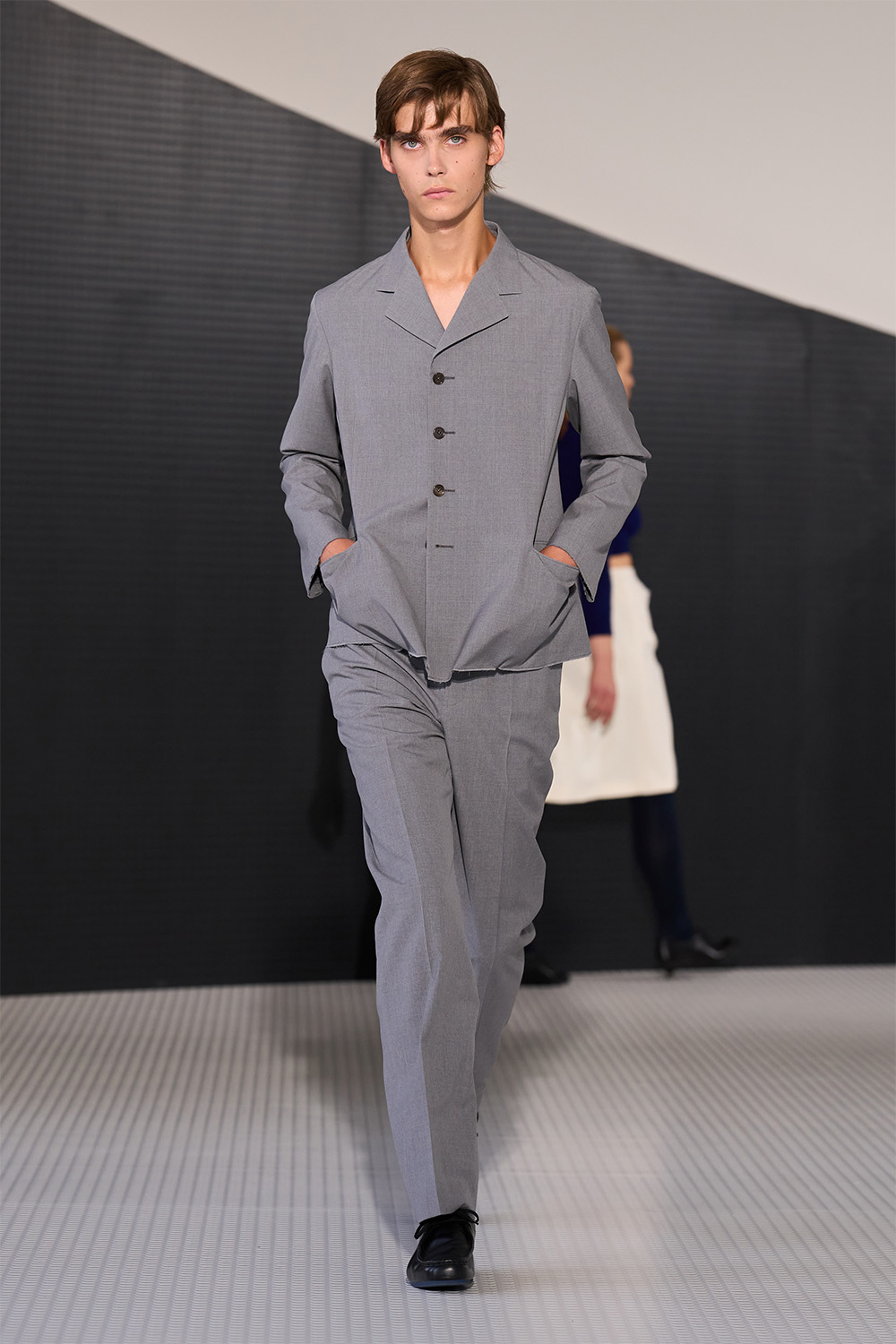
In the span of just four collections, Simone Bellotti made Bally cool again. He gave the Swiss brand a fashion identity and he did so in a considered, unpretentious manner. It was no surprise that Bellotti would eventually be snapped up for bigger things. But Jil Sander is a brand with proper fashion pedigree, and a founder still alive and beloved for her signature style. In their last few years at the brand, Luke and Lucie Meier had tended towards minimalism with unexpected twists and craftsy touches. In his debut collection, Simone Bellotti brought it back to the spirit of Jil Sander herself. This is minimalism at its purest, where everything looks just right—not one thing more, not one thing less. Working with only the most essential shapes and styles, Bellotti laser-refined the fit and the cut of the clothes. Every piece looked light and easy in movement. A simple but genius idea that Bellotti had was the cuts in the clothes. Sometimes, they appeared as Lucio Fontana-esque slashes in the front of skirts, which gave a peekaboo of skin with every stride; sometimes, they’re just little slivers at the waists—both small gestures, but very sexy especially when everything else is so strict.