
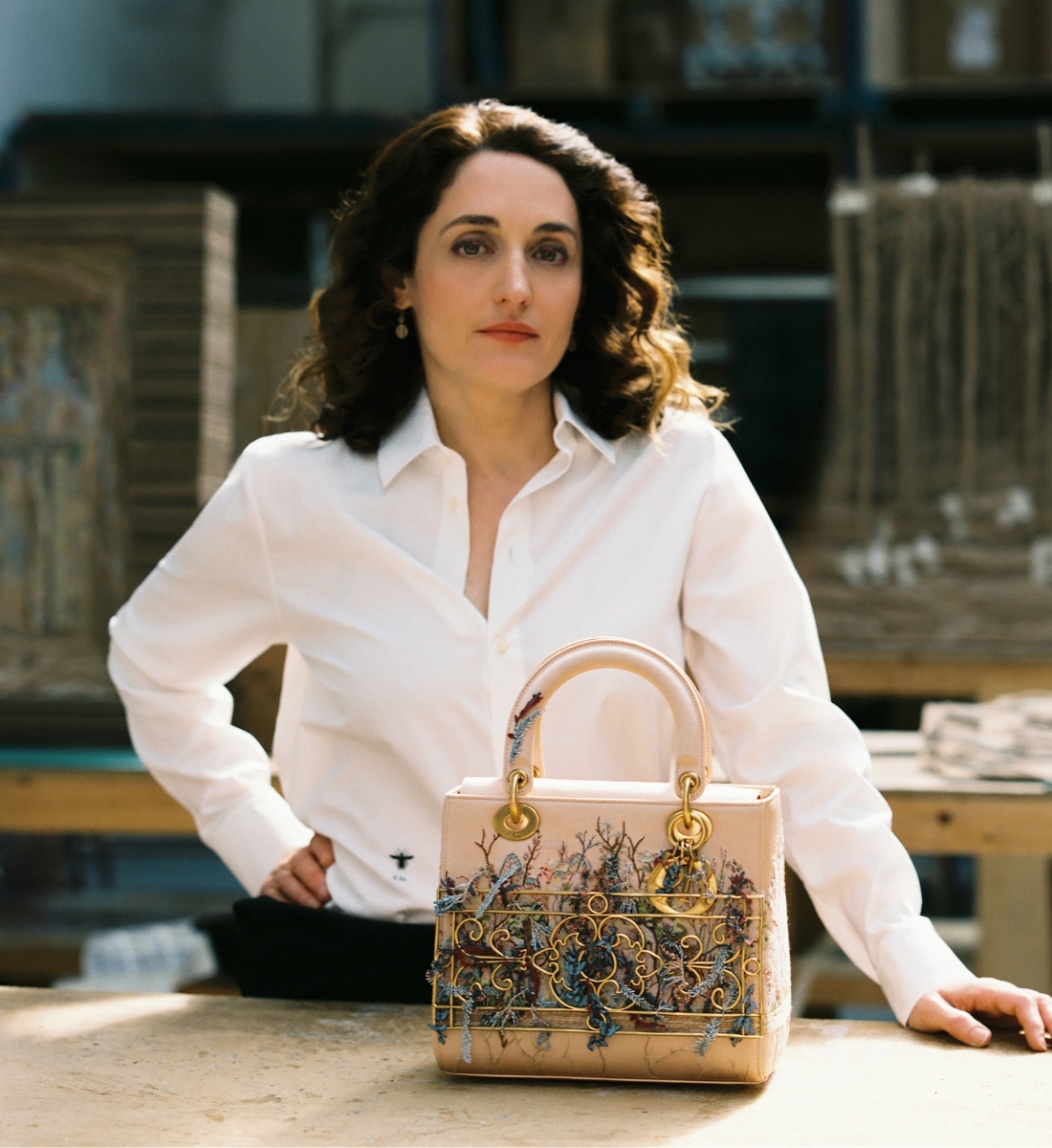
For the 10th anniversary of Dior Lady Art, the Maison brought together 10 artists—each with their own distinctive flair—to reinvent the timeless icon with their unique vision. One of them was French artist Eva Jospin, who brings her architectural imagination to the Lady Dior, turning it into a dialogue between nature and craftsmanship. Drawing inspiration from her signature Balcon series, she reimagines the Lady Dior as a piece adorned with delicate embroideries that represent lush springtime vegetation. The embroidery is intertwined with iconic charms like a miniature balustrade inspired by the balcony of 30 Montaigne—Dior’s headquarters in Paris since the House was founded. The result is a Lady Dior that is a graceful nod to couture, nature and architecture. In this exclusive interview with ELLE Singapore, she shares more about her inspirations, creative process, and what this collaboration means to her.
Related article: Dior's Exclusive Art Exhibition Lands In Singapore
Describe your artistic universe in a few words.
Monumental, detail-oriented, changing scales, recurrent motifs.
What influences have shaped your art and creative vision?
My field of inspiration is very broad! From painting to tapestry, the history of gardens, the architecture of follies and troglodyte dwellings (my passion!), to set design and textile arts, and all the incredible inventiveness of the 20th century, when a wide variety of materials—even the most basic ones like cardboard, my favourite—entered the artistic domain.
Which works do you consider the most emblematic in your universe?
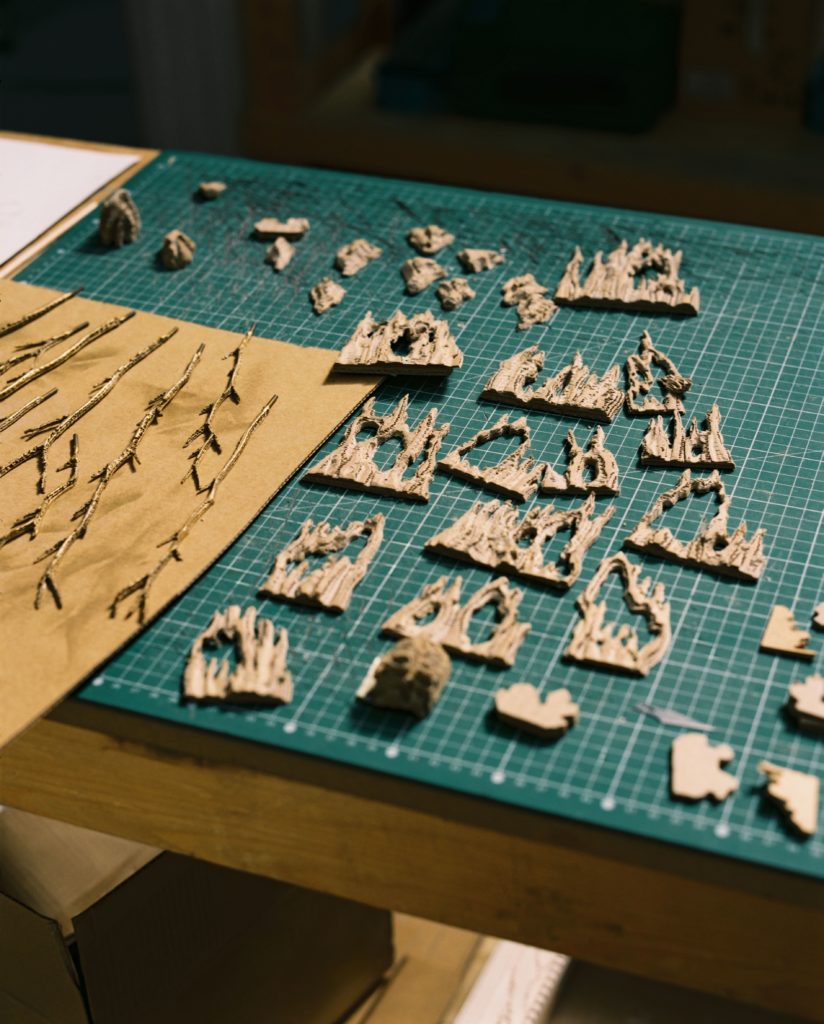
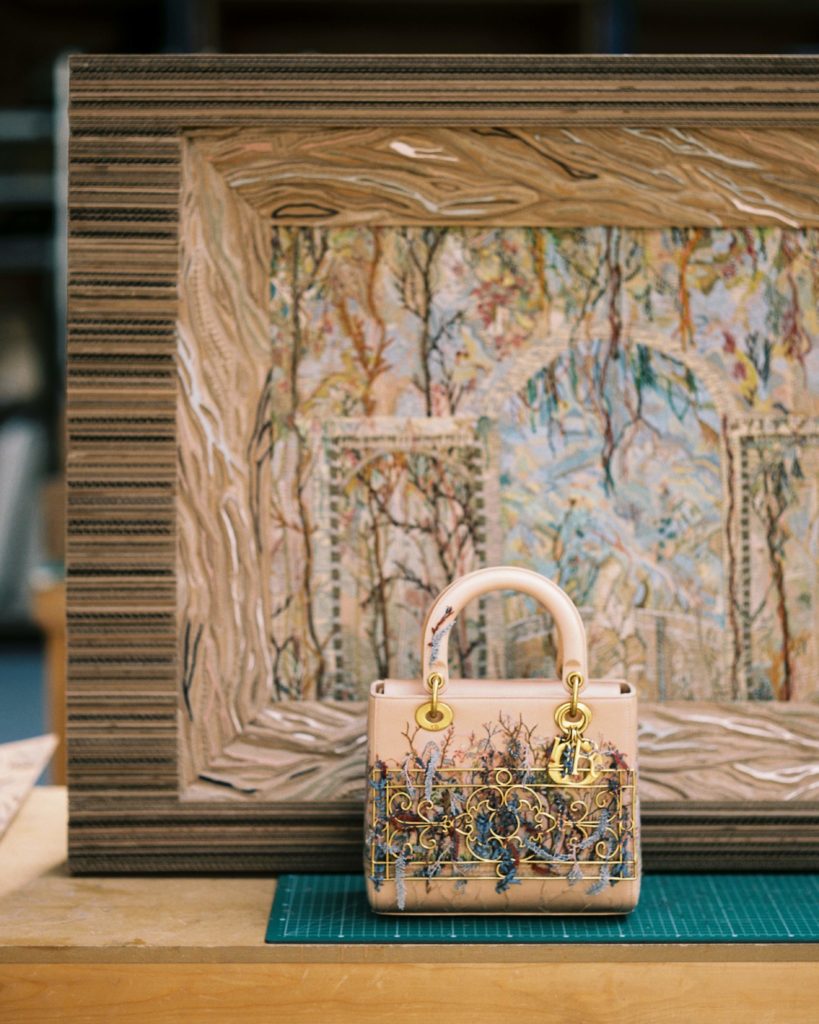
My cardboard works, of course, such as La Forêt, which started it all. Cardboard has long been seen as a banal and industrial waste product, completely devoid of any sacred value. I turned it into sculptures conceived as imaginary walks. Indeed, one of these creations was used in the scenography for a Dior show, which was the beginning of a beautiful story.
How does it feel to be a part of the 10th anniversary of Dior Lady Art?
I discovered and followed the different editions of Dior Lady Art with great pleasure. When I had the chance to see the projects “for real,” and how the artist’s spirit and imagination unfold in this object, I understood that Dior Lady Art constituted, to a certain extent, a portrait of the artist. Their way of thinking is embodied in this exceptional creation. It is therefore a great privilege for me to be part of this 10th edition.
Related article: Jonathan Anderson’s Dior Is Sweet And A Little Twisted
How did the collaboration with Dior go?
There was a collective energy that allowed me to get as near as possible to what I wanted to achieve. We developed a very fluid and diverse creative dialogue, enabling me to test several avenues, including a change of scale. I adapted to the micro format after having mainly worked on monumental pieces. The fruitful exchange with Dior led to finding the right size. It was very stimulating.
What do you like most about the Lady Dior bag?
Its size! It’s a “big little bag”—neither too big nor too small, and always chic. I need space and the Lady Dior has the ideal dimensions for both day and evening. It’s easy to access, and is as elegant as it is practical.
What is your relationship with fashion and what draws you to it?
I am always very happy to attend Dior shows—they are like unique rituals and I admire the artistic collaborations. There never fails to be an element of surprise. Collaborating with Dior and the Chanakya Ateliers has increased my awareness of the infinite refinement made possible by the art of embroidery in clothing. The more you see how a creation is conceived, the more you understand the extent of excellence on a subtle level.
How did your Balcon series inspire your Lady Dior bag?
In my Balcon series of sculptures, I highlight the panoramic and symbolic view offered by the balcony. For my Lady Dior, I took up this idea so that the bag represents a little break, a portable view that can be carried with you: Your own balcony! So, I stylised and reinterpreted the balcony of the iconic 30 Montaigne—the cradle of Parisian elegance that has been home to Dior’s haute couture ateliers since the beginning of the Maison. It was my way of paying tribute to the savoir-faire and excellence of these artisans.
Related article: Dior Fall/Winter 2025: A Royal Flush With Rock ‘N’ Roll Touches
What specific skills and materials did you use to create the piece?
I wanted to create a sculptural bag by mixing 3D elements with embroidery, and giving a look of nature that had overgrown on the balcony. With the Chanakya Ateliers—with whom I regularly collaborate—we worked on a very shiny, extremely rich and beautiful silk satin. We carried out numerous tests before achieving the desired result, exploring some truly amazing ideas with Dior’s incredible creative teams.
What was the inspiration and process of finding such refined colours?
For the colours, I wanted those of a balcony in spring, with the beautiful flowers that delight us every time. I thought of Marcel Proust, and his novel, In The Shadow of Young Girls In Flower, where he mentioned that fashion is born from the need for change. The Lady Dior accompanies the seasons, crossing eras and exalting nature’s cycles. Behind this idea of seasons lies something much more profound: The celebration of renewal and change, wonderfully embodied by spring, the most magical season with its flowers and their fragrances. I wanted to infuse this spirit into my Lady Dior.
I shared a drawing and colour palette with Chanakya and Dior. We worked on numerous trials and samples until we achieved the precious tones we had envisioned. This was done in the spirit of a creative studio. What I love about fashion, and Dior, in particular, is this idea of a studio-laboratory with endless possibilities and attention to the smallest detail.